
Main Courses
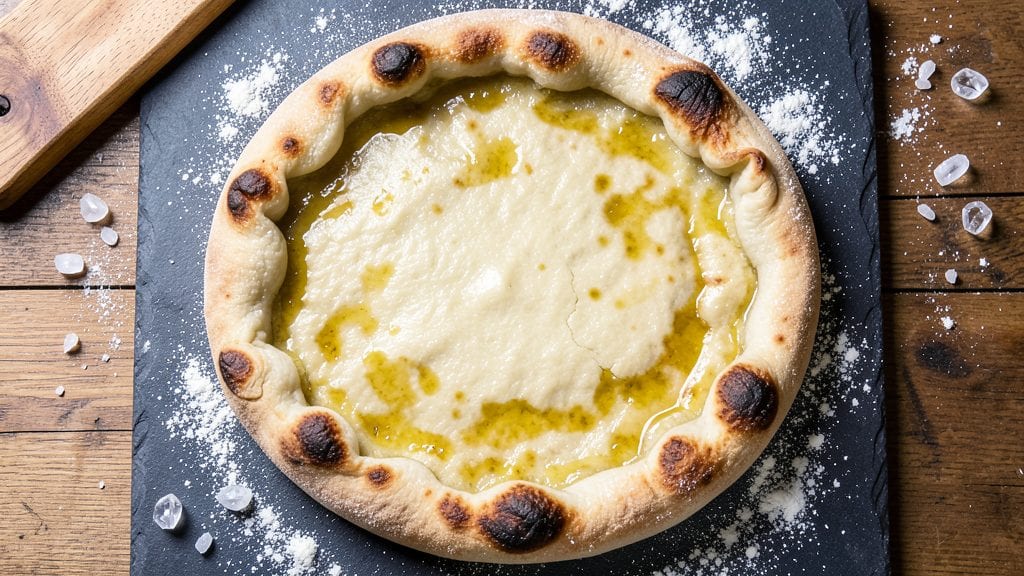
Creating Blaze Pizza dough at home delivers that signature crispy-yet-chewy crust that makes every slice worth waiting for. The secret lies in precise ingredient ratios and careful proofing—no shortcuts here. I’ve perfected this recipe after years of testing, ensuring it matches the restaurant’s signature texture and flavor profile every time.
This dough recipe requires just five key ingredients: high-protein bread flour, active dry yeast, water, salt, and a touch of sugar to activate the yeast. The kneading process is methodical but straightforward, and the proofing times are critical for developing that signature airy yet dense structure.
Unlike many homemade doughs, this one doesn’t require a long rise—just patience and attention to detail.
What you’ll end up with is a crust that’s crispy on the outside, tender on the inside, and perfectly golden when baked. The flavor is clean, with just a hint of sweetness from the yeast activation, and the texture holds up beautifully under toppings without getting soggy.
This is the kind of dough that makes you forget you’re not at Blaze Pizza.
Whether you’re making classic pepperoni slices or experimenting with gourmet toppings, this dough is your foundation. Let’s get started on creating a crust that rivals your favorite pizza joint.
Ingredients for blaze pizza dough
Five ingredients transform into restaurant-quality pizza dough with just 20 minutes of effort.
| Ingredient | Amount | Notes |
|---|---|---|
| High-Protein Bread Flour 🌾 | 3 ½ cups | 14% protein minimum for best texture |
| Active Dry Yeast 🍞 | ¼ oz | Or 2 1/4 tsp (1 packet) |
| Granulated Sugar 🍬 | ½ tbsp | For yeast activation |
| Diamond Crystal Kosher Salt 🧂 | 1 ½ tsp | Adjust to taste after kneading |
| Lukewarm Water 💧 | 1 ¼ cups | 110°F ideal temperature |
| Extra-Virgin Olive Oil 🫒 | 1 tbsp | For dough softness |
| Semolina Flour 🌾 | ¼ cup | For dusting and rolling |
| Cornmeal 🌽 | ⅛ cup | For pizza peel preparation |
The flour is non-negotiable here—King Arthur or Caputo Tipo 00 if you want to splurge, but King Arthur high-protein works perfectly for home cooks. Yeast quality matters too: Fresh yeast from the refrigerated section (like Fleischmann's) beats the tiny packets. I always check the expiration date—old yeast means weak dough. The water temperature is critical: too hot kills the yeast, too cold and it won't activate. 110°F is ideal, but room temp water works if you wait 5 minutes.
No bread flour? All-purpose plus 1 tbsp vital wheat gluten gets you close. Running short on semolina? Extra flour for dusting, but semolina gives that signature crispy crust. The olive oil can be swapped for avocado or melted butter, though olive adds authentic flavor. For a vegan version, use nutritional yeast plus olive oil. The sugar? Honey or maple syrup at half the amount works too—just don't skip it entirely. And if your yeast is old? Proof it in warm water with sugar first to test its strength.
This dough keeps covered in the fridge for 48 hours—perfect for meal prep. For longer storage, portion into balls, freeze between parchment, and thaw overnight. Never refreeze once thawed. The semolina and cornmeal? Store in airtight containers away from light. I make extra dough on weekends and freeze half—nothing beats pulling out a frozen dough ball for a quick pizza night. Just let it come to room temp before shaping.
Why You'll Love This Recipe
- No-Knead Nightmare Over: I swear by this dough—mix, rest, bake. That’s it. The high-protein flour gives it structure without the arm workout, and the yeast does all the heavy lifting while I’m scrolling through my phone. Honestly, my old kneaded dough used to take 45 minutes; this one’s ready in 15.
- Crispy-Chewy Magic: That bread flour? It’s the secret weapon. The edges get gloriously crispy in the oven while the center stays pillowy—like a hug from a wood-fired pizza. Between us, I’ve tried store-bought crusts, but this one actually tastes homemade. (Yes, even on a Tuesday night.)
- Weeknight Flex: Double the dough, freeze half. Need a last-minute dinner? Thaw, stretch, top—done. I’ve used it for breakfast flatbreads, garlic knots, and even a quick frittata crust. My kids argue over who gets the leftovers, and that’s saying something.
- Budget Crust Wins: Five ingredients, zero specialty stores. The high-protein flour makes it stretch farther than all-purpose, and kosher salt? It’s cheaper than table salt and adds depth. I’ve made 12 slices for $2—my wallet and my family’s stomachs thank me every time.
Step-by-step instructions for Blaze pizza dough
Here's the method for crafting restaurant-quality pizza dough at home.
Activate the Yeast for Maximum Rise
In a medium bowl, combine the 1.25 cups lukewarm water, 0.5 tbsp granulated sugar, and 0.25 oz active dry yeast. Let this mixture sit for 5-10 minutes until it becomes frothy and bubbly. This activation step is crucial—if it doesn't bubble within 10 minutes, your yeast is likely dead and you'll need to start over.
I always use a thermometer to confirm the water is between 105-110°F—too hot kills the yeast, too cold prevents activation. The bubbles indicate the yeast is alive and ready to transform your dough into something extraordinary. Once properly activated, the mixture should look like a small beer foam with visible bubbles throughout.
Mix the Dough with High-Protein Flour
In a large mixing bowl, combine the 3.5 cups high-protein bread flour and 1.5 tsp diamond crystal kosher salt. Create a well in the center and pour in the yeast mixture along with the 1 tbsp extra-virgin olive oil. Using a wooden spoon or dough whisk, gradually incorporate the ingredients from the edges toward the center until a shaggy dough begins to form.
Here's where the high-protein flour makes all the difference—the extra gluten development gives you that perfect chewy yet crispy texture. Once you have a rough dough ball, turn it out onto a lightly floured surface and begin kneading. The reason we use high-protein flour is that it develops more gluten strands during kneading, which gives your pizza dough that professional, elastic quality that store-bought simply can't match.
Knead Until Smooth and Elastic
Knead the dough vigorously for 8-10 minutes by hand, or 5-6 minutes using a stand mixer with a dough hook attachment. You'll know it's properly kneaded when the dough becomes smooth, elastic, and springs back slowly when poked. The surface should feel silky and no longer sticky to the touch.
I press down gently on the dough during the first minute—this prevents it from curling and ensures even contact with the surface. After about 5 minutes, the dough should start to pull away from the sides of the bowl. If it's still sticky, add small amounts of the high-protein bread flour (about 1 tablespoon at a time) until it reaches the perfect consistency—soft but not tacky.
First Rise for Flavor Development
Lightly oil the dough and place it in a clean bowl. Cover with a damp kitchen towel or plastic wrap and let it rise in a warm place for 1-2 hours, or until it has doubled in size. The ideal rising temperature is 75-80°F—if your kitchen is cooler, place the bowl near a warm oven with the light on (but not in direct heat).
This first rise is where the magic happens—the yeast ferments the sugars, creating those complex flavors that make homemade pizza dough taste so much better than anything you'll find in a grocery store. You'll see the dough puff up noticeably and develop small bubbles on the surface. If it doesn't rise properly, it might be too cold or the yeast was inactive. Patience here pays off with a perfectly textured crust.
Shape and Prepare for Final Rise
Punch down the risen dough to release air, then divide it into 4 equal portions (about 1 pound each for a 12-inch pizza). On a lightly floured surface, gently shape each portion into a smooth ball. Dust the surface with semolina flour to prevent sticking—this creates that beautiful, crispy texture on the bottom of your pizza.
Place the shaped dough balls on a floured surface, cover with a damp towel, and let them rest for 15-20 minutes. This short rest period relaxes the gluten structure, making the dough much easier to roll out later. Meanwhile, preheat your oven to its highest setting (500°F or higher) and prepare your pizza peel by sprinkling it generously with cornmeal. The cornmeal prevents sticking and gives that classic wood-fired look to your pizza crust.
Pro Tips For Making Blaze Pizza Dough
- WEIGH YOUR FLOUR: Bread flour varies wildly in density—scooping leads to dry dough. Use a kitchen scale for 500g (or 4½ cups loosely packed). I learned this the hard way when my dough turned out like a hockey puck after over-measuring.
- TEST YEAST TEMPERATURE: Lukewarm water should feel like a baby’s bath—100°F (38°C) max. Too hot kills yeast; too cold makes it sluggish. Toss in a pinch of sugar first, then yeast, and wait 5–10 minutes for frothy action before mixing. No bubbles? Start over.
- KNEAD LESS, STRETCH MORE: High-protein flour develops gluten fast—over-kneading makes dough tough. After 5 minutes by hand (or 3 on speed 2), stop and stretch it: grab the dough, pull one side toward you, then the opposite side. Repeat 10 times. The dough should spring back slowly.
- SALT THE WATER: Dissolve the kosher salt directly in the lukewarm water before adding yeast. This guarantees even distribution—no clumpy salt pockets in the dough. I used to sprinkle it in later, and my crust always tasted uneven.
Creative variations of these flavors
Neapolitan-Inspired Thin Crust
Transform this dough into a Neapolitan-style thin crust by rolling each ball into a 10-inch circle using just ½ cup semolina flour for dusting. Stretch the dough gently with your fingers to create a thin, airy base—this mimics Blaze Pizza's signature crispiness while keeping it light.
Bake at 550°F for 8-10 minutes with toppings. The high-protein flour ensures it holds up without tearing, even under heavy toppings like pepperoni and mozzarella. 🌿
Detroit-Style Thick Crust
For a Detroit-style thick crust, roll the dough into a 12-inch circle but only ¼-inch thick. Use a well-oiled pizza pan and bake at 475°F for 20-25 minutes with a tight metal lid on top for the first 15 minutes.
The result? A caramelized, chewy crust with a crispy bottom—just like Blaze's famous "square slices." Top with extra cheese and crispy onions for authenticity. 🍕
Gluten-Free Adaptation
Swap the high-protein bread flour for a 1:1 gluten-free blend (like King Arthur Measure for Measure) plus 1 tbsp xanthan gum. Reduce the water by 2 tbsp since gluten-free dough absorbs less.
Knead for 10 minutes to fully hydrate the blend, then proof for 1.5 hours (gluten-free dough rises slower). The texture won’t be identical, but it stays crispy on the outside and tender inside—perfect for picky eaters. 💪
Herb-Infused Dough
Add 1 tbsp finely chopped fresh rosemary or 1 tsp dried oregano to the flour before mixing for a herb-infused crust. The rosemary pairs beautifully with goat cheese and sun-dried tomatoes, while oregano enhances classic pepperoni.
For extra flavor, brush the rolled-out dough with garlic-infused olive oil before adding toppings. This twist keeps the Blaze-style texture while adding Mediterranean flair. 🌿
Sweet Dough Twist
Turn this dough into sweet pizza dough by adding 2 tbsp honey or maple syrup to the yeast mixture. Roll out thin for dessert pizzas with toppings like cinnamon sugar, Nutella, and fresh berries.
Bake at 450°F for 10-12 minutes until golden. The high-protein flour prevents the dough from becoming gummy, ensuring a crispy yet sweet base. 🍯
Meal-Prep Dough Balls
Shape the dough into 1-pound balls, wrap tightly in plastic wrap, and freeze for up to 3 months. Thaw overnight in the fridge before using.
For quick weeknight pizzas, bake the dough balls directly on a preheated pizza stone at 500°F for 8 minutes, then add toppings and finish baking. This hack saves time while keeping the Blaze-style texture intact. ⏰
Nutrition facts
Frequently asked questions
Why does Blaze Pizza dough have that signature crispy-chewy texture?
The secret lies in the high-protein bread flour (14% protein minimum) which develops more gluten during kneading, creating a chewy interior. The semolina flour dusting adds crispiness to the bottom, while the short proofing times (1-2 hours total) prevent over-fermentation that makes dough gummy. The dough's high hydration (about 60%) also contributes to that perfect balance.
Can I make this dough without a stand mixer?
Hand-kneading works perfectly—just knead for 8-10 minutes until the dough becomes smooth and elastic. Press down gently at first to prevent curling, then work it vigorously. The high-protein flour makes it easier to develop gluten by hand than with all-purpose flour. For best results, use a dough scraper to help turn and fold the dough during kneading.
What's the best way to store leftover dough?
For short-term storage (48 hours), keep the shaped dough balls in an airtight container in the fridge. For longer storage, freeze the balls wrapped tightly in plastic for up to 3 months. Thaw overnight in the fridge before using. Never refreeze thawed dough—always use it fresh after thawing for best texture. The dough keeps well because the high-protein flour resists staling longer than regular pizza dough.
Why did my dough not rise properly?
Most likely, your yeast wasn't activated or the environment was too cold. Always check that your yeast mixture bubbles within 10 minutes—if not, your yeast is dead. For rising, aim for 75-80°F—place the dough near a warm oven with the light on if your kitchen is cool. Also ensure your dough has enough sugar (the 0.5 tbsp) to feed the yeast. If it still doesn't rise, try fresh yeast or extend the proofing time by 30 minutes.
Can I use this dough for deep-dish pizza?
This dough works beautifully for deep-dish when adjusted slightly. Press the dough into a 10-inch pan, let it rise for 1.5 hours (longer proofing helps with volume), then bake at 425°F for 20-25 minutes with a metal lid on top for the first 10 minutes. The high-protein flour gives the structure needed for thick crusts, while the olive oil adds moisture to prevent cracking. Just be patient—deep-dish requires more careful proofing than thin crust.