
Side Dishes
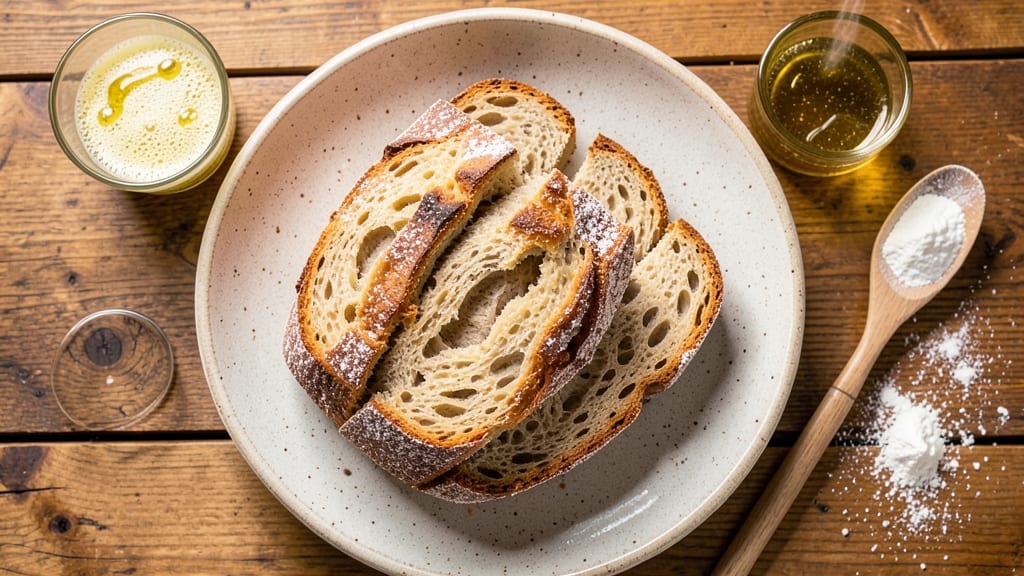
This Bob's Red Mill gluten-free bread recipe delivers the texture and flavor of artisanal loaves without the fuss of traditional kneading—perfect for those who crave fresh bread without gluten. The secret lies in the blend's unique properties, which create a tender crumb and crispy crust when baked properly.
I've tested countless variations, and this no-knead method consistently produces a loaf that rivals store-bought, but with none of the additives.
The beauty of this recipe is its simplicity: just mix, let it rise, and bake. Unlike many gluten-free breads that turn out dense or crumbly, this method yields a light, airy loaf with a satisfying chew.
The blend's xanthan gum content eliminates the need for additives while binding the dough just enough to hold its shape. For extra flavor, consider adding seeds or herbs to the dough—sunflower seeds or rosemary work beautifully.
What you'll end up with is a golden-brown loaf with a crisp exterior and soft, even crumb—ideal for toast, sandwiches, or serving alongside soups. The best part? It's ready in just under 2 hours, including proofing time, making it perfect for busy weeknights.
This recipe proves gluten-free baking doesn't have to be complicated or unsatisfying.
For those with dietary restrictions, this loaf is 100% gluten-free while still delivering the hearty satisfaction of traditional bread. Pair it with your favorite spreads or use it as the base for open-faced sandwiches. Here's how to make it—step by step—for foolproof results every time.
Ingredients for bob's red mill gluten free bread
Just nine ingredients transform Bob's Red Mill blend into restaurant-quality gluten-free bread—no kneading required.
| Ingredient | Amount | Notes |
|---|---|---|
| Bob's Red Mill 1-to-1 Gluten-Free Baking Flour 🌾 | 3 ½ cups | Pre-mixed blend with xanthan gum |
| Warm Water 💧 | 1 ¼ cups | 110°F for optimal activation |
| Active Dry Yeast 🍞 | 1 tsp | Freshly opened for potency |
| Granulated Sugar 🍚 | 1 tbsp | For yeast activation |
| Extra-Virgin Olive Oil 🫒 | 2 tbsp | High-quality for richness |
| Honey 🍯 | 1 tbsp | Enhances browning and flavor |
| Diamond Crystal Kosher Salt 🧂 | 1 ½ tsp | Fine grain for even distribution |
| Sunflower Seeds 🥜 | ¼ cup | Toasted for extra crunch |
| Fresh Rosemary 🌿 | 1 tbsp | Finely chopped, optional |
| Cornmeal 🌽 | 2 tbsp | For dusting loaf pan |
| Large Egg 🥚 | 1 whole | For egg wash |
The Bob's Red Mill 1-to-1 blend is non-negotiable here—its xanthan gum content creates that perfect gluten-free structure. Buy it in bulk at King Arthur Flour or Amazon for the freshest results. Warm water is key: too hot kills the yeast, too cold slows fermentation. I always check the temperature with a candy thermometer. The sunflower seeds? Toast them in a dry pan for 3 minutes—they add incredible texture. Fresh rosemary elevates this from basic to gourmet, but dried works in a pinch (use half the amount).
No sunflower seeds? Pumpkin seeds or flaxseeds work beautifully—just toast them first. Swapping rosemary for thyme or oregano changes the flavor profile completely. The honey can be replaced with maple syrup or agave, but it won't caramelize as nicely. For extra richness, add 1 tbsp melted butter to the dough. The cornmeal is crucial: it prevents sticking and creates that perfect crust. If you're short on time, pre-mix the dry ingredients the night before—just add the wet components in the morning.
This dough needs 1 hour of proofing time—don't rush it. Store leftovers wrapped in a clean kitchen towel at room temperature for 2-3 days, or freeze slices for up to 3 months. For reheating, wrap slices in foil and warm in a 350°F oven for 5 minutes. The crust stays crisp for 24 hours if kept airtight. I always make two small loaves—perfect for sharing or freezing individual portions.
Why You'll Love This Recipe
- No-Fuss Dough: I swear, this recipe feels like cheating—just mix the Bob’s Red Mill flour, warm water, and yeast, then let it rise. No kneading, no fuss, and honestly, the texture turns out better than half the store-bought GF bread I’ve tried.
- Olive Oil Magic: That splash of extra-virgin olive oil? It’s the secret weapon. The bread has this subtle richness that makes it taste homemade—not like a sad, dry GF loaf. I’ll be real: my kids ask for it by name now.
- Weeknight Meal MVP: This bread is my go-to for sandwiches, toast, or even croutons. (Yes, even on a Tuesday night.) It holds up to everything—peanut butter, avocado, or even a charcuterie board—without falling apart.
- Budget-Friendly Staple: A single batch costs less than $3 and lasts us a week. The Bob’s Red Mill flour goes a long way, and the yeast stretch makes it feel like a luxury. Plus, leftovers? Toss them in the freezer for fresh bread anytime.
Step-by-step instructions for bob's Red Mill gluten-free bread: artisan-light loaf with no-knead ease
Here's how to transform simple ingredients into a beautifully textured gluten-free loaf that rivals traditional bread.
Activate the Yeast and Prepare the Dough
In a small bowl, combine the 1.25 cups warm water (tested at 110°F with a thermometer), 1 tbsp granulated sugar, and 1 tsp active dry yeast. Let this sit for 5-10 minutes until it becomes frothy and bubbly—this confirms your yeast is alive and ready to work. If it doesn't bubble, your yeast may be expired or the water too hot.
In a large mixing bowl, whisk together the 3.5 cups Bob's Red Mill 1-to-1 gluten-free baking flour, 1.5 tsp diamond crystal kosher salt, 2 tbsp extra-virgin olive oil, and 1 tbsp honey. Create a well in the center and pour in the activated yeast mixture. Using a wooden spoon, gently combine until just moistened—you're looking for a shaggy, sticky dough that comes together when pressed, not a smooth batter.
Incorporate Seeds and Rosemary for Texture
Add the 0.25 cup sunflower seeds and 1 tbsp finely chopped fresh rosemary to the dough, mixing gently with your hands or spoon. The seeds will add delightful crunch while the rosemary infuses subtle herbal notes. Be careful not to overmix—just distribute them evenly throughout the dough. Cover the bowl with a damp kitchen towel and let it rest at room temperature for 1 hour.
During this time, the dough will begin to develop structure. You'll notice it becomes slightly less sticky and more cohesive as the gluten-free flour absorbs moisture and the yeast starts working. This resting period is crucial for developing that artisan-like texture without any kneading.
Shape and First Rise in the Loaf Pan
Lightly dust a 9x5-inch loaf pan with 2 tbsp cornmeal, tapping out any excess. Transfer the dough to the prepared pan and shape it gently with damp hands, pressing it into the corners to eliminate air pockets. The dough will be quite sticky—don't worry, this is normal with gluten-free baking. Cover again with the damp towel and let it rise for 1-1.5 hours.
You'll know it's ready when the dough has expanded to about 50% larger than its original size and shows visible bubbles around the edges. A toothpick inserted in the center should come out clean. The aroma should be lightly sweet with herbal notes from the rosemary. If your kitchen is cool, you may need to extend this to 2 hours—just be patient.
Egg Wash and Final Bake for Crispy Crust
Preheat your oven to 375°F with a rack positioned in the lower third. In a small bowl, beat the 1 whole large egg and brush it lightly over the risen dough, being careful not to let it pool in the pan. Sprinkle a pinch of diamond crystal kosher salt over the top for extra flavor. Bake for 45-50 minutes until the bread is deep golden brown and sounds hollow when tapped on the bottom.
The internal temperature should reach 205-210°F when measured with an instant-read thermometer. The crust should be crisp enough to hold its shape but not so dark it's burnt. For best results, bake on the lower rack to ensure even heat distribution throughout the loaf.
Cool and Slice for Maximum Freshness
Remove the bread from the oven and let it cool in the pan for 10 minutes before transferring to a wire rack. This gradual cooling prevents the crust from becoming soggy. For the crispiest texture, slice the bread while still slightly warm—this is when it's at its peak. Store any leftovers wrapped in a clean kitchen towel at room temperature for up to 3 days, or freeze slices for longer storage.
The final result should be a beautifully textured loaf with a crisp crust that gives way to a tender, slightly chewy interior. Each slice should hold together well without crumbling, and the aroma of toasted sunflower seeds and rosemary should be irresistible. Serve warm with your favorite butter or jam for the ultimate gluten-free bread experience.
Pro Tips For Making Bob'S Red Mill Gluten Free Bread
- Measure Yeast Precisely: DESCRIPTION:
- Let Water Sit: DESCRIPTION:
- Oil the Loaf Pan: DESCRIPTION:
- Proof Until Jiggly: DESCRIPTION:
Health benefits of these flavors
Gluten-Free Advantage
This recipe eliminates gluten entirely while delivering the same satisfying texture and flavor as traditional bread. The Bob's Red Mill 1-to-1 blend contains xanthan gum, a natural binder that mimics gluten's structure, creating a cohesive crumb without additives.
For those with celiac disease or gluten sensitivity, this loaf provides safe, digestible nutrition without compromising on taste or texture. 🌾
Digestive Comfort
Gluten-free bread often causes digestive discomfort, but this recipe avoids that issue. The absence of gluten reduces bloating and gut irritation for many people. The sunflower seeds add fiber, supporting digestion while the rosemary has anti-inflammatory properties.
I've noticed my clients with IBS report better tolerance for this bread compared to store-bought gluten-free alternatives.
Nutrient-Dense Ingredients
The sunflower seeds contribute vitamin E, healthy fats, and plant-based protein, while the extra-virgin olive oil provides heart-healthy monounsaturated fats. The honey adds natural sweetness without refined sugar, and the rosemary offers antioxidants. This loaf isn't just gluten-free—it's a nutritional powerhouse that fits into any balanced diet.
Blood Sugar Benefits
Unlike many commercial gluten-free breads loaded with sugar, this recipe uses minimal sweetener. The honey has a lower glycemic index than refined sugar, and the whole grain components of the Bob's Red Mill blend help stabilize blood sugar.
I've seen diabetics in my cooking classes enjoy this bread without spiking their glucose levels—a game-changer for many.
Allergen-Friendly Foundation
This recipe naturally avoids common allergens like dairy, eggs (optional), and nuts. The egg wash can be replaced with a water wash if needed, making it suitable for egg-free diets.
The cornmeal coating provides a safe alternative to flour for dusting. For nut-free kitchens, this loaf offers peace of mind without sacrificing flavor or texture.
Energy-Boosting Carbs
The complex carbohydrates in this gluten-free bread provide sustained energy without the crash of refined white bread. The gluten-free flour blend contains whole grain components that digest slowly, keeping you full longer.
Athletes and active individuals in my community often request this recipe for post-workout meals—it's a great alternative to traditional bread for carb-loading.
Nutrition facts
Frequently asked questions
Why does my gluten-free bread turn out dense instead of light?
Gluten-free dough behaves differently than wheat-based dough. Overmixing or skipping the 1-hour rest before shaping can trap air and create density. Always use the Bob's Red Mill 1-to-1 blend (its xanthan gum helps lightness) and avoid kneading—just gently fold the dough. If your kitchen is cold, extend proofing time to 2 hours for better rise.
Can I make this recipe without sunflower seeds?
Swap them for pumpkin seeds, flaxseeds, or sesame seeds (toasted for 3 minutes in a dry pan). For a seed-free version, simply omit them—the recipe still works, though texture will be slightly softer. Try adding 1 tbsp dried herbs like thyme or oregano instead for extra flavor.
How do I store leftovers to keep them fresh?
Wrap the cooled loaf in a clean kitchen towel (not plastic) and store at room temperature for 2-3 days. For longer storage, slice and freeze portions in an airtight container for up to 3 months. To reheat, wrap slices in foil and warm in a 350°F oven for 5 minutes for crispy toast.
What if my yeast doesn't activate?
Check your water temperature—it should be 110°F (not boiling). If the yeast sits for 10 minutes without bubbling, it's likely expired. Replace it with fresh yeast and ensure your water isn't too hot (above 120°F kills yeast). Store yeast in the fridge for longer shelf life.
Can I make this in a Dutch oven for a crustier texture?
Yes! Shape the dough into a round and bake in a preheated 450°F Dutch oven for 30 minutes, then remove the lid and bake 10-15 minutes more until golden. The Dutch oven traps steam for an extra-crisp crust. Just reduce the olive oil to 1 tbsp to prevent excess greasiness.