
Main Courses
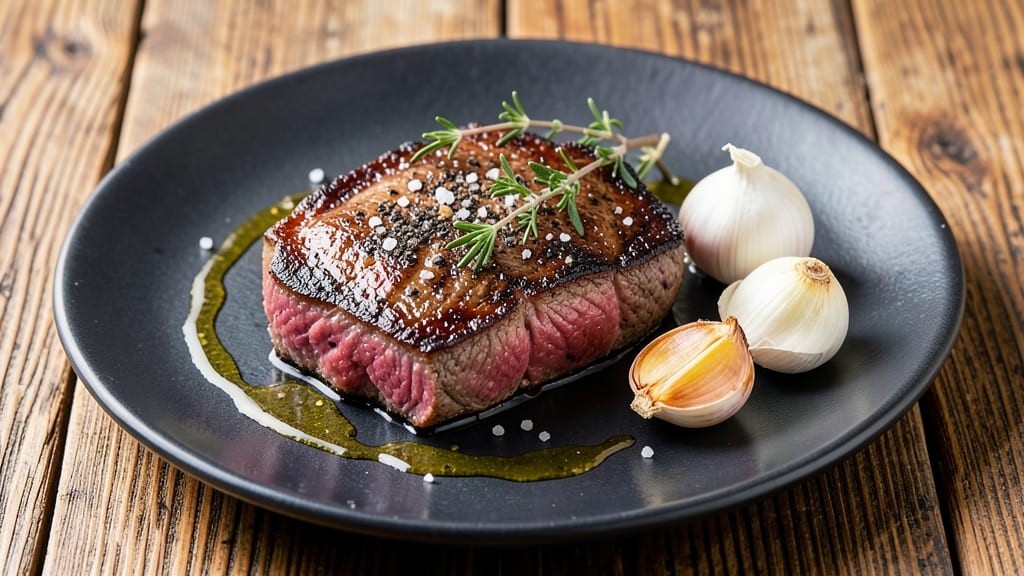
Mastering a broiled sirloin steak recipe means achieving that perfect high-heat crust with tender, juicy centers—something that separates home-cooked meals from restaurant-quality results. The key lies in precise temperature control, proper seasoning, and understanding when to pull the steak from the broiler.
I’ve refined this method over years of testing, and it consistently delivers a steak with a caramelized exterior and melt-in-your-mouth interior.
This technique relies on a simple yet effective approach: starting with a well-seasoned steak, broiling it at high heat, and monitoring it closely to avoid overcooking. The secret to juicy results is letting the steak rest after cooking, allowing the juices to redistribute evenly.
With just a few high-quality ingredients and a broiler, you’ll achieve a steak that’s worth every minute of attention.
The outcome is a steak with a deep, savory crust that gives way to succulent, pink centers—exactly what you’d expect from a premium cut. The broiling method ensures a crispy exterior without drying out the meat, making it ideal for weeknight dinners or special occasions.
Once you try this, you’ll never settle for anything less than a perfectly cooked steak.
Pair it with classic sides like roasted potatoes or a fresh salad to complete the meal. The broiling process is straightforward, but the results are undeniably impressive—proof that great steak doesn’t require a grill or a high-end kitchen. Let’s get started on creating your best steak yet.
Ingredients for broiled sirloin steak
High-quality ingredients meet high-heat precision for a steak that rivals restaurant quality.
| Ingredient | Amount | Notes |
|---|---|---|
| Sirloin Steak 🥩 | 1 ½ lb | Center-cut, 1-inch thick slices |
| Kosher Salt 🧂 | 1 ½ tbsp | Diamond Crystal preferred, freshly ground |
| Freshly Ground Black Pepper 🌶️ | 1 tbsp | Cracked peppercorns preferred |
| Extra-Virgin Olive Oil 🫒 | 2 tbsp | High-quality, fruity variety |
| Garlic Cloves 🧄 | 4 cloves | Fresh, peeled, minced |
| Fresh Thyme Leaves 🌿 | ¼ cup | Finely chopped, stems removed |
| Unsalted Butter 🧈 | 2 tbsp | Cold, cubed for basting |
| Fresh Rosemary 🌿 | 1 sprig | Finely chopped, woody stems discarded |
| Fresh Parsley 🌿 | ⅛ cup | Chopped, for garnish |
| Balsamic Vinegar 🍷 | 1 tbsp | For finishing drizzle |
| Red Wine 🍷 | ¼ cup | Dry, bold variety like Cabernet |
The steak is non-negotiable here—center-cut sirloin with visible marbling is your best bet. Whole Foods or your local butcher shop will have the best cuts, but most grocery stores carry pre-sliced sirloin. Look for pieces that are 1-inch thick—thinner slices burn faster. If you can’t find center-cut, top sirloin works in a pinch, but it’ll have less tenderness. The key is room-temperature steak when it hits the broiler, so take it out of the fridge 30 minutes before cooking. I always buy mine a day ahead and let it sit uncovered in the fridge overnight—this keeps it perfectly tender.
No fresh thyme? Dried thyme at one-third the amount works, but fresh has that bright aroma you can’t replicate. Running out of red wine? Beef broth with a splash of balsamic gives a similar depth. The olive oil should be extra-virgin and fruity—none of that cheap cooking oil. If you’re feeling fancy, infuse the oil with garlic and rosemary by heating it gently for 5 minutes before using. The butter? Cold cubes are crucial for basting—if it melts too soon, the steak won’t develop that caramelized crust. And trust me, basting is worth the effort—it’s what turns a good steak into a showstopper.
Let the steak rest 10-15 minutes after cooking—this is where the magic happens. The juices redistribute, keeping your steak juicy and tender instead of dry. Store leftovers in an airtight container for up to 3 days, but honestly, this steak is best eaten fresh. If you’re prepping ahead, sear the steaks first, then finish them later by broiling from room temperature. The herbs and butter can be mixed in a small container and kept in the fridge for up to 1 week, but fresh is always better.
Why You'll Love This Recipe
- Five-Ingredient Magic: I swear by this—just steak, salt, pepper, olive oil, and garlic. That’s it. No fancy marinades or last-minute grocery runs. Honestly, the broiler does all the heavy lifting while I sip my coffee.
- Crispy-Garlic Edge: Between us, the secret’s in those minced garlic cloves pressed right onto the steak before broiling. That crispy, caramelized crust? It’s the star—simple but ridiculously good when you cut into that juicy center.
- Weeknight to Dinner Party: Same recipe, different vibes. Broil it for a quick Tuesday dinner or double the batch for guests. I’ll be real: my husband’s coworkers still ask for the recipe after that last holiday potluck.
- Leftovers That Don’t Suck: Broiled steak stays tender for days. Slice it thin, toss with leftover roasted veggies, or wrap in tortillas. Not the prettiest, but the taste makes up for it—plus, it’s cheaper than takeout.
Step-by-step instructions for broiled sirloin steak
Here's the method that guarantees a perfect high-heat crust while keeping those centers juicy and tender.
Season and Prep the Steak
Pat the 1.5 lb sirloin steak dry with paper towels—this is crucial for that crispy crust. Working quickly, rub both sides generously with the 1.5 tbsp kosher salt and 1 tbsp freshly ground black pepper. Let the steak sit at room temperature for 30 minutes while you preheat your broiler.
I like to press the salt and pepper into the meat using my fingertips—this ensures even seasoning and helps create those flavorful crust pockets. The steak should feel like it's wearing a seasoning coat when you're done. Don't skip this step; proper seasoning is what transforms good steak into exceptional steak.
Sear Under the Broiler
Preheat your broiler to high and position the oven rack about 4 inches from the heating element. Place the steak on a broiler pan or baking sheet lined with aluminum foil (for easy cleanup). Broil for 4-5 minutes per side until you see deep golden-brown crust forming.
Here's the thing—you want to see the edges start to crisp and the steak develop a nice caramelized crust. If your steak is 1-inch thick, you'll know it's ready when you can see the meat fibers starting to pull apart slightly at the edges. Don't walk away during this step; steak burns faster than you think.
Create the Herb Butter Baste
While the steak is broiling, create your herb butter by combining the 2 tbsp cold unsalted butter, 0.25 cup finely chopped fresh thyme leaves, 1 sprig finely chopped fresh rosemary, and 4 cloves minced garlic cloves in a small bowl. Mix well and let it sit at room temperature for 5 minutes.
This herb butter is what will keep your steak juicy while adding incredible flavor. The cold butter helps create a beautiful basting sauce as it melts. Once the steak has developed its initial crust, spoon this herb butter mixture evenly over the top, then return it to the broiler for another 2-3 minutes.
Finish with Wine and Balsamic
Remove the steak from the broiler and pour the 0.25 cup red wine into the pan. Immediately return the pan to the broiler for 1-2 minutes to reduce the wine slightly and create a flavorful pan sauce. Meanwhile, brush the steak with the 1 tbsp balsamic vinegar for that perfect finishing touch.
The wine reduction adds depth of flavor while the balsamic gives a subtle sweetness that balances the richness. Let the steak rest for 5-7 minutes before slicing—this resting period is what ensures those juices stay inside where they belong. I know it's hard to wait, but trust me on this one.
Serve with Herb Garnish
Slice the steak against the grain into 1/2-inch thick pieces. Garnish each serving with the 0.125 cup chopped fresh parsley and spoon the reduced wine sauce over the top. The parsley not only looks beautiful but also adds a fresh finish that cuts through the richness.
Serve immediately with your favorite sides. Each bite should deliver that perfect combination of crispy crust and tender, juicy interior with layers of herb and wine flavor. The steak should be medium-rare at the center—if you prefer it more done, just add another minute or two to the broiling time.
Pro Tips For Making Broiled Sirloin Steak
- Preheat Like It’s Your Job: Turn that broiler to high and let it scream for at least 10 minutes before the steak even touches the pan. I learned this the hard way—cold broilers mean gray, sad meat instead of that perfect crust. (And no, "medium-high" isn’t close enough.)
- Salt Before You Sear: Dose the steak generously with kosher salt at least 40 minutes before broiling—yes, even if you’re in a hurry. The salt needs time to work its magic into the surface, not just sit there like a decorative sprinkle. (Pro move: Pat it very dry first.)
- Flip Once, Then Walk Away: The first 2-3 minutes on one side? Leave it alone. After that, flip and immediately move the pan to the lowest broiler setting—this keeps the outside crisp while the inside cooks through. I used to hover, and my steaks ended up charred on the edges and raw in the center.
- Garlic Hack for Lazy People: Instead of mincing cloves (which takes forever), smash 2-3 whole garlic cloves with the flat side of your knife, then rub them directly on the steak before broiling. The skin burns off, leaving behind garlic flavor without the fuss. (Bonus: It sticks like glue to the meat.)
Perfect pairings for this recipe
Classic Side Pairings
Start with creamy garlic mashed potatoes—their buttery richness balances the steak's bold flavors. I make mine with roasted garlic cloves and a splash of whole milk for extra tenderness.
For a lighter option, try roasted baby potatoes tossed with rosemary and olive oil at 425°F for 30 minutes. Both sides soak up the wine reduction beautifully. 🥔
Wine Pairing Perfection
A bold Cabernet Sauvignon from Napa Valley is my go-to—its dark fruit and tannins mirror the steak's depth. For something lighter, a Pinot Noir from Oregon adds bright acidity.
Avoid heavy reds like Malbec; they can overpower the delicate herb butter. Chill your wine slightly (60-65°F) to enhance its structure. 🍷
Beer Complements
For beer lovers, a Belgian-style witbier like Hoegaarden cuts through the richness with its citrus notes. Alternatively, a German Helles lager provides a crisp, clean finish. Avoid hoppy IPAs—they'll clash with the steak's savory profile. Serve beer slightly chilled (45-50°F) for the best balance. 🍺
Fresh Salad Contrast
A mixed greens salad with shaved fennel, cherry tomatoes, and shaved Parmesan adds freshness. Toss with a lemon-olive oil dressing (3 tbsp olive oil, 1 tbsp lemon juice, 1 tsp Dijon).
The acidity brightens the meal, while the Parmesan echoes the steak's umami. Add toasted walnuts for crunch. 🥗
Sauce Elevations
Drizzle the steak with truffle oil (½ tsp) for an earthy luxury touch. Or try a chimichurri sauce—blend ½ cup parsley, 2 tbsp red wine vinegar, 2 garlic cloves, ½ tsp red pepper flakes, and ¼ cup olive oil.
Both add vibrant contrast to the rich steak. 💫
Bread Pairings
Serve with crusty sourdough or garlic bread for soaking up the wine reduction. Toast the bread until golden, then rub with garlic butter (2 tbsp butter, 1 minced garlic clove). The caramelized crust pairs perfectly with the steak's texture. 🍞
Nutrition facts
Frequently asked questions
Can I use a different cut of steak for broiling?
While sirloin is ideal, you can use ribeye or New York strip for extra tenderness. Avoid lean cuts like flank steak—they dry out faster under the broiler. For best results, stick with 1-inch thick pieces and adjust broiling time by 1-2 minutes per side for thicker cuts.
How do I know when my steak is done?
Use a meat thermometer for precision: 125°F for rare, 130°F for medium-rare (recommended), or 145°F for medium. For visual cues, look for a deep golden crust and slightly charred edges. The steak should also feel firm but still springy to the touch. Never rely on color alone—steak can look done but still be undercooked inside.
Can I broil sirloin steak without a broiler pan?
Yes, but use a baking sheet lined with foil for easy cleanup. Place the steak on a wire rack over the pan to allow heat to circulate evenly. If you don’t have a rack, poke holes in the foil with a fork to prevent steaming. The key is keeping the steak elevated to avoid soggy bottoms.
Why did my steak turn out dry?
Overcooking is the most common cause—broiling dries steak faster than grilling. Start with a room-temperature steak and broil for no more than 5 minutes per side for medium-rare. Always let it rest for 10-15 minutes before slicing to lock in juices. Thinner cuts (½-inch thick) cook faster, so reduce time by 1-2 minutes per side.
What’s the best way to reheat leftover broiled steak?
Slice the steak and reheat in a skillet over medium-low heat with 1 tbsp butter and 1 tbsp red wine for 2-3 minutes per side. Avoid microwaving—it turns steak rubbery. For extra flavor, add fresh herbs and a splash of balsamic vinegar while reheating. Leftovers keep well in an airtight container for 3-4 days.