
Main Courses
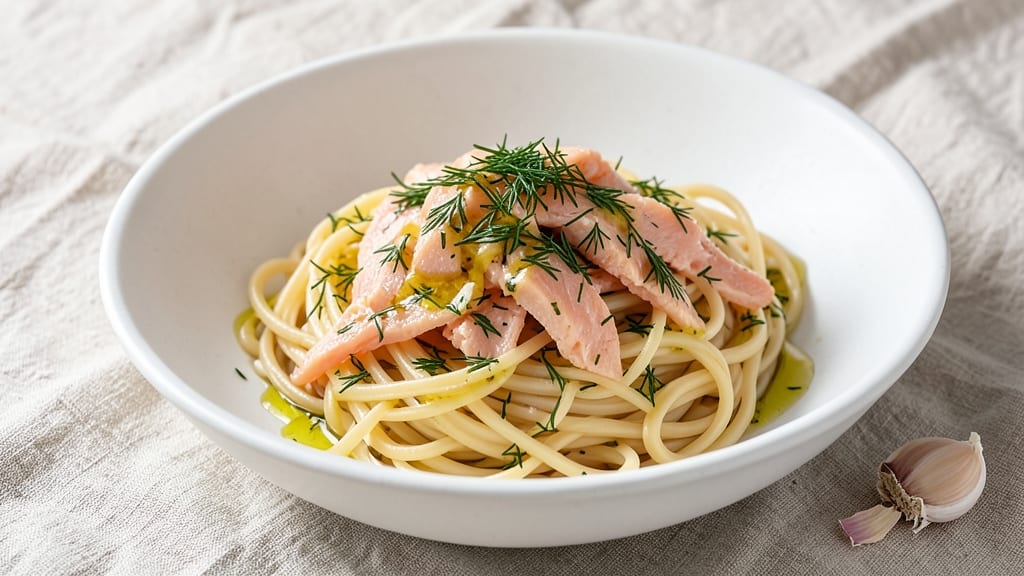
Transforming canned salmon and egg noodles into a smoky dill-packed one-pan meal proves that pantry staples can deliver restaurant-quality results with minimal effort.
This recipe combines the rich, briny flavor of salmon with the comforting texture of egg noodles, elevated by fresh dill and a touch of lemon—all while keeping prep time under 20 minutes.
The beauty lies in its simplicity: no fancy techniques, no last-minute shopping trips, just a single pan and a handful of ingredients that work together seamlessly.
What makes this dish truly special is its versatility—it’s the perfect solution for busy weeknights when you crave something hearty but don’t want to spend hours in the kitchen.
The smoky notes from the salmon pair beautifully with the egg noodles, while the bright acidity of lemon and the earthy depth of dill create a balanced flavor profile that’s both satisfying and unexpected.
This isn’t just a quick meal; it’s a foolproof way to turn simple ingredients into something memorable.
The result is a one-pan dish that’s creamy, flavorful, and packed with protein, ready in just 15 minutes of active cooking. The salmon flakes effortlessly into the noodles, creating a rich, cohesive texture, while the dill and lemon add a fresh finish that keeps the dish from feeling too heavy.
Whether you’re feeding a family or cooking for one, this recipe delivers restaurant-quality comfort without the fuss.
For added texture, consider stir-frying a handful of spinach or mushrooms into the pan during the last few minutes of cooking. A sprinkle of toasted breadcrumbs or a drizzle of sour cream can also elevate the dish further.
Let’s get started—this meal is simpler than you think, but the flavor will impress everyone at the table.
Ingredients for canned salmon and egg noodles
Pantry staples meet restaurant-quality flavor in this smoky dill-packed one-pan meal.
| Ingredient | Amount | Notes |
|---|---|---|
| Canned Salmon 🐟 | 2 cans | Wild-caught, drained, flaked |
| Egg Noodles 🍝 | 8 oz | Medium width, uncooked |
| Fresh Dill 🌿 | ½ cup | Chopped, stems removed |
| Lemon Juice 🍋 | 2 tbsp | Freshly squeezed |
| Extra-Virgin Olive Oil 🫒 | 2 tbsp | For sautéing |
| Garlic Cloves 🧄 | 3 cloves | Minced, fresh preferred |
| Smoked Paprika 🌶️ | 1 tsp | For smoky depth |
| Salt 🧂 | 1 ½ tsp | Kosher or sea salt |
| Black Pepper 🌶️ | ½ tsp | Freshly ground |
| Heavy Cream 🥛 | ½ cup | Full-fat for creaminess |
| Spinach 🍃 | 2 cups | Fresh, loosely packed |
| Sour Cream 🥛 | ¼ cup | For serving, optional |
| Toasted Breadcrumbs 🍞 | ¼ cup | For garnish, optional |
The salmon is the star here—wild-caught makes all the difference with its richer flavor and firmer texture. Trader Joe’s or Costco often carry high-quality brands like Wild Planet or Vital Choice, but any reputable canned salmon will work. Look for the word 'wild' on the label, and avoid any that smell fishy or have a strong metallic odor. Fresh dill is non-negotiable for that bright, herby punch, but if you're in a pinch, dried dill at half the amount will do. The egg noodles should be medium-width for the best texture—Barilla or De Cecco are reliable brands, but any good-quality egg noodles will work. For extra smokiness, Penzeys or local spice shops carry excellent smoked paprika, but the regular grocery store variety is fine too.
No fresh dill? Dried dill at half the amount works, but the flavor won’t be as vibrant. Swapping the heavy cream for Greek yogurt cuts calories while keeping richness. The spinach can be frozen—just thaw and drain it well before adding. For a tangier kick, add an extra tablespoon of lemon juice or a pinch of red pepper flakes. If you don’t have smoked paprika, a dash of liquid smoke or a pinch of cayenne adds depth. The breadcrumbs and sour cream are optional but recommended for that restaurant-style finish—Panko works great if you don’t have traditional breadcrumbs.
This dish reheats beautifully—store leftovers in an airtight container for up to 3 days. For extra flavor, stir in a splash of milk or broth when reheating. The lemon juice and fresh dill are best added fresh after reheating, so hold off until serving. Portion into meal prep containers for easy lunches—just add a squeeze of lemon before eating. The noodles soften when stored, so undercook them slightly if you plan to make this ahead. Freezes well for up to 2 months, though the texture may change slightly.
Why You'll Love This Recipe
- Five-Ingredient Magic: Honestly, I open the pantry and fridge, grab five things, and boom—dinner’s ready. No chopping mountains of veggies or waiting for salmon to thaw; just drain, flake, and toss with those bright lemon threads and dill.
- Bright & Tangy Bite: That zing from the lemon juice cutting through the rich salmon? It’s like a little burst of sunshine in every forkful. The olive oil ties it all together—creamy, fresh, and impossible to resist.
- Lunchbox or Leftovers: Between us, this keeps perfectly for days. Pack it cold for work lunches (the noodles hold up better than you’d think) or reheat it for a lazy Sunday—same great taste, zero fuss.
- Budget Meal That Feeds: A can of salmon and a bag of noodles stretch farther than you’d imagine. I’ve fed four people for under $10, and they all ask for seconds. (Yes, even on a Tuesday night.)
Step-by-step instructions for smoky dill-packed salmon noodles
This one-pan meal comes together faster than you'd expect with minimal prep and maximum flavor.
Cook the Egg Noodles Al Dente
Bring a large pot of salted water to a rolling boil. Add the 8 oz egg noodles and cook according to package directions for 1 minute less than recommended—you want them al dente so they finish cooking in the pan. The noodles should be tender but still offer a slight bite. Drain and set aside, reserving ½ cup of pasta water before discarding the rest.
Here's the thing—undercooking the noodles slightly prevents them from turning mushy when combined with the creamy sauce later. The reserved pasta water acts as a backup if the sauce needs thinning. Keep the drained noodles in the pot off heat while you prepare the salmon mixture.
Sauté Aromatics and Flake the Salmon
In a large skillet over medium heat, add the 2 tbsp extra-virgin olive oil. Once shimmering, add the 3 cloves minced garlic cloves and cook for 30 seconds until fragrant—not browned. Add the 2 tbsp lemon juice and 1 tsp smoked paprika, stirring to combine. The pan should smell bright and smoky.
Open the 2 cans canned salmon and flake the salmon into the skillet using a fork, breaking it into small, even pieces. Sprinkle with 1 tsp salt and 0.5 tsp black pepper, then stir to coat. Let the salmon warm through for 1-2 minutes—this ensures all the flavors meld together. The salmon should look glossy and slightly separated, not dry.
Combine Noodles and Create the Creamy Base
Add the cooked egg noodles to the skillet with the salmon mixture. Stir in the 0.5 cup heavy cream and 0.5 cup chopped fresh dill, mixing well to distribute everything evenly. Pour in the ½ cup reserved pasta water and bring to a gentle simmer over medium-low heat. Let it cook for 3-4 minutes, stirring occasionally, until the sauce thickens slightly and coats the noodles.
This is where the magic happens—the cream and pasta water create a velvety sauce that clings to every noodle. If the sauce starts to thicken too much, add another splash of pasta water. The mixture should be creamy but still coat the back of a spoon easily. Taste and adjust seasoning with additional salt or pepper if needed.
Finish with Spinach and Garnish
Reduce heat to low and stir in the 2 cups spinach, folding it into the noodle mixture until just wilted—about 1-2 minutes. The spinach should soften completely but still retain a vibrant green color. Remove the skillet from heat and let it sit for 1 minute to allow flavors to meld.
To serve, divide the noodles among four plates. Dollop each portion with 0.25 cup sour cream and sprinkle with 0.25 cup toasted breadcrumbs for added texture. The breadcrumbs add a subtle crunch that contrasts beautifully with the creamy, smoky noodles. Serve immediately while warm for the best texture and flavor.
Pro Tips For Making Canned Salmon And Egg Noodles
- Drain and rinse the salmon: Canned salmon is packed in water or oil, and that liquid makes the dish soggy. Drain it well, then rinse the flakes under cold water to remove any residual salt or oil—this keeps your noodles from turning into a mushy mess. (Yes, even if you’re impatient to eat.)
- Cook noodles al dente, then shock them: Egg noodles cook faster than you think, and overcooking turns them into glue. Pull them out when they’re just firm to the bite, then plunge them into ice water for 30 seconds to stop cooking. This keeps them from turning to mush when you toss them with the salmon later.
- Toast the dill in the oil: Fresh dill loses its bright flavor if you add it raw. Heat a drizzle of olive oil in the pan first, then toss in the dill for 10 seconds until it fragrant—this wakes up its flavor and makes the whole dish taste more vibrant. (I learned this the hard way after serving bland salmon.)
- Finish with lemon juice last: Acid kills the olive oil’s richness, so add the lemon juice after everything else is in the bowl. If you mix it in too early, the oil separates and the dish tastes flat. A squeeze at the end brightens every bite without ruining the texture.
Creative variations of this dish
Asian-Inspired Sesame-Ginger Twist
Swap the smoked paprika for 1 tbsp toasted sesame oil and 1 tsp grated fresh ginger to transform this dish into an Asian-inspired bowl.
Add 1 tbsp soy sauce and 1 tsp honey when combining the noodles, then stir in 2 tbsp chopped green onions and 1 tbsp sesame seeds at the end. Serve with a side of steamed jasmine rice for extra heartiness. 🌶️
Mediterranean Lemon-Herb Version
Brighten the dish with 1 tsp dried oregano and 1 tsp dried thyme instead of smoked paprika. Replace the heavy cream with ½ cup Greek yogurt and finish with ¼ cup chopped Kalamata olives and 2 tbsp crumbled feta cheese.
A squeeze of extra lemon juice right before serving ties all the flavors together beautifully. 🍋
Spicy Cajun Heat Kick
For a bold Cajun-inspired twist, add ½ tsp cayenne pepper and ½ tsp Cajun seasoning (like Tony Chachere’s) when sautéing the garlic. Stir in ½ cup diced bell peppers and ¼ cup chopped red onion with the spinach.
Top with 2 tbsp chopped fresh parsley and a dollop of hot sauce for extra heat. ⚡
Vegetarian Mushroom Swap
Skip the salmon entirely and replace it with 12 oz sliced mushrooms (cremini or shiitake) sautéed in the olive oil until golden. Use 1 tbsp nutritional yeast to add a cheesy, umami depth instead of heavy cream.
Garnish with 2 tbsp chopped parsley and a sprinkle of Parmesan cheese for a satisfying vegetarian alternative. 🌱
Smoky Maple-Glazed Option
Add 1 tbsp pure maple syrup and ½ tsp liquid smoke when combining the noodles for a sweet-savory twist. Top with 2 tbsp chopped pecans and a drizzle of honey before serving. This variation works especially well with a side of roasted sweet potatoes for a fall-inspired meal. 🍁
Crispy Panko Crust
For an extra-crunchy finish, mix ¼ cup panko breadcrumbs with 1 tbsp melted butter and 1 tsp smoked paprika, then sprinkle over the noodles in the pan before the final 2 minutes of cooking.
The panko will toast beautifully, adding a crispy texture that contrasts perfectly with the creamy noodles. 🍞
Nutrition facts
Frequently asked questions
Can I use frozen salmon instead of canned?
Fresh or frozen salmon works beautifully, but you'll need to cook it separately first. Pan-sear or bake 2 frozen salmon fillets (about 6 oz each) until fully cooked (145°F internal temp), then flake directly into the noodles. Just reduce the heavy cream to ¼ cup to balance the extra moisture from cooking the fish separately.
How do I make this dish lighter?
Swap the heavy cream for ½ cup Greek yogurt and use 1 tbsp lemon juice instead of 2 tbsp to cut calories while keeping creaminess. Add 1 cup chopped zucchini or mushrooms for extra volume. For a vegan option, use ½ cup unsweetened almond milk plus 1 tbsp nutritional yeast for depth. The dish will still be flavorful but with 200-300 fewer calories per serving.
What if I don't have fresh dill?
No problem! Use 1 tsp dried dill (about ¼ cup fresh equivalent) or swap for 1 tbsp chopped fresh parsley or chives. For a Mediterranean twist, try 1 tsp dried oregano instead. The flavor won't be identical, but it'll still taste delicious. Just remember to adjust other herbs accordingly to avoid overpowering the dish.
Can I make this ahead of time?
Yes, but with a few key adjustments. Cook the noodles and salmon mixture completely, then store in an airtight container in the fridge for up to 3 days. Reheat gently with a splash of water or broth to restore creaminess. Hold off adding fresh dill and lemon until serving to keep flavors vibrant. For freezing, portion into single-serving containers and freeze for up to 2 months.
Why does my sauce get too thick?
This usually happens when the pasta water evaporates too quickly. Always reserve ½ cup pasta water when draining noodles—it's your secret weapon! If the sauce thickens unexpectedly, simply add 1-2 tbsp reserved water or a splash of milk/broth. Cooking on medium-low heat prevents rapid evaporation. The sauce should coat the back of a spoon but remain pourable.