
Sauces & Condiments
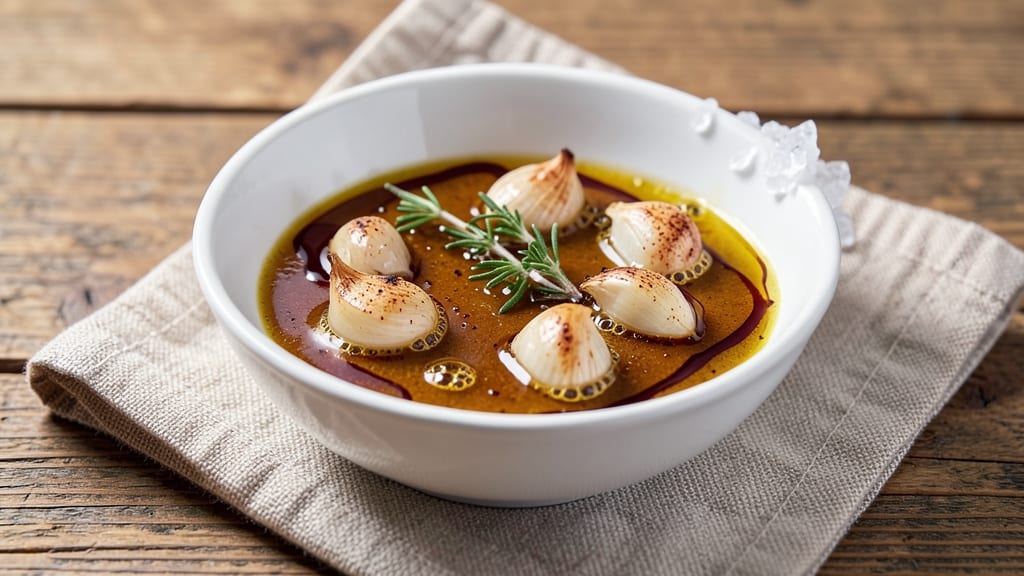
Creating a CFA sauce recipe that balances smoky depth with bright acidity transforms ordinary dishes into something extraordinary—whether you're drizzling it over grilled meats or using it as a table sauce.
This blend of garlic, balsamic, and carefully chosen spices delivers a restaurant-quality finish that elevates any protein, and it only takes 15 minutes to make. The key lies in simmering the ingredients just long enough to develop those rich, caramelized notes without overpowering the natural flavors.
What makes this sauce truly special is its versatility—it works as a marinade, a finishing drizzle, or a dip for bread, all while keeping the preparation simple. You’ll need just 6 ingredients and a stovetop, making it perfect for home cooks who want professional results without complicated techniques.
The smoky garlic base builds a robust foundation, while the balsamic adds a touch of sweetness that rounds out the flavors beautifully.
By the time you’re done, you’ll have a glossy, aromatic sauce with a perfect balance of tangy, smoky, and slightly sweet notes. It clings beautifully to grilled chicken, steak, or even roasted vegetables, adding layers of complexity with minimal effort.
This isn’t just a sauce—it’s a flavor multiplier that turns simple meals into standout dishes.
The best part? It keeps well in the refrigerator for up to 2 weeks, so you can make a big batch and use it throughout the week. Whether you’re hosting a barbecue or just craving something extra special for dinner, this sauce delivers every time. Let’s get started!
Ingredients for cfa sauce
Six ingredients, fifteen minutes, restaurant-quality sauce that transforms grilled meats into showstoppers.
| Ingredient | Amount | Notes |
|---|---|---|
| Extra-Virgin Olive Oil 🫒 | ½ cup | High-quality, peppery variety preferred |
| Garlic Cloves 🧄 | 6 whole | Freshly minced for maximum aroma |
| Balsamic Vinegar 🍷 | ¼ cup | Aged, dark variety for depth |
| Smoked Paprika 🌶️ | 1 tsp | For authentic smoky flavor |
| Fresh Thyme Leaves 🌿 | ¼ cup | Finely chopped, stems removed |
| Diamond Crystal Kosher Salt 🧂 | ½ tsp | Adjust to taste for balance |
| Red Wine Vinegar 🍷 | 1 tbsp | Brightens the smoky base |
The garlic is your flavor anchor—roast it first in olive oil for 5 minutes until golden to deepen that smoky sweetness. Grab the freshest garlic you can find (the kind with tight skins), and if you're feeling fancy, Whole Foods or local farmers markets have the best. Smoked paprika is non-negotiable here—Penzeys or McCormick Gourmet brands deliver that authentic campfire taste. Fresh thyme? Trader Joe's sells it in those little jars, but even the grocery store's plastic container works—just make sure the leaves are vibrant green, not wilted. Balsamic vinegar should be aged and syrupy—look for 'extra aged' labels at specialty stores or online.
No smoked paprika? Liquid smoke at half the amount works in a pinch (trust me, it's a game-changer). Fresh thyme too expensive? Dried thyme at one-third the quantity gets you close—just toast it in the pan first. Running low on balsamic? Substitute with 1 tbsp honey plus 1 tbsp red wine vinegar for similar sweet-tangy balance. The red wine vinegar can be swapped for apple cider vinegar if that's what you've got, though it'll have a slightly different brightness. And if you're using a high-quality extra-virgin olive oil (like California Olive Ranch), you might want to reduce the salt slightly—good olive oil already has natural sodium.
This sauce is a flavor multiplier, so make a double batch—it keeps beautifully in an airtight jar in the fridge for 2 weeks (yes, really). For longer storage, freeze in ice cube trays—just thaw and stir before using. The flavors actually improve overnight as everything melds together. Drizzle it over grilled chicken, toss with roasted potatoes, or serve it as a dipping sauce for crusty bread. Pro tip: If it thickens too much, just whisk in a splash of warm water. It reheats perfectly, so leftovers are just as delicious as the first batch.
Why You'll Love This Recipe
- No-Fuss Pantry Magic: This sauce lives in your cupboard. No specialty trips—just olive oil, garlic, and that one bottle of balsamic you’ve had for ages. I swear, the smoked paprika alone makes it taste like a restaurant’s secret.
- Umami Bomb in Minutes: That deep, slow-simmered balsamic and garlic combo? It’s ridiculous. The thyme brightens it just enough to cut through the richness, and the smoked paprika adds this smoky whisper—like someone sprinkled a little campfire into your dish.
- Weeknight to Dinner Party: Slather it on grilled chicken for a Tuesday night, drizzle it over roasted veggies for a potluck, or toss it with pasta when unexpected guests show up. It’s the sauce that turns “meh” into “wow” without breaking a sweat.
- Leftovers That Lie: Make a double batch—it keeps for weeks in the fridge, and the flavor actually improves as it sits. I’ve reheated this stuff cold straight from the jar and still gotten compliments. (Yes, even on a Tuesday.)
Step-by-step instructions for smoky garlic-balsamic blend
This sauce transforms simple ingredients into a bold, aromatic masterpiece perfect for grilled meats or drizzled over salads.
Infuse the Olive Oil with Garlic and Thyme
Heat the 0.5 cup extra-virgin olive oil in a small saucepan over medium-low heat until it shimmers lightly—just enough to release the garlic's aroma without burning. Add the 6 whole garlic cloves and 0.25 cup fresh thyme leaves, stirring gently to coat the herbs in the oil. Let them infuse for 3-4 minutes until the garlic turns golden and fragrant, but never browns. This step builds the sauce's aromatic foundation.
Here's the thing—don't rush this part. The garlic should soften slightly but maintain its shape. If it darkens too quickly, reduce the heat immediately. Strain the oil through a fine-mesh sieve into a clean bowl, pressing gently to extract every drop of flavor. Reserve the infused oil for the next step—it's the heart of your sauce.
Build the Vinegar Base with Smoked Paprika
Return the strained oil to the same saucepan and increase the heat to medium. Add the 1 tsp smoked paprika, stirring constantly for 30 seconds to toast the spices and deepen their flavor. This is where the sauce gets its signature smoky character—don't skip this step, even if it seems minor.
Next, pour in the 0.25 cup balsamic vinegar and 1 tbsp red wine vinegar, letting the mixture bubble gently for 2-3 minutes until the vinegars reduce slightly and the aroma becomes rich and complex. You'll notice the sauce thicken just a bit—this reduction concentrates the flavors. If it starts to smoke, lower the heat immediately to avoid bitterness.
Season and Simmer to Perfection
Stir in the 0.5 tsp diamond crystal kosher salt, tasting as you go to balance the acidity. Let the sauce simmer gently for 5-7 minutes until it reaches your desired consistency—it should coat the back of a spoon but still flow smoothly. The sauce will thicken further as it cools, so aim for a slightly thinner texture now.
For the ultimate finish, remove the pan from heat and let the sauce rest for 2 minutes. This resting period allows the flavors to meld completely. Taste again and adjust the seasoning if needed—perhaps a pinch more salt or a splash of water to loosen it. The sauce should be vibrant, smoky, and perfectly balanced between sweet, tangy, and savory notes.
Cool and Store for Maximum Flavor
Transfer the sauce to a clean jar or airtight container, letting it cool to room temperature. The flavors will deepen as it sits, developing a complex harmony that's impossible to achieve when hot. This sauce keeps beautifully in the refrigerator for up to 2 weeks, making it an excellent pantry staple for quick meals.
Use it immediately on grilled meats, drizzled over roasted vegetables, or as a finishing touch for pasta. The key to its versatility lies in its balance—smoky without overpowering, tangy without being harsh, and rich without being heavy. Each time you use it, the flavors will evolve, becoming even more nuanced with age.
Pro Tips For Making Cfa Sauce
- Bloom the Garlic Slowly: I learned this the hard way—tossing minced garlic into hot oil at full blast turns it bitter fast. Instead, add your cloves whole, crush them lightly with the flat of your knife, then let them sizzle on medium-low for 3-4 minutes until golden but not browned. That’s when the sweetness comes out.
- Toast the Paprika First: Smoked paprika loses its depth if you just stir it in cold. Heat your olive oil until shimmering (not smoking), then add the paprika and let it bloom for 30 seconds—just until it smells like a campfire. This makes a real difference in flavor.
- Deglaze with Warm Vinegar: Cold balsamic vinegar shocks the pan and dulls the sauce. Warm it slightly in a separate cup (just enough to steam) before pouring it in. The sauce will emulsify smoother and won’t separate when you add the thyme later.
- Strain the Thyme, Keep the Oil: Fresh thyme leaves add aroma, but they turn the sauce into a garnish if left in. After simmering, strain through a fine-mesh sieve, then press the leaves with a spoon to extract every last drop—don’t waste that infused oil.
Essential equipment for great cfa sauce
Small Saucepan
I swear by a 3-quart stainless steel saucepan for this recipe—it’s the perfect size for controlling heat and preventing splattering. The All-Clad Stainless Steel Saucepan (1.5-quart) is my go-to because it heats evenly and handles the vinegar reduction beautifully.
If you’re on a budget, a Cuisinart MultiClad Pro works just as well and won’t break the bank. Avoid non-stick pans for this sauce; stainless steel is essential for developing the smoky depth through proper heat conduction. 🌡️
Fine-Mesh Sieve
A fine-mesh sieve is non-negotiable for straining the infused oil—it catches even the tiniest garlic bits and thyme stems, ensuring your sauce is silky smooth. The OXO Good Grips Strainer is my favorite because it’s durable and easy to clean.
If you don’t have one, a cheesecloth works in a pinch, but it’s messier and harder to rinse. Pro tip: Press the solids gently with a spoon to extract every last drop of flavor from the oil. This step makes all the difference in texture and clarity. 🧂
Whisk for Emulsification
While not strictly necessary, a balloon whisk helps blend the sauce seamlessly if you decide to thin it with water or extra vinegar later. The Meridian 12-inch Balloon Whisk is lightweight and gets the job done without splashing.
If you’re stirring by hand, use a long-handled wooden spoon—it gives you better control over the heat and prevents burning. The whisk is especially useful if you’re making a larger batch and need to ensure even consistency throughout. 🔄
Measuring Spoons
Precision matters with spices like smoked paprika and kosher salt, so invest in a set of stainless steel measuring spoons—they’re more accurate than plastic and won’t rust. My OXO Good Grips Measuring Spoons have ergonomic handles that make scooping and leveling effortless.
For the red wine vinegar and balsamic vinegar, a 1-tablespoon and ¼-cup measure are essential. Don’t eyeball it; even small variations can throw off the sauce’s balance. 📏
Air-Tight Storage Jar
Once your sauce cools, transfer it to an airtight glass jar—I recommend Le Parfait 16-ounce jars for their tight-sealing lids and durability. Glass preserves the sauce’s flavor better than plastic and won’t absorb odors from your fridge.
Label the jar with the date to track freshness; this sauce keeps for 2 weeks in the fridge or 3 months in the freezer (portion it into ice cube trays for easy thawing).
A vacuum sealer isn’t necessary but extends shelf life even further if you’re prepping a big batch. ❄️
Thermometer (Optional but Helpful)
If you’re a perfectionist like me, a candy or instant-read thermometer ensures you nail the ideal simmering temperature—around 180-190°F for this sauce. The ThermoWorks Thermapen ONE is my top pick for its speed and accuracy, but even a budget OXO Bluetooth Thermometer works.
Monitoring the temperature helps prevent over-reduction or scorching, especially when adding the vinegars. It’s an optional upgrade, but it takes the guesswork out of achieving that restaurant-quality consistency. 🌡️
Nutrition facts
Frequently asked questions
What dishes pair best with this smoky garlic-balsamic blend?
This sauce shines on grilled meats like chicken or steak, but it also elevates roasted vegetables, pasta dishes, and even sandwiches. For extra impact, drizzle it over seared scallops or use it as a marinade for shrimp before grilling. The smoky-sweet balance works surprisingly well with creamy textures too—try it on mashed potatoes or polenta.
Can I make this sauce without smoked paprika?
Yes! For a similar effect, use ½ teaspoon liquid smoke mixed with ½ teaspoon regular paprika (toast it first for depth). If you're avoiding all smoked flavors, boost the garlic to 8 cloves and add ¼ teaspoon black pepper for complexity. The sauce will still taste rich, just with a different character.
Why did my sauce turn bitter?
Overcooking the vinegar base or burning the garlic are the most common causes. Keep heat at medium-low throughout and never let the sauce smoke. If it's already bitter, balance it with 1 teaspoon honey or ½ teaspoon sugar while warm—this rounds out the harshness beautifully. Stir well and let it cool before tasting again.
How do I adjust the thickness for different uses?
For a thinner consistency (drizzling), whisk in 1 tablespoon warm water at a time until smooth. For a thicker version (dipping sauce), simmer uncovered for 2-3 extra minutes to reduce further. The sauce will naturally thicken as it cools, so adjust while warm for immediate results. A splash of vinegar can also help thin it without altering flavor.
Is this sauce gluten-free or dairy-free?
This recipe contains no gluten or dairy ingredients. The sauce is naturally vegan and safe for most dietary restrictions. Just double-check your smoked paprika and vinegars for hidden additives if you're highly sensitive. The creamy texture comes from the olive oil and vinegar reduction, not dairy products.