
Breakfast & Brunch
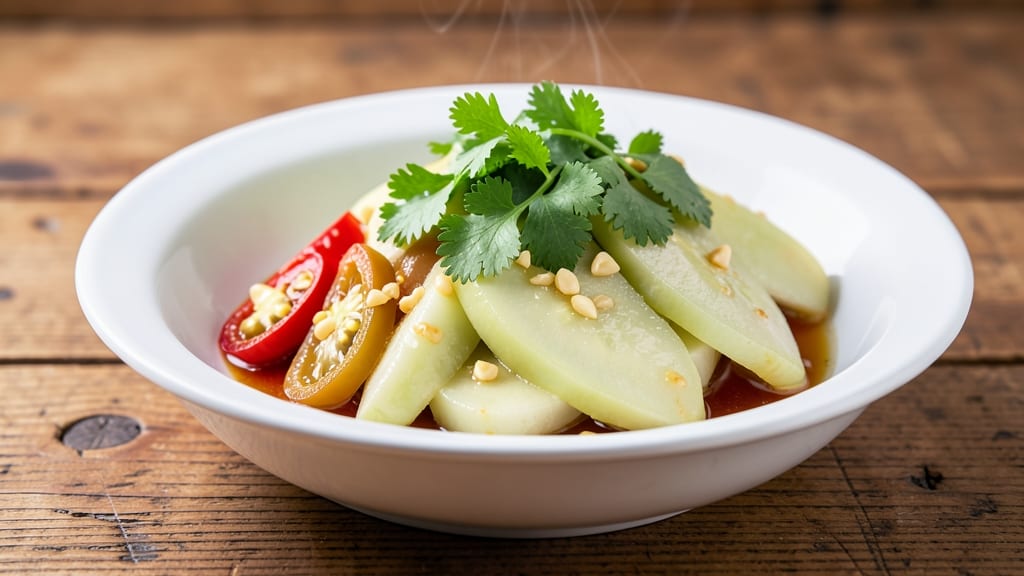
This chayote cooking recipe transforms a humble vegetable into a vibrant morning boost that adds zesty crunch to any breakfast plate. The secret lies in the perfect balance of vinegar, citrus, and fresh herbs that preserve the chayote's crisp texture while infusing it with bright, tangy flavor.
I developed this method after discovering how chayote's mild, slightly sweet taste pairs beautifully with acidity—creating a dish that's both refreshing and satisfying.
The beauty of this recipe is its simplicity: just 15 minutes of prep and 30 minutes of pickling time yield a dish that's ready to elevate your breakfast routine.
Thinly sliced chayote absorbs the zesty marinade quickly, while the addition of garlic and jalapeño adds depth without overpowering the natural flavor. This isn't just a side—it's a complete dish that works as a standalone appetizer or pairs perfectly with eggs, avocado, or toasted bread.
What you'll end up with is a crisp, tangy chayote salad that's packed with texture and flavor—bright enough to cut through rich breakfast foods while adding a refreshing contrast. The pickling process preserves the chayote's natural crunch, ensuring every bite delivers that satisfying crunch.
This recipe is perfect for meal preppers, busy mornings, or anyone looking to add a fresh, vibrant element to their breakfast table.
Whether you're serving it alongside scrambled eggs or using it as a topping for brunch dishes, this quick-pickled chayote brings a restaurant-quality touch to your home cooking. Let's get started with this bright, flavorful recipe that's as easy as it is impressive.
Ingredients for chayote cooking
Twelve simple ingredients transform chayote into a vibrant, tangy breakfast centerpiece that balances crisp texture with bright acidity.
| Ingredient | Amount | Notes |
|---|---|---|
| Fresh Chayote 🥒 | 2 whole | Peeled, thinly sliced lengthwise |
| White Vinegar 💧 | 1 cup | Distilled preferred for clarity |
| Lemon Juice 🍋 | ½ cup | Freshly squeezed, no pulp |
| Garlic Cloves 🧄 | 4 cloves | Minced, for aromatic depth |
| Jalapeño Pepper 🌶️ | 1 whole | Seeded, finely chopped |
| Fresh Cilantro 🌿 | ¼ cup | Chopped stems included |
| Diamond Crystal Kosher Salt 🧂 | 1 ½ tsp | Fine grain for even distribution |
| Granulated Sugar 🍚 | 1 tbsp | White sugar for balance |
| Extra-Virgin Olive Oil 🫒 | 2 tbsp | Light fruity variety |
| Red Wine Vinegar 🍷 | ½ tbsp | For subtle complexity |
| Black Peppercorns 🌶️ | ½ tsp | Freshly cracked for aroma |
| Fresh Lime Zest 🍋 | 1 tsp | Only zest, no juice |
| Fresh Mint Leaves 🌿 | ⅛ cup | Minced for brightness |
The chayote selection is critical—look for firm, unblemished vegetables with smooth skins. Latin markets often carry the freshest varieties, though well-stocked grocery stores like Whole Foods or Trader Joe's typically stock them. Avoid chayotes with soft spots or wrinkled skin, as these indicate age and diminished texture. For optimal results, choose chayotes that are approximately 4-6 inches in length, as they provide the best balance of size and flavor. Store unpeeled chayotes in the refrigerator for up to 2 weeks—they'll keep their crispness longer than you might expect.
White vinegar can be substituted with apple cider vinegar for a slightly sweeter profile, though the pickling process will be marginally less crisp. Fresh lemon juice is non-negotiable—bottled versions lack the bright acidity needed to properly set the texture. No jalapeño? Substitute with 0.5 tsp cayenne pepper for heat, though the dish will lose some of its textural contrast. Cilantro and mint can be swapped for flat-leaf parsley if unavailable, though the flavor profile will be more subdued. For those avoiding citrus entirely, 1 tbsp rice vinegar plus 1 tbsp honey creates a similar tang without the zesty brightness.
This quick-pickled chayote maintains its crisp texture for 5-7 days when stored in an airtight container in the refrigerator. The marinade will develop deeper flavor over time, so resist the urge to eat it all at once. For meal prep, portion into small glass jars—they're perfect for single servings and keep the chayote submerged in the tangy marinade. Freezing isn't recommended as it compromises the chayote's satisfying crunch. If making ahead, prepare the marinade separately and combine with the chayote just before serving to preserve maximum freshness.
Why You'll Love This Recipe
- No-Chop Sauté: I swear by this trick—just slice the chayote in half, scoop out the seeds with a spoon, and dice the flesh. No peeling, no fuss. That vinegar and lemon brighten it up in minutes, so you’re not stuck staring at a cutting board.
- Zesty Kick Combo: The garlic and jalapeño sing together—sweet, sharp, and just a little heat. Honestly, the vinegar’s tang cuts through the chayote’s mildness, making every bite feel fresh and lively, like a summer salsa but with texture.
- Lunchbox Hero: Between us, this keeps perfectly for days in the fridge. Pack it cold in wraps or toss it warm over rice—my kids grab it for school lunches, and my husband sneaks it straight from the container. (Yes, even on a Tuesday night.)
- Pantry Stretch: Chayote’s cheap, and these ingredients? You’re probably missing just one thing in your fridge. No specialty items, no last-minute grocery runs—just what you’ve got, turned into something that tastes like you put in effort.
Step-by-step instructions for quick-pickled chayote
Here's a straightforward method for bright, tangy pickled chayote that delivers restaurant-quality flavor in under 30 minutes.
Prepare the Chayote for Pickling
Begin by peeling the 2 whole fresh chayote using a vegetable peeler, removing the skin completely while preserving the shape. Cut each chayote lengthwise into thin slices—about ⅛-inch thick—using a sharp chef's knife. You'll want uniform slices to ensure even pickling. As you slice, place them in a colander and rinse under cold water to remove any residual starch that could make the pickles cloudy.
Arrange the sliced chayote on a clean kitchen towel and pat dry thoroughly. This step is crucial for achieving crisp pickles—any moisture left on the slices will dilute your brine and result in a softer texture. For best results, work quickly to prevent the chayote from browning while you prepare the remaining ingredients.
Create the Flavorful Brine
In a medium bowl, combine the 1 cup white vinegar, 0.5 cup lemon juice, 1 tbsp granulated sugar, 1.5 tsp diamond crystal kosher salt, 0.5 tbsp red wine vinegar, and 1 tsp fresh lime zest. Whisk vigorously until the sugar and salt are completely dissolved and the mixture becomes clear. This creates a balanced brine with bright acidity and subtle sweetness.
Add the 4 minced garlic cloves, 1 finely chopped jalapeño pepper (seeds removed for mild heat), 0.25 cup chopped fresh cilantro, and 0.125 cup minced fresh mint leaves to the bowl. Stir gently to distribute the aromatics evenly. The garlic and jalapeño will infuse their flavors into the brine, while the herbs will add freshness. Let the mixture sit for 5 minutes to allow the flavors to meld together.
Combine and Infuse the Pickles
Transfer the sliced chayote to a clean quart-sized mason jar, packing the slices tightly but not overlapping them. Pour the prepared brine over the chayote, ensuring each slice is fully submerged. Add the 2 tbsp extra-virgin olive oil on top, which will create a protective layer that enhances the texture and adds richness.
Sprinkle the 0.5 tsp freshly cracked black peppercorns over the oil before sealing the jar with its lid. The peppercorns will add subtle heat and aroma as they infuse during the pickling process. Gently tap the jar on the counter to help any air bubbles rise to the surface and pop. Let the jar sit at room temperature for 10 minutes to allow the flavors to begin melding.
Refrigerate and Rest for Optimal Flavor
Place the sealed jar in the refrigerator and let it rest for at least 2 hours, though overnight yields the most vibrant flavor. The chayote will absorb the tangy, herby brine, developing a crisp texture and bright, zesty taste. After 2 hours, give the jar a gentle shake to redistribute any settled flavors.
For best results, allow the pickled chayote to develop for up to 48 hours before serving. The longer it sits, the more the flavors will meld, but even after just a few hours, you'll have a refreshing, crunchy addition to breakfasts, salads, or tacos. Store in the refrigerator for up to 2 weeks, though the flavor peaks after 3-5 days.
Pro Tips For Making Chayote Cooking
- PEEL THINLY, NOT THICK: The skin’s tough but edible—if you’re peeling, slice off just the top layer with a knife instead of hacking through it. I used to go heavy-handed and waste half the chayote; now I save time and texture.
- VINEGAR FIRST, THEN LEMON: Add white vinegar to the pan before the chayote hits the heat—it softens faster and keeps the texture crisp instead of mushy. Lemon juice comes later; it brightens but doesn’t play well with high heat.
- SALT THE GARLIC: Toss minced garlic in a pinch of salt before cooking—it prevents burning and makes the flavor pop. I learned this the hard way when my jalapeños turned bitter from overcooked, charred garlic.
- CHAR THE PEPPER: Sear the jalapeño (seeds out if you hate heat) in oil for 30 seconds before adding it to the chayote—it adds smoky depth without overpowering. Skip this, and you’re just getting raw pepper flavor.
Wine and beer pairings for these flavors
Citrus-Forward Whites
Chayote's bright, slightly sweet flavor pairs beautifully with crisp, citrusy whites that enhance its natural acidity. A Sauvignon Blanc from New Zealand—like Kim Crawford's "Sauvignon Blanc"—is my go-to choice.
The grape's zesty lime and green apple notes mirror the chayote's tangy profile, while its herbal undertones complement the cilantro and mint in the recipe. Serve it slightly chilled (45-48°F) to preserve its refreshing qualities. 🍋
Light-Bodied Reds
For those who prefer red wine, a Pinot Noir from Oregon's Willamette Valley offers an unexpected but harmonious match. Look for a Domaine Serene "Pinot Noir" with its bright red fruit and subtle earthiness—it won't overpower the chayote's delicate crunch.
The wine's acidity balances the pickling brine, while its silky texture contrasts nicely with the chayote's crispness. Decant for 30 minutes before serving to soften its tannins.
Crisp Beer Pairings
A Mexican lager like Modelo Especial or Pacifico bridges the gap between the dish's Latin roots and its breakfast-friendly nature. The beer's clean, slightly malty profile lets the chayote's flavors shine while adding a refreshing effervescence.
For a craft option, try a Belgian witbier like Hoegaarden—its coriander and citrus notes echo the recipe's herbal and tangy elements. Serve the beer ice-cold (38-40°F) to cut through the richness.
Non-Alcoholic Options
For a refreshing non-alcoholic match, sparkling limeade made with San Pellegrino and fresh lime juice works wonders. Add a splash of coconut water for a tropical twist that complements the chayote's subtle sweetness.
Alternatively, a ginger beer like Feather's brings a spicy kick that pairs beautifully with the jalapeño in the recipe. Both options should be served over ice for maximum refreshment. 💦
Flavor-Enhancing Garnishes
Elevate your pairing by garnishing the dish with a lime wedge or cilantro sprig before serving. The citrus brightens the wine or beer, while the herb adds a fresh, aromatic touch.
For beer pairings, a pinch of Tajín on the rim of the glass enhances the chayote's tangy profile. These small touches create a cohesive dining experience that lets every element shine.
Nutrition facts
Frequently asked questions
Can I use chayote raw in other dishes?
Raw chayote has a mild, slightly sweet flavor that works beautifully in salads, ceviche, or as a crunchy topping for tacos. Just peel and thinly slice it first—its texture is firmer than cooked chayote, so it adds a satisfying bite. For ceviche, marinate the slices in lime juice for 10 minutes to soften slightly before mixing with fish or shrimp.
How do I store unpeeled chayote?
Store whole, unpeeled chayote in the refrigerator for up to 2 weeks in a plastic bag with a paper towel to absorb excess moisture. The skin helps preserve freshness, and the vegetable stays crisp longer than peeled chayote. If storing peeled or cut chayote, keep it submerged in cold water in an airtight container for 3-4 days.
What if my pickled chayote turns mushy?
Mushiness happens when chayote absorbs too much liquid or sits too long in the brine. To fix it, drain the slices and pat them dry before serving. For future batches, ensure slices are completely submerged in fresh brine and refrigerate within 24 hours. Also, use younger chayotes—they hold their texture better than older, starchy ones.
Can I make this recipe without vinegar?
While vinegar is key for pickling, you can substitute with 1 cup lemon juice plus 1 tbsp honey for a sweeter, less tangy version. The texture will be softer, but it still delivers bright flavor. For fermentation (like sauerkraut-style chayote), use 2% salt by weight and let it sit at room temperature for 3-5 days.
How can I use up extra pickled chayote?
Get creative! Toss it into grain bowls, fold into scrambled eggs, or blend into salsas for a tangy kick. It also makes a great topping for grilled fish or avocado toast. For a quick snack, mix with cottage cheese and herbs. The pickled chayote keeps its crunch even after reheating—just drain it well first.