
Main Courses
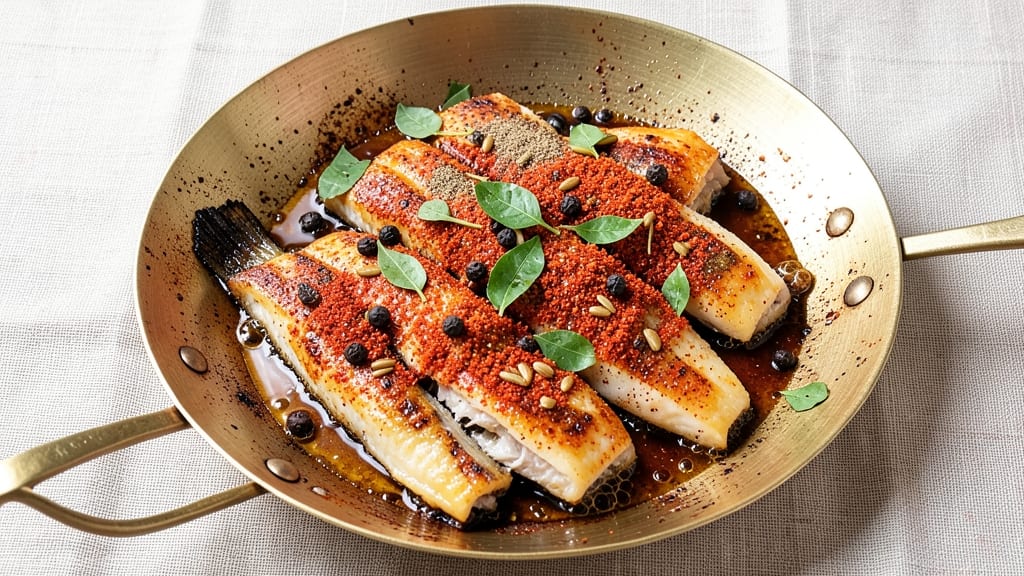
This Chettinad fish fry recipe delivers the bold, aromatic punch of South India’s most beloved coastal dish—crispy, spice-crusted fish that shatters at every bite. The secret lies in Chettinad’s signature blend of black pepper, fennel seeds, and curry leaves, which transform ordinary fish into a fiery, fragrant masterpiece.
I’ve perfected the double-frying technique here, ensuring a golden crust that stays crisp even after resting.
The beauty of this recipe is its balance—20 minutes from start to finish, yet packed with layers of flavor that make it feel like a restaurant centerpiece. The spice marinade not only seasons but also tenderizes the fish, while the final fry creates that addictive crunch.
No shortcuts here: every step, from grinding the spices to the precise double-frying, is essential for that signature Chettinad texture.
What you’ll end up with is a plate of golden, shatteringly crisp fish that crackles with every bite, its interior flaky and infused with smoky, peppery heat. Serve it with steamed rice, a cooling coconut chutney, or a tangy sambar to round out the meal.
The aroma alone will draw everyone to the table—this is the kind of dish that turns weeknight dinners into celebrations.
Perfect for spice lovers who crave both heat and crunch, this recipe scales effortlessly for gatherings or solo indulgence. The spice blend keeps well, so you can make it ahead and store it for up to a month. Let’s get cooking—your taste buds are in for a treat.
Ingredients for chettinad fish fry
Bold spices and crispy texture come from these 14 essential ingredients—no shortcuts needed.
| Ingredient | Amount | Notes |
|---|---|---|
| Whole White Fish Fillets 🐟 | 1 ½ lb | Firm white fish like cod or snapper |
| Black Peppercorns 🌶️ | 2 tbsp | Freshly cracked for maximum heat |
| Fennel Seeds 🌿 | 1 tbsp | Toasted lightly for aroma |
| Curry Leaves 🍃 | ½ cup | Fresh, dried as substitute |
| Red Chili Powder 🌶️ | 1 tbsp | Adjust for spice preference |
| Garam Masala Powder 🌶️ | 1 tsp | Whole spices preferred |
| Turmeric Powder 🧅 | ½ tsp | Fresh root for vibrant color |
| Asafoetida Powder 🌿 | ¼ tsp | Essential for authentic flavor |
| All-Purpose Flour 🌾 | ½ cup | For batter coating |
| Cornstarch 🌾 | ¼ cup | For extra crispiness |
| Vegetable Oil 🫒 | 2 cups | High smoke point preferred |
| Lemon Juice 🍋 | 2 tbsp | Freshly squeezed |
| Salt 🧂 | 1 tsp | Kosher or sea salt |
| Coconut Oil 🥥 | 1 tbsp | For final brushing |
The spices make or break this dish. Fresh curry leaves are non-negotiable—they carry that signature aroma. Look for them at Indian grocery stores or order online; Madras Curry Leaf is the gold standard. For black peppercorns, Tellicherry variety delivers the boldest heat. Toast your fennel and garam masala lightly in a dry pan first—this releases their oils and deepens the flavor. Penzeys Spices or local Indian markets are your best bets for quality whole spices. If you can't find asafoetida (hing), substitute with 1/4 tsp mustard seeds, though it won't be identical.
No fresh curry leaves? Dried works at double the amount, but the flavor won't be the same. Short on time? Curry leaf powder from Indian stores is a decent alternative. For the fish, cod or snapper are ideal—they stay firm during frying. If using tilapia, pat it bone-dry first to prevent splattering. The cornstarch is key for that signature crunch; don't skip it. For oil, vegetable or canola work best—they're stable at high heat. If you're concerned about fumes, use a well-ventilated area or outdoor grill for frying. The lemon juice should be freshly squeezed—bottled won't cut it here.
This recipe reheats poorly—eat it fresh. Store any leftover spice mix in an airtight container for up to 1 month. The fish itself keeps 1 day in the fridge if stored properly, though it's best served immediately. For the oil, reuse once for another fry, then discard. The double-frying technique means you'll need two batches of oil—plan accordingly. If making ahead, marinate the fish in spices for 30 minutes before frying for maximum flavor penetration.
Why You'll Love This Recipe
- I’ll be real: fresh fish can be pricey, but this recipe makes the most of every fillet. The spices stretch the flavor, and leftovers reheat beautifully—crispy edges intact—so you’re not stuck eating sad fish the next day.
- One-Pan Magic: I swear by this trick—just toss the fish fillets with whole peppercorns and fennel seeds, let them sizzle in their own juices. No chopping, no mess, and the spices toast right into the pan for that deep, aromatic kick.
- Spice Symphony: Between us, that combo of black peppercorns and curry leaves? It’s like a warm hug for your taste buds. The red chili powder adds just enough heat to wake up the fish, while the fennel seeds lend this earthy, slightly sweet depth that lingers.
- Weeknight Hero: Honestly, this is my go-to when I need something restaurant-worthy without the fuss. Serve it with steamed rice and a quick coconut chutney, and suddenly you’ve got a full meal that feels special—even on a Tuesday night.
Step-by-step instructions for Chettinad fish fry
Here's how to create restaurant-quality spice-crusted fish with a perfect balance of heat and crunch.
Prepare the Spice Blend and Batter
In a small bowl, combine the 2 tablespoons black peppercorns, 1 tablespoon fennel seeds, 0.5 cup curry leaves, 1 tablespoon red chili powder, 1 teaspoon garam masala powder, 0.5 teaspoon turmeric powder, and 0.25 teaspoon asafoetida powder. Toast the fennel seeds in a dry skillet over medium heat for 1 minute until fragrant, then grind them lightly with a mortar and pestle or spice grinder. Add the toasted fennel seeds back to the spice blend and mix thoroughly.
In a separate bowl, whisk together the 0.5 cup all-purpose flour, 0.25 cup cornstarch, 1 teaspoon salt, and the spice blend until evenly distributed. This dry mixture will form the flavorful crust for your fish. Keep this blend ready for the next step—it's the foundation of that signature Chettinad crunch.
Create the Lemon-Turmeric Marinade
Pat the 1.5 lb whole white fish fillets dry with paper towels, ensuring no moisture remains on the surface. This step is crucial for achieving a crispy crust. In a shallow dish, combine the 2 tablespoons lemon juice and the remaining 0.5 teaspoon turmeric powder (if not already used in the spice blend). Add the fish fillets to the marinade and let them soak for 10 minutes, turning once halfway through. The acidity from the lemon juice will tenderize the fish slightly while the turmeric adds vibrant color and subtle earthiness.
After marinating, remove the fish and let any excess liquid drip off. This prevents a soggy crust later. The fish should now have a pale yellow tint from the turmeric, indicating it's ready for the next step. Work quickly to maintain the texture of the fillets.
Coat and Fry the Fish
Heat 2 cups vegetable oil in a deep skillet or Dutch oven over medium-high heat until it reaches 350°F. To test the oil's readiness, drop a small piece of fish into the oil—it should sizzle immediately and float to the surface. If it sinks or doesn't sizzle, wait a few more minutes for the oil to heat up properly.
Working in batches to avoid overcrowding, lightly coat each fish fillet with the spice-flour mixture, pressing gently to ensure an even layer adheres. Carefully slide the coated fish into the hot oil, being mindful not to splash. Fry for 3-4 minutes per side until the crust turns a deep golden brown and the fish is cooked through. You'll know it's done when the crust is crispy and the fish flakes easily with a fork.
Finish with Coconut Oil and Serve
Remove the fried fish from the oil and transfer it to a paper towel-lined plate to drain excess oil. While still hot, brush each fillet lightly with 1 tablespoon melted coconut oil. This step enhances the flavor and adds a subtle richness that complements the bold spices. The coconut oil should glisten slightly on the surface of the fish, indicating it's been applied evenly.
Serve the Chettinad fish fry immediately with lemon wedges on the side. The contrast of the tangy lemon with the spicy, crispy fish creates a perfect balance of flavors. Each bite should deliver a satisfying crunch from the spice crust, followed by tender, flavorful fish underneath. The dish pairs beautifully with steamed rice or a simple cucumber raita to cut through the heat.
Pro Tips For Making Chettinad Fish Fry
- CRACK THE SPICES FIRST: Toast fennel seeds and black peppercorns in a dry pan for 30 seconds until fragrant—this unlocks their flavor and stops them from tasting raw. I used to skip this, and the dish lacked that deep, aromatic punch you want in Chettinad cooking.
- PAT DRY THE FISH: Wrap the fish fillets in paper towels and press firmly for 10 minutes before coating them in the masala. Wet skin = steam = soggy crust. Trust me, the extra two minutes saves you from a bland, greasy mess.
- LOW AND SLOW FOR CURRY LEAF: Simmer the curry leaves in oil on low heat for 2-3 minutes until they turn a deep, glossy green—this releases their essence without burning. I learned this the hard way after my first batch tasted like bitter leaves instead of floral magic.
- REST THE FISH AFTER COATING: Let the coated fish sit for 5 minutes before frying—this lets the spices adhere and forms a better crust. I was always impatient and rushed it, leading to spices falling off mid-fry. Your future self will thank you for this tiny pause.
Dietary considerations for this chettinad fish fry
Gluten-Free Adaptations
Chettinad fish fry relies on a flour-cornstarch batter, but gluten-free cooks can easily adapt this recipe. Replace the 0.5 cup all-purpose flour with 0.5 cup gluten-free all-purpose flour blend (like Bob's Red Mill 1:1) and omit the cornstarch entirely.
The texture will be slightly less crispy but still delicious. For extra crunch, add 0.25 cup gluten-free cornstarch to the batter. 🌾
Spice Level Control
This recipe packs serious heat from the red chili powder and black peppercorns, but you can easily adjust it. For mild heat, reduce the chili powder to 0.5 tablespoons and use white peppercorns instead.
For extra kick, add 1 teaspoon cayenne pepper to the spice blend. I recommend starting with the original recipe and adjusting based on your family's preferences.
Allergen-Friendly Swaps
If you're avoiding asafoetida (hing), substitute with 0.25 teaspoon mustard seeds—though the flavor won't be identical. For a nut-free version, ensure all spices are processed in nut-free facilities.
The coconut oil finishing touch is naturally vegan, but double-check spice blends for cross-contamination if allergies are a concern. Always read labels on pre-made spice mixes.
Low-Fat Preparations
To reduce oil, try air-frying instead of deep-frying. Coat the fish as directed, then air-fry at 375°F for 8-10 minutes, flipping halfway. The result won't be as crispy, but it's a lighter alternative.
For traditional frying, use 1 cup oil per batch instead of 2 cups and maintain 325°F oil temperature for a slightly less greasy crust.
Pescatarian-Friendly Serving
This dish is already pescatarian-friendly, but pair it with complementary sides to create a balanced meal. Serve with steamed basmati rice and cucumber raita to cool the palate.
For a complete protein boost, add a side of chana masala (chickpea curry). The lemon wedges on the side help balance the spice levels naturally. 🍋
Storage Considerations
Store any leftover spice blend in an airtight container for up to 1 month in a cool, dark place.
The fried fish itself should be eaten immediately for best texture, but if you must store it, refrigerate for no more than 1 day and reheat in a skillet over low heat—it won't regain its crispiness.
The oil used for frying should be discarded after one use for food safety. 🧊
Nutrition facts
Frequently asked questions
Why does Chettinad fish fry need double-frying?
The double-frying technique creates that signature shatteringly crisp crust while keeping the fish tender inside. First fry sets the foundation, while the second fry at slightly lower heat seals in moisture and amplifies the spice flavors. Skipping this step results in a soggy crust—essential for authentic texture!
Can I use frozen fish for this recipe?
Fresh fish is ideal, but if using frozen, thaw it completely in the fridge overnight first. Pat it extra dry before marinating—any moisture will prevent the crust from forming properly. For best results, use firm white fish like cod or snapper that hold up well to frying.
What's the secret to making the spice crust stick?
Three keys: bone-dry fish (pat with paper towels), a light coating of the spice batter (don't overdo it), and frying in hot oil (350°F). The cornstarch in the batter is what creates that addictive crunch. Press gently when coating to help it adhere.
How do I adjust the spice level for kids?
Reduce the red chili powder to 0.5 tablespoons and replace half the black peppercorns with white pepper. You can also serve the fish with plain yogurt or cucumber raita on the side to help balance any remaining heat. Kids often love the crispy texture even if they prefer milder flavors.
What's the best way to reheat leftover Chettinad fish fry?
Reheating destroys the crispiness, but you can revive it slightly by heating in a skillet over medium heat for 1-2 minutes per side with a tiny bit of oil. For best results, serve immediately after frying. The spice blend itself can be stored for 1 month in an airtight container—just mix fresh with flour when needed.