
Sauces & Condiments
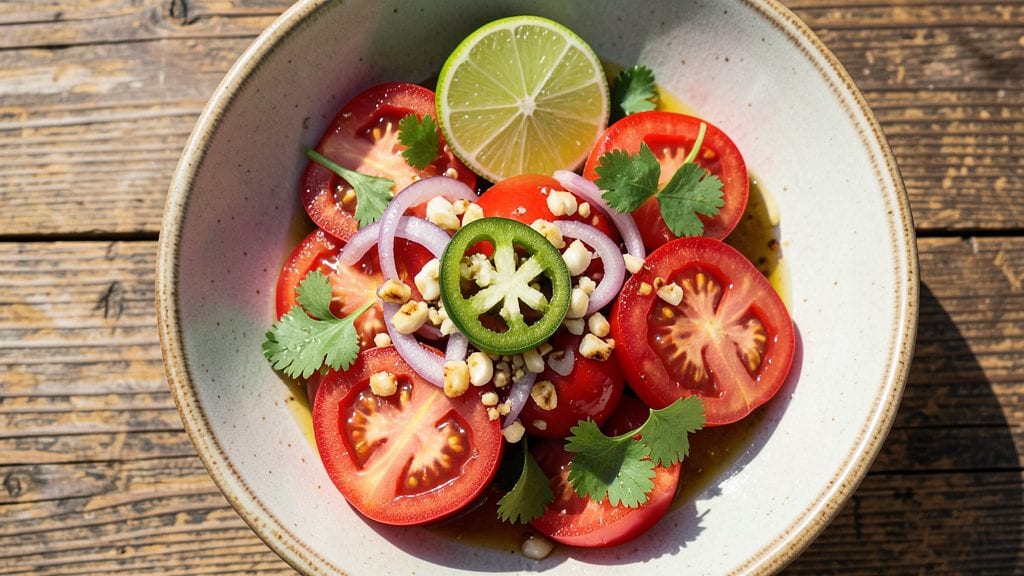
Chili's salsa recipe using fresh tomatoes delivers that signature restaurant-quality zing without the preservatives. ✨ The secret lies in balancing ripe tomatoes, sharp lime juice, and a touch of jalapeño for heat that lingers just right—exactly how I learned from Mrs. Henderson when she taught me to preserve summer flavors in Cincinnati.
This version cuts out the canned shortcuts while keeping the vibrant, tangy profile that makes it irresistible.
The beauty of this recipe is its adaptability—whether you prefer a chunky salsa for scooping or a smoother version for dipping, it all starts with the same bright base.
Fresh tomatoes take center stage, but it’s the cilantro and lime that truly elevate it, cutting through the richness of tacos, nachos, or even grilled meats. I’ve tested this with garden tomatoes, vine-ripened market finds, and even store-bought varieties, and every batch delivers that same perfect balance.
What makes this salsa truly foolproof is the method: no cooking required, just chopping and mixing. The acidity from lime preserves the freshness while the jalapeño adds a controlled kick that builds with each bite.
Store it in the fridge for up to five days, or freeze for longer shelf life—though I’ve never had a batch last that long. The texture stays vibrant, the flavors deepen slightly over time, and the tangy-sweet profile becomes even more addictive.
For those who love it spicier, add more jalapeño or a dash of cayenne. Prefer it milder? Seed the peppers and reduce the lime slightly. The recipe scales effortlessly, so double it for parties or meal prep.
This isn’t just a condiment—it’s a flavor explosion that transforms every dish it touches.
Ingredients for chili's salsa recipe using fresh tomatoes
Fresh tomatoes and bright lime juice transform into this vibrant, tangy salsa that rivals any restaurant version.
| Ingredient | Amount | Notes |
|---|---|---|
| Ripe Roma Tomatoes 🍅 | 2 lbs | Vine-ripened for sweetness and acidity |
| Fresh Cilantro 🌿 | ½ cup | Stems removed, loosely packed |
| Lime Juice 🍋 | ½ cup | Freshly squeezed, no pulp |
| Jalapeño Peppers 🌶️ | 2 whole | Seeds removed for mild heat |
| Red Onion 🧅 | ½ whole | Vibrant purple-red, finely diced |
| Garlic Cloves 🧄 | 4 cloves | Peeled, roughly chopped |
| Extra-Virgin Olive Oil 🫒 | ¼ cup | Light fruity variety preferred |
| Salt 🧂 | 1 tsp | Kosher or sea salt |
| Black Pepper 🌶️ | ½ tsp | Freshly ground for warmth |
| Cayenne Pepper 🔥 | ¼ tsp | Optional, for extra heat |
The tomatoes are the foundation—Roma tomatoes are ideal for their meaty texture and sweetness, but any ripe variety works. Local farmers markets often have the best selection, especially in summer. If you can't find fresh, San Marzano canned tomatoes (drained and chopped) are a solid backup. For the cilantro, avoid the wilted grocery store bunches—look for bright green stems at the market. The lime juice is non-negotiable; bottled just won't cut it. Mexican limes (key limes) add a unique tang, but regular limes work perfectly fine. Always roll them on the counter before cutting to get the most juice out.
No jalapeños? Serrano peppers work 1:1 for more heat, or swap for half a habanero if you're brave. The red onion adds depth—yellow onion is fine but less sweet. For garlic, roasting the cloves first (wrap in foil at 400°F for 10 minutes) adds a nutty sweetness that takes this to the next level. Short on olive oil? Avocado oil works identically. The salt should be kosher—it dissolves better than table salt. For a smoky twist, add half a teaspoon of smoked paprika to the mix.
This salsa keeps beautifully in the fridge for 5-7 days, with flavors actually deepening over time. For longer storage, freeze in ice cube trays—perfect for adding to dishes later. The texture stays fresh, and the acidity preserves the vibrancy. Double the batch if you're hosting—it disappears fast. The jalapeños and lime juice help preserve freshness, so you won't get that sad, watery salsa after a few days. Trust me, it's worth making extra.
Why You'll Love This Recipe
- Five-Ingredient Magic: I swear by this combo—no fancy techniques, just chop, blend, and taste. The Roma tomatoes handle the work for you, their natural sweetness softening into that perfect balance without needing extra sugar or vinegar.
- Bright & Tangy Kick: That lime juice punch cuts through the richness of the jalapeños like a knife, while the cilantro adds a freshness that makes it taste like summer in every bite. Honestly, it’s the kind of salsa that makes you reach for seconds without even thinking.
- Party-Ready in Minutes: I keep this in my fridge for game days, taco nights, or when friends drop by unexpectedly. It’s the star of any spread—dip it, drizzle it, or serve it on its own. (Yes, even on a Tuesday night.)
- No-Waste, Budget Win: Use the whole onion, the seeds from the jalapeños (trust me, they’re good), and even the stems from the cilantro—nothing goes to waste. The tomatoes are cheap, the flavors are bold, and you’ll have leftovers that taste better the next day.
Step-by-step instructions for chili's salsa recipe using fresh tomatoes
This method delivers that signature restaurant-style salsa with vibrant color and balanced heat.
🍳 Step 1: Blanch and Peel the Tomatoes
Cut the 2 lbs ripe Roma tomatoes in half crosswise and place them in a large pot. Cover with water and bring to a boil over medium-high heat. Once boiling, reduce heat to medium and simmer for 3-4 minutes—just until the skins begin to loosen and wrinkle slightly.
Drain the tomatoes immediately and transfer them to a bowl of ice water for 1-2 minutes. This stops the cooking process and makes the skins slip right off. Gently squeeze each tomato half to remove any remaining seeds, then peel away the skins using your fingers or a paring knife. The tomatoes should yield about 3 cups of fresh, juicy pulp.
👨🍳 Step 2: Build the Flavor Base
In a food processor, combine the peeled tomatoes, 0.5 cup fresh cilantro (stems removed), 0.5 cup lime juice, 2 whole jalapeño peppers (seeds removed), 0.5 whole red onion (finely diced), and 4 cloves garlic (roughly chopped). Pulse until everything is finely chopped but not completely puréed—you want visible texture for that authentic restaurant-style look.
Here's the thing—don't skip the pulse-and-check method. You're aiming for a chunky consistency where you can still see bits of tomato, onion, and jalapeño. If it looks too smooth, pulse a few more times. If it's too chunky, give it another quick pulse. This texture is what makes this salsa so special.
🍳 Step 3: Cook and Season
Transfer the chopped mixture to a medium saucepan and stir in the 0.25 cup extra-virgin olive oil. Bring to a simmer over medium heat, then reduce to low heat. Let it cook uncovered for 10-12 minutes, stirring occasionally, until the flavors meld together and the mixture thickens slightly.
Season with 1 tsp salt, 0.5 tsp black pepper, and 0.25 tsp cayenne pepper (if using). Taste as you go—this is where you'll adjust the balance. You want bright acidity from the lime, sweetness from the tomatoes, and just a hint of heat from the jalapeños. If it needs more zing, add a splash more lime juice. If it needs more depth, let it cook another minute or two.
⏰ Step 4: Rest and Serve
Remove the saucepan from heat and let the salsa rest for 10 minutes at room temperature. This resting period allows all the flavors to truly come together and the heat from the jalapeños to mellow slightly. The texture will also thicken up beautifully during this time.
Transfer the salsa to a serving bowl or airtight container. For the best flavor, let it sit at room temperature for at least 30 minutes before serving. This gives the lime juice time to mellow and the spices to fully infuse. Serve chilled or at room temperature with tortilla chips, grilled meats, or as a topping for tacos. It keeps well in the refrigerator for up to 5 days—if it lasts that long!
Pro Tips For Making Chili'S Salsa Recipe Using Fresh Tomatoes
- CHAR THE ONION FIRST: Char that red onion until the edges are blackened and the center is soft—it adds a smoky depth that fresh salsa often lacks. I used to skip this step and wondered why my salsa tasted flat until I tried it; now I never make it without that caramelized bite.
- REMOVE JALAPEÑO SEEDS IN STAGES: Cut the jalapeños in half, scrape out most of the seeds, then taste before fully removing the rest. You’ll want heat, but not a mouth on fire—especially if you’re serving kids or sensitive eaters. I learned this the hard way after serving a batch that had everyone reaching for milk.
- SALT THE TOMATOES BEFORE COOKING: Sprinkle a pinch of salt directly on the halved Roma tomatoes and let them sit for 10 minutes before blending. This draws out moisture and intensifies their flavor—no one notices this step, but it makes a real difference in brightness and texture.
- BLEND IN BATCHES IF NECESSARY: If your blender can’t handle all the salsa at once, blend half first, then add the rest. Overfilling leads to splatter and under-blending, which leaves chunks where you don’t want them. I was skeptical until I tried it—now I always do this, and the texture is silky every time.
Storing and reheating this chili's salsa recipe using fresh tomatoes
Fridge Storage Secrets
Store your freshly made salsa in an airtight glass container with a lid—I love using mason jars from my Portland farmers market. The acidity from lime juice naturally preserves it, so it stays vibrant for 5-7 days in the fridge.
The flavors actually deepen over time, becoming more complex with each passing day. I always make extra because it disappears faster than I can say "nacho night." ❄️
Keep the surface of the salsa covered with a thin layer of extra-virgin olive oil (about 1 teaspoon) to prevent oxidation. This simple trick keeps the tomatoes from turning brown and maintains that restaurant-fresh look.
I learned this from Mrs. Henderson when we'd preserve summer produce—her apple butter always stayed bright for weeks this way.
Freezing for Later
For longer storage, freeze your salsa in ice cube trays—each cube is perfect for adding to dishes later. Once frozen, transfer the cubes to a freezer-safe bag and flatten to save space.
Thaw overnight in the fridge before using, or add frozen cubes directly to hot dishes like soups or chilis. The texture stays fresh, though it may separate slightly—just stir before serving.
Label your containers with the date—this salsa keeps its quality for up to 3 months in the freezer. I often freeze half the batch in summer when tomatoes are abundant, then pull it out for winter meals.
The lime juice prevents ice crystals from forming, so you won't get that unpleasant slushy texture. 💡
Reheating Like a Pro
If you've stored your salsa in the fridge, let it come to room temperature before serving—this enhances the flavors without cooking. For a quick reheat, warm in a saucepan over low heat for 2-3 minutes, stirring occasionally.
Never boil it, or the tomatoes will turn mushy and lose their vibrant color. A splash of lime juice can revive any flat flavors if it's been sitting too long.
For microwave reheating, use 30-second intervals on medium power, stirring between each. The goal is to warm through without overcooking. I find this works best for salsa that's been refrigerated for 3-4 days—any longer and I prefer to make a fresh batch.
The texture stays perfect for scooping or dipping. 🔥
Texture Recovery Tips
If your salsa develops a watery consistency after refrigeration, stir in 1 tablespoon of cornstarch mixed with 1 tablespoon water and heat gently until thickened. This trick works like magic for restoring that perfect chunky texture.
I've used it with my garden tomatoes when they're extra juicy—it saves the batch every time.
For salsa that's separated after freezing, give it a good stir and let it sit at room temperature for 10 minutes before serving. The natural oils and acids will re-emulsify, bringing back that smooth, balanced consistency.
If it's still too thick, thin with a splash of lime juice or water—just a teaspoon at a time. 💫
Nutrition facts
Frequently asked questions
What's the best tomato variety for this fresh salsa?
Roma tomatoes are ideal—they're meaty and sweet with fewer seeds, but any ripe vine-ripened variety works. For extra flavor, use a mix of red and yellow tomatoes. Avoid green or underripe ones—they'll make your salsa taste bland and sour.
Can I make this salsa without a food processor?
Simply dice the tomatoes, onion, and jalapeño by hand into 1/4-inch pieces. For the cilantro, finely chop the leaves (discard stems). The texture will be slightly chunkier but still delicious. Just pulse the garlic in a mini food processor or crush it with the flat side of your knife.
How do I adjust the spice level?
For milder heat, remove all seeds and membranes from the jalapeños before chopping. For extra kick, add 1/4 teaspoon cayenne pepper or swap in serrano peppers (remove seeds for medium heat). Always taste as you go—you can't overdo the lime juice to balance it!
Why does my salsa turn watery after refrigeration?
This happens when the tomatoes release excess liquid during cooling. Fix it by simmering the salsa for 5 minutes over low heat, then let it cool. For a quicker fix, stir in 1 tablespoon cornstarch mixed with 1 tablespoon water and heat gently until thickened. The lime juice helps preserve texture, but even fresh batches may separate slightly.
What are the best ways to use leftover salsa?
Beyond chips, try it as a marinade for grilled chicken, a topping for baked potatoes, or a sauce for tacos and enchiladas. Freeze extra portions in ice cube trays for easy single-serving additions to soups or chilis. The flavors actually improve after a few days in the fridge!