
Main Courses
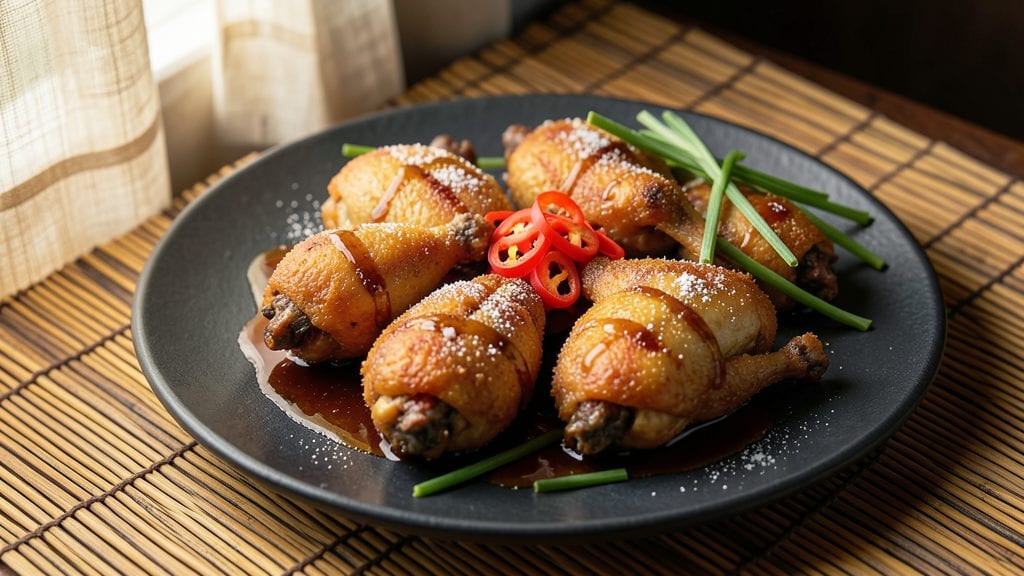
This Chinese fried quail recipe delivers the perfect balance of crispy golden skin and juicy centers—a dish that captures the essence of traditional Chinese home cooking. The secret lies in a precise marinade and high-heat frying technique that transforms delicate quail into restaurant-worthy bites.
I first discovered this method during a visit to a Cantonese family kitchen, where the technique was passed down through generations.
The process begins with a simple yet flavorful marinade of soy sauce, Shaoxing wine, and aromatic spices, which tenderizes the meat while infusing it with depth.
After a brief rest, the quail is fried in small batches to maintain even heat, ensuring a crispy exterior without compromising the moist, tender interior. The result is a dish that’s both elegant and approachable—ideal for special occasions or weeknight dinners.
What makes this recipe stand out is its versatility. Serve the fried quail over steamed jasmine rice for a classic pairing, or pair it with stir-fried bok choy and garlic green beans for a complete meal.
The dish also holds well for leftovers, making it perfect for meal prep. Each bite delivers a harmonious blend of savory, slightly sweet, and umami flavors that define Chinese comfort food.
The key to success is patience—allowing the marinade to work its magic and frying the quail in manageable batches. With this method, you’ll achieve the same crispy, golden perfection I’ve enjoyed in countless Chinese kitchens. Let’s get started on creating this timeless dish.
Ingredients for chinese fried quail
Eight whole quail, aromatic spices, and a crispy secret marinade transform delicate birds into golden bites.
| Ingredient | Amount | Notes |
|---|---|---|
| Quail, Whole 🦆 | 8 whole | Fresh, not frozen, for best texture |
| Soy Sauce, Light 🥢 | ½ cup | Kikkoman preferred for balance |
| Shaoxing Wine 🍷 | ¼ cup | Dry, not sweet, for depth |
| Cornstarch 🌾 | ½ cup | For crispy exterior coating |
| Garlic Cloves 🧄 | 6 cloves | Minced, fresh for aromatic punch |
| Ginger, Fresh 🌿 | 1 tbsp | Grated, not powdered |
| Sesame Oil 🫒 | 1 tbsp | Toasted, for nutty aroma |
| Vegetable Oil 🫒 | 3 cups | High smoke point for frying |
| Salt 🧂 | 1 tsp | Kosher or sea salt |
| White Pepper 🌶️ | ½ tsp | Freshly ground for subtle heat |
| Sugar, Granulated 🍯 | 1 tbsp | Balances flavors, not refined |
| Green Onions 🧅 | 3 whole | Sliced, for garnish |
| Jasmine Rice 🍚 | 1 ½ cups | Uncooked, for serving |
The quail is non-negotiable—fresh from an Asian market or specialty butcher ensures tender meat. Look for birds with plump, firm bodies and bright eyes. Costco often carries them pre-cleaned, but if buying whole, remove the innards yourself for maximum crispiness. Shaoxing wine? Trader Joe's carries a decent bottle, but any dry Chinese rice wine works. The cornstarch is your crispy ally—Bob's Red Mill brand is reliable. For the ginger, freshly grated beats powdered every time—it dissolves into the marinade beautifully.
No Shaoxing wine? Dry sherry or mirin works in a pinch, though the flavor will differ slightly. Substituting cornstarch? All-purpose flour at 1:1 ratio works, but texture won't be as crisp. The green onions can be swapped for scallions, but regular onions add bulk without the same delicate flavor. For extra umami, add 1 tbsp fish sauce to the marinade—just don't overdo it. The vegetable oil must have a high smoke point; Avocado oil is ideal if you're splurging. And if you're short on time, thaw frozen quail overnight in the fridge before marinating.
Marinated quail keeps 1 day in the fridge, covered tightly. For longer storage, freeze the marinated birds up to 2 months—thaw overnight before frying. The fried quail reheats beautifully in a 350°F oven for 10 minutes, though texture won't be as crisp. Portion into airtight containers with a sprinkle of sesame seeds for easy meal prep. The jasmine rice? Cook it the night before—steamed rice reheats better than you'd think—and store separately to keep it fluffy.
Why You'll Love This Recipe
- No Panic, Just Pan: I’ll admit—I used to avoid quail because I thought it was fussy. But this fried version? Dredge in cornstarch, sear in oil, and done. The quail stays juicy while the outside gets that perfect golden crust. No marinating, no stress.
- Umami Bomb: That soy sauce and Shaoxing wine combo? It’s like a flavor hug for your taste buds. The garlic cloves get toasted right in the pan, so you don’t even need to peel them. Every bite is packed with that deep, savory punch that makes you want seconds.
- Budget Win: Quail is cheaper than you think, especially when you buy them whole. A dozen quails might cost what a single chicken breast does, and you get way more flavor per bite. Plus, the ingredients? A handful of staples you probably already have. Zero waste, zero guilt.
Step-by-step instructions for Chinese fried quail
Master the technique for achieving that signature crispy exterior while keeping the quail juicy inside.
Prepare the Quail and Marinade
Begin by rinsing the 8 whole quail under cold water and patting them completely dry with paper towels. This step is critical—any moisture left on the skin will prevent proper crisping during frying. Using a sharp knife, make a small slit on the underside of each quail to allow excess air and fat to escape while cooking.
In a medium bowl, combine the 0.5 cup soy sauce, 0.25 cup shaoxing wine, 1 tablespoon sugar, 1 teaspoon salt, and 0.5 teaspoon white pepper. Mix well until the sugar and salt dissolve completely. This marinade will infuse the quail with flavor while tenderizing the meat. Place the quail in the marinade and refrigerate for at least 30 minutes, turning them occasionally to ensure even coating. For best results, marinate for up to 2 hours.
Create the Cornstarch Coating
In a separate shallow dish, place the 0.5 cup cornstarch. Remove the quail from the marinade (reserve the marinade for later) and let any excess drip off. Gently shake each quail to remove excess marinade, then roll it in the cornstarch until fully coated. Press the cornstarch lightly onto the skin to ensure an even, thick layer—this will create the crispy exterior we're after. Place the coated quail on a wire rack set over a baking sheet to allow air circulation and prevent sticking.
For extra flavor, lightly brush each quail with 1 tablespoon sesame oil. This step adds depth and enhances the nutty aroma that pairs perfectly with the crispy texture. Let the quail sit at room temperature for 10 minutes before frying to ensure even cooking.
Deep-Fry for Crispy Perfection
Fill a deep pot or Dutch oven with 3 cups vegetable oil and heat it over medium-high heat until it reaches 350°F. Use a kitchen thermometer to monitor the temperature—this precision is key to achieving that golden-brown crust without burning the quail. Once the oil is hot, carefully add 2-3 quail at a time, being cautious not to splash oil. Fry for 4-5 minutes until the quail turn a deep golden brown and the skin is crispy to the touch.
Remove the quail with a slotted spoon and drain on a wire rack or paper towels. The quail should be golden and crispy outside while remaining juicy inside. If the oil temperature drops below 325°F during frying, discard the oil and refill with fresh oil to maintain the proper temperature for subsequent batches. Repeat with the remaining quail, working in batches to avoid overcrowding the pot.
Rest and Serve with Jasmine Rice
While the quail rests, prepare the jasmine rice according to package instructions using the reserved marinade. This adds a subtle depth of flavor to the rice, complementing the quail perfectly. Cook the 1.5 cups jasmine rice in a rice cooker or pot with the reserved marinade and 2 cups water, simmering for 15-20 minutes until the liquid is absorbed and the rice is tender.
Slice the 3 whole green onions into thin rings and set aside for garnish. Once the quail has rested for 5 minutes, serve it immediately over the jasmine rice. The contrast of the crispy, golden quail with the fluffy rice creates a satisfying texture and flavor combination. Garnish each serving with the sliced green onions and a drizzle of any remaining sesame oil for an elegant finish.
Pro Tips For Making Chinese Fried Quail
- Pat Dry Like Crazy: Quail skin is paper-thin—if it’s damp, your cornstarch won’t stick, and the crust will turn out greasy instead of golden. Grab paper towels and aggressively wipe each bird inside and out, even the legs. Trust me, the extra 30 seconds saves you from a sad, limp result.
- Marinate Cold, Not Warm: That Shaoxing wine and soy sauce won’t penetrate if the quail is room temp. Pop the birds in the fridge for 20–30 minutes after marinating so they soak up the flavors properly. I used to skip this and ended up with quail that tasted like a wet paper bag—don’t repeat my mistake.
- Shake Off Excess Cornstarch: Dredging quail in cornstarch is non-negotiable, but dumping them straight into the pan will make the batter clump. After coating, tap the birds gently against the side of the bowl to knock off loose starch—just enough to leave a light, even layer. This isn’t about perfection; it’s about crispy, not gummy.
- Fry in Two Batches: Quail are tiny, but they pack a punch in the pan. Overcrowding means steaming, not frying. Drop in 4–5 birds at a time, then let them sizzle undisturbed for 2–3 minutes before flipping. Yes, it takes longer, but the difference in texture is night and day—no soggy bottoms here.
Wine and beer pairings for these flavors
Light & Crispy Wines
For this delicate yet flavorful dish, a light Chinese rice wine like Yangshan Hong or Chaonan complements the crispy exterior and umami marinade beautifully. The wine’s subtle sweetness and floral notes balance the savory flavors without overpowering the quail’s natural taste.
I always keep a bottle of Chaonan on hand—it’s affordable and perfect for pairing with fried dishes. 🍷
Dry Sherry for Boldness
A dry Spanish sherry, such as Amontillado or Fino, adds a nutty complexity that enhances the dish’s depth. The sherry’s oxidative character pairs wonderfully with the fried quail’s golden crust and the soy-wine marinade. Try a small glass with each serving to cleanse your palate between bites.
Craft Beer Pairings
For beer lovers, a light lager like Tsingtao or a crisp wheat beer such as Blue Moon works brilliantly. The effervescence cuts through the richness of the quail while the maltiness complements the cornstarch coating.
If you prefer something bolder, a hazy IPA with citrus notes can balance the dish’s savory profile. 🍺
Sparkling Options
A dry Chinese sparkling wine, such as Changyu Sparkling, adds a refreshing contrast to the fried quail’s richness. The bubbles help cleanse your palate, making each crispy bite even more enjoyable. For a non-alcoholic option, sparkling mineral water with a squeeze of lime works surprisingly well.
Avoid Heavy Reds
Skip bold red wines like Cabernet Sauvignon or Syrah—their tannins and intensity can clash with the delicate quail and light marinade. Instead, opt for lighter reds like Pinot Noir if you prefer red wine, but even then, stick to a light-bodied variety to avoid overpowering the dish. 💫
Nutrition facts
Frequently asked questions
Can I substitute quail with chicken for this recipe?
While quail is ideal for its delicate flavor and small size, you can use bone-in chicken thighs (about 8 pieces) as a substitute. Cut them into similar-sized pieces and adjust cooking time to 6-8 minutes per side—chicken requires longer frying to reach the same crispy texture. The marinade ratio should stay the same, but increase the cornstarch to 1 cup to accommodate the larger surface area.
Why is my fried quail not crispy? What am I doing wrong?
Crispiness depends on three key factors: dry quail, proper oil temp, and even cornstarch coating. First, ensure the quail is completely dry before coating—pat with paper towels. Second, maintain oil at 350°F using a thermometer. Third, press the cornstarch firmly onto the skin (don't just dust it). If oil temperature drops below 325°F, discard it and refill—reused oil loses heat capacity quickly.
How do I store and reheat leftover fried quail?
Store fried quail in an airtight container for up to 3 days in the fridge. To reheat, place in a 350°F oven for 8-10 minutes on a wire rack (not directly on a tray) to restore crispiness. For microwave reheating, cover with a damp paper towel and heat in 20-second bursts—this prevents sogginess. The texture won't be as crispy as fresh, but it remains flavorful.
What are some traditional Cantonese sides to serve with this dish?
In Cantonese cuisine, fried quail pairs beautifully with steamed bok choy, garlic green beans, and sweet potato wedges. For a complete meal, serve with jasmine rice (as in the recipe) and a light cucumber salad with rice vinegar. The contrast of crispy quail with tender vegetables and fluffy rice creates a balanced, restaurant-quality spread.
Can I make this recipe gluten-free?
Yes! Replace the cornstarch coating with rice flour or tapioca starch for a gluten-free version. Use the same 0.5 cup measurement, but note the texture will be slightly less crispy. Also verify your soy sauce is tamari-based (gluten-free) and check Shaoxing wine labels—some brands contain wheat. The rest of the recipe remains unchanged.