Sauces & Condiments
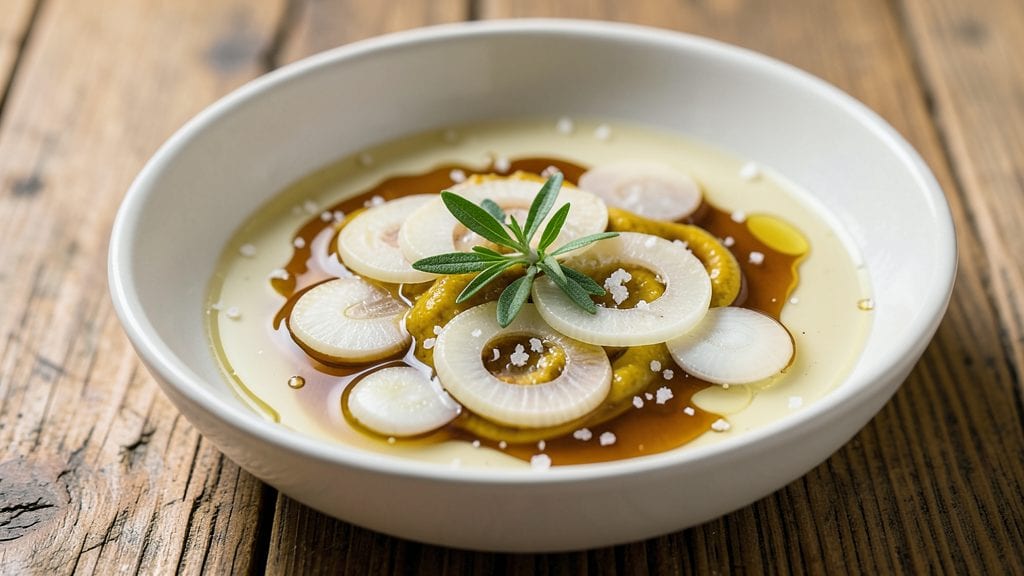
This copycat Longhorn white balsamic vinaigrette recipe promises the same bold, tangy punch that turns their salads into showstoppers. The secret lies in balancing sharp white balsamic vinegar with rich olive oil and a touch of Dijon mustard, creating a dressing that's bold yet refined.
I've recreated this exact formula after years of perfecting it for salads, drizzling over roasted vegetables, and even as a marinade.
The beauty of this vinaigrette is its versatility—it elevates simple greens into gourmet meals while keeping prep effortless. Unlike store-bought versions, this recipe uses high-quality ingredients like aged white balsamic and fresh herbs to deliver a depth of flavor you won't find in bottles.
The ratio of oil to vinegar is precise, ensuring every pour is perfectly balanced between tangy and smooth.
What sets this apart is that copycat version stays true to the original while being simpler to make at home. The dressing keeps beautifully in the fridge for up to 10 days, making it perfect for weekly meal prep.
Whether you're dressing a Caesar salad, drizzling over grilled chicken, or using it as a marinade, this vinaigrette transforms ordinary dishes into restaurant-worthy creations.
The best part? You'll only need five ingredients and five minutes to whip it up. This is the kind of dressing that makes you reach for fresh greens and quality proteins—because good food deserves great flavor. Let's get started on recreating this signature taste at home.
Ingredients for copycat longhorn white balsamic vinaigrette
Five ingredients. Five minutes. Restaurant-quality dressing at home.
| Ingredient | Amount | Notes |
|---|---|---|
| White Balsamic Vinegar 🍷 | ½ cup | Aged white balsamic preferred |
| Extra-Virgin Olive Oil 🫒 | 1 cup | High quality, fruity flavor |
| Dijon Mustard 🥫 | 1 tbsp | Mild or hot variety |
| Granulated Sugar 🍚 | 1 tsp | For subtle sweetness |
| Salt 🧂 | ½ tsp | Kosher or sea salt |
| Fresh Shallots 🧅 | 1 whole | Mince finely for smooth texture |
| Fresh Dill 🌿 | 1 tbsp | Chopped, for freshness |
The white balsamic is non-negotiable here—aged white balsamic from Trader Joe's or Whole Foods delivers that signature tang. If you can only find regular white balsamic, reduce it by half and add 1 tsp lemon juice to compensate. The olive oil should be fruity and high-quality—California extra-virgin brands like Corto or Otto work perfectly. Fresh dill adds that bright, herby note, but if you're out, fresh parsley at double the amount gets you close. The shallots? Mince them finely so they dissolve into the dressing—no one wants chunks in their vinaigrette.
No Dijon mustard? Whole-grain mustard works in a pinch, but the texture will be slightly grainier. Short on sugar? A pinch of honey does the trick, though it adds a different depth. The salt is key—taste as you go, because store-bought vinegars vary in saltiness. If you're making this ahead, reduce the salt slightly since flavors meld over time. The dressing should balance tangy, sweet, and savory—adjust to your taste. Pro tip: Shake it before each use—the oil and vinegar separate, but a quick shake brings it all back together.
This keeps for 10 days in the fridge, sealed tight. For best results, store it in a clean glass jar with a lid. I like to make a double batch—one for salads, one for marinades. If you're using it as a marinade, reduce the salt by half since the meat will absorb it. The flavor actually improves after a day or two as everything melds. If it gets too thick, just add a splash of water or more vinegar. Perfect for meal prep—grab it and go for a quick salad assembly.
Why You'll Love This Recipe
- No Fuss Magic: The moment I realized how little effort this takes, I was sold. Just whisk together white balsamic, olive oil, Dijon, and a pinch of sugar—no cooking, no waiting, no fancy tools. Honestly, I’ve made it while chatting on the phone, and it still comes out smooth and tangy every time.
- Sweet-Tart Balance: Here’s what sold me—the way the white balsamic’s honeyed depth cuts through the sharpness of Dijon. That tiny pinch of sugar isn’t just for sweetness; it rounds out the acidity so it’s rich, not harsh. Drizzle it over grilled chicken or a simple salad, and you’ll taste why this is my go-to dressing.
- Pantry Staple Power: Between us, this recipe uses things you already own. No specialty ingredients, no last-minute grocery runs. I’ve used it for everything from quick lunch wraps to fancy dinner sides—even as a marinade for shrimp. It’s the kind of dressing that makes you feel like you’ve got your act together, even when you don’t.
- Make-Ahead MVP: I double the batch and keep it in the fridge for weeks. The flavors actually improve with time, getting deeper and more complex. Plus, it’s budget-friendly—you’re not buying single-use bottles, and a little goes a long way. My secret weapon for lazy days? Prep this on Sunday, and you’ve got effortless flavor all week.
Step-by-step instructions for bold white balsamic vinaigrette
This tangy, restaurant-style vinaigrette comes together in minutes with just a few simple steps.
Finely Mince the Shallots
Peel the whole fresh shallot and cut it in half lengthwise. Place one half on a cutting board and slice it as thinly as possible—aim for paper-thin slices that will practically dissolve into the dressing. I like to fan the slices out and make tiny half-moons with my knife for even finer texture.
Transfer the minced shallots to a small bowl. The goal here is to create a smooth, silky dressing, so the finer you mince, the better. If you're not comfortable with knife skills, a food processor works too—just pulse until you get a fine paste. This step prevents any gritty texture that might ruin the elegant finish.
Whisk Together the Base Ingredients
In a medium bowl, combine the minced shallots with the 0.5 cup white balsamic vinegar, 1 tablespoon Dijon mustard, 1 teaspoon granulated sugar, and 0.5 teaspoon salt. Use a whisk to blend everything thoroughly until the sugar and salt dissolve completely and the shallots break down into the mixture.
This combination creates the perfect balance of tangy, sweet, and savory flavors. The sugar helps cut through the acidity of the vinegar while the mustard adds depth. Whisking well now ensures everything comes together smoothly in the next step. Don't skip this—uneven mixing can lead to clumps in your final dressing.
Slowly Incorporate the Olive Oil
With the whisk still in the bowl, begin adding the 1 cup extra-virgin olive oil very slowly—about 1 tablespoon at a time. This gradual approach is crucial because it allows the oil to emulsify properly with the vinegar mixture, creating that silky, cohesive texture we want.
After each addition, whisk vigorously until the oil is fully incorporated before adding more. You'll know it's working when the mixture becomes thick and glossy rather than separating. If you add the oil too quickly, you might end up with a split dressing that looks like oil and vinegar soup. Patience here pays off with a professional-quality result.
Add Fresh Dill and Final Adjustments
Once all the olive oil is incorporated, stir in the 1 tablespoon chopped fresh dill using a spoon. The dill adds a bright, herbal note that cuts through the richness of the olive oil. Taste and adjust seasoning if needed—you might want a touch more salt or sugar to balance the flavors.
This is your chance to fine-tune the dressing. If it's too tangy, add a pinch more sugar. If it needs more depth, a splash of vinegar or a tiny bit more mustard works. The dressing should coat the back of a spoon with a velvety texture, not be watery or overly thick. For best results, let it sit at room temperature for 10 minutes before using—this allows the flavors to fully meld together.
Pro Tips For Making Copycat Longhorn White Balsamic Vinaigrette
- Whisk in Stages: Start by mixing the white balsamic vinegar, Dijon mustard, sugar, and a pinch of salt—just these dry ingredients first. Then, slowly drizzle in the olive oil while whisking constantly. This keeps the emulsion stable from the get-go, so you won’t end up with a sad, separated dressing later.
- Use Cold Oil: Chill the extra-virgin olive oil in the fridge for 10 minutes before mixing. Cold oil blends smoother and prevents the mustard from turning into a greasy glob—trust me, I’ve seen it happen when impatient cooks skip this.
- Measure Vinegar Precisely: Don’t eyeball the white balsamic vinegar—use a measuring spoon. Too much makes the dressing harsh; too little weakens the tang. A scant 2 tablespoons (about 30ml) is the sweet spot for this recipe, and it’s the difference between "good" and "restaurant-quality."
- Salt the Mustard First: Mix the Dijon mustard with the sugar and a full pinch of salt before adding anything else. This balances the flavors upfront, so the final dressing won’t taste flat or one-note—especially important if your mustard is on the milder side.
Common mistakes when making your copycat longhorn white balsamic vinaigrette
Over-Mixing the Dressing
I’ve seen this happen more times than I can count—someone whisks the vinaigrette like they’re trying to win an egg-white competition. The result? A dressing so thick it resembles mayonnaise, with no room for the light, silky texture we want.
The key is to whisk just until the sugar and salt dissolve, then add the oil slowly. Over-mixing incorporates too much air, which breaks down the emulsion and makes the dressing unstable. If it starts looking like a thick paste, you’ve gone too far.
Skipping the Gradual Oil Addition
Adding all the olive oil at once is a recipe for disaster—literally. The dressing will immediately separate into oily and vinegary layers, no matter how much you whisk afterward. I can’t stress this enough: add the oil 1 tablespoon at a time, whisking vigorously after each addition.
This gradual process allows the oil to emulsify properly with the vinegar, creating that signature smooth, glossy finish. If you’re in a rush, at least let the mixture sit for 5 minutes after adding the oil before tasting.
Using Low-Quality Vinegar
The white balsamic vinegar is the soul of this dressing, so cutting corners here ruins everything. Store-bought white vinegar or cheap balsamic lacks the depth and complexity that makes this copycat recipe shine.
I always use aged white balsamic from brands like Trader Joe’s or Whole Foods—it’s worth the investment. If you’re stuck with regular white vinegar, reduce it to ¼ cup and add 1 teaspoon lemon juice to mimic the tang. The difference is night and day.
Not Letting It Rest
This is a common mistake that’s easy to fix. The dressing needs time to marry its flavors, just like a good wine. If you taste it immediately after mixing, it’ll seem flat or unbalanced.
Let it sit at room temperature for at least 10 minutes before using—this allows the sugar to fully dissolve, the shallots to soften, and the flavors to meld. I often make mine the night before and refrigerate it; the next day, it’s even better. Patience here makes all the difference.
Ignoring the Shallot Texture
Choppy shallots are the fastest way to ruin an otherwise perfect dressing. If you leave them in large chunks, they’ll create an unpleasant texture that clashes with the silky smoothness of the rest. Mince them as finely as possible—almost to a paste—so they dissolve completely.
If you’re not confident with your knife skills, pulse them in a food processor for 3-5 seconds until they’re barely visible. This step is non-negotiable for that restaurant-quality finish.
Storing It Improperly
Vinaigrettes are delicate, and improper storage can turn your silky dressing into a sad, separated mess. Always store it in an airtight glass jar (never plastic) in the fridge. The oil and vinegar will naturally separate, but a good shake before use brings it back together.
If you notice the dressing getting too thick after a few days, add 1 teaspoon water per ½ cup dressing to restore its consistency. And for the love of good food, never store it in the original bowl you mixed it in—transfer it to a proper container to avoid contamination.
Nutrition facts
Frequently asked questions
Can I substitute white balsamic vinegar with regular balsamic?
Regular balsamic vinegar won't work here—the deep color and stronger flavor will overpower the delicate balance. Use aged white balsamic instead, or reduce it to ¼ cup and add 1 teaspoon lemon juice to mimic the tang. The white version is key for that signature Longhorn lightness.
How long does this dressing last in the fridge?
This vinaigrette keeps beautifully for up to 10 days when stored in an airtight glass jar. The flavors actually improve after 24 hours as everything melds together. Just shake well before each use—it naturally separates but comes back together perfectly.
Can I use this as a marinade for chicken?
It makes an excellent marinade for grilled or baked chicken. Just reduce the salt by half (¼ teaspoon) since the meat will absorb it. Marinate for 30-60 minutes max—longer can make the chicken mushy. The tangy dressing pairs perfectly with grilled chicken breasts or thighs.
What if my dressing separates after storing?
Separation is normal! Simply shake the jar vigorously for 10-15 seconds before using. If it's too thick, add 1 teaspoon water per ½ cup dressing to restore consistency. The key is using an airtight glass container—never plastic, which can absorb flavors.
Can I make this without fresh dill?
Yes! If you're out of dill, use 2 tablespoons chopped fresh parsley instead. For a different twist, try 1 teaspoon dried dill, but reduce other herbs by half since dried flavors are more concentrated. The herb adds brightness, so don't skip it completely if possible.