Appetizers
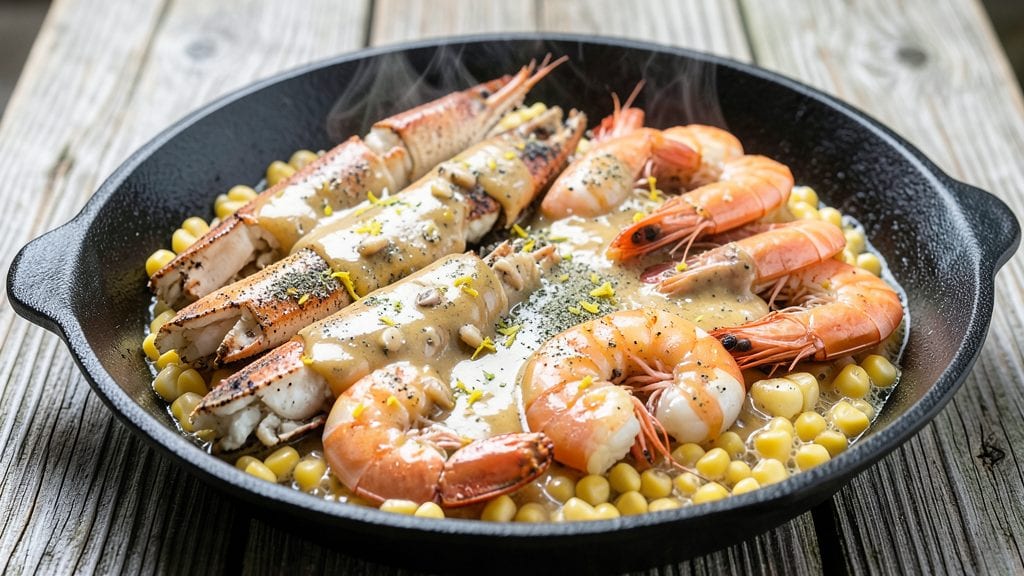
This crab leg and shrimp boil recipe transforms a simple pot of boiling water into a festive, aromatic feast that brings the coast to your backyard.
The secret lies in spiced butter and citrus infusion—where garlic, Old Bay, and lemon create layers of flavor that cling to every tender bite of seafood.
I perfected this recipe after years of hosting summer gatherings, where the sizzle of shrimp and the crack of crab legs became the soundtrack to unforgettable meals.
The beauty of this boil is its simplicity: one pot, minimal prep, maximum impact. You'll start with a base of aromatic spices and butter, then add the seafood in stages to ensure perfect doneness—juicy shrimp and sweet, succulent crab legs that flake effortlessly.
The citrus infusion brightens every bite, cutting through the richness while enhancing the natural sweetness of the seafood.
By the time you're done, you'll have a steaming pot of golden seafood surrounded by buttery corn, tender potatoes, and smoky sausage—if you choose to include it. The aroma alone will draw everyone to the table, and the first bite delivers that perfect balance of spice, citrus, and buttery richness.
This is the kind of dish that turns a casual gathering into a celebration.
Serve family-style with crusty bread for soaking up every last bit of flavor, or plate it elegantly for a more refined presentation. The leftovers? Rare, because this recipe disappears faster than you can say "pass the crab." Let's get boiling!
Ingredients for crab leg and shrimp boil
Spiced butter, citrus zest, and seafood that sizzles—this boil needs just 14 ingredients for coastal celebration magic.
| Ingredient | Amount | Notes |
|---|---|---|
| Snow Crab Legs 🦀 | 2 ½ lb | Clarified or live, thawed if frozen |
| Large Shrimp 🍤 | 2 lb | Peeled, deveined, tails on |
| Unsalted Butter 🧈 | ¾ cup | Cold, cubed for spiced butter |
| Garlic Cloves 🧄 | 8 cloves | Minced, fresh for best flavor |
| Old Bay Seasoning 🌶️ | 2 tbsp | Classic blend for seafood |
| Lemon Zest 🍋 | 1 tbsp | From 1 large lemon |
| Lemon Juice 🍋 | ½ cup | Freshly squeezed |
| Corn on the Cob 🌽 | 4 ears | Husked, cut into thirds |
| Baby Potatoes 🥔 | 1 ½ lb | Halved, skin-on for texture |
| Smoked Sausage 🌭 | 1 lb | Andouille or kielbasa, sliced |
| Sea Salt 🧂 | ½ cup | Kosher preferred for balance |
| Water 💧 | 8 cups | Filtered preferred for clarity |
| Fresh Parsley 🌿 | ¼ cup | Chopped, for garnish |
| Hot Sauce 🌶️ | 2 tbsp | Optional, for serving |
The crab and shrimp are the stars, so quality matters. Costco or Whole Foods have the best fresh options—look for snow crab legs with bright, moist meat and shrimp that smells briny, not fishy. If using frozen, thaw overnight in the fridge, not under running water (it turns rubbery). The butter is where the magic happens—Plugrá or Land O'Lakes work well, but nothing beats European-style for richness. For Old Bay, McCormick's is the classic, but check the spice aisle for freshness—it should smell vibrant, not stale.
No Old Bay? Mix 1 tbsp each paprika, garlic powder, and onion powder plus 1 tsp thyme and cayenne. Short on lemon juice? Lime juice works too, but the flavor shifts slightly. The sausage can be swapped for spicy chorizo or smoked turkey sausage—just adjust the cooking time. Baby potatoes? Yukon golds or fingerlings hold up better than russets. And if you're feeling fancy, add 1 tbsp of Worcestershire sauce to the spiced butter for umami depth. The corn? Charred over an open flame if you've got a grill—trust me on this.
This boil reheats beautifully—350°F for 10-12 minutes in a covered pot. The seafood keeps 2-3 days in the fridge, but honestly, it disappears faster. For leftovers, store components separately: seafood in an airtight container with a paper towel to absorb moisture, and sides in their own containers. The spiced butter? Freeze in an ice cube tray for easy portioning—perfect for melting over grilled fish later. And save the lemon peel: dry and store for 1 week to use in future marinades.
Why You'll Love This Recipe
- One-Pot Magic: I swear by this recipe—just toss everything into a pot with the crab legs and shrimp, melt that butter, and let Old Bay work its magic. No extra pans, no fuss, and honestly, the cleanup is just rinsing a pot.
- Butter-Kissed Crisp: That first bite? The shrimp snaps under your fork, the crab meat melts with butter, and the garlic-herb crust from Old Bay clings like a dream. It’s the kind of dish where every mouthful feels like a little victory—no sad, dry seafood here.
- Tailgate or Tuesday: Between us, this is my go-to for game days and lazy nights. Double the batch, serve it with cornbread, and suddenly you’ve got a crowd-pleaser that works just as well in a cooler as it does on your stove. My daughter even picks out the shrimp first—yes, even on a Tuesday.
- Leftovers I’ll Fight For: I make this once, eat it twice, and still have enough for lunches. The crab stays tender, the shrimp reheats perfectly, and honestly? The second day’s even better because the flavors marry overnight. (Pro tip: pack it with lemon wedges to keep it bright.)
Step-by-step instructions for crab leg and shrimp boil recipe
Here's how to create a showstopping seafood boil with bold flavors and tender textures.
🍳 Step 1: Prepare the Spiced Butter and Citrus Base
In a medium saucepan, melt the 0.75 cup unsalted butter over medium-low heat until completely liquid. Add the 8 cloves minced garlic and cook for 1 minute until fragrant but not browned. Remove from heat and stir in the 2 tablespoons Old Bay seasoning and 1 tablespoon lemon zest. Let this mixture cool slightly while you prepare the other ingredients.
This aromatic butter becomes the flavor foundation for your entire boil. The Old Bay and lemon zest infuse the butter with layers of savory and citrus notes that will penetrate every component of your dish. Keep it warm but not hot—you want to preserve those delicate flavors until they're ready to be released into the boiling water.
👨🍳 Step 2: Season the Boiling Water
In a large stockpot, combine the 8 cups water and 0.5 cup sea salt, bringing it to a rolling boil over high heat. While the water heats, prepare your vegetables: cut the 4 ears corn on the cob into thirds and halve the 1.5 lb baby potatoes (skin-on for texture). Add the potatoes to the boiling water first and cook for 5 minutes to start softening them.
The water should taste like the ocean when you dip your finger in—salty but not overpowering. This initial seasoning ensures all your ingredients absorb that essential brine flavor. Adding potatoes first prevents them from overcooking while the seafood finishes. You'll know the potatoes are ready when they pierce easily with a fork but still have a slight resistance.
🥘 Step 3: Layer in the Seafood and Sausage
After the potatoes have cooked for 5 minutes, add the 2 lb large shrimp, 2.5 lb snow crab legs, and 1 lb sliced smoked sausage to the pot. Pour the prepared spiced butter mixture over everything, then add the 0.5 cup lemon juice. Stir gently to distribute the butter and lemon throughout the water. Return to a boil and cook for 3-4 minutes—the shrimp will turn opaque and the crab will turn a vibrant orange.
This is where the magic happens. The spiced butter creates a fragrant steam that infuses all the ingredients, while the lemon juice brightens the seafood's natural sweetness. Don't overcrowd the pot—if it's too full, the water temperature will drop and your seafood won't cook properly. The shrimp should cook in about 3 minutes, while the crab takes slightly longer—watch for the telltale color change in the crab meat.
⏰ Step 4: Finish with Corn and Fresh Herbs
Add the corn to the pot and cook for 2-3 minutes until tender but still holding its shape. Remove the pot from heat and let everything sit for 2 minutes to allow the flavors to meld. Stir in the 0.25 cup chopped fresh parsley just before serving. Arrange the seafood, corn, and potatoes on a large platter, drizzling any remaining spiced butter from the pot over the top.
The corn should be bright yellow and tender when pierced with a fork, while still maintaining some bite. The parsley adds a fresh finish that cuts through the richness of the butter and sausage. This resting period is crucial—it lets the flavors settle and prevents the seafood from overcooking. The result should be a vibrant, flavor-packed spread with perfectly cooked seafood and vegetables.
🍽️ Step 5: Serve with Hot Sauce
Arrange the boil on a large serving platter with the seafood and vegetables in the center. Serve immediately with the 2 tablespoons hot sauce on the side for those who want extra heat. The combination of sweet corn, smoky sausage, briny seafood, and zesty citrus creates a perfect balance of flavors that's both comforting and exciting.
Each bite should deliver a symphony of textures—tender shrimp, sweet corn, buttery potatoes, and succulent crab—all elevated by the aromatic spiced butter. The hot sauce adds a final layer of heat that lets everyone customize their experience. This boil is perfect for feeding a crowd or enjoying a luxurious seafood feast at home.
Pro Tips For Making Crab Leg And Shrimp Boil
- Thaw Slowly: If your crab legs arrive frozen, don’t toss them in warm water—it turns the meat mushy. Instead, transfer them to the fridge 24 hours ahead and let them thaw in the original packaging. I learned this the hard way when my first boil turned out rubbery because I rushed thawing.
- Dry Shrimp Thoroughly: Pat those shrimp completely dry with paper towels before hitting the pan—moisture is the enemy of crispy edges. Wet shrimp steam instead of sear, and you’ll end up with sad, limp shrimp instead of golden, snappy bites. Trust me, this is the thing that matters most for texture.
- Start Butter Hot: Melt your unsalted butter over medium-high heat until it’s foaming and smells nutty—this is when it’s ready for the garlic and Old Bay. Cold butter won’t brown the garlic or crisp the seafood; it’ll just sit there, making your whole dish taste bland. Crank that heat up.
- Don’t Overcrowd the Pan: If you’re sautéing crab legs and shrimp together, work in batches—even if it feels inefficient. Crowding drops the pan’s temperature, and you’ll end up with greasy, undercooked seafood instead of caramelized, buttery perfection. I skip this when I’m lazy, but the dish is noticeably better when I don’t.
Troubleshooting perfect results
Shrimp Overcooking
Shrimp cooks faster than you think—just 2-3 minutes in boiling water. The moment they turn opaque and curl, they're done. I've ruined shrimp by leaving them in too long, resulting in rubbery texture.
Use a timer and check 30 seconds before the expected cook time. For extra insurance, add shrimp 1 minute after the crab legs go in—they'll finish together. 💡
Crab Legs Staying Tough
If your crab legs feel tough or rubbery, they likely cooked too long. Snow crab legs should reach 145°F internal temperature at their thickest point. I use an instant-read thermometer to check the meat through the shell.
Overcooking happens when you boil them too vigorously—maintain a gentle simmer after adding seafood. For extra tenderness, add crab legs 2 minutes before the shrimp. 🦀
Water Too Cloudy
Cloudy water means your seafood released too much starch or protein during cooking. This happens when you overcrowd the pot or use cold ingredients. Start with 8 cups filtered water and bring it to a rolling boil before adding anything.
I like to add ice cubes to the water first—they help clarify it while bringing the temperature down slightly. Also, don't add corn until the very end—its starch makes water cloudy fastest. 💧
Spiced Butter Separating
The spiced butter might separate if you heat it too quickly or add cold ingredients while it's still hot. To prevent this, melt the butter over medium-low heat and let it cool slightly before adding garlic and spices.
If it does separate, whisk vigorously and reheat gently until smooth. For extra stability, I sometimes add 1 teaspoon cornstarch to the butter mixture before infusing it with spices. 🧈
Lemon Not Infusing
If your lemon flavor feels weak, the zest might not have infused properly. Grate the zest directly into the warm butter while it's still liquid, not melted. For stronger citrus impact, add ½ cup lemon juice to the boiling water 1 minute before removing from heat.
You can also steep lemon slices in the water for 5 minutes before adding seafood—just remove them before serving. 🍋
Potatoes Turning Mushy
Baby potatoes absorb water quickly and turn mushy if left too long in boiling water. Cut them evenly and add them to the pot 5 minutes before the seafood goes in. For extra protection, parboil them separately for 3 minutes first, then add to the main pot.
I also recommend using Yukon golds or fingerlings—their waxy texture holds up better than russets. 🥔
Nutrition facts
Frequently asked questions
How long should I boil the crab legs and shrimp together?
Boil them together for just 3-4 minutes after adding to the pot. Shrimp cooks fastest—watch for opaque color and curling tails. Crab legs need 2 minutes less than shrimp to avoid toughness. Add shrimp 1 minute after crab legs for perfect timing.
Can I make this boil without sausage?
Omit the sausage and add 1 extra pound of shrimp or crab legs instead. For a vegetarian option, swap in chickpeas or mushrooms and use vegetable broth. The spiced butter and citrus will still shine as the star.
What's the best way to reheat leftovers?
Reheat seafood separately from vegetables at 350°F for 10-12 minutes in a covered pot with 1 tablespoon water. Keep crab and shrimp below 145°F to prevent rubberiness. Store components separately in airtight containers with paper towels to absorb moisture.
How do I prevent the spiced butter from burning?
Melt butter over medium-low heat and never let it bubble vigorously. Remove from heat once garlic is fragrant (1 minute). For extra safety, infuse spices in cold butter in a jar for 1 hour before boiling. This cold-infusion method preserves flavor without heat.
Can I use frozen crab legs in this recipe?
Yes, but thaw them overnight in the fridge—never under running water. Pat dry thoroughly before boiling. Frozen crab releases more water, so reduce initial water to 7 cups and add 1 extra cup hot water after adding seafood. This keeps flavors concentrated.