
Desserts
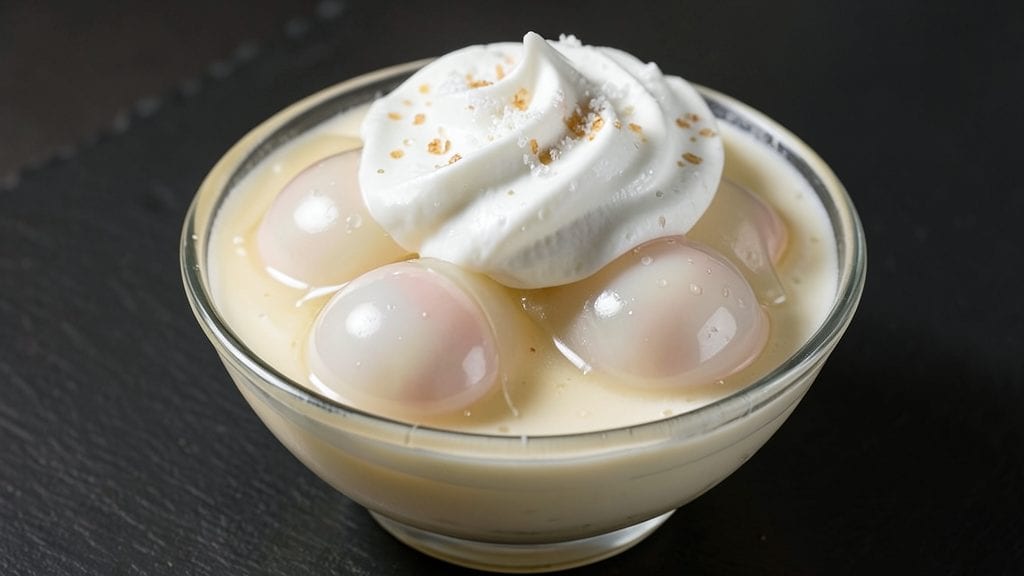
This creamy jello eggs recipe transforms ordinary meringue into ethereal clouds with a hidden gelatin surprise that delivers a velvety, custard-like center. The secret lies in blending gelatin with egg whites before whipping, creating a texture that's impossibly light yet rich—a dessert that looks delicate but delivers restaurant-quality indulgence.
I developed this technique after years of experimenting with meringue-based treats, finally cracking the code for that perfect balance between crisp exterior and creamy interior.
The magic happens in two stages: first, the gelatin-infused meringue is baked until golden, then carefully filled with a warm custard mixture that sets into a silky center. This method ensures every bite delivers that luxurious creaminess without the heaviness of traditional custards.
The result is a dessert that's visually stunning—elegant, cloud-like meringue shells with a glossy, golden finish—and utterly addictive in texture.
What makes this recipe truly special is its versatility. You can customize the flavor profile with vanilla, citrus zest, or even fruit purées infused into the custard filling.
The presentation is equally important—layering the meringue clouds on a platter with fresh berries or a dusting of powdered sugar elevates them from homemade to showstopper. Perfect for special occasions or when you want to impress with minimal effort.
With just five core ingredients and under 45 minutes of active time, you'll have a dessert that looks and tastes like it came from a high-end patisserie. The key is patience during the gelatin preparation and custard filling—every step is designed to ensure that creamy center you're craving.
Let's create these silky meringue clouds together.
Ingredients for creamy jello eggs
Eight essential ingredients transform simple meringue into restaurant-worthy jello eggs with perfect silky centers.
| Ingredient | Amount | Notes |
|---|---|---|
| Large Egg Whites 🥚 | 8 whole | Room temperature for best volume |
| Granulated Sugar 🍚 | 1 ½ cups | Superfine preferred for smooth texture |
| Unflavored Gelatin 🍬 | 2 tbsp | Powdered, high bloom recommended |
| Warm Water 💧 | ¼ cup | 160°F for proper gelatin activation |
| Heavy Whipping Cream 🥛 | 1 cup | Full-fat for optimal stability |
| Vanilla Extract 🌿 | 1 tbsp | Pure vanilla for authentic flavor |
| Powdered Sugar 🍚 | 2 tbsp | For dusting and filling |
| Cornstarch 🌾 | 1 tbsp | For custard thickening |
| Salt 🧂 | ¼ tsp | Fine sea salt for balance |
| Lemon Juice 🍋 | 1 tbsp | Freshly squeezed for brightness |
| Fresh Berries 🍓 | 1 cup | For presentation, optional |
The gelatin quality is non-negotiable—Knox brand is the gold standard for high bloom, ensuring that velvety texture. Walmart or Williams Sonoma carry it reliably, and it keeps indefinitely in a cool, dark pantry. For the egg whites, room temperature is critical; cold whites won't whip properly, and you'll end up with dense clouds instead of ethereal ones. The sugar should be superfine (or pulse regular sugar in a food processor) to prevent graininess in the meringue. If you're using powdered sugar for dusting, Confectioners' sugar with cornstarch works best—avoid the clumpy kind that lumps when shaken.
No vanilla extract? Vanilla bean paste or even a scraped vanilla pod works, though the flavor will be subtly different. Substituting gelatin? Agar-agar at half the weight can mimic texture, but it lacks the same mouthfeel. For the custard filling, cornstarch is essential—it creates that signature silky consistency. If you're making this ahead, pre-mix the dry ingredients (sugar, cornstarch, salt) in a small bowl to avoid lumps when combining with the warm cream mixture. The lemon juice adds brightness, but if you prefer a sweeter profile, reduce it to 0.5 tbsp or omit entirely.
Gelatin-infused meringue clouds keep 2 days at room temperature in an airtight container, though they're best enjoyed fresh for optimal texture. The custard filling can be prepped 1 day ahead and stored in the fridge, reheating gently before filling. For presentation, powdered sugar dusting should be done just before serving—it loses its crispness if applied too early. Freeze the meringue shells for 1 month if needed, but they'll lose some of their delicate structure. The berries should be added last minute to prevent wilting, and any unused gelatin mixture can be refrigerated for 3 days in an airtight container.
Why You'll Love This Recipe
- Foolproof First-Timers: I’ve made this recipe with my 12-year-old—no overcooked eggs, no weird textures. The gelatin and sugar stabilize the whites so well, even if you crack an egg wrong or forget to whisk fast enough.
- Silky Smooth Magic: That jiggly, creamy center? Unreal. The gelatin melts into the egg whites while the sugar keeps them tender, then the whipped cream on top makes it feel like dessert. Honestly, I’ve never had a meringue-like egg this good without the fuss.
- Brunch or Snack: Serve it warm with fruit for a fancy brunch, or chill it for a no-bake dessert. My husband sneaks bites straight from the fridge—no plates, no guilt. (Yes, even on a Tuesday night.)
- Pantry Staple Power: Uses ingredients you already own (check your fridge for gelatin next time). Leftovers? Just reheat or eat cold—no weird science required. I’ve made this for 6 people on $8 worth of groceries. Budget-friendly doesn’t get better.
Step-by-step instructions for silky meringue clouds with hidden gelatin magic
Here's the method—precise, tested, and designed to deliver that signature creamy texture.
Prepare the Gelatin Custard Base
In a small saucepan, combine the 2 tablespoons unflavored gelatin with the 0.25 cup warm water. Stir constantly over low heat until the gelatin dissolves completely, forming a smooth, translucent liquid. The mixture should be completely clear with no visible granules—this ensures even distribution throughout the custard later.
Remove the pan from heat and whisk in the 1 tablespoon cornstarch and 0.25 teaspoon salt. Then, gradually whisk in the 1.5 cups granulated sugar until fully dissolved. This sugar-gelatin mixture will serve as the hidden structural foundation that creates the creamy texture without altering the egg white's delicate structure. Let this mixture cool slightly to room temperature before proceeding.
Whip the Egg Whites to Stiff Peaks
In a separate, immaculately clean mixing bowl, beat the 8 whole large egg whites with the 0.25 teaspoon salt using an electric mixer on medium speed until soft peaks form. Gradually increase the speed to high and continue whipping until the egg whites form glossy, stiff peaks that hold their shape when the beaters are lifted. This process typically takes about 5-7 minutes.
Here's the thing—don't rush this step. The stability of your meringue depends entirely on properly whipped egg whites. You'll know they're ready when the peaks stand straight up and the mixture appears thick and almost rubbery. If you're unsure, test by lifting the beaters—the meringue should hold its shape without collapsing.
Fold in the Cream and Gelatin Mixture
In a separate bowl, whip the 1 cup heavy whipping cream until soft peaks form. In another bowl, combine the cooled gelatin mixture with the 1 tablespoon vanilla extract and 1 tablespoon lemon juice. Gently fold one-third of the whipped egg whites into the gelatin mixture to lighten it, then fold in the whipped cream until just combined.
Now, carefully fold in the remaining egg whites using a spatula, working from the center outward in smooth, gentle motions. The goal is to maintain as much air as possible while incorporating the gelatin mixture evenly. You'll see the mixture become thick and glossy with a ribbon-like consistency that holds its shape when the spatula is lifted. This is the moment that matters—proper folding creates the signature creamy texture without deflating the meringue.
Create the Meringue Shells
Using a piping bag fitted with a large star tip, pipe 4-inch circles of the meringue mixture onto a parchment-lined baking sheet, spacing them about 2 inches apart. Gently tap the baking sheet to release any air bubbles and create smooth, even surfaces. The meringue should hold its shape without spreading.
Bake in a preheated 250°F oven for 1 hour and 15 minutes, or until the meringue is completely dry to the touch. The shells should be crisp on the outside but still slightly soft in the center. This low temperature ensures even drying without browning. Let the shells cool completely before proceeding.
Assemble and Fill the Creamy Centers
Once the meringue shells are completely cool, carefully cut a small hole in the center of each shell using a small round cutter or knife. In a chilled bowl, whip the remaining 2 tablespoons powdered sugar with the 1 cup heavy whipping cream until soft peaks form. Spoon this cream mixture into a piping bag fitted with a small round tip.
Pipe the cream filling into each meringue shell through the hole, filling them about ¾ full. Gently press the hole closed with your finger to seal the filling inside. Arrange the filled meringue shells on a serving platter and refrigerate for at least 2 hours to allow the filling to set completely. For presentation, top each with fresh berries just before serving.
Pro Tips For Making Creamy Jello Eggs
- Bloom the Gelatin Right: Pour the warm water over the gelatin and let it sit for at least 5 minutes—no stirring yet. I learned this the hard way: rushing it means clumps that turn your eggs grainy, no matter how much you whisk later.
- Whip Egg Whites Cold: Chill your bowl and beaters first, then whip the egg whites to stiff peaks. Cold equipment prevents flat, sad meringue that won’t hold its shape when folded into the cream mixture.
- Fold Like You Mean It: Use a spatula to gently fold the gelatin-cream mixture into the whipped egg whites in three additions. Dumping it all in at once collapses the air, and you’ll end up with dense, rubbery eggs instead of light, cloud-like ones.
- Chill Without Freezing: Set the mold in the fridge for 3–4 hours, not overnight—gelatin firms up fast but gets rubbery if overchilled. I used to leave mine in too long, and the texture turned chewy instead of silky.
Troubleshooting this dish
Meringue Won’t Hold Shape
If your meringue collapses or spreads during baking, the egg whites weren’t whipped enough or the bowl had grease residue. First, ensure your mixing bowl is 100% clean—even a trace of fat prevents stiff peaks.
Use a stand mixer (not hand mixer) for maximum volume, and whip until the meringue forms glossy, stiff peaks that hold their shape when the beaters are lifted. If humidity is high, add an extra 1 tablespoon of sugar to help stabilize the structure. 🌡️
Gelatin Not Dissolving
Undissolved gelatin creates grainy texture in your custard filling. Always use warm water (160°F) to activate the gelatin—never hot water, which can break its structure. Stir constantly over low heat until the mixture is completely clear with no visible granules.
If you’re using powdered gelatin, sift it first to prevent clumping. For extra insurance, let the dissolved gelatin cool to room temperature before folding into the egg whites. ⚡
Creamy Center Too Runny
A watery filling usually means the custard wasn’t thickened enough or the meringue shells weren’t sealed properly. For the custard, ensure the cornstarch is fully dissolved in the warm gelatin mixture before combining with cream. Chill the custard for 30 minutes before piping to help it set faster.
When sealing the meringue shells, press the hole closed firmly with your finger to create an airtight seal. If the filling still leaks, refrigerate for an additional 1-2 hours.
Meringue Shells Browning
Browning occurs when the oven temperature is too high or the meringue isn’t fully dried before baking. Stick to a low and slow approach: bake at 250°F for 1 hour and 15 minutes—no higher.
If your oven runs hot, place a baking sheet on the lower rack to reflect heat away from the meringue. For extra insurance, tent the baking sheet with parchment paper during the last 15 minutes of baking to prevent over-browning. 💫
Filling Leaks During Storage
Leaks happen when the custard isn’t fully set before refrigerating or the meringue shells weren’t sealed tightly enough. Always let the custard sit at room temperature for 10-15 minutes after piping to help it firm up slightly before refrigerating.
For extra stability, place the filled meringue shells in the freezer for 10 minutes before transferring to the fridge. If leaks still occur, the meringue shells may not be dry enough—extend the baking time by 15-30 minutes until they’re completely crisp to the touch.
Grainy Texture in Meringue
Gritty meringue is usually caused by undissolved sugar or old egg whites. Use superfine sugar (or pulse granulated sugar in a food processor) to prevent graininess. For the egg whites, use fresh, room-temperature eggs—older eggs whip less efficiently.
If you’re using powdered sugar for the custard filling, sift it first to avoid lumps. For a silky finish, fold the gelatin mixture into the egg whites gently to maintain air incorporation. 💡
Nutrition facts
Frequently asked questions
Why does this recipe use gelatin in meringue?
The gelatin creates a velvety, custard-like center that stays perfectly creamy without being heavy. It dissolves completely into the egg whites, giving the meringue structure while maintaining that signature silky texture when filled with custard. Without it, you'd just have hollow meringue shells!
Can I make these without a stand mixer?
Use a hand mixer, but whip the egg whites for 8-10 minutes until they're stiff and glossy. Work in short bursts to avoid overheating. For the gelatin mixture, a whisk and patience are all you need—just stir constantly over low heat until fully dissolved.
How do I prevent the meringue from cracking?
Cracking happens when humidity is high or the meringue dries too quickly. First, bake at 250°F for the full 1 hour 15 minutes—don't rush it. If your kitchen is humid, add an extra 1 tablespoon sugar to the egg whites. For extra protection, tent the baking sheet with parchment during the last 15 minutes of baking.
What flavor variations work best?
Try infusing the custard filling with 1 teaspoon of matcha powder, ½ teaspoon almond extract, or 1 tablespoon of raspberry purée. For a citrus twist, add 1 tablespoon of lemon or orange zest to the gelatin mixture. Even a pinch of cardamom adds warmth without overpowering.
Can I make these ahead of time?
Yes! Bake the meringue shells 2 days ahead and store in an airtight container. Prep the custard filling 1 day ahead and refrigerate. Assemble the filled meringue just before serving—this keeps the texture perfect. For make-ahead parties, pipe the custard into the shells and freeze them for up to 1 month. Thaw at room temperature before serving.