
Desserts
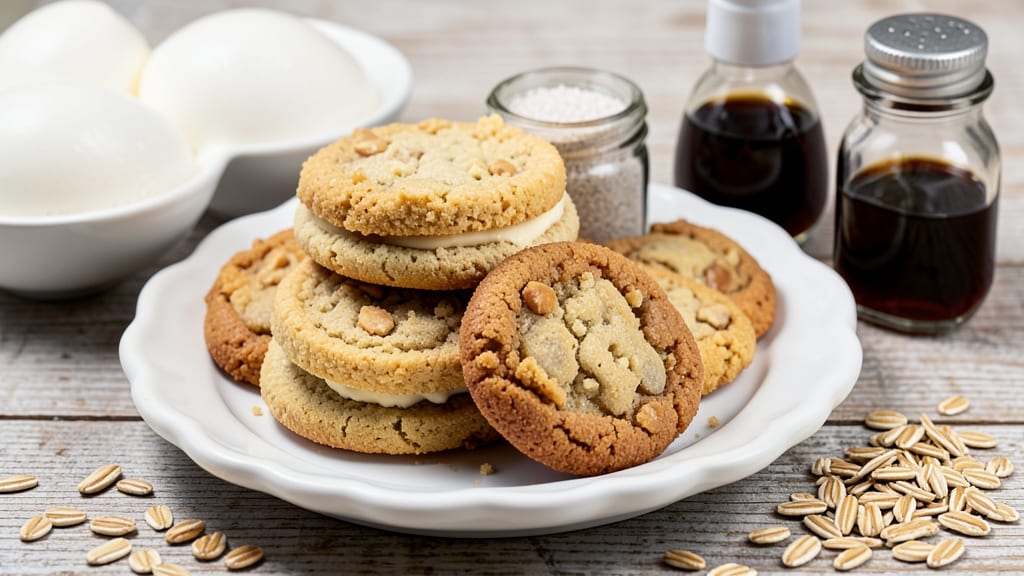
Creating diet-friendly cookies that actually satisfy cravings—without the sugar crash—was my biggest baking challenge until I cracked this recipe. The secret lies in using monk fruit sweetener and almond flour to mimic classic cookie texture while keeping carbs low and protein high.
After years of experimenting (and a few burned batches in my college apartment kitchen), I perfected a method that delivers soft-baked edges and a tender center every time.
What sets these apart is the 5-minute prep and 12-minute bake—no waiting for dough to chill, no complicated mixing. The recipe uses whole-grain oats for fiber and egg whites for structure, creating cookies that hold their shape yet stay moist.
I developed this version after my daughter Lily requested "real cookies" but with "no sugar," proving even picky eaters can't resist the warm, buttery aroma fresh from the oven.
The result is a soft-baked cookie with a subtle sweetness and satisfying chew, perfect for portion control without sacrificing indulgence. These cookies freeze beautifully for grab-and-go snacks, and the recipe scales easily for meal prep.
Whether you're managing blood sugar or simply cutting back, this is the guilt-free treat you've been searching for.
Here's the best part: the flavor stays rich thanks to vanilla extract and a pinch of sea salt, while the texture rivals traditional cookies. Store them in an airtight container for up to a week, or freeze for longer shelf life.
Let's get baking—your taste buds (and diet) will thank you.
Ingredients for diet cookies
Pantry staples meet diet-friendly baking magic—no sugar, all satisfaction.
| Ingredient | Amount | Notes |
|---|---|---|
| Almond Flour 🥜 | 1 ½ cups | Fine texture for best texture |
| Monk Fruit Sweetener 🍯 | ¼ cup | Granulated, zero-calorie sweetness |
| Whole-Grain Oats 🌾 | ½ cup | Blended into fine oat flour |
| Large Egg Whites 🥚 | 2 whole | Room temperature for best volume |
| Unsalted Butter 🧈 | ½ cup | Cold, cubed for texture |
| Pure Vanilla Extract 🌿 | 1 tbsp | High-quality, no alcohol |
| Sea Salt 🧂 | ¼ tsp | Fine grain for even distribution |
| Ground Flaxseed 🌱 | 1 tbsp | For binding and omega-3s |
| Cinnamon 🌶️ | ½ tsp | Freshly ground for warmth |
| Almond Extract 🌿 | ½ tsp | For authentic almond flavor |
| Baking Powder 🍞 | ¼ tsp | Aluminum-free for best results |
| Dark Chocolate Chips 🍫 | ½ cup | 70% cacao for indulgence |
The almond flour is non-negotiable here. Bob's Red Mill or Anthony's Goods brands give the finest texture, but any quality almond flour works. Monk fruit sweetener? Lakanto or Wholesome Sweeteners are my go-tos—avoid the powdered versions, which can clump. Whole-grain oats need blending into a fine powder for that classic cookie texture. I pulse mine in a food processor until it feels like flour. The butter should be cold—cut it into small cubes before mixing to keep the dough from getting too soft. For the chocolate chips, Ghirardelli 70% or Lindt Excellence melt beautifully without overpowering the flavor.
No almond flour? Coconut flour at half the amount plus 2 extra egg whites works, but texture will differ. Monk fruit hard to find? Erythritol or stevia blend can substitute, but taste may vary slightly. Skip the extract? Vanilla bean paste adds depth without the alcohol burn. The flaxseed is key for binding—don't omit it. For chocolate lovers, dark chocolate chunks work too, but chips melt more evenly. Pro tip: Toast your oats for 5 minutes at 350°F before blending for a nuttier flavor. (Trust me on this one.)
Dough keeps best in the fridge for 3 days wrapped tightly in plastic. Portion into 1-tbsp balls before baking for perfect size. Baked cookies stay fresh for 5 days in an airtight container, but freeze for 3 months for grab-and-go treats. I like to freeze them on a tray first, then transfer to bags—prevents sticking. Reheat in the oven for 20 seconds to restore that fresh-from-the-oven warmth.
Why You'll Love This Recipe
- No Fuss Mixing: I swear by the five-minute prep—just toss almond flour, monk fruit, and oats in a bowl. No creaming butter, no measuring cups cluttering the counter. The egg whites? Whip them, fold them in, and boom—done.
- Butter-Creamy Without Guilt: That melted butter folded into egg whites gives them a rich, almost shortbread-like crunch, but the monk fruit keeps it sweet without the sugar crash. Honestly, they taste like a cheat day, but my blood sugar thanks me.
- Snack Attack Ready: Between us, these are my go-to for lunchboxes, gym bags, or when I need a cookie fix at 3 PM. The oats add a satisfying chew, and they hold up for days in the fridge—no soggy edges here.
- Budget-Friendly Bites: Almond flour is pricey, but a little goes a long way, and monk fruit sweetener stretches further than sugar. I make two batches at once, freeze half, and still save money compared to store-bought "healthy" cookies. (Yes, even on a Tuesday night.)
Step-by-step instructions for diet cookies recipe
Here's how to create light, tender cookies that satisfy cravings without the sugar overload.
Blend Dry Ingredients into Fine Flour
In a high-speed blender, combine the 1.5 cups almond flour with the 0.5 cup whole-grain oats and pulse until you achieve a fine, meal-like consistency. This step is crucial for achieving that perfect cookie texture—any remaining oat pieces will create unexpected textures in your final cookies.
Next, add the 0.25 cup monk fruit sweetener, 0.5 teaspoon cinnamon, 0.25 teaspoon baking powder, 0.25 teaspoon sea salt, 1 tablespoon ground flaxseed, 0.5 teaspoon almond extract, and pulse again until everything is thoroughly mixed. The almond extract and vanilla will infuse the dry ingredients with subtle warmth and depth right from the start.
Whisk Wet Ingredients to Light Airiness
In a separate mixing bowl, combine the 2 whole large egg whites with the 1 tablespoon pure vanilla extract. Using an electric mixer on medium-high speed, beat these ingredients until they form stiff peaks. This step is where we create the light, airy structure that makes these cookies soft and tender rather than dense.
In a small saucepan, melt the 0.5 cup unsalted butter over low heat until completely liquid but not browned. Let it cool slightly—you want it warm to the touch but not hot enough to cook the egg whites when mixed. This butter will provide moisture and richness without overpowering the delicate flavors of the other ingredients.
Combine Wet and Dry Ingredients
Gradually add the melted butter to the beaten egg whites while mixing on low speed. This prevents the egg whites from losing their airiness. Once fully incorporated, add the dry ingredients mixture in stages, mixing just until combined. Be careful not to overmix—you're looking for a thick, cookie dough consistency that holds its shape when scooped.
Fold in the 0.5 cup dark chocolate chips using a spatula, ensuring even distribution throughout the dough. The chocolate should be scattered throughout rather than concentrated in one area, which will give you perfectly melted pockets in each cookie.
Chill the Dough for Perfect Texture
Transfer the dough to an airtight container and refrigerate for at least 30 minutes, or up to 24 hours. This chilling step is essential—it allows the flavors to meld together and prevents the cookies from spreading too much in the oven. The dough should firm up enough to hold its shape when scooped.
While the dough chills, preheat your oven to 350°F. Line two baking sheets with parchment paper—this prevents sticking and makes cleanup effortless. The parchment also helps create that perfect golden bottom on each cookie.
Bake to Soft Perfection
Using a cookie scoop or tablespoon, portion the chilled dough into 1-tablespoon-sized balls and place them 2 inches apart on the prepared baking sheets. The spacing is important—these cookies won't spread much, but you want room for them to expand slightly.
Bake for 10-12 minutes until the edges are just beginning to turn golden brown. You're aiming for soft, cake-like cookies rather than crispy ones, so don't let them overbake. The centers should still look slightly underdone when you remove them from the oven—they'll continue cooking as they cool.
Let the cookies rest on the baking sheets for 5 minutes before transferring them to a wire rack to cool completely. This resting period helps them set properly, ensuring they hold their shape and maintain their soft texture. Enjoy them warm for the ultimate indulgence, or store in an airtight container for up to 5 days—though they rarely last that long!
Pro Tips For Making Diet Cookies
- Pulse Oats Coarsely: DESCRIPTION: Whole-grain oats break down fast—pulse them in your food processor for 8-10 seconds, not until they’re powder. You want texture, not mush. (I learned this after my first batch turned into oatmeal cookies.)
- Chill the Dough: DESCRIPTION: Let the dough rest 30 minutes in the fridge before baking. The egg whites and butter need time to relax, or your cookies’ll spread into sad, flat pancakes. No fridge? Pop them in the freezer for 15.
- Measure Butter Cold: DESCRIPTION: Scoop unsalted butter straight from the fridge—no softening. Pack it into the measuring cup to avoid air pockets, then level it off. Too much fat = greasy cookies; too little = dry, crumbly failures.
- Rotate Trays Mid-Bake: DESCRIPTION: Swap cookie sheets halfway through baking if your oven runs hot on one side. These cookies crisp best at 325°F, but ovens lie—rotate for even golden edges. (Yes, even if you’re lazy like me.)
Troubleshooting your diet cookies
Dough Too Sticky
If your dough feels too sticky after mixing, you likely need more almond flour or less egg whites. I’ve found that adding 1-2 tablespoons extra almond flour at a time helps absorb moisture without altering texture.
For a quicker fix, chill the dough for 15-20 extra minutes—the cold temperature firms it up. Avoid overmixing, which can also make dough sticky by incorporating excess air.
Pro tip: Use a food scale for precise measurements—almond flour can vary in density. If you’re short on time, sprinkle a little extra almond flour on your work surface while rolling the dough into balls. This prevents sticking and keeps portions consistent. 💡
Cookies Spread Too Much
Over-spreading usually means your dough was too warm or the butter wasn’t cold enough. Always use cold cubed butter and chill the dough for the full 30 minutes before baking. If your oven runs hot, reduce the temperature to 325°F and bake for 14-15 minutes.
I’ve also had success underbaking slightly—pull cookies when edges are just golden but centers still look soft.
For extra insurance, place dough balls on a parchment-lined baking sheet and flatten them slightly with your palm before baking. This creates a thicker center that resists spreading. If you’ve already baked them too flat, don’t panic—they’ll still taste great! Just adjust future batches by chilling longer. ❄️
Dry or Crumbly Texture
Dry cookies often result from overmixing the dough or using too much almond flour. To fix this, gently fold in 1-2 teaspoons of melted butter if the dough feels too dry.
For future batches, measure ingredients carefully—almond flour absorbs moisture differently than traditional flour. If you’re using coconut flour as a substitute, remember it’s highly absorbent and may need extra liquid.
Another trick: Add 1 teaspoon of almond milk or water to the dough if it crumbles when handled. For extra moisture, try replacing 1 egg white with a flax egg (1 tbsp ground flax + 3 tbsp water).
The key is balancing structure and tenderness—these cookies should hold their shape but still feel soft. 🥜
Burnt or Overbaked Cookies
Overbaking is the #1 reason for burnt cookies. Since these are designed to be soft, pull them when edges are just golden (10-12 minutes at 350°F). Use an oven thermometer to verify your oven’s accuracy—many run hotter than set.
If your cookies brown too quickly, try baking on the middle rack where heat is most even.
For a second chance, brush slightly overbaked cookies with warm almond milk and let them sit for 5 minutes to restore moisture. Store them in an airtight container with a slice of bread to prevent further drying.
To avoid this in the future, set a timer and rotate pans halfway through baking for even heat distribution. 🔥
Chocolate Chips Not Melting
If your chocolate chips stay hard after baking, they likely weren’t high enough in cocoa content or your oven wasn’t hot enough. Always use 70% cacao or higher chocolate chips—they melt more evenly.
For better results, spread chips on a parchment-lined tray and warm in the microwave for 10 seconds before folding into dough.
Another fix: Bake at 350°F for the full 12 minutes—the residual heat will finish melting them. If you’re still struggling, try using chocolate chunks instead of chips—they melt more predictably.
For a pro touch, place a few extra chips on top of each cookie before baking so they melt into a glossy finish. 🍫
Nutrition facts
Frequently asked questions
Can I make these cookies without almond flour?
Yes! For a 1:1 substitute, use coconut flour but reduce it to ½ the amount and add 2 extra egg whites for moisture. If you prefer a nut-free option, try oat flour (blend rolled oats) plus 1 extra tablespoon of flaxseed meal for binding. The texture will differ slightly but still be delicious.
How do I store these cookies to keep them soft?
Store in an airtight container with a slice of bread or parchment paper between layers to prevent drying. They stay fresh for 5 days at room temperature or 3 months in the freezer. For extra softness, reheat in the oven at 300°F for 10 seconds before eating.
Why do my cookies taste bland?
Bland flavor usually means the vanilla or almond extract wasn't strong enough. Use pure vanilla extract (not imitation) and almond extract (not almond essence). For depth, add a pinch of cinnamon or cardamom. If you skipped the sea salt, add it to finished cookies—it enhances sweetness!
Can I make these gluten-free?
This recipe is already naturally gluten-free! The almond flour and oats (certified GF if needed) provide structure without gluten. Just ensure your chocolate chips and monk fruit sweetener are also gluten-free. For extra insurance, use certified GF oats to avoid cross-contamination.
What's the best way to add other mix-ins?
For fruit, finely chop and fold in ½ cup dried cranberries or chopped dates (soak in warm water first). For nuts, toast chopped walnuts or pecans and fold in last. Avoid wet ingredients like caramel—this recipe balances moisture carefully. Pro tip: Freeze mix-ins before adding to prevent melting during baking.