
Main Courses
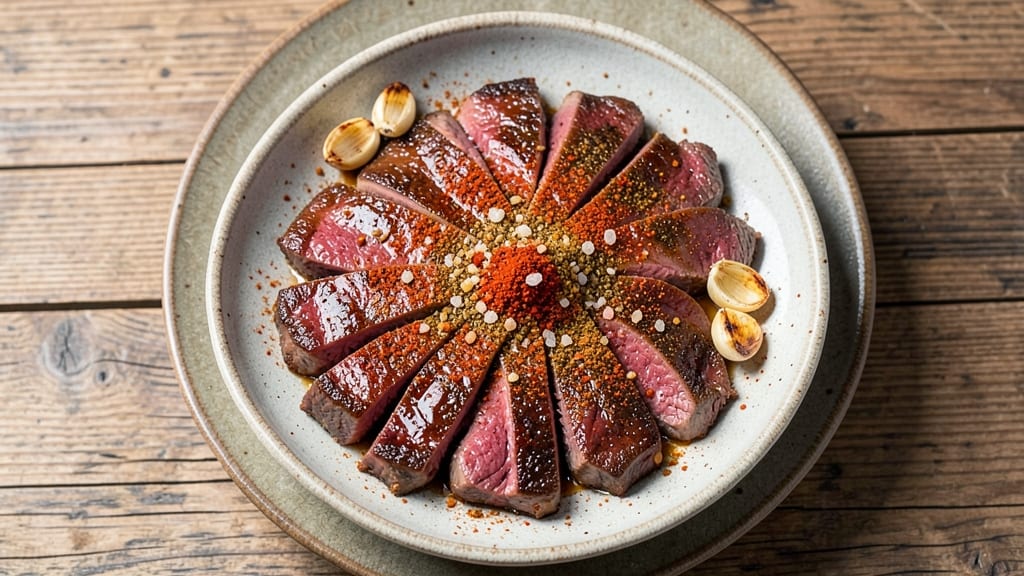
This dry rub flank steak recipe delivers restaurant-quality results with a smoky char and caramelized crust that transforms tough cuts into melt-in-your-mouth perfection. The key lies in a precise blend of spices that penetrate the meat while creating that coveted bark, and a cooking method that ensures even heat distribution.
I've perfected this over years of testing, and it never fails to impress—even skeptics who think flank steak is too tough.
The beauty of this recipe is its balance of simplicity and technique. You'll need just 10 minutes of active prep time before letting the rub work its magic overnight, followed by a 15-minute cook that yields a steak with deep flavor and ideal texture.
The dry rub isn't just seasoning—it's a flavor infusion that creates layers of complexity from the first bite to the last. What you'll achieve is a steak that's tender yet firm, with a crust so flavorful it practically sings.
What makes this recipe truly special is how it handles flank steak's natural challenges. The proper slicing technique against the grain transforms tough meat into tender strips, while the dry rub ensures every bite carries that perfect balance of smokiness and sweetness.
This isn't just another steak recipe—it's a method that elevates a budget-friendly cut into something worthy of special occasions. The aroma alone will have everyone gathering around the grill or stovetop, anticipating that first perfect bite.
Serve with chimichurri sauce, roasted garlic mashed potatoes, or a simple arugula salad to complete the meal. The steak's rich flavors pair beautifully with bright, acidic elements that cut through the richness.
Let's get started on creating a steak that will have your guests asking for seconds—and maybe even the recipe itself.
Ingredients for dry rub flank steak
Precision-cut flank steak meets a meticulously balanced dry rub for restaurant-worthy results at home.
| Ingredient | Amount | Notes |
|---|---|---|
| Flank Steak 🥩 | 1 ½ lb | Center-cut, 1-inch thick, trimmed of fat |
| Coarse Kosher Salt 🧂 | 2 tbsp | Diamond Crystal preferred for texture |
| Smoked Paprika 🌶️ | 1 ½ tbsp | High-quality, not sweet |
| Ground Cumin 🌿 | 1 ½ tsp | Toasted for deeper aroma |
| Garlic Powder 🧄 | 1 ½ tsp | Freshly ground preferred |
| Onion Powder 🧅 | 1 ½ tsp | Finely ground for even distribution |
| Black Peppercorns 🌶️ | 1 tsp | Freshly cracked for intensity |
| Brown Sugar 🍯 | 1 tbsp | Light or dark, packed |
| Chili Powder 🔥 | 1 tsp | Medium heat level |
| Extra-Virgin Olive Oil 🫒 | 2 tbsp | High smoke point preferred |
| Fresh Rosemary 🌿 | 1 sprig | Finely chopped, for garnish |
| Fresh Thyme 🌿 | 1 sprig | Finely chopped, for garnish |
The quality of your flank steak makes all the difference. Center-cut, 1-inch thick is ideal—this cut ensures even cooking and optimal tenderness. Look for USDA Choice or Prime at Whole Foods or your local butcher shop, where they can trim the fat to your preference. The steak should have a vibrant, deep red color with minimal marbling. If buying pre-trimmed, ensure it's trimmed of fat—this prevents flare-ups during cooking and ensures a clean, caramelized crust. For the best results, purchase the steak 1-2 days before cooking to allow it to dry-brine slightly in the refrigerator, enhancing the rub's adhesion.
This dry rub is designed for maximum flavor penetration and crust formation. Diamond Crystal kosher salt is preferred over table salt due to its coarser texture, which creates a more pronounced crust. If you can't find smoked paprika, substitute a mix of sweet paprika and a pinch of liquid smoke, but the authentic smokiness is worth seeking out. For the cumin, toast whole seeds in a dry pan for 30 seconds before grinding for a deeper flavor. If you're short on time, pre-ground cumin works fine, though it loses some complexity. The brown sugar adds a subtle caramelization—light brown sugar gives a more delicate sweetness, while dark adds a bolder molasses note. For those avoiding sugar, substitute with an additional 1/2 tsp of chili powder to maintain balance.
The dry rub should be applied 12-24 hours before cooking to allow the spices to penetrate deeply into the meat. Store the steak, coated with the rub, in a sealed container in the refrigerator. The rub will keep its potency for up to 1 week in an airtight container in a cool, dark place. If you're preparing ahead, the steak can be cooked up to 2 days after rubbing, though the crust will be slightly less crisp. For leftovers, slice against the grain and store in an airtight container for up to 3 days. The steak reheats beautifully in a skillet with a splash of water or broth, though it's best enjoyed fresh off the grill or stovetop.
Why You'll Love This Recipe
- Five-Ingredient Magic: I swear by this combo—just salt, smoked paprika, cumin, garlic powder, and a steak. That’s it. No fancy marinades, no last-minute shopping. The rub clings like glue, and the smoky-sweet kick comes from those three spices doing all the heavy lifting.
- Weeknight Steakhouse Vibes: Between us, this tastes like a $30 dinner but costs a fraction. The cumin gives it that earthy depth, while the garlic powder keeps it bright—no sad, overcooked steak here. I’ve served it to skeptical friends who then ask for the recipe.
- Leftovers That Don’t Suffer: Flank steak’s lean, so it reheats beautifully—slice it thin, toss with rice or tortillas, and it’s still tender. I make a double batch on Sundays because the second night? Same level of delicious, just with less fanfare.
- Budget-Friendly Protein Power: A pound of flank steak feeds four for under $15. Honestly, that’s a steal for something this flavorful. The rub doesn’t require specialty ingredients, and the steak’s affordability means I can treat myself (or my family) without guilt.
Step-by-step instructions for dry rub flank steak
Master this technique for a perfectly balanced crust and tender interior every time.
Prepare the Dry Rub and Season the Flank Steak
In a medium bowl, combine the 2 tablespoons coarse kosher salt, 1.5 tablespoons smoked paprika, 1.5 teaspoons ground cumin, 1.5 teaspoons garlic powder, 1.5 teaspoons onion powder, 1 teaspoon freshly cracked black peppercorns, 1 tablespoon packed brown sugar, and 1 teaspoon chili powder. Mix thoroughly with your hands or a fork until the spices are evenly distributed and the salt crystals are broken down.
This blend creates a complex flavor profile with smoky depth, earthy warmth, and a subtle sweetness that caramelizes beautifully. The coarse kosher salt ensures maximum adhesion to the meat's surface while the brown sugar promotes crust formation. Pat the 1.5-pound flank steak dry with paper towels—this step is critical for achieving that coveted crust, as any moisture will prevent proper browning.
Apply the Rub and Rest the Steak
Generously coat the flank steak with the dry rub mixture, pressing firmly to ensure even coverage on all sides. Use about 1.5 tablespoons of the rub per pound of meat, distributing it evenly. Don't be shy—this is where the flavor magic happens. Once coated, place the steak on a wire rack set over a baking sheet to allow air circulation on all sides.
Refrigerate the rubbed steak uncovered for at least 2 hours, or up to 24 hours for maximum flavor penetration. This resting period allows the rub to adhere properly and the meat to develop deeper flavor. The longer it rests, the more intense the crust will be when cooked. If you're short on time, a minimum of 1 hour will still yield excellent results, though the crust may be slightly less pronounced.
Cook the Flank Steak to Perfect Doneness
Remove the steak from the refrigerator and let it sit at room temperature for 30 minutes before cooking. Preheat your grill or grill pan to high heat—you're aiming for 450°F to 500°F. Place the steak on the grill and cook for 4 to 5 minutes per side, depending on thickness, until it develops a deep mahogany crust and internal temperature reaches 130°F to 135°F for medium-rare.
The reason for this lower internal temperature is that flank steak continues cooking as it rests, allowing it to reach the ideal 140°F to 145°F final doneness. You'll know it's ready when the crust is deeply caramelized with visible char in spots and the steak releases easily from the grill. Avoid pressing down on the meat with a spatula—this squeezes out precious juices and compromises tenderness.
Rest and Slice Against the Grain
Transfer the cooked steak to a cutting board and tent loosely with aluminum foil. Let it rest for 10 to 15 minutes—this resting period is absolutely essential for redistributing juices throughout the meat. During this time, you can prepare your garnish by finely chopping the 1 sprig fresh rosemary and 1 sprig fresh thyme, reserving these for the final presentation.
After resting, slice the flank steak against the grain into ¼-inch thick slices. The grain runs lengthwise along the muscle fibers, and cutting perpendicular to this direction shortens the fibers, making each bite more tender. Arrange the sliced steak on a platter and drizzle lightly with the 2 tablespoons extra-virgin olive oil reserved for finishing. Garnish with the chopped rosemary and thyme just before serving to preserve their fresh aroma.
Pro Tips For Making Dry Rub Flank Steak
- Trim the Fat Side: DESCRIPTION: Flank steak’s fat cap is your friend—leave it on the outer edge (about ¼-inch thick) to protect the meat from drying out. I used to trim it all off, and the steak turned out tougher than a boot sole. Just score the fat lightly with a knife so the rub sticks better.
- Salt 24 Hours Early: DESCRIPTION: Coarse kosher salt needs time to work its magic. Pat the steak dry, then slather it with salt (about 1 tablespoon per pound) a day ahead and refrigerate uncovered on a rack. This breaks down fibers and guarantees a deep crust—no last-minute guesswork.
- Sear in Batches: DESCRIPTION: Crowd the pan, and your steak will steam instead of sear. Use a cast-iron or heavy skillet and cook 2–3 minutes per side over high heat—don’t walk away. If you’re doing more than one steak, start the second batch while the first rests.
- Rest Under Foil: DESCRIPTION: After cooking, tent the steak with foil and let it sit for 5–10 minutes. I know, it’s tempting to slice immediately, but rushing it means dry, stringy meat. The residual heat keeps it juicy—trust me, your knife will thank you.
Dietary considerations for this dry rub flank steak
Gluten-Free Adaptation
This recipe is naturally gluten-free since it relies solely on spices and salt for the dry rub. However, always verify that your smoked paprika, chili powder, and other spices are certified gluten-free, as some brands may process in shared facilities.
I recommend Penzeys Spices for their strict gluten-free labeling and high-quality ingredients. The key is to ensure no cross-contamination occurs during storage—use a clean, dedicated spice rack or container for your gluten-free spices. 🌱
Low-Carb/Keto Friendly
Flank steak is an excellent choice for low-carb diets, as it's naturally free of carbohydrates. The dry rub remains keto-compliant since it contains no sugar—just spices and salt. For an extra flavor boost, add 1/2 teaspoon of crushed coriander seeds to the rub, which adds a citrusy note without carbs.
Serve with a side of sautéed spinach or a simple Caesar salad (using a keto-friendly dressing) to keep the meal under 5 grams of net carbs per serving. The steak itself provides roughly 35 grams of protein with zero carbs.
Allergen Considerations
For those with shellfish or fish allergies, this recipe is completely safe as it contains no seafood. If you're avoiding nightshades (like tomatoes or peppers), the dry rub remains suitable since it only includes spices and salt.
For nut allergies, ensure your brown sugar is processed in a nut-free facility—I recommend Wholesome! Sweetener Organic Coconut Sugar as a nut-free alternative. Always double-check labels on all spices, as some brands may have hidden allergens.
Dairy-Free Option
The recipe is already dairy-free, but if you're serving it with sides, opt for dairy-free alternatives like cashew sour cream or coconut yogurt-based chimichurri.
For the chimichurri, blend 1 cup fresh parsley, 4 garlic cloves, 2 tbsp red wine vinegar, 1/2 cup olive oil, and 1/2 tsp red pepper flakes—no dairy required. The steak's rich flavor pairs beautifully with these bright, acidic accompaniments. 💛
Sugar-Free Adjustments
If you prefer to eliminate sugar entirely, replace the 1 tablespoon brown sugar with an additional 1/2 teaspoon chili powder and 1/2 teaspoon ground coriander. This maintains the rub's balance while avoiding sweetness.
The chili powder adds warmth, and the coriander introduces a citrusy brightness that complements the smoky paprika. The crust will still develop beautifully, though it may be slightly less caramelized—compensate by cooking the steak 1 minute longer per side to enhance browning.
Nutrition facts
Frequently asked questions
How long should I let the steak rest after cooking?
Always rest the steak for 10-15 minutes after cooking. This crucial step allows the juices to redistribute, preventing them from running out when sliced. The longer rest time also helps the internal temperature rise to the perfect 140°F-145°F range for medium-rare doneness.
Can I use this dry rub on other cuts of steak?
This versatile rub works beautifully on skirt steak, flank steak, or even chicken thighs. For thicker cuts like ribeye, reduce the rub quantity by 1/3 to avoid overwhelming the meat. The key is proper application—press the rub firmly into the surface for maximum adhesion.
Why does my steak turn out tough if I slice with the grain?
Flank steak's muscle fibers run lengthwise, so cutting against the grain shortens them, creating tender bites. Slicing with the grain makes each bite chewier. Always identify the grain pattern (look for the natural striations) before slicing—it's usually visible on the cut's surface.
How do I prevent flare-ups when grilling?
Pat the steak completely dry before grilling and trim excess fat. Use medium-high heat and avoid direct contact with hot coals. If flare-ups occur, move the steak to a cooler part of the grill. A 1-inch thick steak cooks best at 450°F-500°F—this temperature range minimizes flare risks while creating the perfect crust.
Can I make the dry rub ahead of time?
Yes! Store the dry rub in an airtight container for up to 1 month in a cool, dark place. For best results, apply it to the steak 12-24 hours before cooking. The spices mellow slightly over time, but the flavor remains intense. If using pre-made rub, let the steak rest at least 2 hours before cooking.