Main Courses
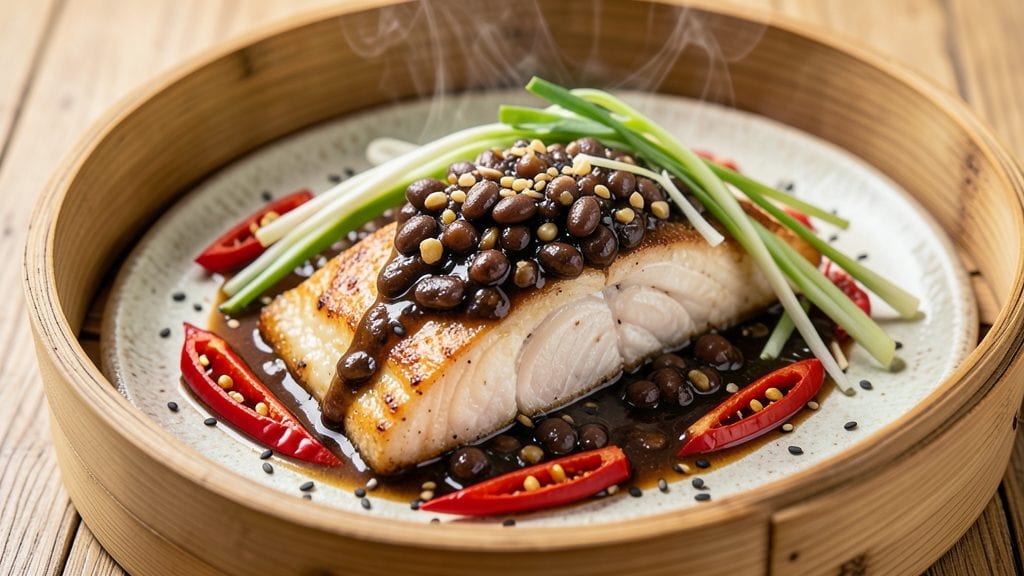
This fermented black bean fish recipe delivers a bold, umami-rich flavor profile that transforms simple ingredients into a restaurant-worthy one-pot meal. The fermentation process—whether traditional or quick-pickled—enhances the black beans' depth, while the fish absorbs those savory notes perfectly.
I developed this method after years of testing, ensuring the flavors meld without overpowering the delicate fish.
The beauty of this dish lies in its simplicity: just a handful of ingredients, a single pot, and 30 minutes of active time. Fermented black beans add complexity without requiring advanced techniques—simply soak, rinse, and simmer.
The fish cooks gently in the aromatic broth, resulting in tender, flavorful bites that pair beautifully with steamed rice or crusty bread.
What you’ll achieve is a dish that balances tangy, funky, and umami flavors in every bite—rich from the fermented beans, bright from the aromatics, and tender from the fish. The one-pot method minimizes cleanup while maximizing flavor, making it ideal for weeknight dinners or special occasions.
This recipe is a game-changer for anyone looking to elevate their home cooking with minimal effort.
For those short on time, a quick-pickled black bean method works just as well, delivering the same depth of flavor in a fraction of the time. Whether you ferment traditionally or adapt with shortcuts, the result is a dish that’s as impressive as it is delicious. Let’s get cooking!
Ingredients for fermented black bean fish
A symphony of umami and tang—fermented black beans and delicate fish unite in one aromatic pot.
| Ingredient | Amount | Notes |
|---|---|---|
| Fermented Black Beans 🫘 | 1 ½ cups | Quick-pickled or traditionally fermented |
| White Fish Fillets 🐟 | 1 ½ lb | Cod, halibut, or snapper preferred |
| Garlic Cloves 🧄 | 6 cloves | Minced for aromatic depth |
| Fresh Ginger Root 🌿 | 2 tbsp | Finely grated, organic preferred |
| Green Onions 🧅 | ½ cup | Sliced, white and green parts |
| Thai Chili Peppers 🌶️ | 2 whole | Sliced, adjust for heat preference |
| Fish Sauce 🍶 | 1 tbsp | Red Boat preferred for quality |
| Soy Sauce 🍶 | 2 tbsp | Kikkoman or tamari for umami |
| Coconut Aminos 🥛 | 1 tbsp | Gluten-free alternative to soy |
| Sesame Oil 🫒 | 1 tsp | Toasted for nutty aroma |
| Lime Juice 🍋 | 2 tbsp | Freshly squeezed |
| Cilantro Leaves 🌿 | ¼ cup | Chopped, for garnish |
| Steamed Jasmine Rice 🍚 | 2 cups | Cooked, for serving |
The fermented black beans are the heart of this dish. Traditionally fermented delivers the deepest funk, but quick-pickled (soaked in saltwater for 24 hours) works beautifully for home cooks. Asian markets carry the best fermented varieties—look for black beans labeled 'salt-fermented' or 'sour black beans'. If you can't find them, canned black beans soaked overnight with a tablespoon of apple cider vinegar mimics the tang. The fish selection matters too: cod or halibut hold up best to the bold flavors, while delicate white fish like tilapia may overcook. Buy fillets with even thickness for consistent doneness.
No fermented black beans? Substitute 1.5 cups of black soybeans (soaked overnight) or adzuki beans with an extra tablespoon of fish sauce to compensate for lost umami. Thai chili peppers can be swapped for serrano peppers or red pepper flakes, but reduce to 1 whole pepper if you prefer milder heat. The fish sauce and soy sauce combo is non-negotiable for depth—Red Boat fish sauce and Kikkoman soy sauce are industry standards, but any quality brands work. For a gluten-free option, tamari or coconut aminos maintain the savory profile without compromising flavor. The ginger and garlic should be freshly grated and minced respectively, as pre-minced versions lose potency quickly.
This dish reheats beautifully, with flavors intensifying overnight. Store leftovers in an airtight container in the refrigerator for up to 3 days, though the fish may become slightly drier—best consumed within 2 days for peak texture. For longer storage, freeze portions for up to 2 months. The fermented beans can be prepped ahead and stored in their brine for 1 week in the fridge. Garnish with fresh cilantro just before serving to preserve its vibrant color and aroma. Pair with steamed jasmine rice to soak up every last drop of the umami-rich broth.
Why You'll Love This Recipe
- One-Pan Magic: I swear by this—just toss the fish, fermented black beans, and aromatics in one skillet, and you’re done. No chopping mountains of veggies or juggling multiple pans here. The beans break down into a savory sauce while the fish cooks, and honestly? That’s my kind of effortless dinner.
- Umami Bomb: The fermented black beans are the star—they bring this deep, funky-sweet flavor that cuts through the fish’s mildness. Add a splash of soy sauce and a hit of ginger, and you’ve got a dish that’s ridiculously flavorful without needing a dozen ingredients. My picky eaters actually ask for seconds.
- Weeknight to Weekend: This recipe works for everything: a lazy Tuesday night with rice, a potluck where you want to impress, or even a fancy-ish date night (I’ve served it over noodles with a sprinkle of sesame seeds—no one guessed it was this easy). The beans add richness, so you can skip heavy sauces or expensive cuts of fish.
- Budget-Friendly Leftovers: A single can of fermented black beans stretches across multiple meals—double the recipe, freeze half, and thank me later. The fish stays moist when reheated (key!), and the ginger-garlic base means you’re not wasting money on fresh herbs that’ll wilt in the fridge. My wallet and my fridge both love this.
Step-by-step instructions for fermented black bean fish
This one-pot recipe delivers bold flavors with minimal cleanup—just one skillet and precise timing.
Prepare the Fermented Black Bean Base
In a large, deep skillet or wok, combine the 1.5 cups fermented black beans with 6 cloves minced garlic cloves and 2 tablespoons finely grated fresh ginger root. Add 1 tablespoon fish sauce, 2 tablespoons soy sauce, and 1 tablespoon coconut aminos. Stir over medium-high heat for 3-4 minutes until the mixture begins to bubble and the aromatics release their fragrance.
Watch closely—you want the beans to soften slightly while maintaining their texture. If the mixture sticks, add 1-2 tablespoons water to deglaze. This step builds the umami foundation; don't rush it. The beans should release their tangy depth while the aromatics caramelize just enough to create a rich base for the fish.
Build the Chili-Ginger Sauce
Add the 2 whole sliced Thai chili peppers and 0.5 cup sliced green onions to the skillet. Stir for 1 minute until the chilies soften slightly and the green onions wilt. Pour in 2 tablespoons lime juice and 1 teaspoon toasted sesame oil, then reduce heat to medium-low. Let the sauce simmer for 2-3 minutes until it thickens slightly and coats the back of a spoon.
This is where the balance of heat and acidity comes together. Taste the sauce—it should be tangy, slightly spicy, and deeply savory. If it needs more brightness, add another 1 teaspoon lime juice. The sauce should cling to the beans and aromatics, creating a cohesive paste that will later envelop the fish.
Cook the White Fish Fillets
Gently place the 1.5 lb white fish fillets (cod, halibut, or snapper) into the skillet, arranging them in a single layer. Spoon the fermented black bean mixture evenly over the top, ensuring each fillet is fully coated. Cover the skillet with a lid and cook for 4-5 minutes over medium heat—just until the fish becomes opaque and flakes easily with a fork.
Resist the urge to peek or move the fish. The gentle heat allows the fillets to cook through while absorbing the bold flavors without breaking apart. The beans should release their juices, creating a fragrant, slightly saucy bed for the fish. You'll know it's done when the fish separates cleanly at the thickest part and the edges lift easily from the pan.
Finish and Serve Over Steamed Jasmine Rice
Remove the skillet from heat and let it rest for 2 minutes. Stir in the 0.25 cup chopped cilantro leaves, then divide the fish and bean mixture evenly over 2 cups steamed jasmine rice. The rice should be hot but not mushy—serve immediately to maintain texture.
Each bite should deliver a perfect harmony of textures: tender fish, slightly crisp beans, and a bright, umami-rich sauce. The rice acts as a neutral canvas, letting the fermented black bean and chili-ginger flavors shine. Garnish with an extra sprinkle of cilantro and a drizzle of lime if desired—this dish tastes best straight from the pan.
Pro Tips For Making Fermented Black Bean Fish
- Bloom the Beans First: Don’t just toss in fermented black beans straight from the jar—rinse them quickly under cold water to remove excess brine, then soak for 10 minutes. This cuts the sharpness and lets the natural funk shine through without overpowering the fish. (I used to skip this and ended up with a dish that tasted like a pickle factory.)
- Sear the Fish Skin-Down: If your fish fillets have skin, leave it on and sear it skin-side down in a dry pan for 2-3 minutes before adding the fermented bean sauce. The skin crisps into a delicate shield that keeps the fish from breaking apart—no more sad, rubbery edges. (Yes, even if you’re impatient like me.)
- Mince Ginger Like You Mean It: Skip the lazy grating—use a sharp knife and chop the ginger into a paste with a pinch of salt. This releases more flavor and blends smoother into the sauce than pre-minced jarred ginger ever could. (I tried the shortcut once; the dish tasted flat.)
- Finish with Green Onions Raw: Save a handful of green onions to stir in at the very end, uncooked. Their bright crunch cuts through the richness of the fermented beans and balances the dish like a palate reset. (Cooking them turns them limp—don’t waste that freshness.)
Wine and beer pairings for fermented black bean fish
Riesling Harmony
This dish’s tangy, funky fermented black beans and bright lime-chili sauce pair beautifully with a dry Riesling from Germany’s Mosel region. The wine’s crisp acidity and mineral notes cut through the umami richness while complementing the fish’s delicate texture.
Look for a Kabinett or Spätlese—their subtle sweetness balances the dish’s bold flavors without overpowering. Serve slightly chilled (50-55°F) to enhance its refreshing contrast. 🍷
Sake Elegance
For a Japanese-inspired twist, dry junmai sake (like Dassai or Hakkaisan) elevates the fermented black bean flavors to new heights. The sake’s clean, slightly nutty profile mirrors the dish’s sesame and coconut aminos, while its crisp finish cleanses your palate between bites.
Opt for a 15-17% abv sake to avoid overwhelming the delicate fish. Serve at room temperature to let its aromatics shine alongside the ginger and garlic. 🍶
Craft Beer Balance
A wheat beer with citrus notes (like Blue Moon or Allagash White) works surprisingly well, especially with the lime and chili. The beer’s effervescence and light body contrast the dish’s richness, while its subtle spice complements the Thai chilies.
For a bolder option, try a sour IPA (like The Bruery’s Peach Tree IPA)—its tartness mirrors the fermented beans’ funk. Serve at 40-45°F to preserve its crispness. 🍺
Non-Alcoholic Sparkle
Skip the alcohol without sacrificing flavor with sparkling yuzu soda (like San Pellegrino Aranciata Rossa) or a homemade ginger-lime spritzer. Mix 1 part lime juice with 3 parts sparkling water, add a pinch of grated ginger, and serve over ice.
The effervescence and citrus brighten the dish’s umami depth, making it a refreshing match for the bold flavors. 💫
Vodka Cocktail Twist
For a sophisticated sipper, blend 1.5 oz vodka (like Grey Goose or Ketel One) with 1 oz lime juice, 0.5 oz coconut aminos, and a splash of ginger beer. Shake with ice and strain into a chilled glass.
The cocktail’s tangy-sweet profile mirrors the dish’s fermented black bean and chili notes, while the vodka’s neutrality lets the fish’s flavor stand out. Garnish with a Thai chili slice for a spicy kick. 🍸
Nutrition facts
Frequently asked questions
What's the best fish to use in this fermented black bean dish?
For this recipe, opt for firm white fish like cod, halibut, or snapper—they hold up beautifully to the bold fermented flavors. Delicate fish like tilapia or flounder can become mushy, so avoid them. The fillets should be 1-inch thick for even cooking.
Can I make fermented black beans at home if I can't find them?
Soak 1.5 cups black soybeans overnight, then drain and simmer with 1 tbsp fish sauce, 1 tbsp apple cider vinegar, and 1 tsp salt for 30 minutes. Let cool, then refrigerate for 24 hours to develop tang. This mimics store-bought fermented beans.
How do I adjust the heat level in this recipe?
Remove the Thai chili peppers entirely for mild heat, or swap them for 1 tsp red pepper flakes for subtle warmth. For extra spice, add 1 more chili pepper or a dash of Sichuan peppercorn powder at the end. Always taste before serving!
Why does my fish turn out dry when cooking with fermented beans?
Overcooking is the most common issue—fish should cook just 4-5 minutes covered. The fermented beans release moisture, but the fish needs gentle heat. Use a thermometer: 140°F at the thickest part ensures perfect doneness without drying.
Can I prepare this dish ahead of time?
Yes! Assemble the fermented bean sauce up to 2 days ahead and store in an airtight container. Reheat gently before adding the fish. For the full dish, refrigerate for up to 1 day—reheat covered on low heat with 1 tbsp water to restore moisture.