
Main Courses
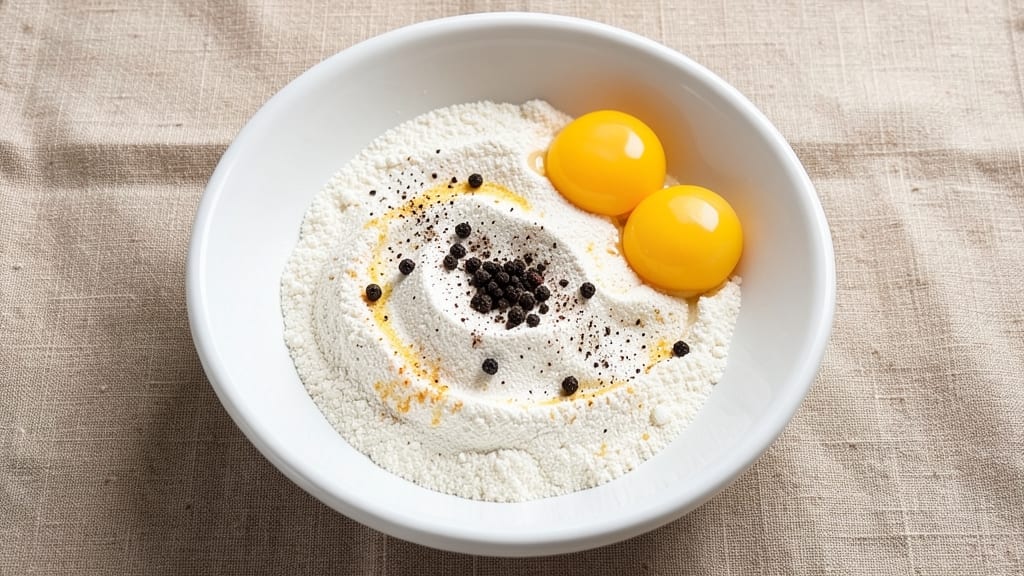
This fish fry batter recipe without beer delivers the same crispy, golden crunch you crave—no fizz required. The secret lies in a precise blend of flour, eggs, and a touch of baking powder that creates an airy, shatteringly crisp exterior every time.
After years of perfecting this technique, I’ve eliminated beer entirely while keeping the texture light and the flavor pure. The key? A two-step dredge that locks in moisture while building that iconic crunch.
The beauty of this method is its versatility—whether you're frying fresh cod, haddock, or even shrimp, the same batter delivers restaurant-quality results. We’ll use high-heat vegetable oil (375°F) to maintain even cooking, and a wire rack for draining ensures your fish stays crispy, not soggy.
No special equipment needed beyond a deep fryer or heavy skillet, making this perfect for both beginners and seasoned cooks.
What you’ll end up with is fish so crispy it shatters with each bite, golden-brown and glistening with oil, served with classic sides like tartar sauce or lemon wedges.
The batter clings perfectly without falling off, and the interior stays tender—no dry, rubbery fish here. This recipe proves you don’t need beer to achieve that legendary Southern-style crunch.
Serve immediately with a side of coleslaw or hushpuppies for the full experience, or keep it simple with a squeeze of lemon. The possibilities are endless, but the technique remains foolproof. Let’s get frying—your taste buds will thank you.
Ingredients for fish fry batter recipe no beer
Seven core ingredients transform simple fish into shatteringly crispy gold. No beer, no fuss—just perfect crunch every time.
| Ingredient | Amount | Notes |
|---|---|---|
| All-Purpose Flour 🌾 | 2 cups | Lightly sifted for airy texture |
| Cornstarch 🌽 | ¼ cup | For extra crispiness |
| Large Eggs 🥚 | 2 whole | Room temperature for even coating |
| Baking Powder 🧂 | 1 tbsp | Ensures light, airy batter |
| Salt 🧂 | 1 tsp | Kosher or sea salt preferred |
| Black Pepper 🌶️ | ½ tsp | Freshly ground for flavor |
| Vegetable Oil 🫒 | 4 cups | High smoke point for frying |
| White Vinegar 🍶 | 1 tbsp | For crispy, golden finish |
| Lemon Juice 🍋 | 1 tbsp | Brightens the batter |
| White Fish Fillets 🐟 | 2 lb | Cod, haddock, or tilapia |
| Paprika 🌶️ | ½ tsp | Smoked for extra depth |
| Garlic Powder 🧄 | ½ tsp | For subtle garlic flavor |
The flour is non-negotiable—King Arthur or Gold Medal are my go-tos for that light, airy texture. Cornstarch is the secret weapon here (trust me on this), giving you that extra shatter. Eggs should be at room temperature—cold eggs make for a lumpy batter. If you're in a pinch, Whole Foods sells pre-separated eggs in cartons, which work perfectly. The vinegar and lemon juice might seem small, but they're what make the batter golden and crispy instead of flat. I always grab the Heinz white vinegar—it's consistent and affordable.
No cornstarch? Extra 2 tbsp flour gets you close, but the texture won't be quite as crispy. Egg whites only? Works, but the batter might be slightly less tender. Want to add a little kick? Cayenne or hot sauce can be mixed in with the vinegar. For the fish, fresh cod or haddock is ideal, but frozen works too—just pat it dry thoroughly before frying. If you're using tilapia, go for the thicker fillets—they hold up better to the heat. And if you're worried about the fish sticking, lightly coat the skillet with oil before adding the battered fish.
This batter keeps dry in the fridge for up to 3 days in an airtight container—just whisk before using. The oil can be reused 2-3 times if you strain it through a fine-mesh sieve after each use. For the crispiest results, fry the fish in small batches—overcrowding lowers the oil temperature and makes everything soggy. Serve immediately with lemon wedges or tartar sauce, or freeze the battered fish on a tray before transferring to a bag for up to 1 month—just fry straight from frozen.
Why You'll Love This Recipe
- Five-Ingredient Magic: I swear, this batter is foolproof—just flour, cornstarch, eggs, baking powder, and salt. No beer? No problem. The cornstarch gives it that perfect crisp without the fuss of measuring wet ingredients.
- Crispy-Creamy Balance: That first bite—crunchy outside, tender inside—is my favorite part. The baking powder lifts it just enough to make it light, while the eggs bind it into a golden, addictive shell.
- Game for Any Occasion: Weeknight dinner? Check. Potluck side? Double check. I’ve used this batter for fish, chicken tenders, even veggie fries—it’s the ultimate crowd-pleaser, no matter the meal.
- Budget-Friendly Staples: All the ingredients are pantry basics, and the batter mixes up in minutes. Leftovers? Toss them in the freezer for next week’s quick snack—no waste, all flavor.
Step-by-step instructions for crispy fish fry batter
Here's how to create a perfectly golden, crispy coating without beer—simple steps for foolproof results.
Prepare the Dry Ingredients
In a large bowl, combine the 2 cups all-purpose flour, 0.25 cup cornstarch, 1 tablespoon baking powder, 1 teaspoon salt, 0.5 teaspoon black pepper, 0.5 teaspoon paprika, and 0.5 teaspoon garlic powder. Sift the mixture lightly to remove any lumps and create an airy texture—this ensures your batter will be light and crispy rather than dense.
Use a whisk to mix these dry ingredients thoroughly. I like to press the mixture through a fine-mesh sieve to break up any remaining clumps. This step is crucial because even small lumps can create uneven coating on your fish, leading to some pieces being crispier than others. Set the bowl aside for now—we'll come back to it after preparing the wet ingredients.
Mix the Wet Ingredients
In a separate medium bowl, crack the 2 whole large eggs and whisk them vigorously until fully combined and frothy. Add the 1 tablespoon white vinegar and 1 tablespoon lemon juice, whisking again to incorporate these acids into the egg mixture. The vinegar and lemon juice are key here—they help create a crispier, more golden finish on your fried fish.
Next, slowly pour the egg mixture into the bowl with the dry ingredients. Use a wooden spoon or silicone spatula to gently stir everything together until just combined. Avoid overmixing—you're looking for a smooth, slightly lumpy batter that coats the back of your spoon. This texture ensures the coating will adhere perfectly to the fish fillets while maintaining that coveted crispiness.
Prepare the Fish Fillets
Pat the 2 pounds white fish fillets completely dry with paper towels. This step is non-negotiable—any moisture on the fish will prevent the batter from adhering properly and can cause the coating to steam instead of crisp. I like to work with the fish on a wire rack set over a plate to catch any excess moisture as I pat them dry.
Season the fish fillets lightly with a pinch of salt and pepper on both sides. This initial seasoning ensures the fish itself has flavor, even though most will come from the crispy batter. Arrange the dried and seasoned fillets on a clean plate, ready for dredging. Keep them at room temperature while you prepare the frying setup.
Heat the Oil for Frying
Pour the 4 cups vegetable oil into a deep, heavy-bottomed skillet or Dutch oven. Place the skillet over medium-high heat and insert a deep-fry or candy thermometer. Heat the oil until it reaches 350°F. This temperature is critical—too hot and your fish will burn before the coating sets; too cool and the batter will absorb too much oil, becoming greasy instead of crisp.
Watch the oil carefully as it heats. It should shimmer gently but not smoke excessively. I've found that using a thermometer is the most reliable way to maintain consistent temperature, but you can also test it by dropping a small piece of bread in—it should sizzle and turn golden in about 30 seconds. Once the oil reaches the right temperature, it's ready for your fish.
Coat and Fry the Fish
Working in batches to avoid overcrowding the pan, dip each fish fillet into the batter, allowing any excess to drip off. Gently press the fillet against the side of the bowl to ensure an even coating. Lift the fillet carefully and place it into the hot oil. You'll hear a satisfying sizzle as the batter begins to set and turn golden.
Fry the fish for 3-4 minutes per side, or until the coating is deep golden brown and crispy. Use a slotted spatula to flip the fish carefully—don't press down, or you'll break the coating. The internal temperature of the fish should reach 145°F when checked with a meat thermometer. Remove the fried fish to a paper towel-lined plate to drain any excess oil.
Serve Immediately
Serve the fish immediately while it's still crispy and hot. The coating will soften slightly as it cools, so don't let it sit too long. I like to pair this with a simple lemon wedge or tartar sauce to complement the crispy batter. The fish should be golden, crispy, and flaky—each bite delivering that satisfying crunch followed by tender, flavorful fish underneath.
If you're making this ahead of time, fry the fish just before serving. The batter loses its crispiness quickly once removed from the oil, so timing is everything. Enjoy your perfectly crispy, golden fish fry without needing a drop of beer!
Pro Tips For Making Fish Fry Batter Recipe No Beer
- Chill the Batter: After mixing flour, cornstarch, baking powder, and salt, let the wet batter sit in the fridge for 10-15 minutes before dipping. I learned this the hard way—skipping it makes the coating clump and fall apart when frying. Cold batter clings better and fries up crispier.
- Sift the Dry Mix: Whisk the all-purpose flour and cornstarch together, then sift the baking powder and salt through it—not just sprinkled on top. This prevents lumps in your batter, which means fewer greasy, uneven spots on your fried fish. (Yes, even if you’re impatient like me.)
- Double-Dip for Crust: Dip the fish in the batter once, let it drip off for 10 seconds, then dip again for a thicker, shatterproof crust. The first dip coats; the second locks it in. My grandmother swore by this, and she was right: the difference is night and day.
- Use Room-Temp Eggs: Take the eggs out of the fridge 30 minutes before mixing—they’ll blend smoother with the flour and cornstarch. Cold eggs make the batter sluggish, and you’ll end up with a soggy coating instead of a crispy one. (Your future self will thank you.)
Make-ahead tips for fish fry batter recipe no beer
Batter Prep Ahead
Mix the dry ingredients—2 cups flour, 0.25 cup cornstarch, and spices—and store them in an airtight container for up to 5 days at room temperature.
When ready to fry, simply whisk in the wet ingredients (2 eggs, 1 tbsp vinegar, 1 tbsp lemon juice) just before coating the fish. This keeps your batter fresh and ready to use without clumping. 🌾
Fish Pre-Battering
Pat your 2 lbs fish fillets completely dry and season lightly with salt and pepper. Place them on a wire rack set over a plate to catch excess moisture. Store the seasoned fish in the fridge for up to 12 hours before battering—this ensures even drying and better adhesion.
For extra convenience, keep the fish in a sealed container with a paper towel underneath to absorb any remaining moisture. 🐟
Oil Pre-Heating
Heat your 4 cups vegetable oil in a deep skillet to 350°F—this is best done right before frying to maintain optimal temperature. If pre-heating ahead, keep the oil in a thermos or slow cooker on "warm" for up to 2 hours.
Always reheat to 350°F before frying to ensure crispiness. A candy thermometer is your best friend here for accuracy. 🌡️
Batter Storage Tricks
If you’ve already mixed the full batter, store it in the fridge for up to 24 hours in an airtight container. Before using, whisk vigorously to restore its airy texture.
For longer storage, freeze the batter in ice cube trays—thaw and whisk when ready to use. This works perfectly for prepping ahead for a crowd. 🧊
Frying Prep
Set up your frying station with all tools within reach: a slotted spatula, paper towels, and a wire rack for draining. Keep the fish and batter nearby, but out of the way of the hot oil.
A small bowl of ice water can also help reset your hands between batches if you're frying a lot. This organized setup makes the process smoother and safer. ⚡
Freezer-Friendly Fish
For a true make-ahead win, batter the fish completely (but don’t fry) and place them on a parchment-lined tray. Freeze for 1 hour to set the batter, then transfer to a freezer bag for up to 1 month.
Fry straight from frozen—just add 30 seconds per side to the cooking time. This is a game-changer for busy days or large gatherings. 💫
Nutrition facts
Frequently asked questions
Why does this batter work without beer?
The secret is the combination of cornstarch for extra crispiness and baking powder for lightness, plus white vinegar and lemon juice to create a crispy, golden finish. These ingredients work together to mimic beer's moisture content while keeping the batter airy and crisp. The eggs provide structure, and the spices enhance flavor without needing beer's fizz.
Can I use this batter for other proteins besides fish?
This same batter works beautifully for chicken tenders, shrimp, or even onion rings. Just adjust frying times—3-4 minutes per side for fish, 2-3 minutes for shrimp. For chicken, pat it extra dry and consider double-dredging for maximum crunch. The batter's versatility makes it a kitchen staple.
What's the best oil for frying, and how much can I reuse it?
Use vegetable oil or peanut oil for high heat stability. You can reuse the oil 2-3 times if you strain it through a fine-mesh sieve after each use. Keep it at 350°F between batches—lower temps make batter greasy, while higher temps burn it. Never reuse oil that smells rancid or has dark particles.
Why did my batter come out greasy instead of crispy?
Greasy batter usually means the oil wasn't hot enough (350°F is critical) or the fish wasn't dry. Overcrowding the pan also lowers oil temperature. For extra crispiness, try double-dredging (dip in batter, coat with flour, repeat) and frying in small batches. Let the batter rest 10 minutes after mixing to thicken slightly.
Can I make this gluten-free?
Yes! Replace the 2 cups all-purpose flour with a 1:1 gluten-free flour blend (like Bob's Red Mill) plus 0.25 cup cornstarch. Add 1 extra teaspoon xanthan gum if your blend doesn't contain it. The batter will still be crispy, though slightly denser. Test with a small piece first—some blends absorb more oil.