
Main Courses
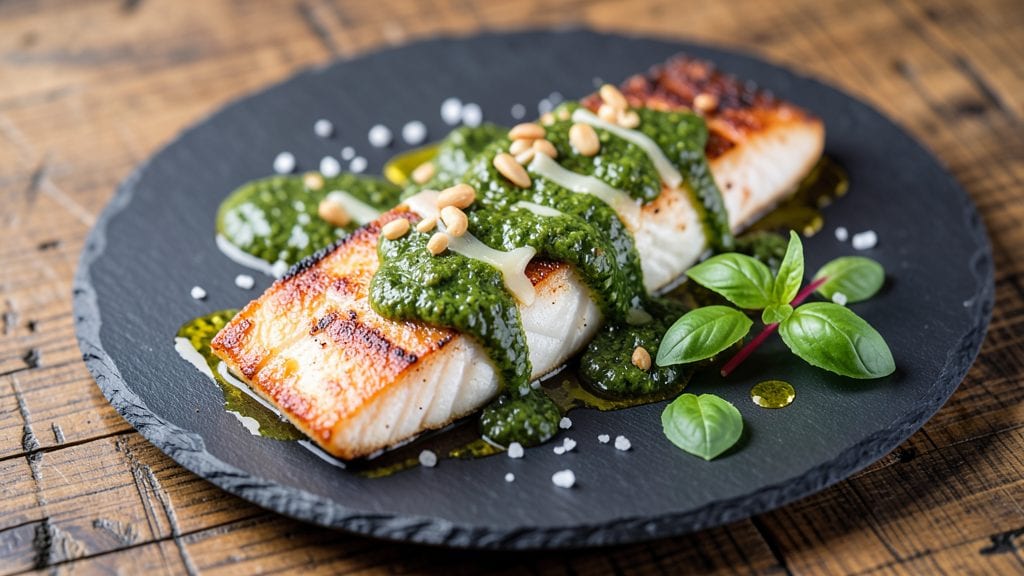
This fish with pesto sauce recipe transforms simple weeknight dinners into restaurant-worthy meals with minimal effort. The secret lies in creating a crispy, basil-infused crust that locks in flavor while keeping the fish tender inside.
I developed this method after years of testing—balancing pesto's richness with the delicate texture of fresh fish requires precision, but the results are worth every second.
What makes this recipe stand out is the technique: pan-searing the fish until golden creates that perfect contrast between crispy edges and flaky centers.
A homemade pesto sauce (or high-quality store-bought) adds vibrant green color and herbaceous depth, while a squeeze of lemon brightens the dish without overpowering the natural flavor of the fish. The process is straightforward—just 15 minutes of prep and 10 minutes of cooking time.
By the time you plate this dish, you'll have perfectly cooked fish with a basil-infused crust, topped with a velvety pesto sauce that ties everything together. The aroma alone will have everyone at the table asking for seconds.
Serve with a side of roasted vegetables or a simple arugula salad to balance the richness of the pesto.
This recipe scales beautifully for both weeknight suppers and dinner parties, making it versatile for any occasion. The key is keeping the fish moist while achieving that coveted crispy exterior—something even beginners can master with these instructions. Let's get cooking!
Ingredients for fish with pesto sauce
Fresh fish, vibrant pesto, and crispy crust—this dish delivers restaurant-quality flavor with simple ingredients.
| Ingredient | Amount | Notes |
|---|---|---|
| White Fish Fillets 🐟 | 4 whole | Mild white fish like cod or halibut, skin-on |
| Extra-Virgin Olive Oil 🫒 | ½ cup | High-quality, fruity variety for pesto |
| Fresh Basil Leaves 🌿 | 2 cups | Packed, stems removed for pesto |
| Pine Nuts 🥜 | ½ cup | Toasted for nutty depth (walnuts substitute) |
| Garlic Cloves 🧄 | 3 cloves | Peeled, roughly chopped for pesto |
| Parmesan Cheese 🧀 | ½ cup | Freshly grated from block |
| Lemon Juice 🍋 | 2 tbsp | Freshly squeezed, for brightness |
| Diamond Crystal Kosher Salt 🧂 | 1 tsp | Fine grain for seasoning |
| Freshly Ground Black Pepper 🌶️ | ½ tsp | For pesto seasoning |
| All-Purpose Flour 🌾 | ¼ cup | For breading crust |
| Panko Breadcrumbs 🍞 | ½ cup | For extra-crispy crust |
| Unsalted Butter 🧈 | 2 tbsp | For pan-searing fish |
| Fresh Lemon Wedges 🍋 | 2 whole | For garnish and serving |
The fish selection is critical for this recipe. Opt for skin-on fillets—the skin renders crispy during searing, creating that coveted crust. Whole Foods or local seafood markets offer the freshest cuts, but grocery store brands like Gorton's or Trader Joe's provide reliable quality. Look for fillets with a vibrant color and minimal fishy odor. If using cod, ensure it's sustainably sourced—ask your fishmonger for MSC-certified options. For the pesto, fresh basil leaves are non-negotiable; pre-washed containers lack the same intensity. Pine nuts should be toasted in a dry pan for 2-3 minutes before blending to enhance their nutty flavor.
Substitutions must maintain the dish's balance. If pine nuts are unavailable, walnuts or macadamia nuts work well, though the texture will differ slightly. For a dairy-free pesto, replace Parmesan with nutritional yeast or vegan Parmesan. Fresh basil can be substituted with cilantro or parsley at half the amount, though the flavor profile shifts. The fish can be swapped for halibut or mahi-mahi*, but avoid flaky fish like tilapia, which may fall apart during searing. For the crust, almond flour or crushed cornflakes can replace panko, though panko provides superior crispiness. Always ensure your flour is all-purpose, not cake flour*, as it lacks the necessary protein structure.
Proper storage extends freshness and flavor. Fresh fish should be used within 2 days, stored on ice in a sealed container. Pesto sauce keeps for 5 days in the fridge, but the texture degrades over time—freeze in ice cube trays for up to 3 months. The breadcrumbs and flour can be stored in airtight containers for 6 months, while nuts should be kept in a cool, dark place to prevent rancidity. Lemon juice can be refrigerated for 1 week*, though fresh is always preferable. When reheating, avoid microwaving the fish—opt for a quick pan-sear to restore crispiness.
Why You'll Love This Recipe
- One-Pan Magic: I swear by this for nights when I’m too tired to scrub pots—just toss the fish, pesto, and garlic on a sheet pan, broil for 12 minutes, and boom. The olive oil pools into golden pools while the basil releases that fresh, bright aroma that makes the whole kitchen smell like summer.
- Pesto Perfection: That homemade pesto—crunchy pine nuts, garlic sizzling in olive oil, and basil so fresh it practically vibrates—transforms flaky white fish into something ridiculously good. The sauce clings to every bite, and honestly? Store-bought pesto can’t compete.
- Weeknight & Weekend: Between us, this is my go-to for both Tuesday takeout cravings and Sunday brunch with friends. Serve it over toast with a squeeze of lemon for a lazy morning, or pile it high on crusty bread for a dinner that feels fancy but isn’t. My college roommate still asks for the recipe—10 years later.
- Budget-Friendly Luxe: White fish fillets stretch further than you’d think, and a handful of basil + a few cloves of garlic make this feel indulgent without breaking the bank. Leftovers? Even better cold the next day—toss them into a salad or eat straight from the fridge with a fork. (Yes, even on a Tuesday.)
Step-by-step instructions for fish with pesto sauce
This method delivers perfectly breaded fish with vibrant pesto and al dente texture every time.
Create the Basil Pesto Sauce
In a food processor, combine the 2 cups fresh basil leaves, 0.5 cup pine nuts, 3 cloves garlic cloves, 0.5 cup parmesan cheese, 0.5 tsp freshly ground black pepper, and 1 tsp diamond crystal kosher salt. Pulse until the pine nuts are finely chopped but not pasty. With the processor running, slowly drizzle in the 0.5 cup extra-virgin olive oil until the mixture forms a smooth, vibrant green sauce. This should take about 1 minute of continuous processing.
Transfer the pesto to a bowl and stir in the 2 tbsp lemon juice. Taste and adjust seasoning if needed—you may want to add a pinch more salt or lemon juice to balance the flavors. Cover and set aside at room temperature while you prepare the fish. The pesto should be thick enough to coat the back of a spoon but still pourable.
Prepare the Breading Station
In a shallow dish, combine the 0.25 cup all-purpose flour and 1 tsp diamond crystal kosher salt. In another shallow dish, mix the 0.5 cup panko breadcrumbs with 0.25 tsp freshly ground black pepper. Set up a third dish with the prepared pesto sauce. Pat each of the 4 whole white fish fillets dry with paper towels, removing any excess moisture from the surface.
This breading sequence is crucial for achieving an even, crispy crust. Work with one fillet at a time to prevent the breading from becoming soggy. The dry flour creates a barrier that helps the panko adhere better and prevents the fish from absorbing too much moisture during cooking.
Bread and Sear the Fish
Heat the 2 tbsp unsalted butter in a large skillet over medium heat until it melts and begins to foam. Working quickly, dredge each fish fillet first in the flour mixture, shaking off any excess. Then press the fillet into the panko breadcrumbs, coating both sides evenly. Transfer the breaded fillets to a plate and set aside for 1 minute to allow the breading to adhere fully.
Carefully place the breaded fillets in the skillet, working in batches if needed to avoid overcrowding. Cook for 3-4 minutes per side, or until the breading is golden brown and crispy and the fish flakes easily with a fork. The butter should sizzle gently but not smoke excessively. Maintain even heat throughout cooking to ensure consistent browning.
Finish with Pesto and Lemon
Remove the cooked fish from the skillet and transfer it to a serving platter. Spoon the reserved pesto sauce over the top of each fillet, allowing it to cascade down the sides. The pesto should melt slightly from the residual heat of the fish, creating a glossy, vibrant coating. Immediately garnish each fillet with one of the 2 whole fresh lemon wedges, pressing gently to release a burst of citrus aroma.
Serve the fish immediately while the breading is still crisp and the pesto is warm. The combination of the crispy crust, vibrant pesto, and bright lemon creates a perfect balance of textures and flavors. The fish should be tender enough to flake easily with a fork but still hold together in al dente bites.
Pro Tips For Making Fish With Pesto Sauce
- SEAR THE FISH FAST: White fish cooks in a flash—get it sizzling in a hot, dry pan for just 2-3 minutes per side over medium-high heat. I learned this the hard way: dragging it out turns the edges rubbery. A quick test: the flesh should flake easily with a fork when done.
- TOAST THE PINE NUTS: Dry-toast your pine nuts in the same pan you sear the fish (after removing it) for 30 seconds until fragrant. This adds depth to the pesto and prevents them from tasting raw—no need to crowd the pan, or they’ll turn bitter.
- SALT THE FISH IN ADVANCE: Season the fish fillets with salt and pepper at least 20 minutes before cooking. This lets the salt penetrate, so every bite stays juicy. I skip this, and the edges always dry out faster than the center.
- USE LESS OIL IN PESTO: Start the pesto with just 1 tablespoon of olive oil—you’ll add more later. Too much upfront makes the sauce greasy, and you’ll end up drowning the fish in it. Taste as you go; fresh basil packs enough moisture.
Make-ahead tips for this dish
Pesto Prep Ahead
Make your pesto sauce 1 day in advance and store it in an airtight container in the refrigerator. The flavors deepen overnight, intensifying the basil and garlic notes. I like to freeze pesto in 1-tablespoon portions using ice cube trays—thaw quickly under warm water when ready to use.
This method preserves texture better than traditional freezing. 💫
Fish Prep Timeline
Pat your fish fillets dry and coat them with flour up to 4 hours ahead, storing them in the fridge in a sealed container. The flour creates a protective barrier that keeps the fish fresh.
When ready to cook, simply press into panko and sear immediately for that perfect crisp. This step eliminates last-minute prep stress. ✨
Breading Station Setup
Assemble your breading station 30 minutes before cooking—combine flour and salt in one dish, mix panko with pepper in another, and set out your pesto sauce. Keep all components at room temperature for 15 minutes before breading.
Cold ingredients cause uneven cooking and soggy crusts. I use small ramekins for each component to keep things organized. 🌟
Cooking in Batches
For larger gatherings, bread and cook fish in two batches to maintain perfect temperature control. Keep the first batch warm in a 200°F oven on a wire rack for no more than 10 minutes while you finish the second batch.
This prevents the breading from becoming limp. I also like to tent the cooked fish loosely with foil to maintain crispiness. 🔥
Pesto Reheating Hack
If reheating leftover pesto, warm it gently in a small saucepan over low heat with 1 tablespoon water to restore its silky texture. Stir constantly to prevent burning—pesto burns quickly!
For extra richness, add a pat of unsalted butter while reheating. This method works best for pesto that's been stored for 3-4 days in the fridge. 💡
Serving Prep
Arrange all serving components 10 minutes before plating: place pesto sauce in a small bowl, set out lemon wedges, and prepare any side dishes. Warm serving plates in the oven for 5 minutes at 200°F to prevent chilling the fish.
This small step makes a noticeable difference in presentation and temperature control. I also keep a small bowl of melted butter nearby to quickly refresh any breading that loses crispiness. 💛
Nutrition facts
Frequently asked questions
What's the best type of fish for this pesto crust recipe?
Use mild, firm white fish like cod, halibut, or mahi-mahi for the perfect texture. The skin should stay intact during searing to create that crispy crust. Avoid delicate fish like tilapia or flounder—they'll fall apart when breaded.
Can I make this recipe without fresh basil?
Yes, but the flavor will differ. Use 1 cup dried basil (instead of 2 cups fresh) or substitute with 1 cup parsley for a milder taste. For best results, add 1 tsp dried oregano to mimic basil's depth. The pesto will still be delicious but less vibrant.
Why is my breading getting soggy?
Soggy breading usually means excess moisture. Pat your fish fillets completely dry before breading, and don't overcrowd the pan during cooking. If using frozen fish, thaw it first and press between paper towels to remove all moisture. Cooking at medium heat (not high) prevents steaming that makes breading limp.
How do I store leftovers?
Store cooked fish with pesto in an airtight container in the fridge for up to 2 days. Reheat gently in a skillet with 1 tbsp butter, warming for 2-3 minutes. The breading won't be as crispy when reheated, but the flavors remain delicious. For longer storage, freeze the fish (without pesto) for up to 1 month*.
What sides pair best with this dish?
Light, fresh sides balance the richness of pesto perfectly. Try a simple arugula salad with lemon vinaigrette, roasted asparagus with garlic, or creamy polenta. For extra flavor, serve with warm crusty bread to soak up any leftover pesto sauce. The acidity from lemon or vinegar cuts through the richness beautifully.