
Main Courses
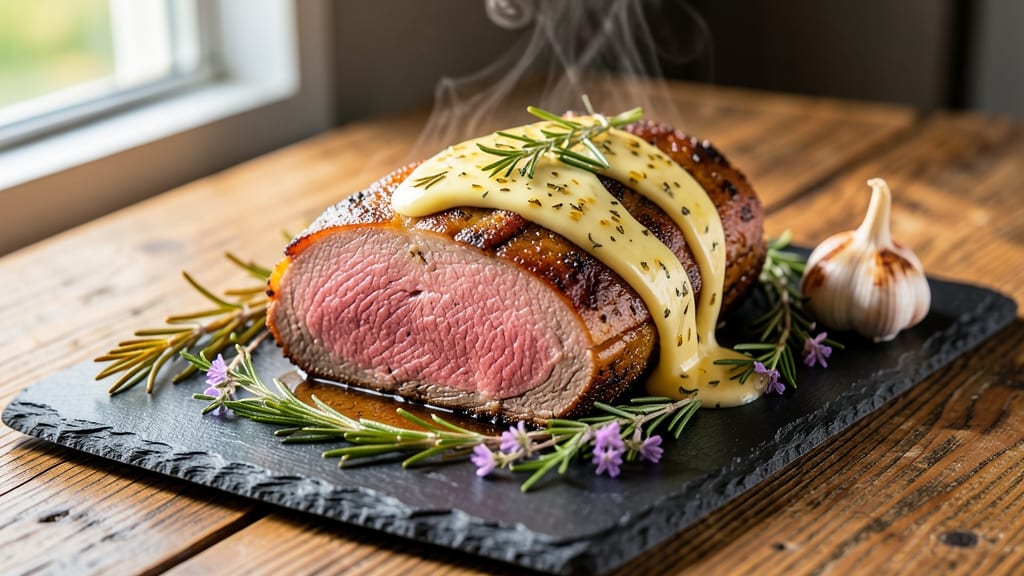
Mastering a foolproof prime rib roast recipe means achieving that perfect pink center and crispy crust every time—no guesswork, no stress. I spent weeks perfecting this herb-crusted method after years of overcooked or dry prime rib disasters, and now it delivers restaurant-quality results in your home oven.
The secret lies in precise temperature control and proper resting techniques that keep the meat juicy and tender.
This recipe starts with a simple herb crust that adds flavor without overpowering the rich beef, followed by a reverse sear method that ensures even cooking.
You'll need about 2.5 hours total time, including prep and resting, but the hands-off cooking makes it perfect for special occasions or when you want to impress guests without standing at the stove.
The key is patience—letting the meat come to room temperature before cooking and using a meat thermometer for accuracy.
By the end, you'll have a beautifully crusty prime rib with a perfect pink center that slices effortlessly.
The aroma alone will have everyone gathering around the table, and the rich, beefy flavor paired with a red wine reduction or horseradish cream makes this a showstopper for holidays or Sunday dinners. This is the kind of dish that turns a regular meal into a memorable experience.
Whether you're cooking for a family gathering or treating yourself to a luxurious meal, this method guarantees success. The herb crust adds a fragrant, savory layer, while the reverse sear ensures the meat stays moist and flavorful throughout. Let's get started on your prime rib masterpiece!
Ingredients for foolproof prime rib roast
Six ingredients transform your prime rib into a restaurant-worthy masterpiece—no guesswork, just perfect pink center every time.
| Ingredient | Amount | Notes |
|---|---|---|
| Prime Rib Roast (Bone-In) 🥩 | 4 lb | Center-cut, 1.25-inch thickness preferred |
| Unsalted Butter 🧈 | ½ cup | Cold, cubed for herb crust |
| Fresh Rosemary 🌿 | ¼ cup | Finely chopped, organic preferred |
| Fresh Thyme 🌿 | ¼ cup | Leaves only, stems removed |
| Fresh Garlic Cloves 🧄 | 6 cloves | Minced, peeled |
| Diamond Crystal Kosher Salt 🧂 | 2 tbsp | Coarse grain for crust |
| Freshly Ground Black Pepper 🌶️ | 1 tbsp | Cracked peppercorns preferred |
| Extra-Virgin Olive Oil 🫒 | 2 tbsp | For crust and searing |
| Red Wine 🍷 | ½ cup | Dry, bold variety like Cabernet |
| Beef Bone Broth 💧 | 1 cup | For basting during roasting |
| Red Wine Vinegar 🍋 | 1 tbsp | For finishing reduction |
| Horseradish Cream 🥛 | ½ cup | Store-bought or homemade |
The prime rib is your star, so skip the pre-cut, bone-in roast from the grocery store—look for a center-cut piece with a 1.25-inch thickness or thicker. Costco and Whole Foods carry excellent quality, but ask your butcher for the best cut if possible. The herb crust needs to be freshly chopped rosemary and thyme—none of that dried stuff here. I always double the herbs because they burn off during searing, and you want that aromatic crust. For the butter, use European-style unsalted (like Plugrá)—it has a higher fat content that creates a richer crust. Let the meat sit at room temperature for 2 hours before cooking; this ensures even cooking and that perfect pink center.
No fresh rosemary? Substitute 1 tbsp dried rosemary plus 1 tsp dried thyme, but toast the dried herbs first for better flavor. Running low on red wine? Beef broth with 1 tbsp balsamic vinegar works in a pinch, though the reduction won't have the same depth. The horseradish cream can be swapped for crème fraîche with a dash of prepared horseradish if you're short on time. For the crust, if you don't have Diamond Crystal kosher salt, Morton coarse salt is fine—just use the same amount. Pro tip: Toast the garlic in olive oil for 2 minutes before mixing into the butter—this adds an extra layer of flavor that makes all the difference.
This roast reheats like a dream—350°F oven for 20-30 minutes wrapped in foil, covered with extra butter. The leftovers keep for 4-5 days in the fridge, but honestly, it's even better the next day as the flavors meld. For freezing, slice the roast into portions, wrap tightly in plastic, and it'll stay tender for up to 3 months. I always make extra horseradish cream and freeze it in ice cube trays—just thaw and mix when needed. The herb crust? Make it a day ahead and refrigerate—the flavors deepen overnight, and it's one less thing to stress about on cooking day.
Why You'll Love This Recipe
- Zero-Chop Prep: I swear by this—just a few garlic cloves smashed, herbs tossed in butter, and the bone-in roast goes straight from fridge to oven. No dicing, no mincing, no fuss. The bone does all the work while you sip wine and pretend you’re a fancy chef.
- Butter-Basted Magic: That crispy rosemary crust? Pure satisfaction. The butter bastes effortlessly, turning the outside golden while the inside stays juicy—like a hug from a Sunday dinner. Honestly, I’ve tried fancy rubs, but this combo is foolproof.
- Leftovers for Days: Roast a 4-pound bone-in cut, and you’ll have sandwiches, hash, or reheated slices for a week. (Yes, even on a Tuesday night.) The flavor only gets better as it rests—no sad, dry reheats here.
- Date-Night Ready: Five ingredients, 30 minutes, and you’ve got a showstopper. No one suspects how easy it was—just a little garlic, herbs, and patience. My go-to for birthdays, holidays, or when I want to impress without stressing.
Step-by-step instructions for herb-crusted prime rib roast
Here's the method that guarantees a showstopping herb-crusted prime rib with a perfect pink center every time.
Prepare the Herb Butter Crust
In a food processor, combine the 0.5 cup unsalted butter, 0.25 cup fresh rosemary, 0.25 cup fresh thyme, 6 cloves fresh garlic cloves, 2 tablespoons diamond crystal kosher salt, and 1 tablespoon freshly ground black pepper. Pulse until the mixture forms a coarse paste with visible herb flecks—this ensures maximum flavor adhesion and a fragrant crust.
Spread this herb butter mixture evenly over the entire surface of the 4 lb prime rib roast, including the fat cap. Press it firmly into the meat using your fingertips so it adheres completely. This step creates the signature crust that locks in moisture while delivering incredible aroma. Let the coated roast sit at room temperature for 1 hour before roasting—this temperature equalization prevents uneven cooking.
Sear and Roast to Perfect Doneness
Preheat your oven to 450°F and place a rack in the lower third position. Heat a heavy roasting pan over medium-high heat and add 2 tablespoons extra-virgin olive oil. Place the herb-coated prime rib fat-side down in the pan and sear for 10 minutes until the fat renders and the crust develops a deep golden-brown color. Flip the roast and sear the other side for another 5 minutes—this initial searing creates a flavorful crust while preventing the meat from drying out.
Transfer the seared prime rib to the preheated oven and roast for 20 minutes at 450°F to establish a good crust. Then reduce the temperature to 325°F and continue roasting for 1 hour and 15 minutes for medium-rare (about 125°F internal temperature). The key here is patience—the slow cook ensures the center remains perfectly pink while the exterior develops that beautiful crust.
Baste and Finish with Wine Reduction
About 30 minutes before the roast is done, remove it from the oven and pour 0.5 cup red wine into the roasting pan. Return the pan to the oven for 5 minutes to create a flavorful reduction. Meanwhile, heat 1 cup beef bone broth in a small saucepan until it begins to simmer. Remove the prime rib from the oven and brush the surface generously with the warm bone broth—this basting keeps the meat moist and infuses additional flavor.
Return the roast to the oven for the final 10 minutes of cooking. Just before serving, deglaze the roasting pan with 1 tablespoon red wine vinegar, scraping up all the browned bits from the bottom. This creates a glossy, tangy sauce that complements the rich prime rib beautifully. The roast is done when it reaches 125-130°F internally—use a meat thermometer for accuracy, as visual cues can be misleading with thick cuts.
Rest and Serve with Horseradish Cream
Transfer the prime rib to a warm cutting board and tent loosely with aluminum foil. Let it rest for 30 minutes—this crucial step allows the juices to redistribute throughout the meat, ensuring every slice remains moist and flavorful. The resting time also makes the meat easier to carve, preventing those dreaded dry slices that ruin an otherwise perfect roast.
Slice the prime rib against the grain into ½-inch thick portions and serve immediately with the wine reduction spooned over the top. Pair with 0.5 cup horseradish cream on the side for a perfect balance of creamy richness and peppery kick. The result is a restaurant-quality prime rib with a perfect pink center, fragrant herb crust, and all the juices contained where they belong—in the meat, not on your plate.
Pro Tips For Making Foolproof Prime Rib Roast
- Salt the Meat First: Toss the prime rib with generous kosher salt at least 4 hours before cooking—ideally overnight. I used to skip this, and the crust never got crispy, no matter how hard I seared it. The salt draws out moisture, then reabsorbs, locking in flavor and helping that butter stick like glue.
- Sear Bone-Side Down: Lay the rib bone-side down in the pan first for 10 minutes before flipping. The bone conducts heat better than the meat, so it builds a deeper crust and renders fat into the pan for self-basting. (Yes, even if it looks weird—your future self will notice the difference.)
- Don’t Rush the Rest: After roasting, tent the rib with foil and let it sit at least 20 minutes before slicing. I learned this the hard way when I cut into it too soon and watched juices pool out like a crime scene. The meat needs time to reabsorb those flavors—no shortcut here.
- Use Cold Butter: Mix the softened unsalted butter with herbs and garlic, then chill the paste for 30 minutes before spreading it on the rib. Cold butter melts slower, so it baste-roasts the meat instead of sliding off like butter on a hot griddle. (Trust me, it makes a real difference.)
Best sauces and condiments for this foolproof prime rib roast
Classic Horseradish Cream
This tangy, creamy sauce is my go-to pairing for prime rib—it cuts through the richness beautifully. I make mine with ½ cup sour cream, ¼ cup mayonnaise, 1 tablespoon prepared horseradish, 1 teaspoon Dijon mustard, 1 teaspoon lemon juice, and a pinch of salt.
The key is balancing the heat with acidity, so I always taste as I go. For extra depth, I sometimes add 1 teaspoon finely chopped fresh dill right before serving. 🥛
Red Wine Reduction
The wine reduction from your roasting pan is pure magic—it transforms simple pan drippings into a glossy, flavorful sauce. After searing, I deglaze the pan with ½ cup dry red wine (like Cabernet Sauvignon) and reduce by half.
For extra richness, I whisk in 1 tablespoon cold butter at the end. This sauce adds a sophisticated touch without overpowering the prime rib's natural flavors. 🍷
Garlic-Herb Butter
If you want something simpler but still elegant, this herb butter is perfect. I mix ¼ cup softened unsalted butter with 1 tablespoon chopped fresh parsley, 1 teaspoon chopped fresh thyme, 1 minced garlic clove, and a pinch of salt.
Spread it directly on the slices before serving—it melts into the warm meat for an instant flavor boost. This works especially well if you're serving with roasted vegetables. 🧈
Whiskey-Glazed Onions
For a sweet-savory contrast, caramelize 2 cups thinly sliced yellow onions in 2 tablespoons butter until golden. Deglaze with 2 tablespoons bourbon or whiskey and reduce until syrupy. The deep caramelized flavor pairs perfectly with prime rib's richness, and the whiskey adds a subtle warmth.
I serve this as a side or drizzle it over the sliced meat. 🥔
Mustard Cream Sauce
This lighter option balances the richness of prime rib beautifully. I combine ½ cup sour cream, 2 tablespoons whole-grain mustard, 1 tablespoon Dijon mustard, 1 teaspoon honey, and a splash of beef broth to thin.
The mustard adds a subtle tang that complements the beef's depth. I often garnish with chopped chives for freshness. 🌱
Balsamic Glaze
For a quick, elegant finish, reduce ¼ cup balsamic vinegar until syrupy (about 5 minutes on medium-high heat). Drizzle this glossy glaze over sliced prime rib just before serving.
The acidity brightens the dish, and the deep umami flavor makes every bite more complex. I also add a pinch of flaky sea salt to enhance the flavor. 🍇
Nutrition facts
Frequently asked questions
Can I use a bone-in or bone-out prime rib for this recipe?
This recipe is designed for a bone-in prime rib (preferably center-cut with a 1.25-inch thickness) because the bone adds natural flavor and helps retain moisture. If you must use boneless, reduce the cooking time by 10-15 minutes since it cooks faster. The herb crust works equally well on either, but the bone-in version feels more special for gatherings.
What's the best internal temperature for medium-rare prime rib?
For a perfect pink center, aim for 125-130°F internal temperature. Use a meat thermometer inserted into the thickest part—never rely on visual cues alone. If your thermometer reads 120°F, the meat will still be slightly cool inside and reach the ideal temp as it rests.
Why is resting the prime rib so important?
Resting for 30 minutes after roasting lets the juices redistribute throughout the meat instead of pooling on your plate. Skipping this step means dry slices! The crust will stay intact while the meat becomes easier to carve. Pro tip: Tent loosely with foil to keep it warm without steaming.
Can I make the herb crust ahead of time?
Prepare the herb butter crust up to 24 hours ahead and refrigerate it. Bring it to room temperature alongside the prime rib before cooking. The flavors actually deepen overnight, making your crust even more aromatic. Just press it firmly onto the meat right before searing.
What if my prime rib comes out dry?
Dry prime rib usually means overcooking or skipping the resting step. Always use a meat thermometer and pull it when it hits 125°F. If it's slightly undercooked, return it to a 250°F oven for 10 minutes wrapped in foil. For reheating leftovers, wrap tightly in foil and warm at 300°F for 20-30 minutes.