
Main Courses
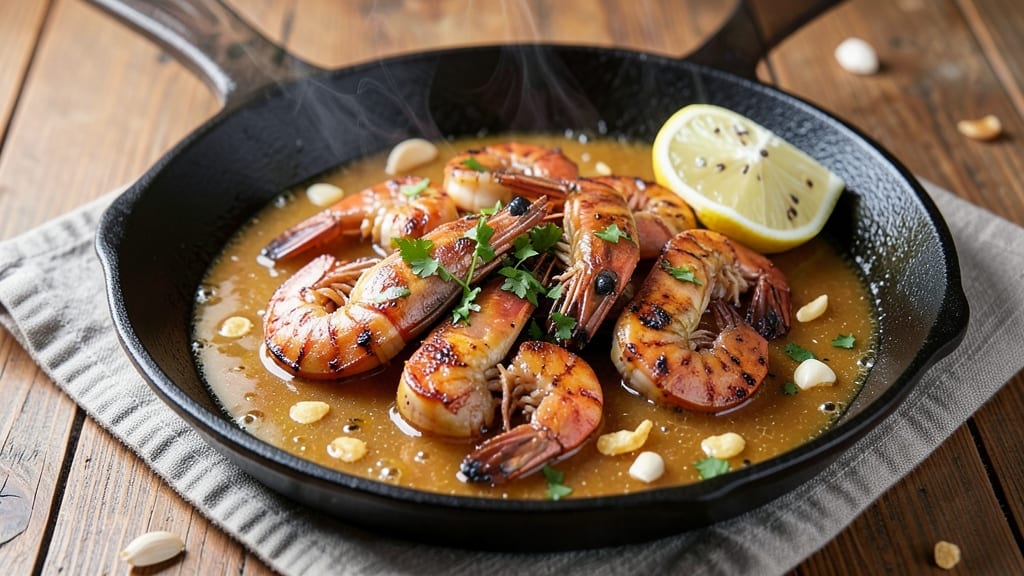
This French Quarter shrimp recipe delivers the bold flavors of New Orleans in every juicy, perfectly poached bite. The secret lies in a rich Cajun butter that infuses the shrimp with smoky, spicy depth while keeping them tender and succulent—just like the legendary dishes from the French Quarter.
I developed this method after years of experimenting with regional techniques, ensuring the shrimp stay moist and flavorful without overcooking.
The recipe begins with a classic Cajun seasoning blend—paprika, garlic powder, onion powder, cayenne, and thyme—that creates a flavorful crust on the shrimp. Poaching them gently in butter and white wine transforms the dish into something restaurant-worthy, with a velvety sauce that clings to every bite.
The result is shrimp that's impossibly tender on the inside with a crisp, flavorful exterior—exactly what makes this dish a standout.
What sets this recipe apart is the balance of heat and richness, achieved through precise seasoning and careful cooking. The shrimp absorb the Cajun butter's flavors while maintaining their natural sweetness, creating a dish that's both satisfying and elegant.
This is the kind of meal that feels like a celebration, whether you're serving it for a dinner party or a weeknight treat.
Pair it with buttery garlic bread, a crisp green salad, or traditional dirty fries to complete the experience. The sauce is rich enough to stand alone but works beautifully as a dipping sauce for extra shrimp. Here's how to make it perfect every time.
Ingredients for french quarter shrimp
Bold Cajun flavors meet buttery perfection in this French Quarter shrimp dish.
| Ingredient | Amount | Notes |
|---|---|---|
| Large Shrimp 🦐 | 1 ½ lb | Peeled, deveined, tail-on, 31-40 count |
| Unsalted Butter 🧈 | ½ cup | Cold, cut into 1/2-inch cubes |
| Dry White Wine 🍷 | ½ cup | Sauvignon Blanc or Pinot Grigio |
| Cajun Seasoning Blend 🌶️ | 2 tbsp | Homemade or store-bought (see notes) |
| Garlic Cloves 🧄 | 4 cloves | Minced, fresh preferred |
| Lemon Juice 🍋 | 1 tbsp | Freshly squeezed |
| Green Onion 🧅 | 2 whole | Sliced, white and green parts |
| Fresh Parsley 🌿 | ¼ cup | Chopped, for garnish |
| Salt 🧂 | ½ tsp | Kosher or sea salt |
| Black Pepper 🌶️ | ¼ tsp | Freshly ground |
| Hot Sauce 🔥 | 1 tsp | Optional, for serving |
| All-Purpose Flour 🌾 | 1 tbsp | For thickening sauce |
The shrimp quality makes all the difference. Look for 31-40 count—they're plump and sweet, perfect for poaching. Costco or Whole Foods carry the best frozen options, but fresh is ideal if you can get it from a trusted seafood counter. Thaw frozen shrimp overnight in the fridge—never at room temperature. For the Cajun seasoning, I use a blend of 2 tbsp paprika, 1 tbsp garlic powder, 1 tbsp onion powder, 1 tsp cayenne, and 1 tsp dried thyme. This creates that signature New Orleans heat without overpowering the delicate shrimp flavor. If you can't find a pre-made blend, Penzeys Spices sells individual components in bulk for consistent quality.
No white wine? Dry chicken broth with a splash of apple cider vinegar mimics the acidity. Fresh garlic and parsley are ideal, but dried at one-third the amount works in a pinch. The butter must be cold when cubed—this ensures it melts gradually and creates that velvety sauce. For extra richness, swap half the butter for duck fat. The hot sauce is optional but recommended—Crystal or Tabasco add that authentic New Orleans kick. If you prefer a smoother finish, blend the sauce briefly before serving to emulsify the butter.
This dish reheats beautifully—just warm the sauce gently over low heat. Store leftovers in the fridge for up to 3 days, covered with a thin layer of butter to prevent drying. The sauce freezes well for up to 3 months, but the shrimp texture suffers after reheating. For a restaurant-style presentation, serve the shrimp over a bed of crispy dirty rice or alongside buttery garlic bread. The sauce is rich enough to stand alone but pairs perfectly with extra shrimp for dipping—just keep it warm in a slow cooker on the 'warm' setting.
Why You'll Love This Recipe
- One-Pan Magic: I swear by this recipe because it’s that simple—just shrimp, butter, wine, and a shake of Cajun spice. No chopping, no fuss, just toss everything in one pan and let the garlic and wine do the work. (Yes, even on a Tuesday night.)
- Cajun-Kissed Butter Bomb: That rich, garlicky butter melting into the shrimp? It’s ridiculously good—like a hug for your taste buds. The Cajun seasoning adds just enough heat to make it feel special without overpowering the natural sweetness of the shrimp.
- Tailgate to Tailgate: Between us, this is my go-to for game days, potlucks, or when friends drop by unannounced. Serve it over rice, with crusty bread, or straight from the pan—it’s always a hit, and the leftovers reheat like a dream.
- Budget-Friendly Luxury: Honestly, shrimp can feel fancy, but this recipe stretches a pound into multiple meals without breaking the bank. The wine and butter make it taste indulgent, but the Cajun spice keeps costs low. (My wallet thanks me.)
Step-by-step instructions for spicy Cajun butter poached shrimp
Here's the method that delivers perfectly juicy shrimp with rich, spicy butter sauce every time.
Prepare the Cajun Butter Base
In a large skillet, melt the 0.5 cup unsalted butter over medium heat until it begins to foam. Add the 2 tablespoons Cajun seasoning blend and stir constantly for 30 seconds until the spices bloom and fill the kitchen with aroma. This step develops the flavor foundation—don't rush it.
Add the 4 cloves minced garlic and cook for 30 seconds until fragrant but not browned. Immediately pour in the 0.5 cup dry white wine and scrape up any browned bits from the bottom of the pan. Let the wine simmer for 2 minutes until reduced by half. This reduction concentrates the flavors and creates a velvety sauce base.
Poach the Shrimp to Juicy Perfection
Add the 1.5 lb large shrimp to the skillet in a single layer. Sprinkle with the 0.5 teaspoon salt and 0.25 teaspoon black pepper, then gently stir to coat evenly. The shrimp should sizzle lightly but not brown immediately—this is poaching, not searing.
Cover the skillet with a lid and cook for 2-3 minutes until the shrimp turn pink and opaque throughout. They're done when they curl slightly and release easily from the pan. Remove the shrimp with a slotted spoon and set aside on a warm plate. Keep them covered to maintain heat while you finish the sauce.
Finish the Sauce and Combine
Return the skillet to medium-low heat and stir in the 1 tablespoon all-purpose flour. Cook for 1 minute until the flour is fully incorporated and the sauce begins to thicken slightly. This step creates the perfect consistency for the sauce to cling to the shrimp.
Remove from heat and stir in the 1 tablespoon lemon juice and 1 teaspoon hot sauce. The sauce should be glossy with a vibrant red hue from the Cajun seasoning. Pour the sauce over the shrimp and toss gently to coat evenly. The acidity from the lemon brightens the flavors while the hot sauce adds just the right kick.
Garnish and Serve Immediately
Transfer the shrimp to serving plates and garnish with the 2 sliced green onion and 0.25 cup chopped fresh parsley. The green onion adds a fresh contrast to the rich sauce, while the parsley brightens the presentation. Serve immediately while the shrimp is still warm and the sauce is silky.
Each bite should deliver perfectly juicy shrimp with a rich, spicy butter sauce that clings beautifully. The shrimp should be tender with just a hint of pink in the center, and the sauce should coat every strand without being overly thick. This dish is best enjoyed fresh when the flavors are at their peak.
Pro Tips For Making French Quarter Shrimp
- USE PEEL-ONLY SHRIMP: Skip the tails unless you’re serving this like a fancy platter—peeled shrimp cooks faster and absorbs the Cajun-butter sauce better. If you’re stubborn about tails, snip them off at the last second so they don’t curl into rubbery knots while simmering.
- DEGLAZE WITH WINE FIRST: Toss those garlic cloves straight into the pan after searing the shrimp—no need to pre-toast them. Then pour in the white wine immediately while the pan’s still hot. Let it bubble for 30 seconds before adding butter; this extracts more flavor than waiting for a "proper" deglaze.
- DON’T OVERSTIR THE SAUCE: The Cajun seasoning will clump if you whisk like you’re trying to win an egg race. Just let the butter melt into the wine-garlic mixture, then toss the shrimp gently with a spatula. The sauce will emulsify on its own—overworking it turns it grainy.
- SALT THE SHRIMP TWICE: Toss the shrimp with half the Cajun blend before searing, then hit them with another pinch after they’ve cooked. The first layer caramelizes into flavor, while the second ensures they’re seasoned all the way through—no dry, spicy outsides hiding bland centers.
Serving suggestions for french quarter shrimp
Classic French Quarter Sides
Serve your shrimp over a bed of crispy dirty rice—the iconic New Orleans staple made with andouille sausage, bell peppers, and Cajun seasoning. I use Tony Chachere's Cajun seasoning for that authentic kick.
For a lighter option, garlic butter corn adds sweetness that balances the spice, while creamy cheddar hush puppies provide a satisfying crunch. 🌶️
Bread Pairings
A warm garlic butter baguette is a must—slice it thick and brush with melted European-style butter (like Plugrá) mixed with minced garlic and parsley.
For extra indulgence, try Cajun cornbread muffins with a touch of jalapeño. These handheld bites soak up the sauce beautifully while adding a sweet, slightly spicy contrast. 🥖
Salad Contrasts
A Cajun coleslaw made with shredded cabbage, carrots, and a tangy buttermilk dressing cuts through the richness. I like to add diced jalapeños and crumbled bacon for extra depth.
For a fresher option, a mixed greens salad with balsamic vinaigrette and cherry tomatoes provides a crisp, bright contrast to the buttery shrimp. 🥗
Sauce Serving Ideas
Use the leftover sauce as a dipping sauce for extra shrimp or crispy fries. I keep it warm in a slow cooker on 'warm' setting for up to 2 hours.
For a restaurant-style touch, drizzle the sauce over grilled asparagus or roasted Brussels sprouts—the spicy butter pairs surprisingly well with earthy greens. 💫
Drink Pairings
A chilled Sauvignon Blanc from California or dry Riesling complements the dish beautifully, cleansing your palate between bites. For non-alcoholic options, sparkling lemonade with a splash of Crystal hot sauce mirrors the dish's bold flavors.
A dark beer like Abita Amber adds a malty contrast that stands up to the spice. 🍷
Presentation Tips
Serve the shrimp on a slate board or wooden platter for a rustic French Quarter vibe. Garnish with lemon wedges and extra hot sauce on the side for customizable heat. For a showstopper, arrange the shrimp in a spiral pattern with the sauce pooling in the center.
The presentation should feel effortless but elegant—just like a dish from a classic New Orleans restaurant. ✨
Nutrition facts
Frequently asked questions
Can I use frozen shrimp for this French Quarter-style dish?
Just thaw the shrimp overnight in the refrigerator before cooking. For best results, use 31-40 count frozen shrimp—these stay plump and tender when poached. Pat them completely dry before adding to the pan to ensure a proper sear and maximum flavor absorption from the Cajun butter.
How do I adjust the heat level in this recipe?
Start by reducing the cayenne in your Cajun blend by half for a milder version. For extra heat, add 1/4 teaspoon cayenne or swap the hot sauce for Louisiana-style Crystal hot sauce. You can also serve additional hot sauce on the side so everyone can customize their heat level.
What's the best way to reheat leftovers?
Gently warm the shrimp and sauce together in a skillet over low heat for 2-3 minutes—just until heated through. Avoid microwaving as it can make the shrimp rubbery. For the sauce alone, reheat in a saucepan with a splash of water or white wine to restore its silky texture. Store leftovers in the fridge for up to 3 days.
Can I make this recipe without wine?
Yes! Replace the white wine with 0.5 cup dry chicken broth mixed with 1 tablespoon apple cider vinegar to mimic the acidity. The dish will still develop rich flavors, though the sauce will be slightly less complex. For a non-alcoholic alternative, use sparkling apple cider instead.
Why did my shrimp turn rubbery?
Overcooking is the most common cause—shrimp cook in just 2-3 minutes when poached. Use a meat thermometer to check for 145°F internal temperature. Also ensure your shrimp are completely thawed and patted dry before cooking. If using larger shrimp, reduce cooking time by 30 seconds.