
Main Courses
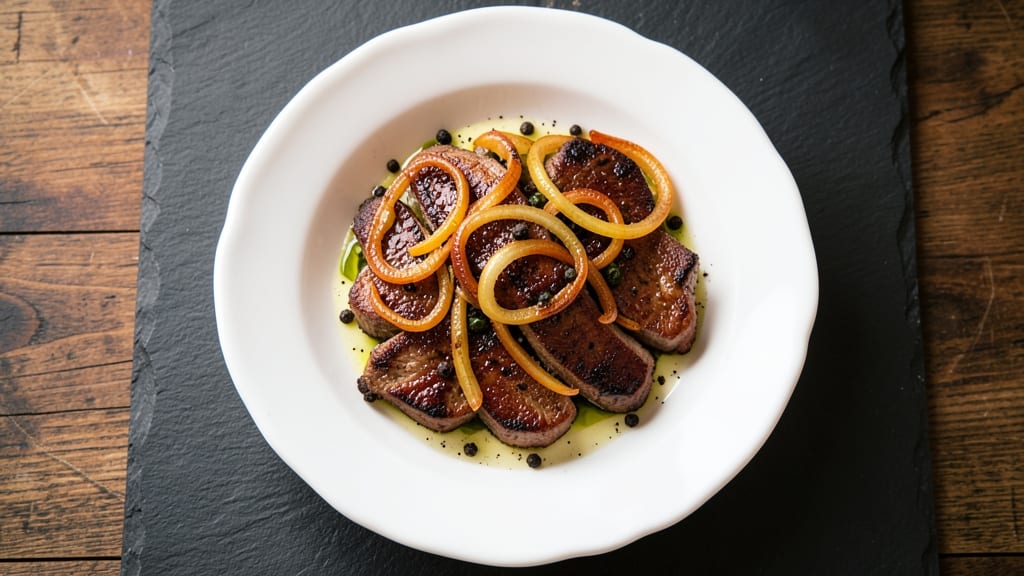
Fried beef liver and onions transforms a humble cut into a restaurant-worthy dish with just a few simple techniques. The secret lies in proper preparation—soaking the liver to remove bitterness and controlling the pan temperature to achieve perfect searing without overcooking. I’ve perfected this method after years of trial and error, ensuring tender, juicy liver with caramelized onions that add sweet depth.
This recipe delivers pan-seared richness in under 20 minutes, making it ideal for weeknight dinners or special occasions. The liver stays moist and flavorful while the onions develop a deep caramelized crust, balancing the dish’s bold flavors.
No fancy equipment is needed—just a sturdy skillet and a steady hand to flip the liver at the right moment.
What you’ll end up with is a dish that’s bold yet refined, with tender liver slices and sweet, sticky onions that elevate every bite. The key is timing—cook the liver just until it reaches 130°F internal temperature to ensure it’s perfectly tender without drying out.
Serve with a side of buttered potatoes or crusty bread to soak up the pan juices.
For those new to cooking liver, don’t let the prep intimidate you—this method is foolproof once you follow the steps. The result is a dish that’s hearty, satisfying, and packed with umami flavor, proving that even the simplest cuts can become extraordinary with the right technique.
Ingredients for fried beef liver and onions
Pan-seared beef liver and caramelized onions require precise ingredients for perfect texture and depth.
| Ingredient | Amount | Notes |
|---|---|---|
| Beef Liver 🥩 | 1 lb | Fresh, trimmed of connective tissue |
| Yellow Onions 🧅 | 2 large | Thinly sliced, about 2 cups total |
| Unsalted Butter 🧈 | 4 tbsp | Cold, cut into 8 pieces |
| Diamond Crystal Kosher Salt 🧂 | 1 ½ tsp | For soaking and seasoning |
| Freshly Ground Black Pepper 🌶️ | ½ tsp | Coarsely ground for texture |
| Extra-Virgin Olive Oil 🫒 | 1 tbsp | For coating skillet |
| Fresh Lemon Juice 🍋 | 2 tbsp | Brightens flavor profile |
| Fresh Flat-Leaf Parsley 🌿 | ¼ cup | Chopped, for garnish |
| Granulated Sugar 🍚 | ½ tsp | Enhances caramelization |
| Apple Cider Vinegar 🍶 | 1 tbsp | For soaking solution |
| Heavy Cream 🥛 | ¼ cup | Optional for finishing sauce |
The beef liver demands freshness—look for vibrant red coloration and minimal bruising at specialty butchers or high-quality grocery stores like Whole Foods or Harris Teeter. The liver should feel firm yet tender, not rubbery. For optimal results, purchase grass-fed beef liver when available, as it tends to have a more refined flavor profile. Thinly slice the onions yourself rather than using pre-sliced—they caramelize more evenly. Store liver in the coldest part of your fridge and use within 48 hours for peak tenderness. The apple cider vinegar and lemon juice are critical for neutralizing bitterness during the soaking process.
No beef liver? Chicken liver works in a pinch, though texture will differ slightly. Substitute white onions for yellow, but they'll caramelize faster—reduce heat slightly. Pre-sliced onions from the refrigerated section? Pat them thoroughly dry before cooking to prevent steaming. For the butter, European-style unsalted like Plugrá or Kerrygold adds superior richness, but standard unsalted works fine. The granulated sugar enhances caramelization without overpowering—brown sugar can be substituted at a 1:1 ratio, though it may darken the onions more quickly. If heavy cream isn't available, whole milk thinned with a splash of water creates a similar finishing sauce.
Liver soaks for 30 minutes in the vinegar-lemon solution—never skip this step. After cooking, transfer the liver to a plate and tent loosely with foil for 5 minutes before serving to retain moisture. The onions keep in the fridge for 5 days covered, though they're best used within 3 days for peak caramelization. For meal prep, store components separately and reheat the liver gently in the skillet with a pat of butter. The finished dish reheats beautifully—30 seconds in the microwave with a splash of water restores moisture without overcooking.
Why You'll Love This Recipe
- One-Pan Magic: I swear by this recipe for lazy nights—just slice the liver thin, melt butter in the same pan, and let the onions caramelize while it cooks. No chopping boards to scrub, no extra pots, and honestly? That golden crust on the liver? Worth every second.
- Rich, Unapologetic Flavor: The beef liver soaks up the butter like a sponge, while the onions turn sweet and jammy—no fancy seasoning needed, just salt and pepper to let it shine. Between us, this isn’t subtle. It’s bold, meaty, and the kind of dish that makes you forget about salads for a week.
- Budget Breakfast or Dinner: I keep a pack of liver in the freezer because it’s cheaper than eggs but feels like a treat. Serve it with toast for a hearty breakfast or pile it on crusty bread for a dinner that won’t break the bank. (Yes, even on a Tuesday night.)
- Leftovers That Don’t Suck: Unlike most fried foods, this actually tastes better the next day—just reheat in a pan with a splash of water. My kids beg for it cold in sandwiches, and I’ve even thrown it into omelets when I’m desperate. Not the prettiest, but the taste makes up for it every time.
Step-by-step instructions for pan-seared beef liver with caramelized onions
Mastering this dish requires precision timing and gentle heat—here's how to achieve tender liver with perfectly sweetened onions.
Prepare the Soaking Solution and Marinate the Liver
In a medium bowl, combine the 1 tablespoon apple cider vinegar, 2 tablespoons fresh lemon juice, 1.5 teaspoons diamond crystal kosher salt, 0.5 teaspoon freshly ground black pepper, and 0.5 teaspoon granulated sugar. Whisk until the sugar dissolves completely. This acidulated solution prevents the liver from becoming tough during cooking.
Pat the 1 pound beef liver completely dry with paper towels—moisture is the enemy of perfect searing. Submerge the liver in the marinade and refrigerate for 30 minutes. This brief soak tenderizes the meat and creates a flavorful crust. Don't exceed the soaking time or the liver may begin to cook in its own juices.
Thinly Slice the Onions and Prep the Cooking Station
Using a sharp chef's knife, slice the 2 large yellow onions into ⅛-inch thick half-moons. This even thickness ensures consistent caramelization. Transfer the sliced onions to a bowl and toss with 1 tablespoon extra-virgin olive oil to prevent sticking during cooking.
While the liver marinates, set up your cooking station: place a 12-inch cast-iron skillet over medium-low heat. Allow it to preheat for 3 minutes—this gentle start prevents burning the delicate liver. Cut the 4 tablespoons unsalted butter into 8 equal pieces and keep them at room temperature for even melting.
Sear the Liver to Perfect Doneness
Remove the liver from the marinade and pat it completely dry once more. Working quickly, add the liver to the preheated skillet and cook for exactly 2 minutes per side—no more, no less. The liver should develop a deep golden-brown crust while remaining bright red in the center. Overcooking by even 30 seconds will result in tough, dry meat.
Transfer the seared liver to a warm plate and tent loosely with aluminum foil to keep warm. The internal temperature should read 125-130°F when checked with an instant-read thermometer. This precise doneness ensures a tender bite with a satisfying snap. Resist the urge to cut into it immediately—the liver will continue cooking slightly from residual heat.
Caramelize the Onions with Butter and Sugar
Add the 8 pieces of cold unsalted butter to the same skillet and let them melt completely over medium-low heat. Once the butter foams subsides, add the tossed onion slices in a single layer. Sprinkle the remaining 0.5 teaspoon granulated sugar over the onions to promote caramelization.
Cook the onions undisturbed for 8-10 minutes, stirring only once to prevent color loss. You'll know they're perfectly caramelized when they develop a deep amber hue and release a sweet, nutty aroma. The onions should be tender but still hold their shape—overcooking will turn them mushy. If the onions begin to stick, add 1 tablespoon water to deglaze the pan.
Finish with Fresh Herbs and Optional Cream Sauce
Return the seared liver to the skillet with the caramelized onions. Add the 0.25 cup chopped fresh flat-leaf parsley and toss everything together gently to combine. The parsley not only adds freshness but also helps distribute any residual pan juices for maximum flavor.
For an optional richer finish, reduce heat to low and stir in the 0.25 cup heavy cream, allowing it to warm through for 1-2 minutes. The cream should coat the liver and onions lightly, adding a velvety contrast to the caramelized sweetness. Serve immediately with the onions spooned over the liver—this presentation highlights both components of the dish.
Pro Tips For Making Fried Beef Liver And Onions
- PAT THE LIVER DRY: Wipe the liver slices with paper towels before cooking—moisture steams instead of sears, and you’ll end up with sad, gray sludge instead of crispy edges. Trust me, I’ve learned this the hard way after serving a batch that looked like it was boiled.
- SALT THE ONIONS FIRST: Toss sliced onions with ½ teaspoon kosher salt and let them sit for 10 minutes before cooking. This draws out moisture so they caramelize faster and don’t turn mushy—no one wants sad, watery onions in their perfect liver dish.
- DON’T OVERCROWD THE PAN: Cook the liver in batches if needed—even if it means an extra minute. A packed pan will drop the temperature and leave you with greasy, unevenly cooked slices. A little patience here guarantees a proper sear every time.
- REST THE LIVER AFTER SEARING: Pull the liver from the pan and tent loosely with foil for 3-5 minutes. It’ll carryover cook to perfect medium-rare (or however you like it) without drying out. Skipping this step means rubbery, overdone liver—no one wants that.
Regional styles of this dish
British Classic Style
In the UK, this dish is traditionally served with a rich brown sauce made from Worcestershire sauce, beef stock, and a splash of stout beer. The liver is often cooked with thinly sliced shallots instead of onions, adding a delicate sharpness.
I like to finish with a sprinkle of fresh chives and serve with buttered mashed potatoes—the creamy texture balances the liver's richness perfectly. 🥔
Southern American Twist
Southern cooks often add a Cajun or Creole kick by incorporating smoked paprika and filé powder into the caramelized onions. The liver gets a quick sear in duck fat instead of butter for extra depth, and the dish is finished with a drizzle of hot honey.
Serve with cornbread or collard greens for a full Southern spread. This version is especially popular in Louisiana and Texas.
Spanish Sofrito Base
Spanish chefs transform this into a sofrito-studded masterpiece by cooking the onions with garlic, smoked paprika, and a pinch of saffron. The liver is often served with roasted red peppers and a sprinkle of fresh thyme.
For an authentic touch, use olive oil instead of butter and finish with a squeeze of lemon—this version is lighter but equally flavorful. 🍋
German Rösti-Inspired
In Germany, this dish takes on a heartier form by incorporating grated potatoes into the onions before caramelizing, creating a liver-rösti hybrid. The liver is pan-seared separately and served on top of the crispy potato-onion mixture.
A dollop of sour cream and extra black pepper completes the dish, which is traditionally paired with dark rye bread. This version is perfect for a cozy weeknight dinner.
French Classic with Béarnaise
French chefs elevate this dish by serving the liver with a homemade béarnaise sauce—made with egg yolks, tarragon, and white wine vinegar—instead of the caramelized onions. The onions are still included but served on the side as a confit with bacon lardons.
The liver is seared to medium-rare and finished with a touch of cognac for a luxurious touch. This version is ideal for special occasions. 🍷
Italian Panino Style
In Italy, this dish is often served as a panino—sliced liver and onions are layered on ciabatta rolls with provolone cheese and a drizzle of balsamic glaze. The liver is sometimes marinated in red wine instead of vinegar, adding a deeper flavor.
This portable version is perfect for picnics or quick lunches, and the sweetness of the onions pairs beautifully with the salty cheese. 🥖
Nutrition facts
Frequently asked questions
Why do I need to soak the beef liver before cooking?
The 30-minute soak in vinegar and lemon juice removes bitterness and tenderizes the meat. Liver contains blood vessels that can make it tough if not properly prepared. This step ensures a juicy, flavorful result instead of a dry, bitter bite. Never skip it!
Can I use chicken liver instead of beef liver?
Yes, but expect slight texture differences. Chicken liver is more delicate and cooks faster (1-1.5 minutes per side). Adjust the cooking time closely and reduce the soak to 20 minutes since it absorbs marinade quicker. The flavor will be milder but still delicious.
What if my liver turns gray or overcooks?
Gray liver means it's overdone—tough and dry. The perfect doneness is bright red inside with a golden crust. Use an instant-read thermometer (125-130°F) and cook only 2 minutes per side. If you overcook, try reheating gently in butter for 30 seconds max to restore moisture.
How do I store leftovers safely?
Store cooked liver in an airtight container in the fridge for up to 2 days. Reheat gently in a skillet with butter (low heat, 1-2 minutes) to avoid drying out. Never microwave—it makes liver rubbery. The caramelized onions keep 3 days separately.
What's the best way to serve this dish?
Pair with buttered egg noodles, crusty sourdough, or roasted potatoes to soak up the pan juices. For a complete meal, add a simple arugula salad with lemon vinaigrette. The sweet onions balance the rich liver perfectly.