
Sauces & Condiments
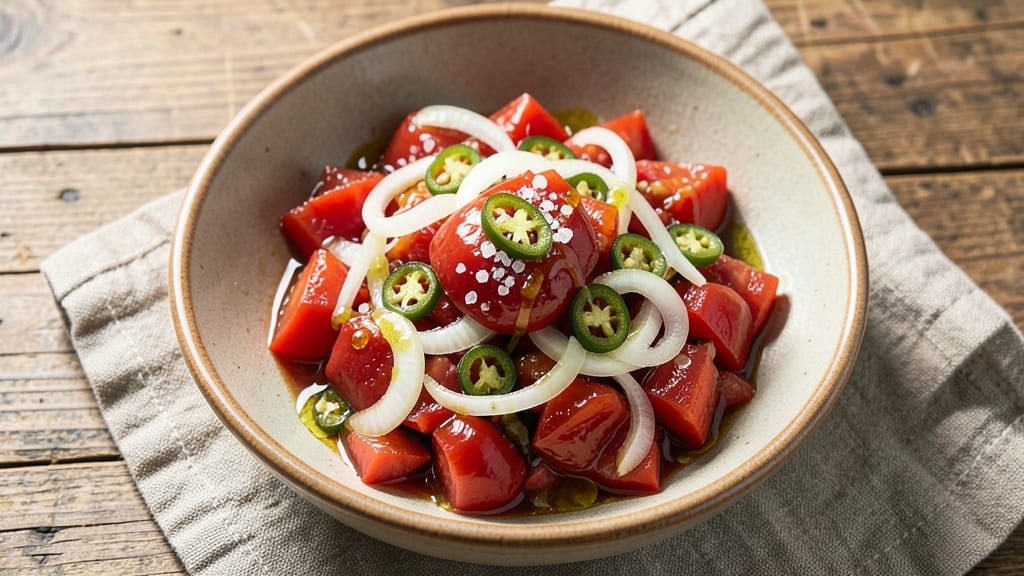
This frozen tomato salsa recipe lets you lock in summer’s bright, fresh flavor for whenever cravings strike—without the fresh chopping. I developed it after realizing how much time I wasted prepping salsa that would only last a few days.
The secret lies in balancing acidity and texture so it stays vibrant even after freezing.
With just 10 minutes of prep and 5 simple ingredients, you’ll create a versatile salsa that’s perfect for tacos, nachos, or dipping. The key is using canned tomatoes (for consistent quality) and a splash of lime juice to preserve freshness.
Unlike fresh salsa, this version maintains its structure even after thawing.
What you’ll end up with is a bold, chunky salsa with just the right balance of sweetness, acidity, and texture—no watery or mushy results. The freezing process actually intensifies the flavors, making it taste even better after a few weeks in the freezer.
Perfect for meal prep or stocking your pantry.
Store it in airtight containers for up to 6 months, and simply thaw in the fridge before serving. No need to sacrifice freshness for convenience—this salsa delivers restaurant-quality flavor anytime. Let’s make it!
Ingredients for frozen tomato salsa
Five simple pantry staples transform into vibrant salsa that freezes beautifully—no chopping, no waste.
| Ingredient | Amount | Notes |
|---|---|---|
| Canned Diced Tomatoes 🍅 | 1 can | Fire-roasted for smoky depth |
| Fresh White Onion 🧅 | ½ whole | Finely diced, about 1 cup |
| Fresh Jalapeño Pepper 🌶️ | 1 whole | Seeds removed, finely chopped |
| Fresh Lime Juice 🍋 | ¼ cup | Freshly squeezed, no pulp |
| Extra-Virgin Olive Oil 🫒 | 2 tbsp | High-quality, fruity variety |
| Kosher Salt 🧂 | 1 tsp | Diamond Crystal preferred |
| Fresh Cilantro Leaves 🌿 | ¼ cup | Chopped, optional for garnish |
The tomatoes are the foundation, so fire-roasted canned tomatoes make all the difference—they add natural smokiness without needing extra seasoning. Muir Glen or Trader Joe's brands are my go-tos for consistent quality. If you can't find fire-roasted, regular diced tomatoes work, but toss in a pinch of smoked paprika to mimic the flavor. The onion and jalapeño should be finely diced—about 1 cup total—so the texture stays chunky even after freezing. Fresh jalapeño gives the best heat, but pickled jalapeños in slices (drained and chopped) are a great shortcut. Lime juice is non-negotiable for brightness—Mexican limes if available, but regular limes work fine. Always use freshly squeezed juice, not bottled, for that restaurant-quality tang.
No fresh jalapeño? Pickled jalapeños in slices or even a dash of hot sauce can add heat, though the texture will differ slightly. Swap the onion for 1/2 cup frozen diced onion if you're in a rush, but thaw and drain it first to avoid excess moisture. The cilantro is purely for garnish—skip it if you dislike the flavor, but don’t omit it if you love it; it adds freshness that freezes well. For extra depth, add 1/2 tsp of cumin or smoked paprika to the mix. The olive oil might seem like a small amount, but it helps bind the salsa and keeps it from drying out during freezing. If you're making a larger batch, scale up the oil proportionally—1 tbsp per cup of tomatoes is a good rule of thumb.
This salsa freezes like a dream—up to 6 months in airtight containers or freezer bags. Portion it into 1-cup servings before freezing for easy use later. To thaw, simply transfer to the fridge overnight. The texture might be slightly softer after freezing, but the flavors only get better over time. If it seems too thick after thawing, stir in a splash of water or lime juice to loosen it up. For best results, use within 3 days of thawing. I like to keep a few containers on hand so I always have salsa ready for tacos, nachos, or as a topping for grilled fish—no fresh chopping required!
Why You'll Love This Recipe
- No Chopping Nightmare: I swear by this recipe because the canned tomatoes and pre-diced onion mean I’m not stuck dicing anything. Just dump, mix, and taste—no knife skills required, even when I’m exhausted after work.
- Zesty, Bright, Always Right: That lime juice and jalapeño? They wake up the tomatoes so fast. It’s got this perfect balance of tangy, fresh heat that makes every bite feel like a little vacation—no fancy ingredients, just pure flavor.
- Game for Any Meal: I use it as a dip, a topping, or even a quick sauce for tacos. Freezes like a dream, too, so I always have it on hand for lazy Sundays or when friends drop by unannounced.
- Pantry Hero, Wallet-Friendly: Canned tomatoes and onions keep forever, and a few limes stretch this recipe across multiple meals. Honestly, it’s my go-to when I’m broke but still want something that tastes like I tried. (Yes, even on a Tuesday night.)
Step-by-step instructions for frozen tomato salsa
This method transforms simple pantry staples into vibrant salsa that keeps its fresh flavor.
Prepare the Base Ingredients
Drain the 1 can canned diced tomatoes thoroughly, reserving only 2 tablespoons of the juices. The fire-roasted flavor in these tomatoes adds natural smokiness that elevates the salsa without needing fresh ingredients. In a large mixing bowl, combine the drained tomatoes with the 0.5 whole fresh white onion that you've already finely diced (about 1 cup).
Here's the thing—don't skip the onion prep. Finely chopping it ensures even distribution and prevents any one piece from dominating the texture. Add the 1 whole fresh jalapeño pepper with seeds removed and finely chopped next. This step is where you control the heat level; if you prefer milder salsa, reduce the amount slightly or remove all seeds.
Combine Wet Ingredients
Pour in the 0.25 cup fresh lime juice and stir vigorously. The acidity from the lime brightens all the flavors and helps balance the natural sweetness of the tomatoes. Add the 2 tablespoons extra-virgin olive oil and mix thoroughly until the oil is fully incorporated and the ingredients are well combined.
This is where the magic happens—the lime juice not only adds tang but also begins breaking down the cell walls of the vegetables, creating a more cohesive texture. Sprinkle in the 1 teaspoon kosher salt and give everything another good stir. Taste the mixture at this stage—you should notice the foundation of your salsa coming together with vibrant tomato flavor and a hint of onion sharpness.
Finish and Freeze
Fold in the 0.25 cup fresh cilantro leaves that you've chopped. The cilantro adds freshness and a bright herbal note that complements the smoky tomatoes perfectly. Stir gently to maintain the integrity of the leaves while ensuring even distribution throughout the salsa.
Transfer the salsa to an airtight container, pressing down gently to remove any air bubbles. This step prevents freezer burn and maintains the quality of your salsa. Let it sit at room temperature for 15 minutes before transferring to the freezer—this brief resting period allows the flavors to meld slightly before freezing.
Freeze for Future Use
Place the sealed container in the freezer and freeze for at least 2 hours before transferring to long-term storage. For best results, freeze for 48 hours to ensure the salsa reaches a consistent frozen state throughout. When ready to use, thaw in the refrigerator overnight or use directly from frozen in cooked dishes where the texture won't be an issue.
Real talk: This salsa keeps its vibrant color and fresh flavor for up to 3 months in the freezer. The fire-roasted tomatoes prevent the freezer from making it taste bland—you'll be surprised how fresh it tastes when thawed properly. Use it as a topping for grilled meats, as a dip for tortilla chips, or stir it into cooked rice for an instant flavor boost.
Pro Tips For Making Frozen Tomato Salsa
- Drain and Pat Dry: Canned diced tomatoes hold way more liquid than you’d think—after draining, spread them on a clean towel and press gently to remove excess moisture. This keeps your salsa from turning into soup, especially when freezing later.
- Roast the Onion: Toss the diced onion in olive oil, salt, and roast at 400°F (200°C) for 15-20 minutes until caramelized. The deeper flavor sticks better than raw onion, and it softens perfectly for blending or chopping.
- Seed the Jalapeño: Cut the jalapeño lengthwise, scrape out the seeds and membranes with a spoon—don’t just snip them out. Those white piths pack the most heat, and you’ll thank yourself when the salsa isn’t too spicy for guests.
- Acidify Before Freezing: Mix in lime juice before freezing, not after. The acidity helps preserve texture and prevents the tomatoes from turning mushy when thawed. A splash of vinegar (½ tsp) won’t hurt either—just don’t tell anyone.
Troubleshooting great frozen tomato salsa
Freezer Burn Prevention
To avoid freezer burn, use airtight containers or vacuum-sealed bags—I swear by Stasher bags for their flexibility and seal. Leave ½ inch of headspace at the top since salsa expands slightly when frozen.
If using mason jars, leave 1 inch—they’re great for portion control but need extra space. Label with the date and freeze for up to 6 months. 🧊
Mushy Texture Fix
If your salsa turns mushy after thawing, it’s likely from excess moisture. Next time, drain the tomatoes extra thoroughly and pat the onion/jalapeño dry with a paper towel before chopping.
For already-mushy salsa, stir in 1-2 tablespoons of cornstarch mixed with cold water, then heat gently on the stove until thickened. This trick works like magic for restoring texture.
Ice Crystals on Thawing
Ice crystals form when salsa freezes too slowly. Speed up the process by placing the container in the freezer on a tray (not touching other items) for the first 2 hours. Once frozen solid, transfer to a labeled bag or container.
When thawing, move the salsa from the fridge to room temperature 30 minutes before serving—this helps redistribute moisture and reduces ice crystal formation.
Flavor Fading Over Time
The lime juice is your flavor guardian, but its acidity can weaken over months. To combat this, add ½ teaspoon of citric acid (found in canning sections) when thawing. For extra brightness, stir in 1 tablespoon of fresh lime juice right before serving.
If the salsa tastes bland, a pinch of smoked paprika or cumin can revive it instantly.
Uneven Chunkiness
If some pieces are overly soft while others stay firm, your salsa didn’t freeze uniformly. Next time, stir the salsa vigorously before freezing to distribute moisture evenly. For already-frozen salsa, pulse it in a food processor for 10-15 seconds—this breaks up any large ice crystals and redistributes the texture.
If you prefer chunky salsa, skip this step and just mix it well by hand.
Freezer Odor Transfer
Strong-smelling foods (like garlic or fish) can seep into your salsa. Prevent this by wrapping containers tightly in plastic wrap before sealing in freezer bags. If your salsa absorbs odors, thaw it in a sealed container, then transfer to a clean one before using.
A quick rinse under cold water can also help remove any lingering smells—just pat dry before serving. 💡
Nutrition facts
Frequently asked questions
Can I use fresh tomatoes instead of canned for freezing?
Fresh tomatoes work but require extra prep to prevent mushiness. Roast them first at 400°F for 20 minutes to concentrate flavors, then blend with the other ingredients. The texture will be smoother after freezing, so add 1 tablespoon of cornstarch per cup to maintain structure. Canned fire-roasted tomatoes are still ideal—they're pre-cooked and freeze better.
How do I adjust the heat level in this salsa?
For milder heat, remove all seeds and membranes from the jalapeño before chopping. For extra spice, keep the seeds or add 1/4 teaspoon of cayenne pepper or 1/2 teaspoon of hot sauce. Remember, heat intensifies slightly after freezing, so start conservative if you're sensitive to spice.
Can I freeze this salsa in ice cube trays for portion control?
Portion into ice cube trays, freeze solid, then transfer cubes to a freezer bag. This works perfectly for single servings or adding salsa to cooked dishes. Thaw just one cube as needed—no need to thaw the whole batch. The individual cubes also prevent freezer burn better than larger containers.
Will this salsa taste different after thawing?
Yes, but in a good way! The flavors actually deepen and concentrate after freezing, with more pronounced tomato and onion notes. The texture may soften slightly, but it's still perfect for cooking. For serving fresh, stir in 1 tablespoon of fresh lime juice and 1 teaspoon of olive oil to revive the brightness. The color might darken a bit, but that's normal and doesn't affect taste.
What are the best uses for thawed frozen tomato salsa?
This versatile salsa works perfectly as a topping for tacos, nachos, or grilled meats. Stir it into beans, rice, or quesadillas for instant flavor. Use it as a dip for tortilla chips or veggie sticks, or drizzle over soups or eggs. The thick texture holds up well in cooked dishes, while the bright flavor shines in fresh applications. For best results, use within 3 days of thawing.