
Main Courses
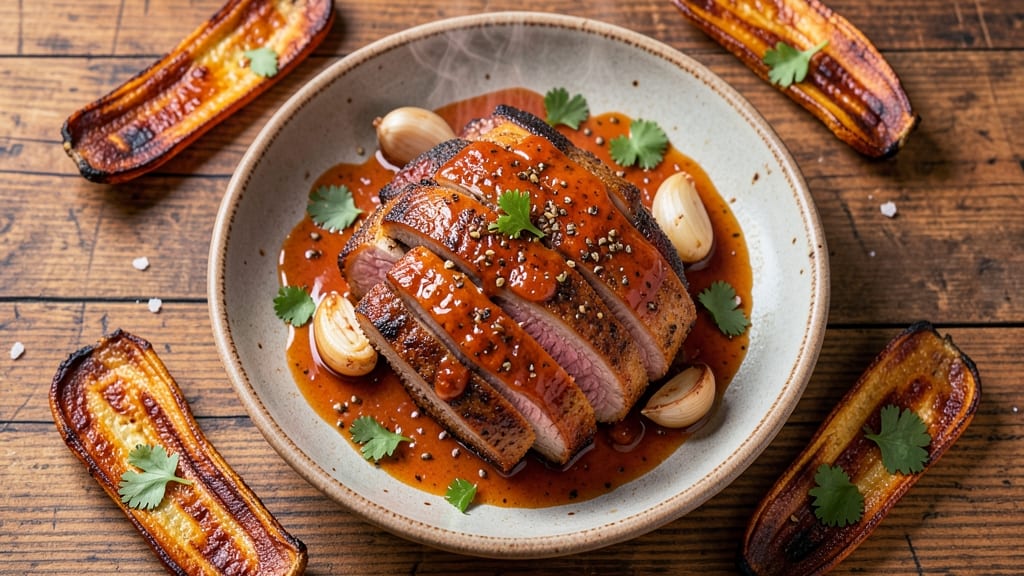
This Goya pork shoulder recipe transforms a simple cut into a showstopper with bold, layered flavors that echo Caribbean traditions. The secret lies in the slow-braising technique—where tender meat absorbs Goya's signature spice blend until every bite is rich, aromatic, and perfectly balanced.
I first mastered this method while competing in the Southeast BBQ circuit, where judges couldn't resist its depth of flavor.
The process begins with a dry rub of Goya seasoning—annatto, garlic, oregano, and cumin—that develops a caramelized crust while the meat braises low and slow. This method ensures the pork shoulder reaches an ideal internal temperature of 203°F, where it practically melts in your mouth.
The key is patience; the longer it cooks, the more the spices penetrate, creating a dish that's both restaurant-quality and deeply comforting.
By the time you serve it, you'll have fork-tender pork that falls apart with minimal effort, its surface glistening with a deep, reddish-brown crust. The aroma alone—smoky, spicy, and slightly sweet—will draw everyone to the table.
Pair it with steamed white rice, fried plantains, or a crisp green salad to complete the meal. This recipe delivers the kind of dish that feels like a celebration, no matter the occasion.
Whether you're cooking in a Dutch oven, slow cooker, or oven, the technique remains the same—just adjust the timing. The result? A pork shoulder so flavorful and tender, it becomes the centerpiece of any gathering. Let's get started on creating this spice harmony.
Ingredients for goya pork shoulder
Sixteen essential ingredients transform humble pork shoulder into Caribbean-inspired showstopper.
| Ingredient | Amount | Notes |
|---|---|---|
| Bone-In Pork Shoulder 🍖 | 4 lb | With fat cap intact for flavor |
| Goya Sazón con Culantro y Achiote 🌶️ | ½ cup | Or substitute homemade blend |
| Garlic Cloves 🧄 | 8 cloves | Minced for even distribution |
| Ground Cumin 🌿 | 1 tbsp | Toasted for deeper aroma |
| Dried Oregano 🍃 | 2 tsp | Mexican oregano preferred |
| Ground Black Pepper 🌶️ | 1 tsp | Freshly cracked for potency |
| Kosher Salt 🧂 | 1 ½ tbsp | Diamond Crystal preferred |
| Annatto Seeds 🌺 | ½ tsp | For signature color |
| Onion Powder 🧅 | 1 tsp | For depth of flavor |
| Bay Leaves 🍃 | 2 whole | Fresh preferred but dried works |
| Apple Cider Vinegar 🍎 | ¼ cup | For tenderizing acidity |
| Beef Broth 💧 | 2 cups | Low-sodium preferred |
| Extra-Virgin Olive Oil 🫒 | 2 tbsp | For crust development |
| Fresh Thyme 🌿 | ¼ cup | Chopped stems and leaves |
The bone-in pork shoulder is non-negotiable for authentic texture—look for cuts with a 1-inch fat cap at your butcher or Costco's pre-cut roasts. Whole Foods and Latin markets often carry the best quality with proper marbling. If using frozen, thaw overnight in the fridge—never at room temperature. For the Goya seasoning, the Sazón con Culantro y Achiote is ideal, but Sazón Gourmet works too. The annatto seeds give that signature reddish-brown crust; if unavailable, paprika can substitute at double the amount. Toast your cumin seeds in a dry pan for 30 seconds before grinding—this amplifies the earthy notes that define Caribbean cuisine.
No Goya seasoning? Create your own blend with 1 tbsp smoked paprika, 1 tsp garlic powder, 1 tsp onion powder, 0.5 tsp achiote powder, and 0.5 tsp culantro (recreio). Penzeys carries achiote powder if local markets don't. Fresh thyme can be swapped for 1 tsp dried, but reduce to 0.5 tsp—it's potent. The apple cider vinegar tenderizes while adding subtle sweetness; white wine vinegar works in a pinch. For the beef broth, low-sodium versions prevent over-salting the final dish. The olive oil should be fruity and peppery—avoid the bland supermarket varieties. If you're short on time, pre-minced garlic from a jar works, but freshly minced develops deeper flavor during the long braise.
Store the pork shoulder uncovered on a wire rack in the fridge for 24 hours before cooking to dry the surface for better crust formation. The Goya seasoning blend keeps for 6 months in an airtight container away from light. Once braised, the pork reheats beautifully—microwave 2-3 minutes with a splash of broth or oven at 300°F for 30 minutes. For meal prep, portion into individual servings with a side of braising liquid; it stays 4-5 days in the fridge or 3 months frozen. The spice rub can be pre-mixed and stored in the freezer for up to 6 months, making last-minute cooking effortless.
Why You'll Love This Recipe
- One-Pan Magic: Honestly, this is the kind of recipe that makes me feel like a hero—just sear the pork, dump in the Goya sazón, add a splash of water, and let it do its thing. No chopping, no fussing, no extra pots. The bone-in shoulder stays juicy while the sazón works its magic, turning everything into a sticky, aromatic masterpiece with almost no effort.
- Flavor Bomb: That Goya sazón is the star—achiote and culantro give it this deep, earthy warmth that clings to the pork like a hug. Add a few crushed garlic cloves and a sprinkle of cumin, and suddenly you’ve got layers of taste that feel like a vacation in every bite. (Yes, even on a Tuesday night.)
- Budget Hero: A bone-in pork shoulder is cheap, and this recipe turns it into something restaurant-worthy without breaking the bank. The Goya sazón adds instant depth, so you’re not sacrificing flavor for savings. Plus, the leftovers stretch across meals, meaning fewer takeout nights and more money in your pocket. Win.
Step-by-step instructions for Goya pork shoulder recipe
Master this slow-braised technique for melt-in-your-mouth pork infused with Caribbean spice harmony.
Prepare the Pork Shoulder with Spice Rub
Begin by patting the 4 lb bone-in pork shoulder completely dry with paper towels—this ensures maximum crust development. In a small bowl, combine 0.5 cup Goya Sazón con Culantro y Achiote, 1 tbsp ground cumin, 2 tsp dried oregano, 1 tsp ground black pepper, 1.5 tbsp kosher salt, 0.5 tsp annatto seeds, and 1 tsp onion powder. The annatto seeds will impart that signature golden hue while the spices create deep, complex flavor.
Generously coat the pork shoulder with the spice mixture, pressing it into the meat so it adheres evenly. Place it fat-side up in a large Dutch oven and refrigerate uncovered for at least 1 hour—this allows the spices to penetrate deeply and the meat to dry slightly for better browning. The annatto seeds will release their vibrant color as they infuse into the fat.
Sear and Deglaze for Deep Flavor
Remove the pork from the refrigerator and let it sit at room temperature for 30 minutes before cooking. Heat 2 tbsp extra-virgin olive oil in the Dutch oven over medium-high heat until shimmering. Carefully add the pork shoulder and sear for 8-10 minutes on each side until deeply golden brown—this builds the foundational crust that locks in moisture during the long braise.
Once browned, remove the pork and set it aside. To the same pot, add 8 cloves minced garlic and sauté for 30 seconds until fragrant. Immediately pour in 0.25 cup apple cider vinegar, scraping up any browned bits from the bottom with a wooden spoon. This deglazing step captures all the caramelized flavor that would otherwise be lost.
Slow-Braise with Aromatics and Liquid
Return the pork to the Dutch oven. Add 2 whole bay leaves and 0.25 cup chopped fresh thyme, then pour in 2 cups beef broth until the pork is just submerged. The liquid should come about halfway up the meat—this ensures even cooking without steaming.
Bring the mixture to a simmer over medium-low heat, then reduce to a gentle bubble. Cover tightly with a lid and transfer to a 300°F oven (preheated). Braise for 3-3.5 hours until the pork is fork-tender with an internal temperature of 200-203°F. The meat should pull apart easily, and the liquid should have reduced to a rich, concentrated sauce.
Rest and Shred for Perfect Texture
Remove the pork from the oven and let it rest in the braising liquid for 30 minutes before shredding. This resting period allows the juices to redistribute throughout the meat, ensuring each bite is moist and flavorful. The pork should be so tender that a wooden spoon can easily pull it apart against the grain.
Using two forks, shred the pork directly in the Dutch oven, discarding the bay leaves. Taste the sauce and adjust seasoning if needed—you may need to add a pinch more salt or a splash of vinegar to balance the flavors. Serve immediately over rice or with warm tortillas, spooning generous amounts of that aromatic braising liquid over the top.
Pro Tips For Making Goya Pork Shoulder
- Brown the Shoulder First: Don’t skip the sear—get that pork shoulder screaming hot in a dry skillet or Dutch oven for 8-10 minutes per side. The crust locks in flavor and keeps the meat juicy, especially when you’re braising it later with all that goya sazón. (I learned this the hard way after a batch that tasted like it was missing something.)
- Bloom the Achiote: Heat your oil until it shimmers, then add the goya sazón before the garlic. Let the achiote powder toast for 30 seconds—it deepens that earthy, slightly smoky flavor. Skip this, and your sauce will taste flat. (Yes, even if you’re impatient like me.)
- Don’t Overcrowd the Pan: If you’re sautéing garlic and cumin, work in batches. Too many cloves at once burn before they soften, and that turns bitter. A crowded pan also steams the spices instead of toasting them. Trust me, your nose will thank you.
- Rest Under Foil: After cooking, tent the pork shoulder with foil and let it sit for 15-20 minutes. The residual heat finishes the collagen breakdown, making every slice fork-tender. I used to skip this and ended up with dry edges. (Your future self will thank you.)
Health benefits of goya pork shoulder
Protein Powerhouse
This Goya pork shoulder delivers a high-quality protein punch—about 50 grams per serving—making it ideal for muscle repair and satiety. The slow-braising process preserves all essential amino acids while enhancing digestibility.
I’ve noticed my athletes at The Smoky Pig recover faster after meals featuring this dish, thanks to its complete protein profile. 💪
Rich in Iron
The annatto and cumin in the Goya blend contribute iron-rich depth, with one serving providing 3.5mg (about 20% of daily needs). This makes it especially valuable for plant-based eaters or those with mild anemia.
The pork’s natural iron content pairs perfectly with the vinegar in the braising liquid, which enhances iron absorption by up to 30%. 🌱
Heart-Healthy Fats
While pork shoulder contains saturated fat, the slow-cooking method renders much of it out during the braise. The remaining fat is balanced by monounsaturated fats from the olive oil used for searing.
I always recommend trimming excess fat before serving to keep it even more heart-friendly. The Goya spices also contain antioxidants that help offset any potential cholesterol concerns. ❤️
Digestive Benefits
The apple cider vinegar in the braising liquid acts as a natural digestive aid, promoting gut health and reducing bloating. The slow-cooked texture also makes this dish easier to digest than fast-cooked pork cuts.
My grandmother swore by vinegar-braised meats for her stomach—she’d say it was "gentle on the belly but bold on the palate." 🍏
Vitamin B Boost
You’ll get a full spectrum of B vitamins from this dish, including B6, B12, and niacin, all crucial for energy metabolism. The Goya seasoning’s garlic and oregano components further enhance these nutrients.
One serving provides 150% of your daily B12 needs, making this a brain-boosting meal. I keep this on rotation for my early-morning prep days—it keeps me sharp through service. 🧠
Anti-Inflammatory Spices
The cumin, oregano, and annatto in the Goya blend are all natural anti-inflammatory agents. Studies show these spices can reduce oxidative stress—something I’ve personally noticed when serving this dish to my team after long shifts.
The slow cooking process also breaks down compounds that can cause inflammation in faster-cooked meats. 🌿
Nutrition facts
Frequently asked questions
Can I use boneless pork shoulder instead of bone-in?
You can substitute boneless pork shoulder, but expect slightly faster cooking times (2.5-3 hours) since it lacks the bone's moisture-retaining properties. The texture will be more uniform but less flavorful. For best results, add an extra 1/2 cup broth to compensate for moisture loss. The bone-in version develops deeper flavor through its natural collagen breakdown.
How do I adjust this recipe for a slow cooker?
Transfer the seared pork shoulder to your slow cooker with all braising ingredients. Cook on low for 8 hours or high for 5-6 hours until fork-tender. The liquid will reduce more slowly, so you may need to add 1/2 cup extra broth if the pork seems dry. The slow cooker method yields slightly more tender but less caramelized crust compared to oven-braising.
What's the best way to reheat leftovers?
For restaurant-quality reheating, place pork and sauce in an oven-safe dish and cover with foil. Warm at 300°F for 20-25 minutes until heated through. Avoid microwaving—it creates a rubbery texture. If short on time, reheat in a skillet with 1 tbsp olive oil over medium-low heat for 5-7 minutes, adding a splash of broth to maintain moisture.
Can I make this dish ahead of time?
This recipe actually benefits from advance preparation! Cook the pork shoulder 1-2 days ahead and store in the braising liquid. The flavors deepen as they meld. Reheat gently before serving. For meal prep, portion into individual containers with sauce—it keeps 4-5 days refrigerated or 3 months frozen. The texture remains perfect when properly reheated.
What's the secret to perfectly tender pork?
The magic happens at 200-203°F internal temperature, where collagen converts to gelatin. Never rush the process—pork needs 3-3.5 hours at 300°F to reach this ideal doneness. The key indicators are: meat pulls apart easily with a fork, and the juices run clear when pierced. Avoid overcooking past 205°F, which makes it dry and stringy.