Soups & Stews
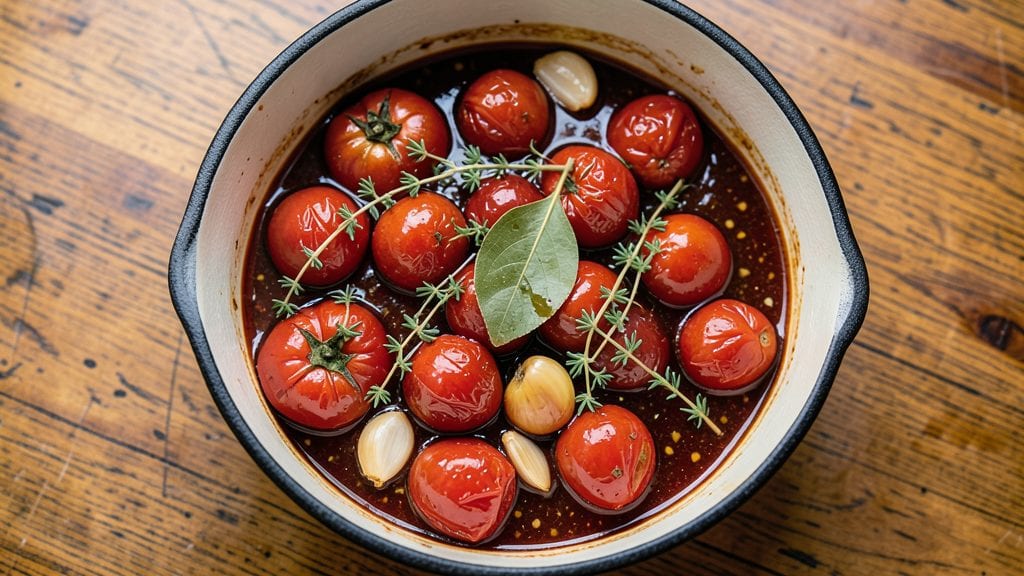
Grandma's old-fashioned stewed tomatoes recipe transforms simple ingredients into a jammy, rich sauce that tastes like summer in a jar. The secret lies in slow simmering—no shortcuts—until the tomatoes break down into velvety perfection with just enough sweetness to balance the tang.
My grandmother swore by this method, passing down the recipe through generations, and it never fails to bring back memories of Sunday dinners.
What makes this recipe special is its simplicity and depth of flavor. With just a handful of ingredients—tomatoes, sugar, vinegar, and herbs—you create a sauce that’s far more complex than store-bought versions.
The key is patience: letting the tomatoes simmer for at least 45 minutes until they’re thick, glossy, and bursting with flavor. No fancy techniques, just time and love.
The result is a sauce that’s versatile enough for sandwiches, pasta, or roasted meats, yet rich enough to stand alone. The tomatoes caramelize into a deep red jam, sweetened just enough to complement the bright acidity of the vinegar.
Every spoonful tastes like a hug from the past—warm, comforting, and full of nostalgia.
This recipe works best with ripe, vine-ripened tomatoes, though canned crushed tomatoes will do in a pinch. Serve it warm over toasted bread with butter, or use it as a topping for grilled cheese sandwiches. The possibilities are endless, but the method stays true to tradition. Let’s get cooking!
Ingredients for grandma's old fashioned stewed tomatoes
Eleven simple ingredients transform into a nostalgic sauce that captures summer's essence in every spoonful.
| Ingredient | Amount | Notes |
|---|---|---|
| Fresh Vine-Ripened Tomatoes 🍅 | 4 lb | Ripe, preferably heirloom varieties |
| Granulated Sugar 🍚 | 1 ½ cups | Adjust to taste for sweetness |
| White Vinegar 💧 | ½ cup | Distilled or apple cider preferred |
| Fresh Bay Leaves 🌿 | 2 whole | Dried works at half the amount |
| Fresh Thyme Sprigs 🌿 | 4 whole | Or 1 tsp dried thyme |
| Garlic Cloves 🧄 | 4 cloves | Peeled and lightly crushed |
| Diamond Crystal Kosher Salt 🧂 | 1 ½ tsp | Adjust to taste |
| Extra-Virgin Olive Oil 🫒 | 2 tbsp | For glossy finish |
| Black Peppercorns 🌶️ | ½ tsp | Freshly cracked preferred |
| Fresh Basil Leaves 🌿 | ¼ cup | For finishing garnish |
| Crushed Red Pepper Flakes 🔥 | ¼ tsp | Optional for subtle heat |
The tomatoes are the heart of this recipe, so prioritize quality. Heirloom varieties from a local farmers market deliver the deepest flavor, but standard grocery store tomatoes work well if they're fully ripe. For maximum sweetness, look for tomatoes with a vibrant red color and minimal blemishes. If using canned tomatoes, opt for San Marzano crushed tomatoes—their natural sweetness and low acidity make them ideal for this application. My grandmother always insisted on fresh, and while canned is a practical alternative, nothing beats the fresh-picked flavor when in season. The sugar should be granulated, not powdered, as it dissolves more evenly during the long simmer.
No fresh herbs? Dried thyme and bay leaves work perfectly, though fresh imparts a brighter flavor. Short on vinegar? Lemon juice at half the amount provides a similar acidity, though the tang will be slightly different. The garlic can be roasted ahead of time for a sweeter, mellow flavor—simply wrap whole cloves in foil and bake at 400°F for 20 minutes. For a smokier profile, add a pinch of smoked paprika or a dash of Worcestershire sauce. The olive oil isn't just for finishing; it helps create a glossy sheen and balances the acidity. If you're sensitive to fat content, you can reduce it to 1 tablespoon, but the richness is part of the charm.
This sauce improves with time, so make a big batch and store it properly. In the refrigerator, it keeps for up to 2 weeks in an airtight container, though the flavor peaks after 3-4 days as the tomatoes continue to break down. For longer storage, freeze in quart-sized portions for up to 6 months. The sauce reheats beautifully—simmer gently on the stove or microwave until warmed through. The basil should be added fresh at the end to preserve its bright flavor, just before serving. If you find yourself with extra, it freezes well too—just thaw and reheat before using.
Why You'll Love This Recipe
- Just Four Ingredients: I swear, this recipe is the kind of magic where you look at your pantry and think, "I’ve got this." Vine-ripened tomatoes, sugar, vinegar, and herbs—that’s it. No chopping, no fuss, just dump and simmer until the flavors meld into something rich and sweet-tart. Honestly, it’s the kind of simplicity that makes me feel like I’ve won at cooking.
- Sweet-Tart Perfection: That balance of sugar and vinegar? It’s chef’s kiss—like a hug for your taste buds. The tomatoes soften just enough to release their juices, while the bay leaves and thyme add this earthy depth that makes it taste like summer in a jar. (Yes, even on a Tuesday night.)
- Pot Luck Hero: This stuff disappears at gatherings—trust me, I’ve watched it. Serve it warm over toasted bread for a quick brunch, or let it cool and toss it with pasta for a meal that feels fancy but takes zero effort. My college friends still ask for it when they visit, and I’ve never had to explain why it’s "just tomatoes."
- Fridge Ally: Make a big batch and thank me later. It keeps for weeks in the fridge, so you’re never scrambling for a side dish or a quick lunch. Plus, those vinegar and sugar notes actually improve over time—it’s like the flavors get cozier together. Budget-friendly? Absolutely. But more importantly, it’s the kind of recipe that turns into your secret weapon.
Step-by-step instructions for grandma's old-fashioned stewed tomatoes
Transform humble tomatoes into a velvety, jammy masterpiece with this time-honored technique.
Prepare and Sterilize the Tomatoes
Begin by washing the 4 lb fresh vine-ripened tomatoes thoroughly under cool water, then pat them completely dry with paper towels. Cut each tomato into quarters, leaving the stems intact to prevent excessive juice release. Place the cut tomatoes in a large, heavy-bottomed pot—preferably enameled cast iron or stainless steel—and arrange them cut-side down to create a single layer.
For sterilization, bring the pot to a gentle simmer over medium heat for 5 minutes. This step is critical—it softens the tomatoes and helps prevent the final product from being watery. You'll notice the tomatoes begin to collapse slightly and release their juices, creating a fragrant aroma that signals they're ready for the next phase.
Add Aromatics and Simmer Gently
Remove the pot from heat and carefully add the 2 whole fresh bay leaves, 4 whole fresh thyme sprigs, 4 cloves garlic cloves (lightly crushed), and 1.5 tsp diamond crystal kosher salt. Stir gently to distribute the seasonings, then return the pot to low heat. Let the mixture simmer uncovered for 15 minutes, allowing the flavors to meld and the tomatoes to break down further.
During this time, the tomatoes will release more juice and begin to soften. You'll see the liquid turn a rich, ruby hue and the aromatics infuse the mixture with their earthy complexity. This slow simmering process is what builds the deep, concentrated flavor that defines old-fashioned stewed tomatoes.
Sweeten and Acidify for Balance
After 15 minutes, stir in the 1.5 cups granulated sugar and 0.5 cup white vinegar, combining them thoroughly with the tomato mixture. The sugar will dissolve gradually as the stew continues to simmer, while the vinegar cuts through the sweetness, creating the perfect balance. Return the heat to medium-low and let the stew cook uncovered for another 30 minutes, stirring occasionally.
Here's where the magic happens: the sugar caramelizes slightly, deepening the color and adding complexity, while the vinegar preserves the tomatoes and enhances their natural brightness. You'll notice the mixture thicken noticeably as it reduces, and the tomatoes will begin to break down into a jammy consistency. This is the moment when the stew transforms from simple tomatoes to something truly special.
Finish with Oil and Seasonings
Once the stew has thickened to your desired consistency—it should coat the back of a spoon but still be spoonable—remove the pot from heat. Stir in the 2 tbsp extra-virgin olive oil, 0.5 tsp black peppercorns (lightly crushed), and 0.25 tsp crushed red pepper flakes. The oil adds a luxurious sheen and helps distribute the heat evenly, while the peppercorns and flakes introduce subtle warmth and depth.
Let the stew rest off the heat for 10 minutes, allowing the flavors to fully integrate. Taste and adjust the seasoning if needed—you may want to add a pinch more salt or sugar to suit your preference. The stew should be sweet, tangy, and rich, with a velvety texture that clings to the back of your spoon.
Garnish and Serve
Just before serving, stir in the 0.25 cup fresh basil leaves, tearing them by hand rather than chopping to preserve their delicate texture. The basil adds a bright, herbal note that cuts through the richness of the stew and adds a touch of freshness. Ladle the stewed tomatoes into warmed bowls or jars, ensuring each serving gets a generous portion of the basil-infused oil that rises to the top.
This stew is best enjoyed warm, straight from the pot, where its jammy richness and balanced sweet-tart profile shine brightest. Serve it alongside grilled meats, crusty bread, or as a topping for roasted potatoes. The leftovers will keep in the refrigerator for up to 1 week, and the flavor only deepens with time, making it a perfect make-ahead dish for family gatherings or holiday meals.
Pro Tips For Making Grandma'S Old Fashioned Stewed Tomatoes
- Boil Tomatoes First: Dump whole tomatoes into a pot of boiling water for 2 minutes before draining—this softens skins and makes peeling (if you’re doing it) or crushing them way easier. I used to skip this and ended up with a stew full of stubborn, unbroken bits that never broke down properly.
- Use Cold Vinegar: Mix the white vinegar into the cold sugar syrup before adding it to the hot tomatoes—this prevents a sudden, harsh acid hit that can make the tomatoes taste sour instead of bright. I learned this after my first batch tasted like someone dumped a whole bottle of vinegar in at once.
- Salt Before Sugar: Add a pinch of salt to the tomatoes while they’re still raw in the pot—it helps draw out excess water and makes the sugar caramelize more evenly. Sounds odd, but it’s the thing that keeps your stew from turning into a watery glaze instead of a thick, glossy jam.
- Simmer Slow and Low: Cover the pot and let it bubble gently at the lowest simmer you can manage—no vigorous boiling, no skimming every five minutes. I used to rush it, and the tomatoes would split and turn mushy; now I just let it do its thing for 45 minutes, and the texture is perfect every time.
Perfect pairings for this dish
Classic Sandwich Spread
This stewed tomato sauce elevates classic sandwiches to new heights. Spread a generous layer on toasted sourdough with melted sharp cheddar and crispy bacon for a Southern-style grilled cheese. I like to add a sprinkle of crumbled blue cheese for extra depth when serving with roasted turkey.
The jammy texture clings beautifully to bread, making every bite rich and satisfying. 🥪
Pasta Perfection
Toss this sauce with fresh penne pasta and top with crispy pancetta, cherry tomatoes, and shaved parmesan for a rustic Italian-inspired dish. The sweet-tart balance cuts through the richness of the pasta, while the herbs add freshness.
For extra indulgence, stir in a splash of heavy cream at the end for a creamy twist. 🍝
Meat Pairings
Use this sauce as a glaze for grilled chicken thighs or pork chops. Brush it on during the last 5 minutes of cooking to create a caramelized crust. The sugar in the sauce helps create a beautiful sheen while balancing the savory meat.
I also love serving it alongside smoked sausage or pulled pork at family gatherings. 🍖
Breakfast Twist
Warm this sauce slightly and drizzle it over scrambled eggs or biscuits for a Southern-inspired breakfast. The sweetness balances the richness of the eggs, while the herbs add a fresh note.
For extra indulgence, top with crumbled feta cheese and toasted walnuts. It’s a comforting way to start the day. 🍳
Cheese Board Companion
Serve this sauce warm alongside aged cheddar, goat cheese, and cured meats on a charcuterie board. The sweet-tart flavor pairs beautifully with sharp cheeses and salty cured meats, creating a harmonious balance. I like to add crusty bread and olives to complete the spread. 🧀
Dessert Surprise
For a unique dessert, stir this sauce into vanilla ice cream or whipped cream and top with crushed graham crackers and toasted pecans. The sweet-tart flavor profile works surprisingly well in desserts, especially during warm weather. It’s a nostalgic twist on classic tomato jam. 🍦
Nutrition facts
Frequently asked questions
Can I use canned tomatoes instead of fresh?
Canned crushed tomatoes work perfectly—just drain them well first to avoid a watery sauce. For best results, use San Marzano or high-quality brands. You may need to simmer slightly longer (5-10 extra minutes) since canned tomatoes start softer. The sugar and vinegar will still balance the acidity beautifully.
Why does my stewed tomato sauce turn out too sweet?
This happens when the sugar doesn't fully dissolve or the simmer time is too short. Start with 1 cup sugar and taste after 30 minutes—you can always add more later. The vinegar should balance the sweetness, so ensure you've added the full ½ cup. For a less sweet version, reduce sugar to 1 cup and increase vinegar to ⅔ cup.
How do I store and reheat leftovers?
Transfer to an airtight container and refrigerate for up to 2 weeks. For freezing, portion into quart jars and store for 6 months. To reheat, simmer gently on the stove over low heat (never microwave directly) until warmed through. Stir in a splash of water if it thickens too much during storage.
Can I make this sauce without vinegar?
Yes, but the flavor will be less balanced. Replace the ½ cup vinegar with ⅓ cup lemon juice for brightness, or omit it entirely and add ½ tsp citric acid (found in baking aisles). The sauce will be sweeter, so reduce sugar to 1 cup and simmer 10 extra minutes to concentrate the flavors.
What's the secret to getting that jammy texture?
The key is low-and-slow cooking—never rush the simmer! Use a heavy pot, keep heat at medium-low, and stir occasionally to prevent sticking. The tomatoes need at least 45 minutes total simmering time to break down fully. For extra jammy results, mash some tomatoes with a spoon during the last 15 minutes of cooking.