
Appetizers
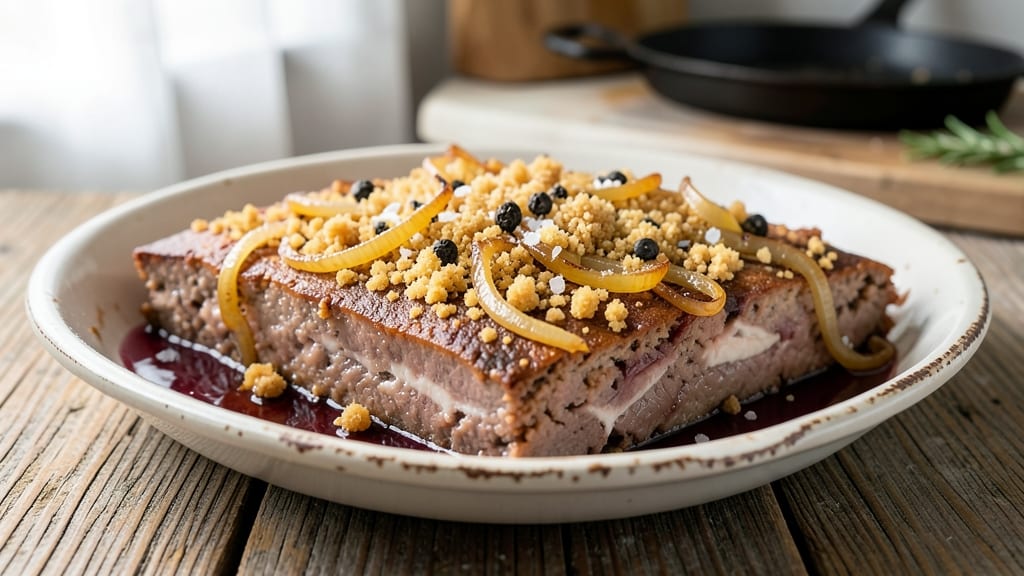
This homemade scrapple recipe brings Pennsylvania Dutch tradition to your kitchen with its rich, savory cornmeal crust and spiced pork filling—just like your great-grandmother made, but with modern precision.
The process starts with pork scraps simmered into a flavorful base, then bound with cornmeal for that signature crispy texture when pan-fried. I first discovered this recipe while researching Appalachian comfort foods, and it quickly became a staple in my breakfast rotation.
The beauty of scrapple lies in its simplicity: just a handful of ingredients transform humble pork scraps into something hearty and delicious. Traditional methods call for slow-cooking the pork with onions, spices, and cornmeal until it forms a thick, spreadable mixture.
This version keeps the classic approach but includes a few modern adjustments, like optional smoked paprika for depth or a splash of apple cider vinegar for brightness. The result? A dish that’s both nostalgic and refined, perfect for brunch or a hearty appetizer.
What you’ll end up with is a golden-brown scrapple with a crispy crust and tender, flavorful interior—ideal for serving with maple syrup, fried eggs, or alongside sausage gravy.
The texture is unmistakable: crisp on the outside, moist and savory within, with just the right amount of spice to wake up your taste buds. This recipe delivers authentic comfort food without the fuss, making it a weekend project worth every minute of prep.
For those looking to adapt, a vegetarian version can be made using mushrooms or lentils in place of pork, though the texture will differ slightly. Always handle pork scraps carefully—proper cooking times and storage are key to safety.
Whether you’re making it for family or just craving a taste of the past, this scrapple recipe is a testament to how simple ingredients can create something truly special.
Ingredients for homemade scrapple
Pork scraps, cornmeal, and spices—just six core ingredients transform into Pennsylvania Dutch comfort food magic.
| Ingredient | Amount | Notes |
|---|---|---|
| Pork Scraps 🥓 | 1 ½ lb | Neck bones or shoulder cuts preferred |
| Yellow Onions 🧅 | 1 whole | Medium, diced for simmering |
| Fine Yellow Cornmeal 🌾 | 1 ½ cups | Stone-ground for authentic texture |
| Granulated Sugar 🍚 | 2 tbsp | Balances savory flavors |
| Salt 🧂 | 1 ½ tsp | Kosher or sea salt preferred |
| Black Peppercorns 🌶️ | ½ tsp | Freshly ground for best flavor |
| Ground Allspice 🌿 | ¼ tsp | Traditional Pennsylvania Dutch spice |
| Ground Ginger 🌿 | ¼ tsp | Warmth without overpowering |
| Smoked Paprika 🌶️ | ½ tsp | Optional for depth (skip if avoiding smoke) |
| Apple Cider Vinegar 🍎 | 1 tbsp | Brightens flavors (optional) |
| Unsalted Butter 🧈 | 2 tbsp | For pan-frying crispy crust |
| Water 💧 | 1 ½ cups | For simmering pork mixture |
The pork scraps are everything here. Butcher shops often have neck bones or shoulder cuts at bargain prices—ask for the 'pork scraps' bin. If your grocery store doesn't carry them, Costco or Walmart sometimes stock them in the meat section. Look for scraps with good marbling and minimal fat—this ensures rich flavor without greasiness. The cornmeal should be fine yellow, not pre-cooked—Bob's Red Mill is my go-to brand for that authentic stone-ground texture. Freshly ground spices make all the difference, so if you've had your allspice or ginger for more than six months, it's time to refresh.
No smoked paprika? Regular paprika plus a pinch of liquid smoke works in a pinch. Short on apple cider vinegar? Lemon juice at half the amount gives similar brightness. For a vegetarian twist, swap pork with mushrooms or lentils (though texture will differ). The cornmeal can be substituted with polenta or grits if needed, but scrapple purists will notice the difference. If you're making this ahead, the raw scrapple mixture keeps in the fridge for 3 days before shaping—just cover it tightly with plastic wrap pressed directly on the surface to prevent drying.
Once shaped, scrapple freezes beautifully—up to 3 months when wrapped tightly in foil or vacuum-sealed. The best part? It reheats like a dream—just pan-fry from frozen (add 2-3 extra minutes). For serving, I always keep a bottle of pure maple syrup and a jar of sausage gravy on hand. The crust gets crispier with each reheat, so leftovers are practically mandatory. Store cooked scrapple in an airtight container for 5-6 days—it actually tastes better the second day as flavors meld.
Why You'll Love This Recipe
- Pork Scraps Put to Work: I swear by this recipe for turning tough cuts into something amazing—no fancy cuts needed. Just chop up those pork scraps, simmer them down with onions, and let the cornmeal work its magic into a hearty texture.
- Sweet-Savory Magic: That little pinch of sugar with the salt? It balances the richness perfectly—like a cozy hug for your taste buds. The onions caramelize just enough to add depth without overpowering the scrapple’s natural meaty flavor.
- Breakfast or Supper Fix: I make a big batch on Sundays and eat it all week—pan-fried for breakfast or sliced into sandwiches for lunch. It’s the ultimate lazy-day meal that still feels special.
- Budget Breakthrough: Honestly, this recipe saves me so much money compared to store-bought scrapple. Pork scraps are cheap, and one batch stretches across multiple meals without losing its appeal. Plus, leftovers reheat like a dream.
Step-by-step instructions for homemade scrapple
Here's how to transform humble pork scraps into a hearty, crispy scrapple with a golden crust and spiced filling.
Simmer the Pork and Onions
In a large pot, combine the 1.5 pounds of pork scraps with the 1 whole yellow onion (diced), the 1.5 cups of water, and the 1 tablespoon of apple cider vinegar. Bring everything to a boil over high heat, then reduce to a gentle simmer. You'll see the pork release its collagen and fat as it cooks.
Simmer uncovered for 2 hours, stirring occasionally to prevent sticking. You're looking for the pork to become fork-tender and the liquid to reduce by about half. The mixture should smell rich and savory—this is where all the flavor develops. If it gets too dry, add a splash of water, but try to keep it concentrated.
Shred and Season the Pork Mixture
Once the pork is tender, drain it through a fine-mesh strainer, pressing gently to extract all the juices. Return the strained pork to the pot and discard the onion pieces. Let the mixture cool slightly, then use two forks to shred it into small, even pieces.
In a small bowl, mix together the 1.5 teaspoons of salt, the 0.5 teaspoon of black peppercorns (freshly ground), the 0.25 teaspoon of ground allspice, the 0.25 teaspoon of ground ginger, the 0.5 teaspoon of smoked paprika, and the 2 tablespoons of granulated sugar. Sprinkle this spice mixture evenly over the shredded pork and stir until fully coated. The sugar helps balance the savory flavors while the spices add warmth and depth.
Prepare the Cornmeal Crust
In a separate bowl, combine the 1.5 cups of fine yellow cornmeal. This stone-ground cornmeal is key for that authentic texture—it stays slightly gritty and hearty. Gradually stir in the shredded pork mixture until everything is evenly incorporated. The dough should be thick but workable, like wet sand.
Shape the mixture into a 1-inch thick loaf on a parchment-lined baking sheet. Press it firmly into place, smoothing the top with your hands. The goal is an even surface so it cooks uniformly. Let it rest for 10 minutes while you heat your pan.
Pan-Fry for a Crispy Crust
Heat a large skillet over medium heat and melt the 2 tablespoons of unsalted butter. Once the butter is foaming, carefully transfer the scrapple loaf to the skillet. Cook for 10 minutes per side, pressing down gently with a spatula to help it brown evenly. You'll know it's ready when the crust is deep golden brown and the internal temperature reaches 165°F.
For extra crispiness, flip the scrapple onto a wire rack set over a baking sheet and broil for 2-3 minutes, watching closely to avoid burning. The crust should be crackly and golden, while the inside remains moist and flavorful. Let it rest for 5 minutes before slicing—this helps the juices redistribute for the perfect bite.
Pro Tips For Making Homemade Scrapple
- CRANK THE HEAT FIRST: Scrapple’s magic happens in the first 5 minutes—get that pan screaming hot before adding the pork scraps. I used to simmer gently, and the scrapple turned out mushy. Now I sear it hard, then lower the heat to finish slow.
- GRIND ONIONS FINE: No chunky bits—pulse those onions in the food processor until they’re almost paste-like. I learned this after one batch where I could still pick out onion pieces. It blends better with the cornmeal and pork, making every bite consistent.
- SALT THE CORNMEAL MIX: Toss the cornmeal with salt before adding liquid—it dissolves evenly and prevents bland pockets. I used to add all the salt at the end, and the texture stayed uneven. A pinch per cup of cornmeal makes a real difference.
- DON’T SKIP THE REST: Let the scrapple sit covered for 15 minutes after cooking—it firms up and makes slicing cleaner. I know, it’s tempting to cut into it hot, but you’ll end up with a gloppy mess. (Yes, even if you’re impatient like me.)
Flavor customization for this homemade scrapple
Spice Level Control
Adjust the heat by tweaking the smoked paprika and black peppercorns. For a milder version, reduce the smoked paprika to ¼ teaspoon and swap half the black pepper for white pepper—it adds warmth without the same kick.
If you love spice, add ½ teaspoon cayenne or 1 teaspoon chipotle powder to the seasoning mix. I’ve found that Penzeys Spices has excellent pre-mixed blends for scrapple if you want to experiment. 🌶️
Sweet and Savory Balance
The 2 tablespoons granulated sugar in the recipe is key for balancing the pork’s richness. For a sweeter profile, increase it to 3 tablespoons and add 1 teaspoon cinnamon—this works surprisingly well with the allspice and ginger.
If you prefer less sweetness, cut the sugar to 1 tablespoon and add ½ teaspoon mustard powder for a tangy depth. Maple syrup lovers can replace half the sugar with 1 tablespoon pure maple syrup in the seasoning mix.
Umami Boosters
For extra depth, stir in 1 tablespoon soy sauce or 1 teaspoon fish sauce during the simmering phase—this enhances the pork’s natural umami without overpowering. I also love adding 1 teaspoon Worcestershire sauce to the seasoning mix for a classic, savory punch.
For a vegetarian twist, 1 tablespoon mushroom powder or 1 teaspoon nutritional yeast mimics the meaty flavor beautifully. These tweaks work especially well if you’re using lentils or mushrooms as a pork substitute.
Herb Variations
Swap out the allspice and ginger for other warm spices like 1 teaspoon ground cloves or ½ teaspoon nutmeg for a holiday-inspired twist. Fresh herbs add brightness—try 1 tablespoon finely chopped sage or 1 teaspoon dried thyme in the seasoning mix.
For a smoky herb blend, mix ½ teaspoon each of rosemary and thyme with the smoked paprika. These herbs pair especially well with the cornmeal’s earthiness and the pork’s richness.
Acid Brighteners
The 1 tablespoon apple cider vinegar in the simmering phase adds tang, but you can experiment with other acids. Swap it for 1 tablespoon lemon juice for a brighter, citrusy note or 1 teaspoon Dijon mustard for a sharp, slightly sweet contrast.
If you love umami, 1 teaspoon rice vinegar adds a subtle depth. These adjustments prevent the scrapple from tasting flat, especially if you’re using leaner pork scraps or a vegetarian base.
Texture Tweaks
For a softer texture, replace ½ cup of the cornmeal with ½ cup breadcrumbs or ½ cup cooked quinoa—this makes the scrapple more tender inside while keeping the crust crisp. If you prefer a crunchier exterior, coat the shaped loaf with 1 tablespoon cornstarch before pan-frying.
For a moist center, add 1 extra tablespoon of water to the pork mixture before shaping. These small changes can completely transform the scrapple’s mouthfeel. 💡
Nutrition facts
Frequently asked questions
What makes homemade scrapple different from store-bought?
Homemade scrapple uses fresh pork scraps and stone-ground cornmeal for a richer, more authentic texture. Store-bought versions often contain preservatives, soy protein, and pre-cooked fillers that compromise flavor and crispiness. The slow-simmered pork base and pan-fried crust create a depth of flavor you won’t find in packaged scrapple.
Can I use regular cornmeal instead of fine yellow?
Yes, but your scrapple's texture will differ slightly. Fine yellow cornmeal gives that traditional gritty, hearty bite. For a smoother version, you can grind regular cornmeal in a food processor, but it won't have the same authentic character. Stone-ground cornmeal is ideal for that classic scrapple experience.
How do I store leftover scrapple?
Wrap cooked scrapple tightly in plastic wrap or foil and store in an airtight container for 5-6 days in the fridge. For longer storage, freeze it for up to 3 months. Reheat by pan-frying from frozen (add 2-3 extra minutes) or thawing overnight in the fridge. The crust gets even crispier with each reheat!
What's the best way to serve scrapple?
Classic pairings include maple syrup, sausage gravy, or fried eggs for breakfast. For lunch, serve with collard greens or cornbread. The crispy crust pairs beautifully with tangy elements like apple cider vinegar-based salsas or hot sauce. Don't forget—scrapple tastes even better the second day!
Why did my scrapple turn out dry?
Overcooking or insufficient fat in the pork scraps are common culprits. Make sure your pork mixture has enough natural fat (aim for 15% fat content in the scraps) and don't exceed 165°F internal temperature. For extra moisture, add 1 extra tablespoon of water to the mixture before shaping. The cornmeal-to-pork ratio is also key—stick to 1.5 cups cornmeal per 1.5 lbs pork.