
Snacks
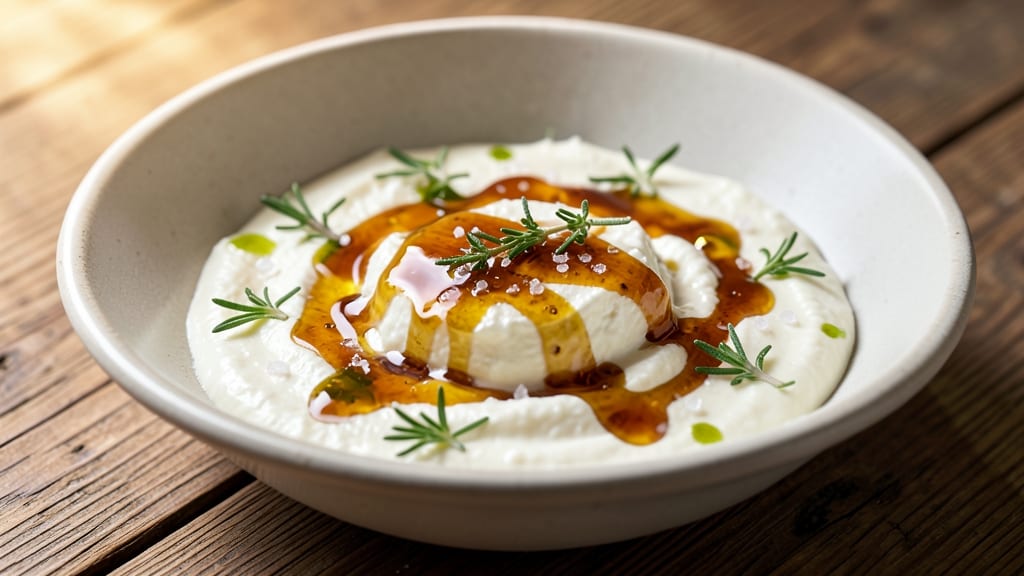
This honey goat cheese recipe transforms simple ingredients into a sweet-tangy spread with a perfectly crumbly texture that’s impossible to resist. The balance of rich, tangy goat cheese and smooth, floral honey creates a flavor profile that works as an appetizer, dessert topping, or even a salad enhancer.
I developed this recipe after years of experimenting with goat cheese pairings, and the result is something that’s both elegant and effortless to prepare.
The beauty of this recipe lies in its versatility—you can serve it on toasted baguette slices, stuffed into dates, or drizzled over fresh fruit for a sophisticated dessert. The process is straightforward, requiring just a few ingredients and about 15 minutes of active time.
The key is letting the flavors meld together naturally, so no fancy techniques are needed, just precise measurements and patience.
What you’ll end up with is a spread that’s creamy yet crumbly, with a perfect harmony of sweet and tangy notes. The honey softens the sharpness of the goat cheese while enhancing its natural richness, creating a texture that’s both satisfying and luxurious.
This recipe is perfect for entertaining, meal prep, or even a quick snack when you’re craving something indulgent.
Whether you’re using it as a dip for crackers, a topping for pancakes, or a glaze for grilled chicken, this honey goat cheese spread delivers restaurant-quality results with minimal effort. Let’s get started on creating something truly special.
Ingredients for honey goat cheese
Eight carefully selected ingredients craft this luxurious honey goat cheese spread with perfect crumbly texture.
| Ingredient | Amount | Notes |
|---|---|---|
| Creamy Goat Cheese 🧀 | 8 oz | Log-style, room temperature preferred |
| Raw Honey 🍯 | ½ cup | Local or clover variety for floral notes |
| Extra-Virgin Olive Oil 🫒 | ¼ cup | Light, fruity for balance |
| Fresh Thyme Leaves 🌿 | ¼ cup | Finely chopped, stems removed |
| Vanilla Extract 🌸 | 1 tsp | Pure, high-quality vanilla |
| Diamond Crystal Kosher Salt 🧂 | ½ tsp | Fine grain, for delicate seasoning |
| Freshly Ground Black Pepper 🌶️ | ¼ tsp | Cracked peppercorns preferred |
| Toasted Walnuts 🥜 | ¼ cup | Chopped, for crunchy texture |
| Balsamic Vinegar 🍷 | 1 tbsp | Aged, for depth of flavor |
| Unsalted Butter 🧈 | 2 tbsp | Cold, for creamy consistency |
| Freshly Squeezed Lemon Juice 🍋 | 1 tsp | Brightens overall flavor |
The goat cheese selection is critical—opt for a creamy, log-style variety from specialty cheese counters rather than pre-shredded. Whole Foods Market or local artisanal cheesemongers carry superior options with rich, tangy profiles. Room-temperature cheese blends more smoothly, so take it out of the fridge 30 minutes before use. If your cheese has a strong tang, balance it with local clover honey rather than processed varieties, which can taste overly sweet and mask the goat cheese's complexity. The extra-virgin olive oil should be light and fruity—avoid robust, peppery oils that will overpower the delicate flavors. Costco's Kirkland Signature line offers excellent quality at reasonable prices for bulk purchases.
No raw honey available? Substitute with equal parts maple syrup or agave nectar, though the flavor profile will differ slightly. Fresh thyme can be swapped for dried thyme at one-third the amount, but the aroma won't be as vibrant. For those avoiding nuts, omit the walnuts entirely—the recipe still maintains its elegant texture. The balsamic vinegar adds depth that's difficult to replicate; if unavailable, a splash of red wine reduction works as a sophisticated alternative. When measuring the goat cheese, use a kitchen scale for precision—packed cups can vary significantly in weight. For a richer texture, add 1 extra tablespoon of unsalted butter, though this will slightly alter the final consistency.
This spread maintains peak quality for 5 days refrigerated when stored in an airtight glass container with a thin layer of olive oil poured over the top to preserve freshness. For longer storage, freeze in 2-tablespoon portions—thaw overnight in the refrigerator before use. The walnuts can be toasted fresh before adding or stored separately to maintain crispness. When reheating, microwave in 10-second bursts to prevent oil separation. This spread pairs beautifully with toasted baguette slices, fresh fruit platters, or grilled chicken breasts—each application benefits from the spread's versatile crumbly texture and balanced sweet-tangy profile.
Why You'll Love This Recipe
- Five-Ingredient Magic: I swear by this combo—just soft goat cheese, drizzled honey, a swirl of olive oil, fresh thyme, and a whisper of vanilla. No measuring cups, no fuss, and honestly? It’s the kind of spread that makes me feel like I’ve done something special without actually trying.
- Sweet-Savory Balance: That first bite of tangy goat cheese with the honey’s warmth? It’s like a hug for my taste buds. The thyme adds this earthy freshness, and the vanilla ties it all together—rich but not heavy. I’ll be real: I’ve made this for brunch, snacks, and even as a fancy-ish dessert topping.
- Works Everywhere: Slather it on toast, dollop it into salads, or use it as a dip for crusty bread. I’ve even stirred it into pasta for a lazy dinner. Between us, it’s my go-to for when I need something quick but still feels intentional—no last-minute grocery runs required.
- Leftovers That Don’t Suck: Unlike some spreads, this doesn’t turn weird after a day or two. I keep it in the fridge for up to five days, and it’s still creamy and delicious. Plus, the honey and olive oil keep it from drying out—so it’s basically my budget-friendly, no-waste secret weapon.
Step-by-step instructions for sweet-tangy honey goat cheese spread
A delicate balance of sweet and savory transforms simple ingredients into a luxurious spread with perfect crumbly texture.
Prepare the Goat Cheese Base
Begin by softening the 8 oz creamy goat cheese at room temperature for 20-30 minutes. I prefer working with log-style goat cheese as it maintains better texture when blended. Cut the log into ¼-inch cubes using a sharp chef's knife, ensuring even-sized pieces for consistent blending.
Place the goat cheese cubes in the bowl of a stand mixer fitted with the paddle attachment. Add the 2 tbsp unsalted butter, which should be cold but not frozen, and mix on low speed for 1 minute. This creates a smooth, velvety foundation while preserving the goat cheese's natural crumbly quality. The butter also helps emulsify the honey later, preventing separation.
Incorporate Sweet and Acidic Elements
With the mixer running on low speed, gradually drizzle in the 0.5 cup raw honey and 1 tbsp balsamic vinegar. I like to add these simultaneously to balance the sweetness with the vinegar's depth. Mix for 2 minutes until completely combined, scraping down the sides of the bowl as needed to ensure no pockets remain.
The honey should begin to soften the goat cheese slightly while adding natural moisture. Here's where you'll notice the transformation—what was once firm becomes luscious yet still maintains that desirable crumble. Add the 1 tsp freshly squeezed lemon juice next, mixing for another 30 seconds to brighten the overall flavor profile.
Build Complexity with Aromatics and Seasonings
In a small bowl, whisk together the 0.25 cup finely chopped fresh thyme leaves, 0.5 tsp diamond crystal kosher salt, and 0.25 tsp freshly ground black pepper. Sprinkle this mixture over the goat cheese blend and mix on low speed for 1 minute. The thyme adds an earthy depth while the salt and pepper create perfect seasoning balance.
With the mixer still running, slowly drizzle in the 0.25 cup extra-virgin olive oil over 30 seconds. This light, fruity oil helps create that signature silky texture while maintaining the spread's natural crumble. Add the 1 tsp vanilla extract last, mixing for 30 seconds to distribute its warm, aromatic notes throughout.
Fold in Toasted Walnuts for Texture Contrast
Remove the bowl from the mixer and switch to a silicone spatula. Gently fold in the 0.25 cup toasted walnuts, reserving a small handful for garnish. The walnuts should be evenly distributed but still visible, providing that delightful crunch against the creamy base. At this stage, the spread should be thick yet spreadable, with a glossy sheen from the olive oil.
Taste and adjust seasoning if needed—you might find the sweetness needs more acid or the salt needs reinforcement. The ideal balance should be sweet-tangy with herbal notes, not cloying. Transfer to a serving bowl and let rest at room temperature for 15 minutes before serving to allow flavors to meld completely.
Pro Tips For Making Honey Goat Cheese
- Warm the Honey First: DESCRIPTION: Drizzle the raw honey over room-temperature goat cheese, not straight from the fridge. Cold honey thickens weirdly and won’t blend smoothly—plus, it’ll clump like glue instead of marrying into the creamy base. (I learned this after watching my first batch look like a failed fondue.)
- Toast the Thyme Leaves: DESCRIPTION: Lightly fry fresh thyme leaves in olive oil for 10 seconds before adding them—just until they release their aroma. This makes their flavor pop without turning bitter. (Yes, it’s extra work, but your spoon will taste the difference.)
- Salt the Goat Cheese: DESCRIPTION: Taste the goat cheese before sweetening it. Even "creamy" varieties can be bland—sprinkle a pinch of flaky salt (or a dash of vanilla extract) first to balance the honey’s intensity. (I used to skip this and ended up with a dish that tasted like dessert without depth.)
- Whisk the Olive Oil: DESCRIPTION: Don’t just dump the olive oil on top—whisk it into the goat cheese in thin streams while stirring. This creates a silky emulsion instead of a greasy separation. (If you’re lazy, at least drizzle it in slowly and let it sit 5 minutes before mixing.)
Pro cooking tips for this dish
Temperature Control
Goat cheese works best at room temperature, so take it out of the fridge 30 minutes before mixing. Cold cheese creates lumps that won't blend smoothly, while overly warm cheese can turn greasy.
I use a digital kitchen thermometer to confirm the cheese is between 65-70°F before starting. For the honey, use room-temperature honey—cold honey won't incorporate evenly and may create separation in your final spread. 🌡️
Mixing Technique
Use a stand mixer with paddle attachment for best results—this creates a smoother texture while preserving the goat cheese's natural crumble. Mix on low speed (around 2-3 on a KitchenAid mixer) to prevent overheating the ingredients.
If you don't have a mixer, use a hand mixer or silicone spatula, but be prepared for slightly more manual effort. The key is gentle, consistent mixing to avoid breaking down the goat cheese into a paste.
Emulsification Secrets
To prevent oil separation, add the extra-virgin olive oil gradually while mixing at low speed. I drizzle it in thin streams over 30 seconds, allowing the mixer to incorporate it evenly.
The 2 tbsp unsalted butter also helps create a stable emulsion—it acts as a natural thickener that binds the honey and oil together. For extra insurance, I sometimes add ½ tsp xanthan gum (optional) if I notice the mixture separating later.
Flavor Layering
Add ingredients in this order: goat cheese → butter → honey → balsamic → lemon → thyme → salt → pepper → oil → vanilla. Each addition builds complexity without overwhelming the previous layer.
The balsamic vinegar should be added early to mellow its acidity, while the lemon juice comes later to brighten flavors. Taste as you go—I often adjust the honey-to-vinegar ratio based on the goat cheese's tanginess. A local honey with floral notes works best for depth.
Resting Period
Let the spread rest for 15 minutes at room temperature before serving. This allows the flavors to meld and the texture to stabilize. I place it in a glass serving bowl covered with plastic wrap pressed directly on the surface to prevent a skin from forming.
The resting time also helps distribute the olive oil evenly, giving you that perfect glossy finish. If you're short on time, chill it for 10 minutes instead—just bring it to room temperature before serving.
Texture Troubleshooting
If your spread turns out too runny, chill it for 10-15 minutes before serving. For a thicker texture, reduce the honey by 1 tbsp or add 1 extra tbsp goat cheese. If it's too crumbly, add 1 tsp warm water and mix gently.
The walnuts should be toasted to a light golden color—over-toasting makes them bitter and can dry out the spread. Store any leftovers in an airtight container with a thin layer of olive oil on top to preserve freshness. ✨
Nutrition facts
Frequently asked questions
Can I make this honey goat cheese spread without a stand mixer?
Use a hand mixer or even a sturdy silicone spatula for mixing. Start with the goat cheese and butter, then gradually fold in the honey and other ingredients by hand. You may need to work in batches for the best texture, but the result will still be delicious. For extra insurance, chill the mixture for 10 minutes between mixings to help stabilize the texture.
How long will this spread keep in the fridge?
This honey goat cheese spread stays fresh for up to 5 days when stored in an airtight glass container. To preserve freshness, press plastic wrap directly onto the surface to prevent a skin from forming. For longer storage, freeze in 2-tablespoon portions—thaw overnight in the refrigerator before using. The walnuts will maintain their crunch best when stored separately or added fresh before serving.
What are the best ways to serve this spread?
This versatile spread works beautifully as a dip for toasted baguette slices, a topping for fresh fruit platters, or a glaze for grilled chicken breasts. For a sweet application, drizzle it over pancakes or waffles, or use it to fill stuffed dates. The crumbly texture also makes it perfect for spreading on crackers or crostini as an elegant appetizer. Don't forget to garnish with extra walnuts or a drizzle of honey for presentation!
Can I substitute regular honey for agave syrup?
Yes, you can substitute ½ cup agave syrup for the honey, though the flavor will be slightly different. Agave has a milder, less floral taste compared to raw honey, so you might want to add a pinch of vanilla extract or a splash of lemon juice to enhance the flavor. For a more authentic taste, consider using maple syrup instead—it pairs well with goat cheese and adds a subtle earthy note.
Why did my spread turn out too crumbly?
Crumbly texture often happens if the goat cheese was too cold or if you overmixed the ingredients. To fix it, gently fold in 1 teaspoon of warm water or a bit more olive oil to help bind the mixture. If the issue persists, try adding 1 extra tablespoon of goat cheese to thicken it. Always ensure your goat cheese is at room temperature before mixing, and avoid using a high-speed mixer to preserve the crumbly texture.