
Sauces & Condiments
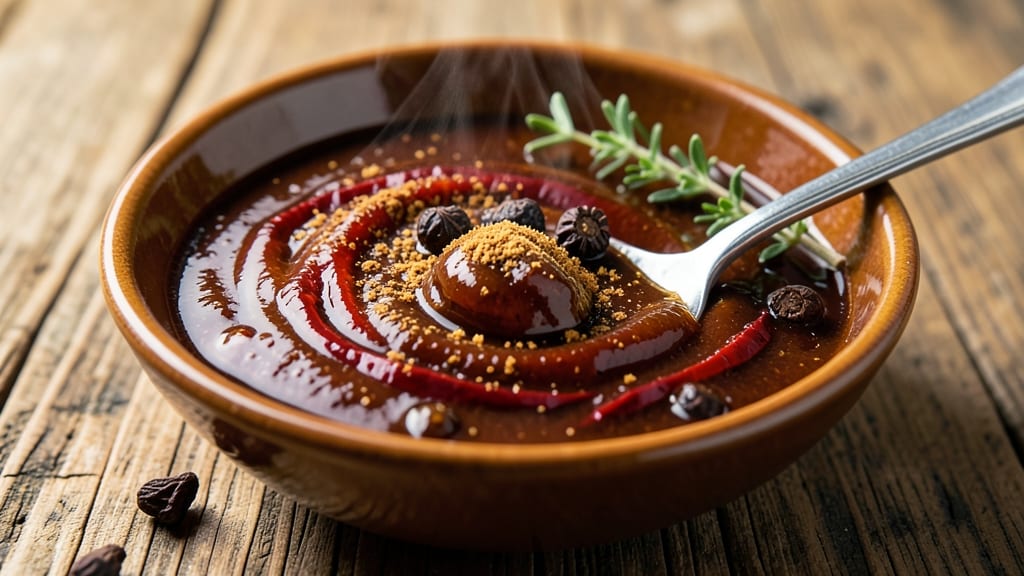
This honey jerk sauce recipe transforms grilled chicken and pork into restaurant-quality masterpieces with its perfect balance of smoky, sweet, and fiery flavors. The secret lies in blending honey’s caramel depth with Scotch bonnet’s heat and allspice’s warmth, creating a sauce that’s as versatile as it is unforgettable.
I developed this version after years of testing—no overly sweet or one-note sauces here.
The magic happens in the spice blend: toasted allspice, cinnamon, and thyme infuse the sauce with aromatic complexity, while soy sauce adds umami depth. This isn’t just a glaze—it’s a marinade, a basting sauce, and a dipping sauce all in one.
The sauce thickens beautifully when reduced, clinging to meat like a second skin while balancing heat with honey’s natural sweetness.
What you’ll end up with is a smoky-sweet sauce that caramelizes beautifully on the grill, creating a glossy crust that’s impossible to resist. It works equally well on chicken thighs, pork chops, or even as a dipping sauce for fries.
The best part? It keeps for up to two weeks in the fridge, so you can make a big batch and use it all season.
Ready to elevate your grilling game? This sauce is the game-changer you’ve been missing—bold enough for spice lovers but balanced enough for everyday meals. Let’s get started on making it.
Ingredients for honey jerk sauce
Nine ingredients, endless flavor—this sauce is your grill game-changer.
| Ingredient | Amount | Notes |
|---|---|---|
| Honey 🍯 | ½ cup | Light or dark amber preferred |
| Scotch Bonnet Peppers 🌶️ | 2 whole | Seeds removed for less heat |
| Allspice Berries 🌿 | 1 tbsp | Toasted for deeper aroma |
| Ground Cinnamon 🍃 | 1 tbsp | Freshly ground preferred |
| Dried Thyme 🌿 | 1 tsp | Or 1 tbsp fresh thyme leaves |
| Soy Sauce 🍶 | ¼ cup | Light or dark preferred |
| Garlic Cloves 🧄 | 4 cloves | Peeled and minced |
| Apple Cider Vinegar 🍏 | 2 tbsp | For tangy balance |
| Brown Sugar 🍬 | 2 tbsp | Light or dark preferred |
| Salt 🧂 | 1 tsp | Kosher or sea salt |
The Scotch bonnet peppers are non-negotiable for that signature jerk heat, but handle with care—those gloves are a must. I grab mine at Trader Joe's or Latin markets, where they're usually fresh and vibrant. The allspice berries? Toast them lightly in a dry pan for 30 seconds—that aroma is everything. For the honey, Manuka or clover works best, but any light amber will do. The soy sauce adds that umami kick, so don't skimp—Kikkoman or Tamari are solid choices. Fresh thyme is ideal, but dried works in a pinch if you've got it.
No Scotch bonnet? Habanero or cayenne at half the amount gets you close, but expect more heat. Subbing brown sugar for honey? Reduce the sauce longer—it won't caramelize the same way. Fresh garlic is a must here—jarred minced loses flavor fast. Want it sweeter? Add another tablespoon of honey. Need more tang? Apple cider vinegar can be increased to 3 tbsp. The sauce thickens as it reduces, so if it's too thin, simmer uncovered for another 5-10 minutes. Trust me, it'll come together.
This sauce keeps like a dream—up to 2 weeks in the fridge sealed in a jar. For longer storage, freeze in ice cube trays—perfect for single-use portions. It actually tastes better after a day or two as the flavors meld. Double the batch if you're grilling for a crowd—it disappears fast. Store it in a cool, dark place away from heat to preserve those vibrant flavors. The spices stay potent for months if kept in an airtight container.
Why You'll Love This Recipe
- No Blender Needed: I swear by this—just a knife, a cutting board, and a saucepan. The Scotch bonnet’s heat and honey’s stickiness blend perfectly with a quick simmer, no fancy gadgets required. (Yes, even when I’m too lazy to pull out the blender.)
- Sweet Heat Balance: Honestly, the first time I tasted this, I grabbed another spoonful. That smoky allspice and cinnamon warmth, then whoosh—the Scotch bonnet’s fire hits like a surprise. It’s the kind of sauce that makes you pause mid-bite, even if you’re just dipping chicken.
- Weeknight Wingman: This stuff turns everything into a showstopper—grilled chicken, roasted veggies, even scrambled eggs. I keep a jar in the fridge because it’s my go-to for lazy nights when I want flavor without effort. (Pro tip: Drizzle it over store-bought rotisserie chicken for instant dinner.)
- Lasts All Week: Between us, I make a big batch and it never goes to waste. The honey keeps it from drying out, and the spices deepen over time. Freeze half if you’re worried about spoilage—thaw it straight into a pan for next week’s stir-fry. Cheap, versatile, and always delicious.
Step-by-step instructions for honey jerk sauce
Here's how to create a bold, balanced glaze that brings Caribbean heat and sweetness to your grilled proteins.
Toast the Allspice Berries for Depth
Heat a dry skillet over medium heat and add the 1 tablespoon allspice berries. Toast them for 1-2 minutes until fragrant and just beginning to pop—you'll smell their warm, peppery aroma filling your kitchen. This step unlocks their full flavor potential, which becomes the aromatic backbone of your sauce.
Watch closely to avoid burning. When they darken slightly and release their scent, immediately transfer them to a small bowl and let cool completely. You'll pulse them later, but cooling first prevents excess oil release that can make your sauce greasy. Set them aside for now.
Blend the Wet Ingredients Smoothly
In a blender, combine the 0.5 cup honey, 0.25 cup soy sauce, 2 tablespoons apple cider vinegar, 2 tablespoons brown sugar, and 1 teaspoon salt. Add the 4 minced garlic cloves and 2 whole scotch bonnet peppers (seeds removed). Secure the lid and blend on high for 10-15 seconds until completely smooth.
Here's the thing—you want this base to be perfectly homogeneous. Any visible pepper seeds or garlic chunks will create texture inconsistencies in your finished sauce. If the mixture looks too thick, add 1 tablespoon water and blend again. The sauce should be pourable but still coat the back of a spoon.
Cook the Sauce Until Thickened
Transfer the blended mixture to a saucepan and place it over medium heat. Stir in the toasted allspice berries and 1 tablespoon ground cinnamon. Bring to a gentle simmer, then reduce heat to low. Let it cook uncovered for 15-20 minutes, stirring occasionally.
You're looking for the sauce to reduce by about one-third—it should thicken noticeably and develop a glossy sheen. The color will deepen to a rich amber, and you'll detect layers of caramelized sweetness with underlying heat. If it thickens too quickly, add 1 tablespoon water to maintain balance.
Finish with Fresh Thyme and Strain
Remove the sauce from heat and stir in the 1 teaspoon dried thyme. Let it steep for 5 minutes—this allows the thyme to infuse its earthy aroma without overpowering the other flavors. Then, strain the sauce through a fine-mesh sieve into a clean bowl to remove any remaining allspice bits or thyme stems.
The strained sauce should be silky smooth with no visible particles. Taste and adjust seasoning if needed—you might want to add a touch more salt or vinegar to balance the sweetness and heat. Let it cool completely before using, as the flavors continue to meld as it sits.
Pro Tips For Making Honey Jerk Sauce
- Toast the Spices: Dry your allspice berries and cinnamon in a small pan over medium heat for 30 seconds—just until fragrant. I learned this the hard way: skipping this step leaves the sauce tasting flat, like someone forgot to wake up the flavors. The heat unlocks their depth without burning them.
- Seed the Pepper Right: Cut open that Scotch Bonnet, scrape out the seeds and membranes, then chop the flesh—keep the veins. The seeds pack the heat, but the veins hold the fruity complexity that makes jerk sauce sing. (Yes, even if you’re not a heat lover, leave them in.)
- Simmer, Don’t Boil: Reduce the sauce over low heat, stirring often, until it thickens to coat the back of a spoon. Boiling it turns the honey bitter and burns the thyme’s delicate notes. Think "gentle bubble," not "rolling boil"—this sauce rewards patience.
- Blend in Stages: Puree the sauce in two batches if your blender’s small—first the wet ingredients (honey, peppers, liquid), then fold in the spices. This keeps the allspice and thyme from clumping into bitter lumps. (Trust me, you’ll taste the difference.)
Perfect pairings for this honey jerk sauce
Grilled Protein Pairings
This sauce was designed to elevate grilled chicken thighs and pork chops to new heights. For chicken, marinate pieces for 4-6 hours or overnight—this lets the flavors penetrate deeply.
I grill them skin-side down first to render fat, then flip and baste generously with extra sauce in the last 5 minutes of cooking. 🔥 For pork chops, a 30-minute marinade is perfect—they absorb the sauce beautifully and develop that signature caramelized crust.
Don’t overlook pork ribs—slather them with sauce before grilling and baste during the last 20 minutes. The sticky glaze creates an irresistible bark. For extra drama, finish with a sprinkle of crushed allspice berries right off the grill.
The sauce also works wonderfully on shrimp skewers, where it adds sweet heat without overpowering the delicate seafood.
Vegetable Complements
Balance the richness with grilled pineapple slices—the tropical sweetness complements the sauce’s smoky depth.
I like to brush pineapple with a little extra sauce in the last 2 minutes of grilling. Charred bell peppers and grilled corn on the cob add texture contrast, while a side of coconut rice soaks up any leftover sauce beautifully.
For a heartier meal, serve with black beans and grilled plantains—the beans add protein and earthiness, while the plantains bring natural sweetness. A simple mango avocado salad with lime dressing cuts through the heat and adds freshness. The key is keeping the plate vibrant with contrasting colors and textures.
Dipping Sauce Magic
This sauce isn’t just for grilling—it’s an incredible dipping sauce for fried chicken tenders or crispy pork belly slices. I like to serve it warm in small bowls with toothpicks for easy dipping.
The heat and sweetness balance perfectly with the crunch of fried foods. For a fun twist, drizzle it over grilled halloumi cheese or tofu skewers for a vegetarian option.
Try it with fries too—whether classic potato or sweet potato fries, the sauce adds a gourmet touch. I often double the batch specifically for this purpose, as it disappears fast.
For extra indulgence, sprinkle with crumbled feta or pickled red onions to add tangy contrast. The sauce’s versatility makes it a pantry staple worth keeping on hand.
Breakfast Pairings
Don’t limit this sauce to dinner—it’s amazing on breakfast burritos with scrambled eggs and chorizo. Brush it lightly over grilled sausage links or pork breakfast sausages before serving. I also love it drizzled over pancakes or waffles alongside crispy bacon for a sweet-spicy breakfast surprise.
For a brunch showstopper, serve it with grilled peaches or bananas—the fruit’s natural sugars enhance the sauce’s caramelized notes. Pair it with scrambled eggs and crispy hash browns for a flavor-packed morning meal. The sauce’s complexity makes even simple breakfasts feel special, proving its versatility across the day.
Nutrition facts
Frequently asked questions
Can I make this sauce without Scotch bonnet peppers?
If you can't find Scotch bonnet, use habanero peppers (½ amount) or cayenne (¼ teaspoon) for heat. For milder versions, omit the peppers entirely and add ½ teaspoon smoked paprika for depth. The sauce will still be flavorful but less fiery—adjust sweetness with extra honey if needed.
How long does homemade honey jerk sauce last?
Store it in an airtight container in the fridge for up to 2 weeks. For longer storage, freeze in ice cube trays—thaw overnight in the fridge. The sauce actually improves after 24 hours as flavors meld, but avoid freezing if you plan to use it within a week.
Why is my sauce too thin or too thick?
Thin sauce? Simmer uncovered for 5-10 more minutes to reduce. Too thick? Add 1 tablespoon water and stir. The ideal consistency coats the back of a spoon but remains pourable. For extra thickness, blend in 1 teaspoon cornstarch with 1 tablespoon water and stir in during the last 5 minutes of cooking.
Can I use this sauce as a marinade?
Yes! Use it as a marinade for chicken, pork, or fish—coat proteins and marinate for 4-6 hours (or overnight for deeper flavor). For safety, don't marinate longer than 24 hours due to acidity. Reserve some sauce for basting during grilling to create a caramelized crust.
What’s the best way to reheat leftover sauce?
Gently warm in a saucepan over low heat for 2-3 minutes, stirring constantly. Avoid microwaving—it can make the sauce watery. For best results, reheat only what you need and store the rest in the fridge. If it thickens too much, thin with 1 teaspoon water while reheating.