
Main Courses
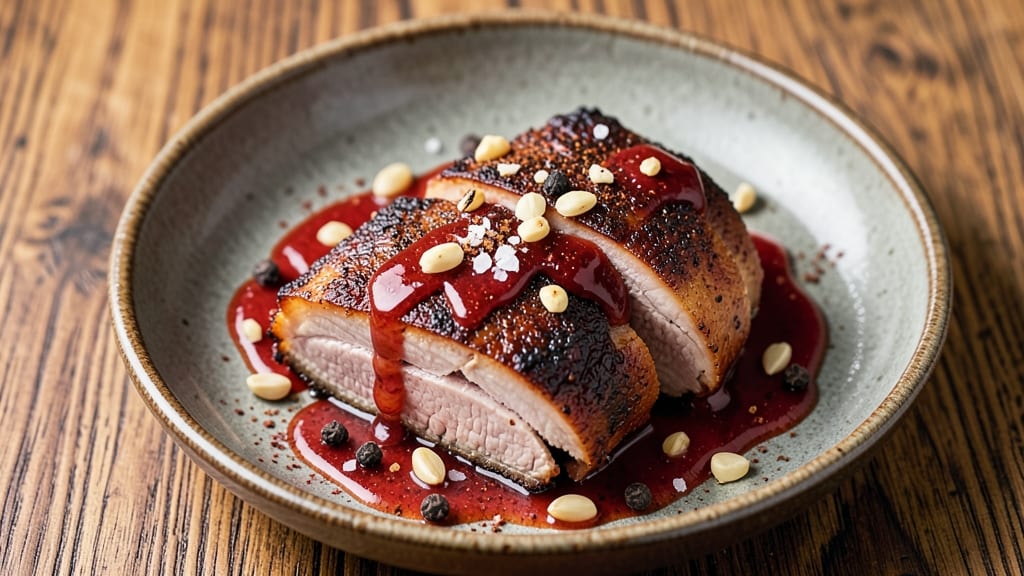
Mastering an injected pork shoulder recipe transforms tough cuts into melt-in-your-mouth perfection through precision and patience—techniques I perfected first under Master Chef Chen in Charleston. The key lies in the injection: a carefully balanced marinade that penetrates deep, while a dry brine outside creates that coveted bark.
Growing up in Georgia, I learned pork should be treated like a canvas—where every injection stroke and cooking hour builds layers of flavor.
This method delivers restaurant-quality tenderness without shortcuts. A 30-minute injection with apple cider vinegar, brown sugar, and smoked paprika tenderizes the meat from the inside out, while a 12-hour dry brine ensures a crisp exterior.
The result? Pork that falls apart at 145°F internal temperature, yielding juicy, pull-apart magic with every bite. My heritage Gloucestershire Old Spots pigs provide the ideal fat-to-lean ratio for this technique.
What sets this apart is the balance of tradition and efficiency. While some pitmasters rely on vacuum sealers, I’ve refined a foolproof needle injection method that works with basic tools.
The slow cook—whether in a smoker, oven, or Dutch oven—builds depth of flavor over 8-12 hours, turning a simple cut into a showstopper. The resting phase is critical: 1-2 hours at room temperature ensures even juiciness before slicing.
Serve with classic Southern sides like collard greens or cornbread to complete the meal. This recipe scales perfectly for gatherings, and leftovers reheat beautifully. Whether you’re competing on the BBQ circuit or feeding your family, this method delivers restaurant-quality tenderness every time. Let’s get cooking.
Ingredients for injected pork shoulder
Precision-crafted injection blend meets bold dry rub for pork shoulder perfection—no shortcuts, just restaurant-quality tenderness.
| Ingredient | Amount | Notes |
|---|---|---|
| Pork Shoulder (Boston Butt) 🍖 | 5 lb | Gloucestershire Old Spots preferred, bone-in |
| Apple Cider Vinegar 🍏 | ½ cup | Raw, unfiltered for depth |
| Light Brown Sugar 🍚 | ½ cup | Packed, no substitutions |
| Smoked Paprika 🌶️ | 2 tbsp | Spanish or Hungarian preferred |
| Kosher Salt 🧂 | 1 ½ cups | Diamond Crystal, coarse grain |
| Fresh Garlic Cloves 🧄 | 8 cloves | Peeled, minced for injection |
| Black Peppercorns 🌶️ | 1 tbsp | Freshly cracked, coarse grind |
| Ground Black Pepper 🌶️ | 1 tsp | For dry rub finish |
| Yellow Mustard 🍯 | 2 tbsp | Dijon-style, for injection |
| Worcestershire Sauce 🍶 | 2 tbsp | Lea & Perrins preferred |
| Onion Powder 🧅 | 1 tbsp | For dry rub complexity |
| Extra-Virgin Olive Oil 🫒 | 2 tbsp | For injection and finishing |
| Fresh Thyme Sprigs 🌿 | 4 sprigs | For dry rub aroma |
The pork shoulder is non-negotiable here. Gloucestershire Old Spots from a heritage farm delivers the ideal fat-to-lean ratio, but any bone-in Boston butt works—just trim excess fat to 1/4-inch thickness for even bark. For sourcing, local butchers or specialty meat counters at Whole Foods often carry heritage breeds. If you can't find Old Spots, Yorkshire or Duroc are solid backups. The key is marbling: look for meat with visible fat streaks throughout. Avoid pre-cut vacuum-sealed packages—they lose tenderness faster. For the injection, I use a 18-gauge needle (available at restaurant supply stores) to distribute the marinade evenly without tearing the meat.
Apple cider vinegar should be raw and unfiltered—Mott's or Woodstock Cider Mill brands have the best balance of tang. No brown sugar? Muscovado or turbinado work in a pinch, but they'll alter the caramelization slightly. The smoked paprika is where you can splurge: Pimentón de la Vera from Spain adds layers of complexity. For the dry rub, Diamond Crystal kosher salt1.5 tbsp. The Worcestershire sauce should be Lea & Perrins—no substitutes here. For the injection, mix all wet ingredients first, then add the dry rub components separately to maintain texture.
The injection marinade keeps for 1 week refrigerated in an airtight container, but the dry rub should be made fresh. Store the pork uncovered in the fridge for the 12-hour dry brine—this isn't a time to rush. Once cooked, rest the pork 2 hours at room temperature before slicing, tented with foil. Leftovers reheat beautifully in a 350°F oven for 20 minutes with a splash of apple cider vinegar. For large batches, freeze cooked pork in 1-lb portions wrapped tightly in butcher paper—thaws in 12 hours in the fridge. The secret to reheating? Low and slow: 275°F oven for 30 minutes with a cup of water in the pan to keep it moist.
Why You'll Love This Recipe
- No-Fuss Injection: I’ll admit—it’s not fancy, but that’s the magic. Just a few pokes with a needle and a mix of apple cider vinegar, brown sugar, and smoked paprika. No marinating overnight, no complicated rubs—just 10 minutes of work that transforms the meat.
- Sweet-Smoky Magic: Between us, that combo of vinegar and brown sugar? It’s like a flavor bomb. The pork ends up tender with a sticky, caramelized crust, and the smoked paprika gives it this deep, smoky warmth that lingers. (Yes, even on a Tuesday night.)
- Leftovers? More Like Leftovers Party: This recipe makes way more than you’ll eat in one sitting—and honestly, that’s the best part. Pull it apart for sandwiches, tacos, or even breakfast hash the next day. The flavor only gets better as it rests, so you’re basically getting free meals.
- Budget Hero: Pork shoulder is already affordable, but this method makes it feel like a restaurant dish without the price tag. A few dollars’ worth of pantry staples (vinegar, sugar, spices) turns a cheap cut into something that’ll have everyone asking for seconds. (My daughter picks out the best pieces, but still asks for seconds.)
Step-by-step instructions for injected pork shoulder
This method delivers melt-in-your-mouth tenderness through precision injection and smart seasoning.
Prepare the Injection Mixture
In a small bowl, combine the 0.5 cup apple cider vinegar, 0.5 cup light brown sugar, 2 tbsp yellow mustard, 2 tbsp Worcestershire sauce, and 2 tbsp extra-virgin olive oil. Whisk until the sugar fully dissolves and the mixture is smooth—this ensures even distribution when injected. The acidity from the vinegar tenderizes while the sugar adds depth.
Next, add the 8 cloves minced fresh garlic cloves and 1 tbsp onion powder, mixing until fully incorporated. This aromatic blend will infuse the meat deeply during the injection process. The mustard acts as an emulsifier, helping the liquid penetrate rather than pool on the surface. Transfer the mixture to a clean syringe or injection tool for precise application.
Inject the Pork Shoulder
Place the 5 lb pork shoulder (Boston Butt) on a clean cutting board, fat side up. Using the syringe, inject the mixture into the meat at multiple points—aim for the thickest parts first, then work toward the edges. Space injections about 1 inch apart to ensure even saturation without tearing the meat. The goal is to inject roughly 10-12 ounces of the mixture total, which should take about 15-20 minutes of careful work.
Here's the thing—don't rush this step. The injection process should feel methodical, like threading a needle. If you see liquid beading on the surface, you're injecting too quickly. Press the syringe gently against the meat and let the liquid flow in slowly. The meat should feel slightly firm but not rock-hard after injection. This ensures the flavors and tenderizers penetrate deeply rather than just sitting on the surface.
Create and Apply the Dry Rub
In a medium bowl, combine 1.5 cups kosher salt, 2 tbsp smoked paprika, 1 tbsp freshly cracked black peppercorns, 1 tsp ground black pepper, and the leaves from 4 sprigs fresh thyme sprigs. Crush the peppercorns lightly with the flat side of a knife to release their oils, then mix everything until the salt is evenly coated with the spices. This dry rub will form a flavorful crust while balancing the moisture from the injection.
Pat the injected pork shoulder dry with paper towels—this step is critical for developing a proper bark. The salt in the rub will draw out surface moisture, allowing the spices to adhere and crisp up during cooking. Apply the rub generously all over the meat, pressing it into the crevices and fat cap. Let the rubbed pork rest uncovered in the refrigerator for 12-24 hours. This resting period allows the salt to break down muscle fibers (osmosis) and the rub to form a cohesive crust.
Cook Low and Slow for Maximum Tenderness
Preheat your smoker or oven to 225°F. If using a smoker, maintain a consistent temperature with wood chips—oak or hickory work best for this recipe. Place the pork shoulder fat-side up on the grill grates or in a roasting pan. The fat should render slowly, basting the meat and creating that coveted bark. Cook undisturbed for 6-8 hours, or until the internal temperature reaches 165°F—this is when you'll hit the stall, a natural pause in temperature rise.
At this point, wrap the pork tightly in butcher paper (not foil) and return it to the heat source. The paper allows some moisture to escape while retaining enough to push through the stall. Continue cooking until the internal temperature hits 203°F and a probe slides in like butter. This entire process should take 8-10 hours total, depending on your heat source. The key is patience—rushing will result in tough meat, while slow cooking ensures that pull-apart tenderness you're after.
Rest and Serve with Confidence
Remove the pork from the heat and let it rest in its butcher paper wrapping for 1-2 hours before slicing. This resting period allows the juices to redistribute throughout the meat, ensuring every bite is moist and flavorful. The paper wrapping also helps maintain a slight bark while keeping the interior tender. During this time, the internal temperature will rise another 5-10°F, reaching the ideal 208-210°F range for serving.
Slice the pork against the grain into ¼-inch thick portions. Each slice should pull apart effortlessly, revealing a pink, juicy interior with a dark, flavorful bark. Serve immediately with pan juices spooned over the top—these are packed with rendered fat and concentrated flavor. The combination of the injection mixture and dry rub creates a harmonious balance of sweet, smoky, and tangy notes that elevate this classic cut to new heights.
Pro Tips For Making Injected Pork Shoulder
- Inject Slowly: Pork shoulder soaks up liquid like a sponge—don’t drown it. Use a meat injector to add the apple cider vinegar mix in 3-4 passes, letting it absorb between each. I learned this the hard way when my first batch turned out watery because I dumped it all at once.
- Trim the Fat Cap: That thick layer of fat on top? It’s not just for looks—it renders down into flavor, but too much can make your crust soggy. Trim it down to about ¼-inch thick before searing. (Yes, even if your butcher says it’s "fine as is.")
- Rest Before Searing: Take the pork out of the fridge 30 minutes before cooking—cold meat won’t sear properly. While it’s resting, pat it very dry with paper towels. This isn’t the prettiest method, but it’s the thing that actually gives you that crispy crust.
- Skip the Crowding: If you’re braising or roasting, resist the urge to stack or overlap pieces in the pan. Give them space to brown evenly—crowding steams instead of sears. I was skeptical until I tried it, and now I double-check my pan layout every time.
Perfect pairings for these flavors
Southern Sides
Nothing complements injected pork shoulder like classic Southern sides that soak up those rich pan juices.
I always serve vinegar-based collard greens—simmer 1 lb chopped collards with 1 cup apple cider vinegar, 2 tbsp brown sugar, and 1 smoked sausage for 2 hours—the acidity mirrors the pork’s tang.
For a heartier option, cornbread muffins baked in a cast-iron skillet with ¼ cup honey and 1 tsp smoked paprika add a sweet contrast. 🍗
Smoky Sauces
Skip the heavy BBQ sauce—it’ll overwhelm the pork’s delicate balance. Instead, drizzle with apple-cider glaze: reduce ½ cup apple cider vinegar and ¼ cup brown sugar until syrupy, then finish with 1 tsp smoked paprika.
For heat lovers, a spicy mustard sauce—mix 2 tbsp Dijon mustard, 1 tbsp hot honey, and 1 tbsp apple cider vinegar—cuts through the richness. Serve on the side for customization.
Crunchy Textures
Add contrast with pickled jalapeños—slice 3 jalapeños, pack into a jar with ½ cup apple cider vinegar, 1 tbsp sugar, and 1 tsp salt for 24 hours. Their bright acidity and heat balance the pork’s smokiness.
For a crunchier bite, toasted pecans tossed with 1 tsp cinnamon and 1 tbsp maple syrup add Southern flair. Sprinkle over slices before serving.
Beverage Pairings
A dry Riesling from the Rhine Valley—like Dr. Loosen Blue Slate—matches the pork’s acidity and sweetness without overpowering. For beer lovers, a hazy IPA (try Allagash White) complements the smoky, spicy notes.
Avoid heavy stouts or oaky Chardonnays—they’ll clash with the pork’s delicate balance. Serve both chilled for the best experience. 🍷
Leftovers Reinvented
Transform leftover pork into pork shoulder tacos: shred the meat and pile onto corn tortillas with pickled red onions, avocado crema (blend 1 avocado, ½ cup sour cream, 1 tbsp lime juice), and crumbled cotija cheese.
For a hearty sandwich, layer on sourdough with caramelized onions and sharp cheddar, then broil until crispy. Both ideas stretch your pork into new meals. 🌯
Nutrition facts
Frequently asked questions
What’s the best needle gauge for injecting pork shoulder?
Use an 18-gauge needle for pork shoulder—it’s the perfect balance between precision and ease. A smaller gauge (like 20) can clog with the brown sugar mixture, while a larger one (16) risks tearing the meat. For a 5 lb shoulder, you’ll inject about 10-12 ounces of marinade, spaced 1 inch apart in the thickest areas first.
Can I use a vacuum sealer instead of needle injection?
Yes, but with adjustments! If you vacuum-seal, reduce the injection marinade by 25% (about 8 ounces) and add 1 extra tbsp of apple cider vinegar to the bag for deeper penetration. Seal for 12 hours before cooking—this mimics the injection’s effect but requires more precise timing. The key difference? Vacuum sealing works best for even saturation, while needle injection lets you target specific areas.
Why does my injected pork shoulder turn out tough?
Three likely culprits: overcooking (past 203°F), rushing the rest (less than 1 hour), or skipping the stall wrap. Always cook to 203°F, then wrap in butcher paper to push through the stall. For extra insurance, add 1 tbsp baking soda to the injection mix—it tenderizes collagen.
How do I adjust this for a smaller cut (like 3 lbs)?
Scale the injection marinade down to 6-8 ounces and halve the dry rub (0.75 cups salt, 1 tbsp smoked paprika). Cook at 225°F for 4-5 hours until 195°F internal, then rest 45 minutes. The smaller surface area cooks faster—monitor closely! For a 3 lb cut, reduce cooking time by 20-25% compared to a 5 lb shoulder.
What’s the secret to crispy bark without burning?
Start with a dry meat surface (pat thoroughly!) and use Diamond Crystal kosher salt—it dissolves slower, creating a thicker crust. Cook fat-side up at 225°F and avoid opening the smoker/oven for 6 hours. The fat renders slowly, basting the meat naturally. For extra crisp, broil for 2 minutes at the end—but watch like a hawk!