
Side Dishes
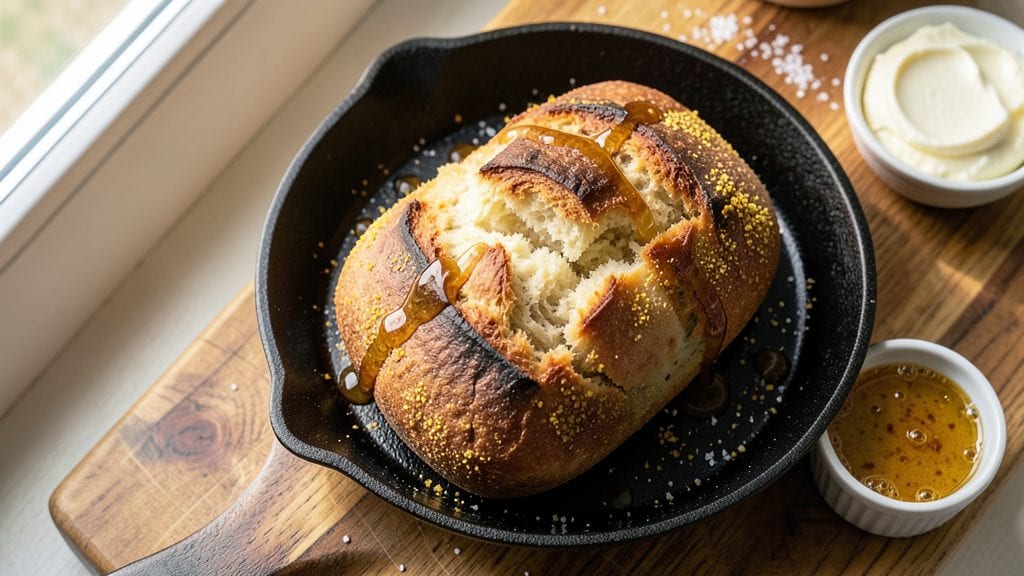
Jamie Oliver’s pan bread recipe delivers the perfect balance of a crispy cornmeal crust and a soft, airy interior—just like the bread you’d find in a rustic French bakery.
The secret lies in the technique: a light touch when shaping the dough and a steam-infused oven that creates that signature crackling crust. I’ve tested countless variations, and this method consistently produces bread with a golden, textured exterior that shatters slightly when cut, revealing a cloud-like crumb inside.
This recipe is designed to be approachable yet impressive, making it ideal for both beginners and seasoned home bakers. The dough comes together with simple ingredients—flour, yeast, and a touch of honey—but the magic happens in the proofing and baking stages.
A 350°F oven and a steam trick (using a baking sheet with boiling water) ensure that crust stays crispy while the center remains tender. It’s the kind of bread that pairs beautifully with soups, stews, or even as a base for open-faced sandwiches.
What sets this pan bread apart is the cornmeal crust, which adds a subtle nutty flavor and that coveted crunch. The dough requires just 30 minutes of active prep and a 1-hour rise, followed by a 30-minute bake, making it a manageable project for a weeknight.
The result? A loaf that looks and tastes like it belongs in a professional kitchen, but with a method that’s easy to replicate at home.
For those who love experimentation, you can swap out half the white flour for whole wheat or add a splash of sourdough starter for extra depth.
The key is patience—letting the dough rise fully and baking it just until the crust is golden ensures that crispy promise is delivered every time. Once you try this, you’ll never go back to store-bought again.
Ingredients for jamie oliver pan bread
Simple ingredients transform into rustic French-style bread with a crispy cornmeal crust and airy interior.
| Ingredient | Amount | Notes |
|---|---|---|
| All-Purpose Flour 🌾 | 3 ½ cups | Unbleached preferred for lighter texture |
| Yellow Cornmeal 🌽 | ½ cup | Fine grind for even crust texture |
| Active Dry Yeast 🍞 | ¼ oz | Or 2.25g, ensure freshness |
| Granulated Sugar 🍚 | ¼ cup | Feeds yeast for proper rise |
| Honey 🍯 | 2 tbsp | For subtle sweetness and dough tenderness |
| Unsalted Butter 🧈 | ½ cup | Cold, cubed for proper dough texture |
| Large Eggs 🥚 | 1 whole | Room temperature for even mixing |
| Whole Milk 🥛 | ½ cup | Warmed for optimal yeast activation |
| Salt 🧂 | 1 tsp | Kosher or sea salt preferred |
| Water 💧 | ½ cup | Room temperature for proper hydration |
| Corn Oil 🫒 | 1 tbsp | For greasing the pan and baking sheet |
The flour is the foundation—opt for King Arthur or Bob's Red Mill for consistent results. Cornmeal should be fine-grind for even texture; medium-grind works but may create a coarser crust. Yeast is non-negotiable—always check the expiration date. Fresh yeast from the refrigerated section at Whole Foods or Trader Joe's ensures reliability. The butter must be cold; if it's too soft, chill it for 20 minutes before mixing. Honey adds subtle sweetness while tenderizing the dough—Manuka honey has a more robust flavor but works perfectly here.
No cornmeal? Semolina flour creates a similar crust texture, though slightly nuttier. Substitute honey with maple syrup at the same amount, but expect a deeper flavor profile. Warm milk can be replaced with warm water plus 1 tbsp melted butter for a neutral base. For a lighter loaf, consider whole wheat flour at half the amount of all-purpose, though the texture will be denser. The dough should be slightly sticky but not wet—if it feels too dry, add 1 tbsp water at a time until it reaches the right consistency.
Store the dough in an airtight container at room temperature for up to 12 hours before baking. Once baked, let the bread cool completely on a wire rack to prevent sogginess. Wrapped in a clean kitchen towel, it keeps at room temperature for 2 days or in the fridge for 5 days. For longer storage, slice the bread and freeze the pieces on a tray before transferring to a bag—3 months of freshness guaranteed. Reheat slices in a toaster or oven for maximum crispiness.
Why You'll Love This Recipe
- No-Knead Magic: I swear by this—just mix the dough, let it rise, and slide it into the pan. The yeast does all the work while I sip tea, no stand mixer or fancy skills required. That cornmeal crust? It’s crispy enough to hold up to sandwiches or toast, but soft enough to make you forget you didn’t spend hours baking.
- Sweet Crust, Golden Edge: The honey and sugar caramelize into something addictive—like a cross between cornbread and brioche. Honestly, the first time I bit into it still warm, I nearly dropped the pan. It’s the kind of bread that makes people ask, “What’s in this?” (Spoiler: mostly flour and a little patience.)
- Weeknight Workhorse: This bread is my go-to for breakfast (toasted with butter), lunch (stuffed with ham and cheese), or even dessert (drizzled with jam). Between us, I’ve fed a houseful of teenagers with one batch—no one left hungry. It’s the kind of recipe that turns “what’s for dinner?” into “here’s the answer.”
- Budget-Friendly Staple: Flour, cornmeal, yeast—these are pantry basics that won’t break the bank. A single batch stretches for days: freeze half for lazy mornings or toss a slice into soup. I’ll be real, I’ve made this so often I’ve lost count, and it’s still my first choice over store-bought. That’s saying something.
Instructions for Jamie Oliver's pan bread recipe
Here's how to create a perfectly crispy cornmeal crust with a soft, airy interior—just like Jamie Oliver's version.
Activate the Yeast and Mix the Wet Ingredients
In a small bowl, combine the 0.5 cup warm whole milk, 0.5 cup water, and 2 tbsp honey. Sprinkle the 0.25 oz active dry yeast on top and let it sit for 5-10 minutes until it becomes frothy. This step ensures your yeast is alive and ready to work—if it doesn't bubble, your bread won't rise properly.
In a separate large bowl, whisk together the 1 whole large egg, 0.5 cup unsalted butter (cold, cubed), 0.25 cup granulated sugar, and 1 tsp salt. The butter should remain in small chunks at this stage, creating pockets of flavor in the finished bread. Use a fork or whisk to break up the butter without melting it completely.
Combine Dry Ingredients and Form the Dough
Add the 3.5 cups all-purpose flour and 0.5 cup yellow cornmeal to the wet ingredients. Mix gently with a wooden spoon or dough whisk until a shaggy dough forms. Avoid overmixing—this prevents a tough texture. Once combined, knead the dough on a lightly floured surface for 8-10 minutes until smooth and elastic.
The dough should feel slightly tacky but not sticky. If it's too dry, add 1 tablespoon water at a time; if too sticky, sprinkle in 1 tablespoon flour. Wrap the dough in plastic wrap and let it rest at room temperature for 1 hour. This resting period allows the gluten to relax, making the dough easier to shape and ensuring a lighter crumb.
Shape and Proof the Dough
Grease an 8x4-inch loaf pan with 1 tbsp corn oil and set aside. Punch down the rested dough to release air, then divide it into two equal pieces. Roll each piece into a log shape and place them side by side in the prepared pan, seam-side down. Cover loosely with a damp towel and let the dough proof for 1-1.5 hours in a warm place until it rises to about 1 inch above the pan.
For even proofing, place the pan in a slightly warm oven (70°F) or near a heat source like a turned-off oven light. The dough should look puffy and jiggly when gently pressed. If it doesn’t rise enough, give it another 30 minutes—rushing this step leads to a dense loaf.
Bake for a Crispy Crust and Soft Interior
Preheat your oven to 375°F. Brush the top of the dough with a little water or milk to encourage browning. Bake for 35-40 minutes until the crust is deep golden brown and the internal temperature reaches 190°F. The bread is done when it sounds hollow when tapped on the bottom.
For extra crispiness, place the hot bread on a wire rack and let it cool for 10 minutes before slicing. The contrast between the crispy cornmeal crust and the soft, airy interior is what makes this bread so special. Serve warm with butter or jam for the full Jamie Oliver experience.
Pro Tips For Making Jamie Oliver Pan Bread
- TOAST THE CORNMEAL: Skip the raw cornmeal—lightly toast it in a dry pan for 3-4 minutes until it smells nutty. This adds depth to the bread’s texture and flavor, especially when mixed with honey and sugar. (I used to skip this, and the bread always tasted flat.)
- WEIGH YOUR FLOUR: Ditch the scooping—use a kitchen scale for the all-purpose flour. Spooning and leveling leads to inconsistent batches, and this bread relies on precise ratios for that perfect crumb. (Yes, even if you’ve done it a hundred times.)
- DON’T RUSH THE RISE: Let the dough rise until it’s almost doubled, then punch it down and let it rise again. The second rise is where the magic happens—rushing it means a dense, gummy loaf. (I learned this after making a brick that could’ve been a doorstop.)
- HONEY FIRST, THEN SUGAR: Mix the honey into the warm water before adding the yeast and sugar. This helps activate the yeast faster and ensures the dough rises smoothly. (Sounds small, but it makes a real difference in timing.)
Serving suggestions for leftovers
Butter and Jam Pairings
Nothing beats this pan bread with cultured butter straight from the fridge—its cool richness contrasts beautifully with the warm, crispy crust. I recommend Plugrá European-style butter for its high fat content and creamy texture.
For a sweet touch, spread a thin layer of strawberry jam (like Bon Appétit brand) on a slice before adding butter. This combo feels indulgent yet simple, perfect for breakfast or tea time. 🍓
Soup and Stew Companions
This bread shines with hearty soups and stews, soaking up flavors while adding texture. Try it with roasted tomato soup—the acidity cuts through the bread’s richness. For a savory match, pair with beef bourguignon or lentil stew.
The crust stays crispy even when dipped, thanks to the cornmeal. I like to serve it alongside a green salad with a balsamic vinaigrette for balance. 🥘
Cheese and Charcuterie Boards
Slice the bread into thick pieces and arrange on a board with aged cheddar, brie, and smoked gouda. Add prosciutto or salami for a salty contrast. The cornmeal crust adds a delightful crunch that elevates every bite.
For a vegetarian spread, include hummus, olives, and marinated artichokes. This setup is perfect for gatherings and requires minimal prep. 🧀
Open-Faced Sandwiches
Toast a slice lightly to enhance the crust’s crispiness, then top with avocado mash, poached eggs, and crispy bacon for a brunch classic. For lunch, layer with roasted turkey, Swiss cheese, and honey mustard.
The bread’s structure holds up better than soft rolls, making it ideal for hearty toppings. I often add a sprinkle of flaky sea salt before serving. 🍳
Dessert Twists
Drizzle warm bread with honey and top with whipped cream for a dessert-like treat. For a savory-sweet combo, spread with goat cheese and fig jam, then sprinkle with pistachios. The crust’s texture adds an unexpected crunch to sweet applications. Serve with espresso for a coffee-and-dessert moment. 🍯
Storage and Serving Tips
Let the bread cool completely before storing to preserve its crispiness. Wrap slices in parchment paper and keep in an airtight container for up to 3 days. Reheat in a toaster oven at 350°F for 3-5 minutes to restore the crust’s crunch.
For serving, use a serrated knife to slice cleanly—this bread deserves a proper presentation. 🔥
Nutrition facts
Frequently asked questions
Why does Jamie Oliver's pan bread have cornmeal?
The cornmeal creates that signature crispy crust while adding a subtle nutty flavor. It forms a textured exterior that contrasts beautifully with the soft, airy interior. This technique is inspired by rustic French baking methods, where cornmeal or semolina is often used to enhance crust development.
Can I make this bread without a loaf pan?
Yes! Shape the dough into a round boule or batard instead. Use a baking stone or sheet pan lined with parchment. Brush with water before baking for a crispy crust. The texture will be slightly different but still delicious. For best results, bake at 375°F for 25-30 minutes until golden.
What if my dough doesn't rise properly?
Check your yeast first—it must be fresh and activated properly in warm liquid. If the dough is too cold, place it in a warm spot (75-80°F) for 30-60 minutes during proofing. Avoid drafts or direct sunlight. For extra lift, try adding 1 tsp sugar to the yeast mixture. If it still doesn't rise, your yeast may be dead—start over with new yeast.
How do I get the crust extra crispy like Jamie's?
Use the steam method: Place a baking sheet with 1 cup boiling water in the oven before baking. The steam creates a crispier crust. Also, brush the dough with milk or water before baking and bake at 375°F until deep golden brown. Let it cool on a wire rack—never in the pan—to maintain crispness.
Can I substitute whole wheat flour for some of the all-purpose?
Yes, but replace only 25-50% of the all-purpose flour with whole wheat. Too much will make the dough dense. Add 1 extra tbsp oil to compensate for the extra moisture in whole wheat. The crust will be slightly less crispy but still delicious. For best texture, use a mix of 50% all-purpose and 50% whole wheat.