
Main Courses
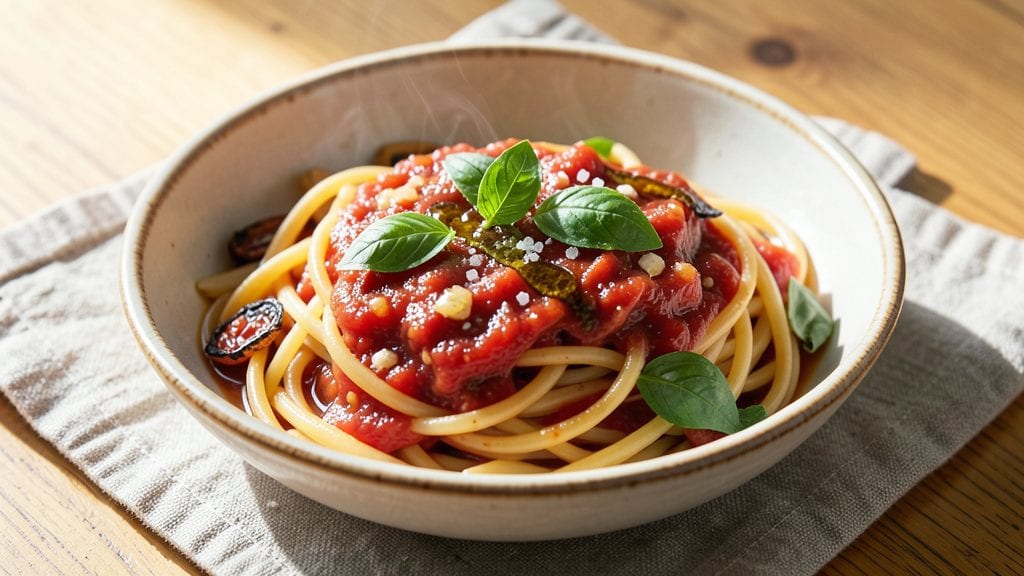
Jamie Oliver’s one-pot tomato basil pasta recipe transforms a simple weeknight meal into something that tastes like a fresh Italian trattoria. The magic lies in combining everything—pasta, sauce, and herbs—into a single pot, where the flavors meld together effortlessly.
I’ve perfected this method over years of cooking, and it never fails to deliver restaurant-quality results with minimal cleanup.
This recipe is all about simplicity and bold flavors. You’ll start with fresh tomatoes, garlic, and basil, creating a vibrant sauce that’s bright and aromatic.
The key is letting the pasta cook directly in the sauce, allowing it to absorb those rich, herby notes until every bite is packed with flavor. It’s a foolproof technique that works every time, even for beginners.
By the end, you’ll have perfectly al dente pasta coated in a velvety tomato-basil sauce, with just the right balance of acidity and sweetness.
The aroma alone will have everyone gathering around the table, and the ease of the one-pot method means less time spent scrubbing pots and more time enjoying the meal. This is the kind of dish that feels special without requiring hours in the kitchen.
Pair it with a simple green salad or crusty bread to soak up every last drop of that delicious sauce. Let’s get cooking—your taste buds will thank you.
Ingredients for jamie oliver pasta
Fresh tomatoes, aromatic basil, and al dente pasta come together in one pot for Jamie Oliver’s signature trattoria-style magic.
| Ingredient | Amount | Notes |
|---|---|---|
| Pasta (Spaghetti or Penne) 🍝 | 12 oz | Medium or short shapes preferred |
| Fresh Tomatoes 🍅 | 2 lbs | Ripe, vine-ripened preferred |
| Garlic Cloves 🧄 | 6 cloves | Freshly minced for best flavor |
| Fresh Basil Leaves 🌿 | 1 cup | Packed, stems removed |
| Extra-Virgin Olive Oil 🫒 | ½ cup | High quality, fruity |
| Chicken or Vegetable Broth 💧 | 2 cups | Low-sodium preferred |
| Red Wine Vinegar 🍷 | 2 tbsp | For brightness |
| Salt 🧂 | 1 ½ tsp | Kosher or sea salt |
| Black Pepper 🌶️ | ½ tsp | Freshly ground preferred |
| Dried Oregano 🍃 | 1 tsp | Italian or Mediterranean blend |
| Sugar 🍬 | 1 tsp | Balances acidity |
| Parmesan Cheese 🧀 | ½ cup | Freshly grated from block |
| Butter 🧈 | 2 tbsp | Unsalted for flavor control |
The tomatoes are everything here—Heirloom or Roma from the farmers market make all the difference. If you can’t find fresh, San Marzano canned tomatoes are the next best thing (no sugar added). The basil? Fresh is non-negotiable—dried just won’t cut it. For the pasta, penne or rigatoni hold up better in the sauce than spaghetti, but any shape works. I grab mine at Whole Foods when I’m feeling fancy, but the regular supermarket stuff is fine for weeknights. Just make sure it’s 100% durum wheat—no ‘enriched’ nonsense.
No fresh basil? Dried works at one-third the amount, but honestly, it’s not the same. Short on tomatoes? Canned crushed tomatoes plus an extra splash of vinegar gets you close. The broth can be veggie if you’re vegetarian—just add a pinch of miso for depth. Want more richness? Swap half the broth for heavy cream (trust me, it’s amazing). The garlic gets toasted in the oil first—don’t skip this step—it builds so much more flavor. And if you’re out of red wine vinegar, lemon juice works in a pinch.
This sauce gets better the next day—make extra and save half for lunch. Store in a jar with a thin layer of olive oil on top to keep it vibrant. Keeps for 3-4 days in the fridge, or 3 months frozen. I always double the recipe because crusty bread and this sauce are a match made in heaven. The pasta reheats beautifully—just add a splash of water and stir. Leftovers? Toss with a fried egg for a quick breakfast the next morning.
Why You'll Love This Recipe
- Five-Ingredient Magic: This dish proves you don’t need a crowded pantry—just tomatoes, garlic, basil, olive oil, and pasta. I’ve made it with store-bought tomatoes in a pinch, and it still tastes like summer.
- Garlic-Basil Bomb: That first bite when the fresh basil hits the warm garlic oil? It’s the kind of flavor that makes you pause mid-chew. Honestly, the basil alone turns this from "dinner" to "restaurant-quality."
- Weeknight to Party Table: Same recipe, different vibes—throw it together for a lazy Tuesday or dress it up with grilled chicken for a dinner guest. The sauce actually improves the next day, so it’s my meal prep secret.
- Budget-Friendly Luxury: Fresh tomatoes and basil might sound fancy, but they stretch further than you’d think. I’ve fed four people for under $10 with this, and no one ever guesses how cheap it was.
Step-by-step instructions for Jamie Oliver's one-pot tomato basil pasta
Here's how to pull off this vibrant, flavor-packed dish in a single pot.
Sauté Garlic and Tomatoes Until Soft
Heat the 0.5 cup extra-virgin olive oil in a large, deep pot over medium heat. Add the 6 cloves minced garlic and cook for 30 seconds until fragrant—you'll smell that sweet garlic aroma immediately. Add the 2 lbs fresh tomatoes, crushing them lightly with your hands as you go. This releases their juices and helps build the sauce.
Season with 1.5 teaspoons salt, 0.5 teaspoon black pepper, and 1 teaspoon dried oregano. Stir everything together and let it cook for 10-12 minutes until the tomatoes break down and the mixture thickens slightly. You want the tomatoes to lose their raw taste and develop a rich, jammy texture. If the mixture looks too dry, add ¼ cup of the chicken or vegetable broth to keep it moving.
Build the Flavor Base with Vinegar and Butter
Once the tomatoes are softened, stir in the 2 tablespoons red wine vinegar and 1 teaspoon sugar. The vinegar brightens the dish, while the sugar balances the acidity. Let this simmer for 2 minutes—you'll notice the mixture bubble gently and the colors deepen to a rich, ruby red.
Reduce the heat to medium-low and add the 2 tablespoons butter. Stir for 1 minute until the butter melts completely. This step adds a luxurious richness that rounds out the bright tomato flavors. Here's the thing—don't rush this. The butter needs time to fully incorporate and create that velvety texture in the sauce.
Add Pasta and Broth for Perfect Cooking
Bring the mixture to a gentle boil, then add the 12 oz pasta (spaghetti or penne) and the 2 cups chicken or vegetable broth. Stir immediately to prevent sticking. The pasta should be fully submerged in the liquid. If it's not, add a splash of water to cover it completely.
Bring the pot back to a boil, then reduce the heat to medium-low and let it simmer uncovered for 12-15 minutes. You'll know it's ready when the pasta is al dente—when you bite into it, it should have a slight resistance in the center. Stir occasionally to prevent the pasta from sticking to the bottom. The one-pot method works beautifully here because the pasta cooks in its own flavorful broth, absorbing all those rich tomato and garlic notes.
Finish with Fresh Basil and Parmesan
Once the pasta is al dente, remove the pot from heat and stir in the 1 cup fresh basil leaves. Let the basil steep in the hot pasta for 2 minutes—this releases its aromatic oils and infuses the dish with that fresh, bright basil flavor. Then, add the 0.5 cup freshly grated Parmesan cheese and stir until fully melted and creamy.
Taste and adjust the seasoning if needed. You might need a pinch more salt or a crack of black pepper to balance all the flavors. The dish should be vibrant, slightly tangy from the vinegar, and rich from the butter and cheese. Serve immediately while the pasta is hot and the basil is still fragrant. This one-pot wonder delivers restaurant-quality pasta with minimal cleanup—just what you want on a busy weeknight.
Pro Tips For Making Jamie Oliver Pasta
- CRUSH THE TOMATOES: Skip the blender—Jamie’s recipe thrives on chunky texture. Smash tomatoes by hand with a fork or your palm (yes, it’s messy) until you’ve got a mix of pulp and seeds. This keeps the sauce bright and avoids that sad, watery consistency that happens when you over-puree.
- SALT THE PASTA WATER LIKE THE SEA: Taste that pasta water—it should sting your lips. Use about 1.5 tablespoons of salt per 4 quarts of water. I learned this the hard way: bland water means bland pasta, no matter how fancy the sauce. Trust me, you’ll notice the difference immediately.
- LOW AND SLOW FOR GARLIC: Add garlic to the olive oil when it’s shimmering, not screaming. Cook it on the lowest heat setting you can tolerate—just enough to perfume the oil without burning. Burnt garlic turns bitter fast, and that ruins the whole dish. Patience here saves the recipe.
- RESERVE THAT PASTA WATER: Don’t drain the pasta completely—leave a cup of starchy water in the pot. Stir it into the sauce at the end for silkiness and to help the oil cling to the noodles. I used to ignore this, and the sauce always felt thin and clingy. Now? It’s the glue that holds everything together.
Make-ahead tips for this recipe
Prep Ahead Sauce
Make the tomato-basil sauce 24 hours ahead—it tastes even better after flavors meld overnight. Store in an airtight container with a thin layer of extra-virgin olive oil on top to preserve freshness.
I like to double the sauce recipe so I can freeze half for future meals. Just reheat gently on the stovetop with a splash of water or broth. 💡
Pasta Pre-Cooking
For extra efficiency, pre-cook the pasta separately until al dente (about 1 minute less than package instructions), then drain and rinse briefly with cold water. Store in an airtight container with a drizzle of olive oil to prevent sticking.
When ready to serve, simply toss the pre-cooked pasta into the reheated sauce and warm through for 2-3 minutes.
One-Pot Assembly
Assemble the entire dish 30 minutes before serving—this is where Jamie Oliver’s magic happens. Combine all ingredients (except fresh basil and Parmesan) in the pot and simmer on low heat while you finish other meal components.
The pasta will cook perfectly in the sauce, and the flavors will deepen during the final resting time. Stir in the fresh basil and cheese right before serving. ✨
Freezer-Friendly
Freeze the fully assembled dish (before adding fresh basil) in a single layer on a tray, then transfer to ziplock freezer bags for up to 3 months. To serve, thaw overnight in the fridge, then reheat on the stovetop with a splash of water or broth.
Stir in fresh basil and Parmesan just before eating to keep those flavors vibrant. 🧊
Meal Prep Hack
Divide the cooked pasta into individual portions and store in small airtight containers. Keep the sauce separate in a jar. When ready to eat, combine a portion of pasta with sauce, add fresh basil and Parmesan, and microwave for 1-2 minutes (covered).
This keeps your pasta from turning mushy and ensures every serving is fresh-tasting. 💪
Leftovers Revival
Reheat leftovers by adding 2 tablespoons water or broth per serving and warming on the stovetop over medium-low heat for 5-7 minutes. Stir in a handful of fresh basil and a sprinkle of Parmesan to revive the flavors.
For extra richness, add a pat of butter at the end. This method works like a charm for lunch the next day! 🍴
Nutrition facts
Frequently asked questions
Can I use canned tomatoes instead of fresh for this recipe?
For the best results, use San Marzano canned tomatoes (no added sugar) and add an extra 1 tablespoon of red wine vinegar to brighten the flavor. Crush them by hand with a fork before adding to mimic fresh tomatoes. The texture will be slightly different but still delicious.
What's the secret to getting the perfect al dente pasta in one pot?
Start with pasta that's 1 minute less than package instructions, then cook in the sauce for 12-15 minutes on medium-low heat. Stir occasionally and taste-test with a fork—it should have a slight bite in the center. The one-pot method works because the sauce's liquid cooks the pasta gently while infusing flavor.
How do I prevent the pasta from sticking in the pot?
Stir the pasta immediately after adding it to the pot, and keep the heat at medium-low to prevent sticking. If needed, add a splash of broth or water to create more liquid. Always use a pot large enough to hold the pasta comfortably—crowding causes sticking. A quick stir every 3-4 minutes keeps everything moving.
Can I make this vegetarian?
Yes! Simply swap the chicken broth for vegetable broth and add a pinch of miso paste (½ teaspoon) for depth. For extra richness, stir in 2 tablespoons of nutritional yeast when adding the Parmesan. The dish will still be packed with flavor—just check for umami boosts.
Why does my sauce look too thin after cooking?
If the sauce is too thin, let it simmer uncovered for 5-7 extra minutes to reduce. For a quicker fix, mash some of the cooked pasta against the pot sides to thicken the sauce naturally. Avoid adding too much broth initially—stick to the 2 cups called for in the recipe.