
Desserts
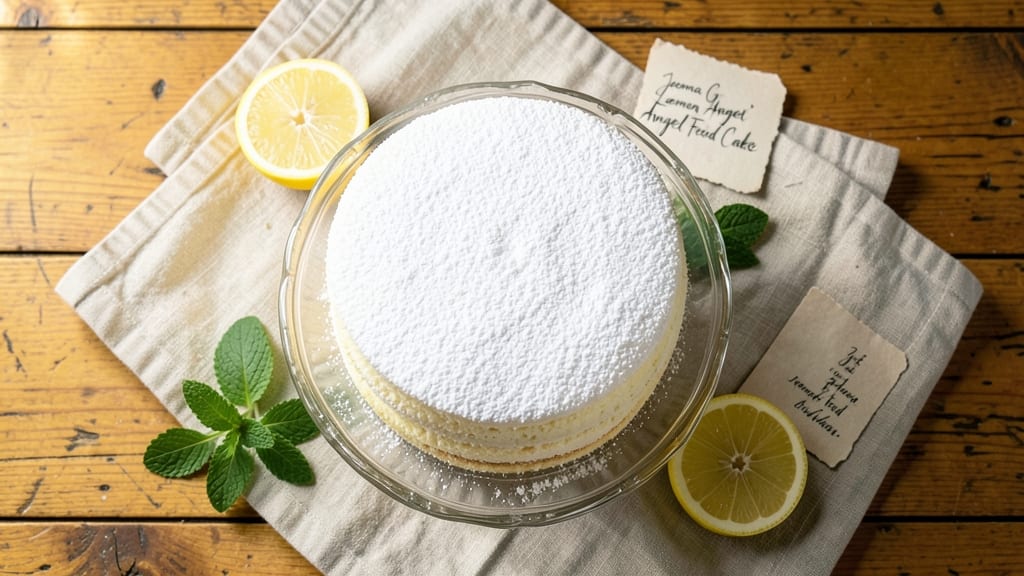
Joanna Gaines' lemon angel food cake recipe delivers that signature light-as-air texture with a bright, zesty citrus kick that feels like sunshine in cake form.
The secret lies in whipping egg whites to stiff peaks and folding in just enough lemon zest and juice to keep the flavor vibrant without overpowering the delicate crumb.
I've baked this version dozens of times, and it never fails to impress—whether you're serving it at a brunch spread or enjoying a slice on your own.
What makes this recipe special is its foolproof method for achieving that signature fluffy, airy texture that angel food cakes are known for. The cake rises dramatically in the oven, creating a tender, melt-in-your-mouth crumb that's impossible to resist.
The lemon flavor comes through in every bite—bright, refreshing, and just sweet enough to balance the tang. With just a few simple ingredients and precise techniques, you'll achieve professional-quality results in your own kitchen.
By the time you pull this cake from the oven, you'll have a golden, domed masterpiece that's light enough to feel almost effortless. The lemon zest adds beautiful flecks of color throughout, while the lemon juice keeps the flavor fresh and vibrant.
This cake is perfect for special occasions or as a delightful treat to brighten up any day. Let's get started on creating your own slice of Joanna Gaines' signature dessert.
Once baked, this cake is best served immediately while it's still warm and fluffy. You can top it with fresh berries, whipped cream, or a dusting of powdered sugar for extra elegance.
The recipe makes enough to share with friends or freeze individual slices for later—though I can't guarantee they'll last that long in your house. Here's everything you need to make this lemon angel food cake a success.
Ingredients for joanna gaines lemon angel food cake
Twelve ingredients, one perfect cake. The secret's in the egg whites and lemon zest.
| Ingredient | Amount | Notes |
|---|---|---|
| Large Egg Whites 🥚 | 12 whole | Room temperature, no yolks |
| Granulated Sugar 🍚 | 1 ½ cups | Superfine preferred for smoothness |
| Fresh Lemon Zest 🍋 | 2 tbsp | From organic lemons, finely grated |
| Fresh Lemon Juice 🍋 | ½ cup | From 2-3 lemons, no pulp |
| All-Purpose Flour 🌾 | 1 ½ cups | Sifted, light flour preferred |
| Cream of Tartar 🧂 | ½ tsp | Stabilizes egg whites |
| Salt 🧂 | ½ tsp | Fine sea salt preferred |
| Unsalted Butter 🧈 | ½ cup | Melted, for greasing pan |
| Vanilla Extract 🍯 | 1 tsp | Pure vanilla, not imitation |
| Powdered Sugar 🍚 | ¼ cup | For dusting, optional |
The egg whites are non-negotiable here—room temperature is key for maximum volume. I always buy large eggs from Trader Joe's for this recipe, as they're consistent and fresh. For the lemon zest, grab organic lemons from the grocery store produce section—the thicker the peel, the more zest you'll get. Skip the pre-zested bottles; they're often bitter and lack freshness. The cream of tartar is what stabilizes those egg whites, so don't skip it—it's the difference between a fluffy cake and a dense one. If you can't find it, white vinegar at half the amount works in a pinch.
No vanilla extract? Vanilla bean paste is a great swap—just use half the amount. Running short on powdered sugar? Superfine sugar works in a bind, though it won't dissolve as nicely. The flour matters too—King Arthur or Bob's Red Mill brands are my go-to for light, fluffy results. For the butter, Land O'Lakes or Plugrá are reliable choices, but any unsalted butter will do. The lemon juice should be freshly squeezed—bottled juice lacks brightness and won't give you that signature zing. If you're feeling fancy, add a pinch of cardamom to the batter for a subtle depth, but it's not required.
This cake is best served the day it's made, but it keeps well for 2-3 days in an airtight container at room temperature. For longer storage, wrap slices in plastic and freeze for up to 3 months. I always bake this in a tube pan for easy slicing—just run a knife around the edges first to loosen it. The cake reheats beautifully in the microwave for 10-15 seconds if you want it warm. Trust me, the first slice is always the best—save a piece for yourself before sharing!
Why You'll Love This Recipe
- No-Fuss Baking: I swear by this recipe when I forget to pull out the mixer—just whip those egg whites by hand until stiff peaks form. The flour gets folded in like butter, and honestly? No one will guess it’s not from a bakery.
- Zesty Magic: That lemon zest and juice aren’t just garnish—they’re the stars. The cake has this bright, citrusy punch that cuts through any sweetness, and the crumb? Light as a summer breeze. (Yes, even if I use store-bought lemons.)
- Party Ready: Slice it for brunch, layer it for a dessert buffet, or serve it plain with tea—this cake handles any occasion. Between us, I’ve even used it to impress my in-laws when they dropped by unannounced. (They’re still talking about it.)
- Budget Bright Spot: A box of cake mix costs more, but this recipe feeds six for under $5. The egg whites and sugar stretch further than you’d think, and leftovers? They disappear faster than my willpower on a sugar crash.
Step-by-step instructions for Joanna Gaines' lemon angel food cake
Here's how to create a cloud-like cake with perfect citrus brightness and tender crumb.
Prepare the Egg Whites and Sugar Mixture
In a large, grease-free mixing bowl, combine the 12 whole large egg whites and 0.5 teaspoon cream of tartar. I like to use a stand mixer fitted with the whisk attachment for this step—it incorporates air more efficiently. Beat on medium speed until soft peaks form, about 2-3 minutes. This stabilizes the egg whites before adding sugar.
Gradually add the 1.5 cups granulated sugar while continuing to beat on high speed. Increase to high speed and beat for 5-7 minutes until the meringue is glossy, thick, and holds stiff peaks. The bowl should feel cool to the touch—this indicates proper aeration. If the meringue looks grainy, sift the sugar first next time for smoother results.
Fold in Lemon Flavors and Flour
In a separate bowl, whisk together the 1.5 cups all-purpose flour, 0.5 teaspoon salt, 2 tablespoons fresh lemon zest, and 1 teaspoon vanilla extract. I always sift the flour first to prevent lumps in the final batter. Gently fold one-third of the flour mixture into the meringue using a spatula, being careful not to deflate it.
Add the remaining flour mixture in two more additions, alternating with the 0.5 cup fresh lemon juice. Fold just until combined—overmixing develops gluten and makes the cake dense. The batter should be thick but pourable. Here's the thing—don't worry if it looks slightly under-mixed. We want to preserve as much air as possible for that signature light texture.
Bake in a Preheated Angel Food Pan
Preheat your oven to 350°F. Generously grease the inside of a 10-inch angel food cake pan with the 0.5 cup melted unsalted butter using a pastry brush. This prevents sticking and helps create that perfect pull-apart texture. Place the pan upside down on a baking sheet to catch any potential drips during baking.
Pour the batter into the prepared pan and smooth the top with a spatula. Bake for 35-40 minutes until the top is golden brown and the cake springs back when gently pressed. The edges should pull away slightly from the pan, indicating proper doneness. If your oven runs hot, start checking at the 30-minute mark—every oven behaves differently.
Invert and Cool Completely
Immediately after removing from the oven, run a thin knife around the edges of the cake to loosen it from the pan. Place a large plate over the pan and carefully invert the cake onto it. Let it cool completely at room temperature before removing from the plate. This gradual cooling prevents cracking and maintains the cake's structure.
Once completely cool, you can dust the top with the 0.25 cup powdered sugar using a fine-mesh sieve for that classic presentation. The cake should be light as air with a tender crumb and bright lemon flavor throughout. Real talk—this is where patience pays off. Rushing the cooling process is what causes those dreaded cracks in angel food cakes.
Pro Tips For Making Joanna Gaines Lemon Angel Food Cake
- Whip Whites to Stiff Peaks: Use a stand mixer with the whisk attachment—beat those egg whites on medium-high until they hold a peak that doesn’t flop when you lift the whisk. I learned this the hard way: under-whipped whites mean a cake that collapses like a sad soufflé.
- Sift Flour Like Your Cake Depends on It: Joanna’s recipe relies on that light, airy texture, so don’t skip sifting the flour with the lemon zest—twice if you’re feeling fancy. The zest needs to be evenly distributed, and sifting prevents lumps that turn into dense spots.
- Don’t Overmix the Batter: Fold in the sugar and flour gently with a spatula, cutting through the center to avoid deflating those egg whites. I used to go at it like I was kneading dough—now I treat it like it’s made of glass.
- Bake at 325°F (No Higher): That low-and-slow temp is non-negotiable—any hotter, and the outside burns before the center sets. I baked mine at 350°F once and spent 10 minutes prodding it with a toothpick like a nervous parent. Stick to the recipe.
Make-ahead tips for this dish
Prep Ahead Timeline
Start by prepping your lemon zest and juice the night before—store them in a small airtight container in the fridge. This ensures maximum brightness and prevents bitterness from oxidation. I always zest 2 organic lemons and measure out the juice, then refrigerate until ready to use.
The zest keeps its vibrant color and flavor better when stored this way. 🍋
Batter Prep Strategy
Mix the dry ingredients (flour, salt, lemon zest, vanilla) in a bowl and store them in the fridge for up to 24 hours. When ready to bake, simply fold them into your meringue mixture.
This step saves time and keeps everything organized. I like to label the bowl with the date to track freshness. The flour stays light and fluffy this way, preventing lumps in your final batter.
Egg White Prep
Separate your 12 egg whites and place them in the fridge overnight. Cold eggs separate more cleanly, and the whites whip up to stiffer peaks when cold. I use a fine-mesh strainer to catch any stray yolks—this ensures no fat interferes with your meringue.
Keep the yolks for another recipe, like homemade mayonnaise or custard. 🥚
Pan Prep Shortcut
Grease your angel food cake pan with melted butter the night before and store it in the fridge. This gives the butter time to fully coat the pan, preventing sticking during baking.
I also like to line the bottom with parchment paper for extra insurance. When baking day arrives, just pop the pan into the preheated oven—no last-minute greasing required.
Baking Day Efficiency
Preheat your oven to 350°F while you finish folding the batter. This ensures the oven reaches the perfect temperature by the time you're ready to bake. I set a timer for 10 minutes to give the oven ample time to stabilize.
Pro tip: Place your angel food pan upside down on a baking sheet lined with parchment paper to catch any drips during the bake.
Cooling and Storage
After baking, let the cake cool completely on the plate before removing it from the pan. This gradual cooling prevents cracking and maintains that signature light texture. Once fully cooled, wrap individual slices in plastic wrap and store them in the fridge for up to 3 days.
For longer storage, freeze slices for up to 3 months—just thaw at room temperature before serving. 💫
Nutrition facts
Frequently asked questions
Can I substitute regular sugar for superfine sugar in this recipe?
While you can use regular granulated sugar, superfine sugar dissolves more smoothly into the egg whites, creating a finer texture. For best results, pulse regular sugar in a food processor for 30-60 seconds to break it down. This mimics superfine sugar's performance without buying a specialty product. The cake will still be delicious, just slightly less tender.
Why does my angel food cake collapse after baking?
Collapse usually happens when the egg whites aren't whipped to stiff peaks or the batter is overmixed. Make sure your meringue holds firm peaks and folds gently—don't overbeat. Also, avoid opening the oven door during baking, which causes sudden temperature drops. Let the cake cool completely before removing from the pan to maintain its structure.
How do I adjust this recipe for a smaller or larger cake?
This recipe makes a standard 10-inch tube pan serving 12. For a smaller 8-inch pan, reduce all ingredients by 30%. For a larger 12-inch pan, increase by 50%. Always adjust baking time by 10-15 minutes per inch of pan size—check for doneness with a toothpick instead of relying solely on time.
Can I make this cake without an angel food pan?
Yes! Use a standard 9x13-inch baking pan or a 9-inch round pan. For the tube pan's signature height, bake in a 9-inch springform pan instead. Line the pan with parchment paper for easy removal. The texture will be slightly denser, but still light and delicious. The key is proper cooling—let it set completely before slicing.
What's the best way to serve this lemon cake?
Serve slices at room temperature with fresh berries, whipped cream, or a drizzle of lemon glaze. For extra elegance, dust with powdered sugar or add a sprinkle of toasted coconut. This cake shines at brunch spreads, tea parties, or as a light dessert. Save a slice for yourself—it's that good! The bright lemon flavor pairs perfectly with creamy toppings.