
Breakfast & Brunch
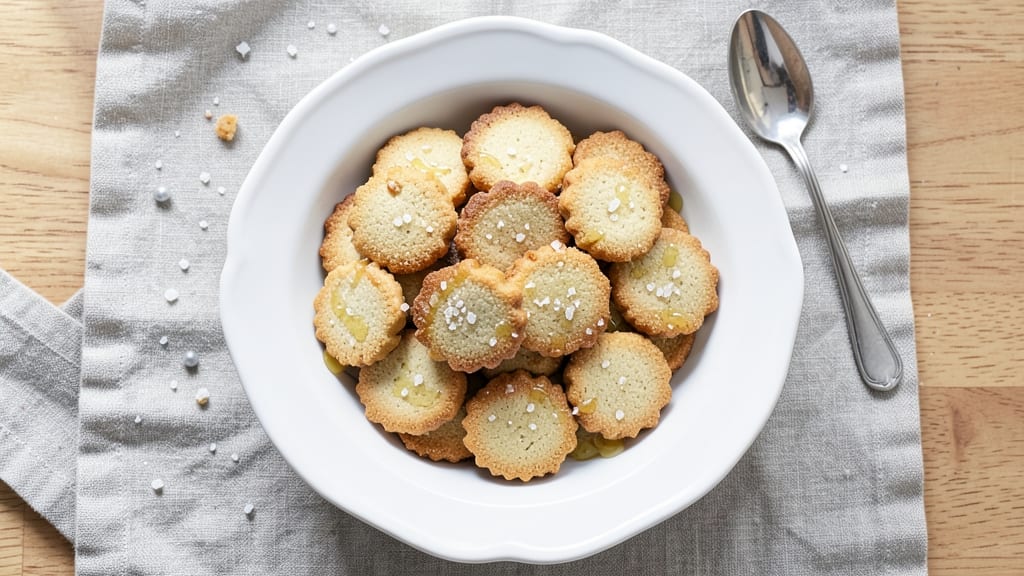
This Joy of Cooking shortbread recipe delivers the perfect balance of buttery crisp edges and tender melting centers that make every bite irresistible. The secret lies in precise measurements and gentle handling—no overmixing or overbaking here.
After years of perfecting this classic, I’ve found the right ratio of cold butter to flour creates that signature crumbly yet sturdy texture that shortbread is famous for.
What makes this recipe special is its simplicity—just three core ingredients (butter, sugar, and flour) that come together with minimal effort. The dough is shaped into classic rectangles, pricked with a fork for that iconic crisscross pattern, and baked until golden.
The result? Shortbread so tender it practically melts in your mouth yet holds its shape perfectly when sliced. This is the kind of treat that feels like a hug from your favorite baker.
By the time you pull these out of the oven, your kitchen will smell like pure nostalgia—warm butter, vanilla, and just a hint of caramelized sugar. The edges stay crisp while the centers remain velvety, proving that sometimes the simplest recipes create the most satisfying results.
Whether you’re baking for a holiday gift or just craving a moment of comfort, this shortbread delivers every time.
For a modern twist, try adding chocolate chips or a sprinkle of citrus zest to the dough before baking—though purists will argue the classic version stands alone.
Let’s get baking! The joy of cooking shortbread isn’t just in the eating, but in the process itself. Perfect for beginners or seasoned bakers alike.
Ingredients for joy of cooking shortbread
Three core ingredients plus a few simple touches—this is classic shortbread done right.
| Ingredient | Amount | Notes |
|---|---|---|
| Unsalted Butter 🧈 | 1 cup | Cold, cubed, high-fat preferred |
| Granulated Sugar 🍚 | ¼ cup | Superfine preferred for smooth texture |
| All-Purpose Flour 🌾 | 2 cups | Sifted, no substitutions here |
| Vanilla Extract 🌸 | ½ tsp | Pure vanilla for authentic flavor |
| Fine Sea Salt 🧂 | ¼ tsp | Kosher or fine grain preferred |
| Medium Eggs 🥚 | 1 whole | Room temperature for even mixing |
| Powdered Sugar 🍚 | 2 tbsp | For dusting finished shortbread |
The butter is everything here. Plugrá or Land O’Lakes make the best cold, high-fat sticks—look for at least 82% fat content. If you’re using salted butter, skip the extra salt. The sugar? Superfine is ideal (like Domino’s), but regular granulated works if pulsed in a food processor first. Flour matters too—King Arthur or Gold Medal give that tender crumb. I always weigh my butter (8 oz total) to avoid guessing. The vanilla extract should be pure—no imitation stuff. And don’t forget to chill your mixing bowl and dough hook (if using a stand mixer) for 10 minutes before starting.
No vanilla extract? Almond extract at half the amount works, but it’s not the same. Short on powdered sugar? A pinch of regular sugar dusted on top gives a similar sheen. The egg is non-negotiable—it binds the dough without adding moisture. If you’re worried about raw egg, pasteurized eggs are a safe swap. For a modern twist, fold in mini chocolate chips or lemon zest before baking, but keep it to no more than 0.25 cup or the texture suffers. The dough should feel like wet sand—if it’s too sticky, add 1 tbsp more flour. Too dry? Add 1 tsp cold water.
This dough doubles in size when chilled, so divide it into two discs and flatten them—easier to handle. Wrap tightly in plastic and refrigerate for up to 3 days or freeze for 3 months. The shortbread keeps for 5 days at room temperature in an airtight container, but honestly? It disappears faster than that. For gifting, wrap individually in parchment and tie with twine—looks fancy, stays fresh. Reheat slices for 10 seconds in the microwave if they lose crispness (though they rarely do).
Why You'll Love This Recipe
- Four-Handful Mix: I swear by this—just butter, sugar, flour, and a pinch of salt. No fancy gadgets, no measuring cups that need scrubbing. You can do it blindfolded (though I wouldn’t recommend it).
- Butter-Sugar Magic: That crispy, melt-in-your-mouth texture? It’s all in the cold butter and sugar. The vanilla ties it together like a warm hug—simple, but somehow ridiculously good every time.
- Tea Time Hero: Between us, this is my go-to for afternoon tea, holiday gifts, or when I need to impress someone with zero effort. Cut into squares, dip in jam, or serve with coffee—it’s the little things that make it special.
- Lasts for Days: Honestly, I’ve had a batch stay fresh for over a week in an airtight container. Budget-friendly, foolproof, and zero waste—just slice as needed. My kids call it "emergency dessert," and I don’t correct them.
Step-by-step instructions for joy of Cooking shortbread
Let's create these classic shortbread cookies with their signature crisp edges and tender centers.
Prepare the Dough with Cold Butter
In a large mixing bowl, combine the 1 cup unsalted butter (cold and cubed) with the 0.25 cup granulated sugar. Using a pastry cutter or your fingers, work the butter into the sugar until the mixture resembles coarse crumbs with pea-sized butter pieces remaining. This texture is crucial—it ensures those signature flaky layers in your shortbread.
Next, add the 2 cups all-purpose flour, 0.25 tsp fine sea salt, and 0.5 tsp vanilla extract to the bowl. Gently toss everything together with a fork until just combined. You're aiming for a sandy, crumbly texture—don't overmix. The dough should hold together when pressed but still feel dry and crumbly. This is the perfect consistency for shortbread.
Incorporate the Egg for Binding
Add the 1 whole medium egg to the bowl and use a wooden spoon to gently fold it into the dry ingredients. Mix just until the dough begins to come together—you should still see some flour streaks. The egg acts as a binder here, helping to hold the crumbly dough together while keeping it tender.
Once combined, divide the dough into two equal portions. Wrap each portion tightly in plastic wrap and flatten into discs about ½-inch thick. Place the wrapped dough in the refrigerator and chill for at least 1 hour (or up to 24 hours). This chilling step is essential—it firms up the butter, preventing the cookies from spreading too much in the oven and ensuring those crisp edges we're after.
Roll and Cut the Shortbread
After chilling, remove one disc of dough and place it on a lightly floured surface. Using a rolling pin, roll the dough out to ¼-inch thickness. I like to keep it slightly irregular—it adds rustic charm to the finished cookies. Transfer the rolled dough to a parchment-lined baking sheet and use a 2-inch round cutter (or a glass of that size) to cut out the cookies.
Gather the scraps, re-roll them, and cut out more cookies until you've used all the dough. Place the cut cookies on the baking sheet, leaving about 1 inch of space between each one. They won't spread much, but this gives them room to crisp up properly. Repeat with the second disc of dough.
Bake to Golden Perfection
Preheat your oven to 325°F—this lower temperature ensures the cookies bake slowly and evenly, developing that beautiful contrast between crisp edges and tender centers. Once preheated, bake the shortbread for 20-25 minutes, or until the edges are light golden brown and the tops look just slightly puffed.
Here's the thing—shortbread is delicate when it comes out of the oven. Let the cookies cool on the baking sheet for 5 minutes before transferring them to a wire rack to cool completely. This brief rest prevents them from cracking as they cool. The centers should still feel slightly soft when you press them gently with your finger—that's exactly how they should be.
Dust with Powdered Sugar for Finishing Touches
Once the shortbread has cooled completely, it's time for the final touch. In a small bowl, whisk together the 2 tbsp powdered sugar with 1 tsp vanilla extract (just a splash). Using a fine-mesh sieve, dust the cooled cookies lightly with this mixture. This step adds a subtle sweetness and gives the cookies that classic shortbread finish.
Let the powdered sugar settle for 1-2 minutes, then gently tap the baking sheet to remove any excess. Serve the shortbread at room temperature—these cookies are best enjoyed within 2-3 days for maximum crispness. Store them in an airtight container to maintain their delicate texture. The combination of buttery richness, crisp edges, and tender centers makes these shortbread cookies a true joy to bake and eat.
Pro Tips For Making Joy Of Cooking Shortbread
- CHILL THE DOUGH: After mixing, wrap the dough in plastic and refrigerate for at least 30 minutes—this isn’t just a suggestion, it’s the difference between shortbread that cracks or turns out tender. I used to skip it, and my batches always ended up either too dense or too crumbly.
- USE COLD BUTTER: Take the unsalted butter straight from the fridge and cut it into cubes—no softening needed. The Joy of Cooking recipe relies on this for that signature melt-in-your-mouth texture, and warm butter will ruin the crumb. Trust me, I’ve made this mistake more times than I’ll admit.
- PRESS EVENLY: Use a glass or metal measuring cup to press the dough into the pan—it’s the only way to get those clean edges and an even thickness. I learned this after my first attempt left a lumpy, uneven mess that baked at different rates.
- SALT THE EDGES: Sprinkle the fine sea salt only on the edges of the dough before baking—this isn’t just decoration, it’s what gives classic shortbread its signature flavor contrast. Skip it, and you’re missing half the experience. (Yes, even if you’re impatient like me.)
Essential equipment for joy of cooking shortbread
Butter Chilling Tools
Cold butter is the heart of perfect shortbread, so I recommend using a chilled mixing bowl and dough scraper to maintain temperature. Place your mixing bowl in the freezer for 10 minutes before starting—this prevents the butter from softening too quickly.
A silicone dough scraper helps gather dough without warming it with your hands. For extra precision, use a digital kitchen scale to measure the 8 oz (1 cup) butter—this ensures consistency every time. 🧈
Rolling Pin Essentials
Your rolling pin makes all the difference in achieving that ¼-inch thickness. I prefer a wooden pin for traditional texture, but a marble rolling pin adds extra chill to keep the dough firm.
Look for one with ergonomic handles—like the OXO Good Grips—to reduce strain during long sessions. For even pressure, roll from the center outward in all directions. A pastry guide (like the Norpro 10-inch) helps maintain uniform thickness without guesswork.
Cutting Tools
Classic shortbread uses a 2-inch round cutter, but don't limit yourself—silicone cookie cutters in shapes like hearts or stars work beautifully for holidays. For rustic edges, try a sharp chef's knife dipped in flour.
I keep a small offset spatula handy to gently lift rolled dough onto the baking sheet without tearing. A flour duster (like the Norpro 5.5-inch) prevents flour clouds while keeping surfaces clean. 🔪
Baking Sheet Upgrades
Use light-colored, heavy-gauge baking sheets—I love All-Clad stainless steel—to ensure even heat distribution. Line them with parchment paper or silicone baking mats for easy release. For extra crisp edges, try dark baking sheets (like Wilton's non-stick) to promote faster browning.
Avoid overcrowding—leave 1 inch between cookies for proper airflow. A wire cooling rack prevents soggy bottoms while cooling.
Temperature Control
An oven thermometer (like the Thermoworks Oven Thermometer) is non-negotiable—home ovens often run hot. Preheat for 20 minutes at 325°F to ensure accuracy. For even baking, rotate the pan halfway through the 20-25 minute bake time.
A digital timer with alerts (like the OXO Good Grips) prevents overbaking. The goal? Light golden edges with slightly puffed tops—no darker than that!
Finishing Touches
For dusting, a fine-mesh sieve (like the Norpro 4-inch) ensures even powdered sugar coverage. A soft pastry brush helps apply vanilla-infused sugar mixture without smudging. Store finished shortbread in airtight containers (I use Le Creuset ceramic boxes) to preserve texture.
For gifting, wrap individually in parchment paper and tie with twine—it looks professional and keeps them crisp. 💫
Nutrition facts
Frequently asked questions
Why does this shortbread recipe need cold butter?
The cold butter is key to achieving those signature crisp edges and tender centers. When cold, the butter creates steam as it bakes, which puffs up the shortbread slightly while keeping the interior soft. If you use room-temperature butter, the cookies will spread too much and lose their delicate texture. Always keep your mixing bowl chilled too!
Can I make this shortbread without an egg?
Yes, but the texture will be different. For a vegan version, replace the egg with 1 tbsp aquafaba (chickpea brine) or 1 tbsp melted coconut oil. The egg binds the crumbly dough together while adding moisture—without it, your shortbread may be slightly drier. For best results, let the dough rest 30 minutes after mixing to help the substitutes work.
How do I prevent my shortbread from turning out too crumbly?
Overmixing or overbaking are the usual culprits. Mix just until combined (flour streaks should remain) and bake at 325°F for exactly 20-25 minutes. If your dough feels too dry, add 1 tsp cold water at a time. For extra tenderness, replace 0.25 cup of the flour with 0.25 cup cornstarch. The secret is gentle handling—don't press too hard when rolling!
Can I add chocolate chips or nuts to this recipe?
For chocolate lovers, fold in 0.25 cup mini chocolate chips before baking. For nutty shortbread, try 0.25 cup finely chopped hazelnuts or pecans. Keep additions to no more than 0.25 cup total or the texture becomes dense. For a modern twist, try orange zest or cardamom—just reduce flour by 1 tbsp to maintain balance. Always chill the dough extra long (2 hours) with mixed-ins.
Why does my shortbread spread so much in the oven?
This usually happens when the butter gets too warm during mixing or baking. Always use cold butter straight from the fridge, chill your mixing bowl, and avoid overworking the dough. If your oven runs hot, reduce temperature to 300°F. For extra insurance, shape cookies into rectangles (they spread less than rounds) and bake on the middle rack where heat is most even. The dough should never feel sticky—if it does, add 1 tbsp more flour.