
Main Courses
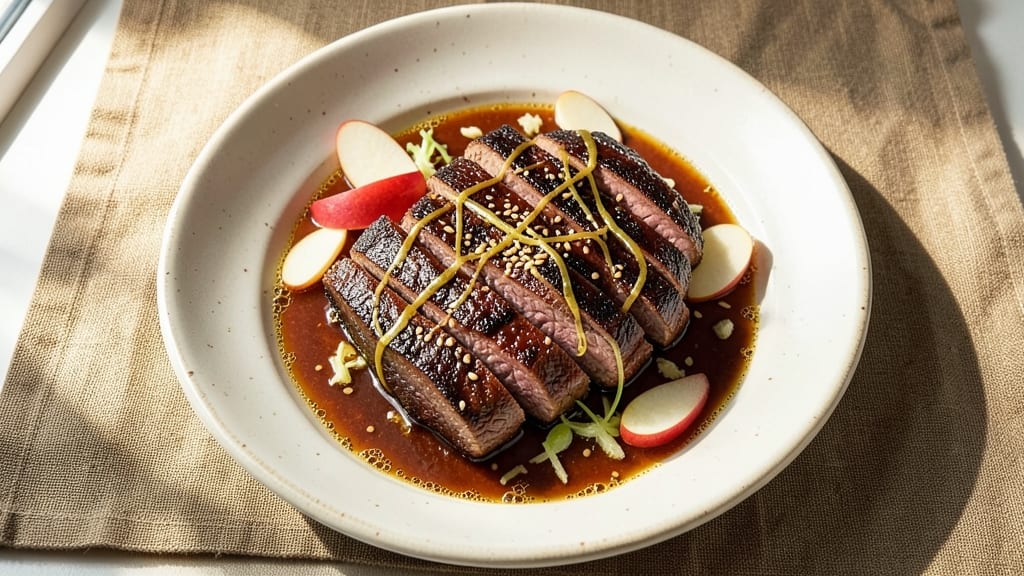
This kalbi beef recipe delivers the same melt-in-your-mouth marbling you’d find at Seoul’s best BBQ spots—right in your own kitchen. The secret lies in slow-marinating ribeye with soy, sugar, and garlic, then grilling it just enough to render fat into crispy, caramelized edges while keeping the center juicy as butter.
I’ve spent years perfecting this technique, and trust me, the first bite changes everything.
What makes this recipe special is the balance of crispy char and tender meat—no tough, chewy bites here. The marinade works overnight to break down the meat’s fibers, while high-heat grilling creates that signature Korean BBQ texture.
Even beginners can nail this with just a few key steps, and the prep time is worth every second for that first forkful of perfection.
By the time you’re done, you’ll have golden, glistening kalbi that practically dissolves on your tongue, with fat pooling in delicious rivulets. Serve it with steamed rice, quick-pickled radishes, and a side of kimchi for the full experience—this isn’t just dinner, it’s a celebration. Let’s get cooking!
The best part? Leftovers reheat beautifully, so you’ll find yourself making this again and again. Here’s everything you need to bring that authentic Korean BBQ flavor home.
Ingredients for kalbi beef
Four key ingredients unlock that signature Korean BBQ marbling: ribeye, soy, sugar, and garlic—plus a few secrets for restaurant-quality results.
| Ingredient | Amount | Notes |
|---|---|---|
| Ribeye Steak 🥩 | 2 lb | Bone-in, 1-inch thick cut preferred |
| Korean Soy Sauce (Ganjang) 🥫 | ½ cup | High-quality, not sweetened |
| Brown Sugar 🍚 | ¼ cup | Light or dark, packed |
| Sesame Oil 🫒 | 2 tbsp | Toasted, not flavored |
| Garlic Cloves 🧄 | 8 cloves | Minced, fresh preferred |
| Asian Pear or Apple 🍎 | 1 whole | Diced, for natural sweetness |
| Rice Wine (Mirin) 🍶 | 2 tbsp | Sweet cooking wine |
| Ginger 🌿 | 1 tbsp | Fresh, grated |
| Vegetable Oil 🫒 | 2 tbsp | High smoke point |
| Pearl Onions 🧅 | 1 cup | Whole, peeled |
| Green Onions 🧅 | ¼ cup | Sliced, for garnish |
| Toasted Sesame Seeds 🌾 | 1 tbsp | For finishing |
| Kosher Salt 🧂 | 1 tsp | Diamond Crystal preferred |
| Black Pepper 🌶️ | ½ tsp | Freshly cracked |
The ribeye is non-negotiable—look for bone-in cuts with thick marbling at your butcher or Costco’s pre-cut beef section (their Korean BBQ cuts are perfect). If you can’t find ribeye, sirloin or chuck roast work in a pinch, but marbling is everything here. The Korean soy sauce (ganjang) is different from regular soy—Hanjin or Doosan brands are my go-tos, but any high-quality Korean pantry store will have it. Brown sugar adds depth, but white sugar works too if that’s what you’ve got. Pro tip: Toast your sesame oil in a dry pan for 30 seconds before using—it’ll taste like a million bucks.
No Korean soy sauce? Double the regular soy sauce plus 1 tsp sugar gets you close. Asian pear unavailable? Apple or pineapple adds sweetness, but pear’s mild flavor is ideal. The garlic should be minced fine—no big chunks. For the onions, pearl onions are traditional, but shallots or regular onions work if you’re in a hurry. The rice wine (mirin) can be swapped for dry sherry or apple cider vinegar if needed. Ginger’s optional but adds warmth—just skip it if you hate the flavor. And trust me, toasted sesame seeds on top are worth the extra minute.
Marinade keeps 3-4 days in the fridge, but the meat tastes best after overnight soaking. For grilling, high heat is key—cast iron or a grill pan works if you don’t have outdoor access. Leftovers reheat beautifully—wrap tightly in foil and warm in a 350°F oven for 10 minutes. The meat gets even more tender. Store marinade scraps in a jar for up to 1 week—perfect for quick stir-fries or glazes. And if you’re serving a crowd, double the batch—this disappears faster than you’d think.
Why You'll Love This Recipe
- Here’s what sold me: this stuff tastes better the next day. Cold or reheated, it’s still tender, still packed with that deep umami-sweet punch. Pack it for lunches or freeze portions—no one will complain.
- Minimal Chopping Required: I swear by this one—just slice the ribeye thin against the grain, toss it in a bowl with ganjang and brown sugar, then let it marinate while you chop garlic. No dicing, no stress, just hands-off flavor building.
- Sweet-Savory Magic: Between us, that combo of ganjang and brown sugar? It’s like someone took all the best parts of Korean BBQ and bottled them. The sesame oil finish ties it together—sticky, caramelized, and impossible to stop eating.
- Leftover Heaven: Here’s what sold me: this stuff tastes better the next day. Cold or reheated, it’s still tender, still packed with that deep umami-sweet punch. Pack it for lunches or freeze portions—no one will complain.
Step-by-step instructions for kalbi beef recipe
Here's how to transform ribeye into melt-in-your-mouth Korean BBQ with perfect caramelized glaze.
Prepare the Marinade for Maximum Flavor Infusion
In a medium bowl, combine the 0.5 cup Korean soy sauce (ganjang), 0.25 cup brown sugar, 2 tbsp rice wine (mirin), 2 tbsp sesame oil, 1 tbsp grated ginger, and 0.5 tsp black pepper. This marinade is the flavor foundation—don't skip the ginger and mirin, as they balance the saltiness and add depth. Whisk until the brown sugar dissolves completely, creating a smooth, syrupy base.
Add the 8 minced garlic cloves and 1 diced Asian pear or apple to the marinade. The pear adds natural sweetness that caramelizes beautifully during cooking, while the garlic ensures aromatic complexity. Let the mixture sit for 5 minutes to allow the garlic to soften slightly and release its oils.
Marinate the Ribeye for Tender Perfection
Pat the 2 lb ribeye steak dry with paper towels—this is crucial for developing that signature crispy exterior. Place the steak in a resealable plastic bag and pour the marinade over it, ensuring it coats all surfaces. Seal the bag and massage the marinade into the meat, working it into the crevices and fat cap.
Refrigerate the bagged steak for at least 4 hours, or ideally overnight. The longer it marinates, the more tender and flavorful the meat becomes. If you're short on time, a minimum of 2 hours will still yield excellent results, but 4 hours is ideal for restaurant-quality tenderness. Turn the bag occasionally to ensure even coating.
Sear the Kalbi for Crispy Edges and Caramelized Glaze
Remove the steak from the marinade (reserve the marinade for later) and let it sit at room temperature for 30 minutes. Heat a large cast-iron skillet over medium-high heat and add 1 tbsp of the 2 tbsp vegetable oil. Once the oil shimmers, add the steak and sear for 3-4 minutes per side until deeply browned. The fat cap should render and crisp up—this is where the magic happens for that signature kalbi texture.
Transfer the seared steak to a plate and tent loosely with foil. Return the skillet to medium heat and add the reserved marinade. Bring to a simmer and cook for 5-7 minutes, stirring occasionally, until the mixture reduces by about half and becomes syrupy. The pear should soften and break down, adding natural sweetness that caramelizes beautifully. If the sauce thickens too much, add 1-2 tablespoons of water to maintain the right consistency.
Glaze and Finish with Pearl Onions and Garnishes
Return the seared steak to the skillet with the reduced marinade and spoon the glaze evenly over the top. Cover the skillet and cook for an additional 10-12 minutes, basting occasionally with the sauce. The goal is to create a sticky, caramelized glaze that clings to every surface of the meat. You'll know it's ready when the steak reaches an internal temperature of 130-135°F for medium-rare—use a meat thermometer for precision.
While the steak finishes glazing, prepare the 1 cup pearl onions by peeling them and setting aside. Once the steak is glazed to perfection, transfer it to a cutting board and let it rest for 10 minutes. This resting period is critical—it allows the juices to redistribute, ensuring each bite is tender and flavorful. During this time, heat a separate skillet with the remaining 1 tbsp vegetable oil over medium heat and sauté the pearl onions for 3-4 minutes until lightly caramelized.
Slice and Serve with Fresh Garnishes
Slice the ribeye against the grain into ¼-inch thick pieces. The grain runs lengthwise, so cutting perpendicular to it ensures each bite is tender. Arrange the sliced kalbi on a warm platter and spoon any remaining glaze from the skillet over the top. Scatter the caramelized pearl onions and 0.25 cup sliced green onions around the steak, then sprinkle generously with 1 tbsp toasted sesame seeds.
Serve immediately with steamed rice and a side of kimchi. The contrast of the cool, tangy kimchi with the warm, sweet, and savory kalbi is what makes this dish truly exceptional. Each bite should deliver a perfect balance of tender meat, caramelized glaze, and aromatic garnishes—this is the essence of authentic Korean BBQ.
Pro Tips For Making Kalbi Beef
- Cut Against the Grain: Slice your ribeye thinly before marinating—about ¼-inch thick—and freeze it for 30 minutes first. The cold meat stays more uniform when you slice it against the grain later, giving you those perfect, tender strips every time.
- Marinate Overnight (No Excuses): I used to rush the marinade, thinking 2 hours was enough. Wrong. Let the ganjang and sugar penetrate the beef for at least 8 hours—overnight is ideal. The sugar caramelizes better, and the soy sauce clings like glue, not just a surface coating.
- Double-Check the Sugar: Brown sugar can vary wildly in moisture. If your marinade looks soupy, spread it on a baking sheet and dry it in the oven at 300°F (150°C) for 10 minutes first. Thick, sticky marinade = better caramelization, not a sticky mess.
- Sear in Batches: Crowd the pan, and you’ll steam the beef instead of sear it. Work in single layers over medium-high heat—2-3 minutes per side—until deep brown. That crust is non-negotiable for flavor, and rushing it just makes sad, gray meat.
Make-ahead tips for leftovers
Marinade Prep Ahead
The marinade is the heart of kalbi flavor, so I always make it first—it keeps 3-4 days in an airtight container in the fridge. Combine all ingredients in a bowl, whisk until smooth, and store in a glass jar with a tight lid.
The longer it sits, the more the flavors meld, but even 24 hours makes a noticeable difference. Honestly, I often make extra marinade just to use it on other proteins later—it’s that good.
For maximum convenience, prep the marinade the night before cooking. This way, you can marinate the meat overnight while you sleep, waking up to perfectly tender beef ready for searing. If you’re short on time, a 4-hour marinade still works, but overnight is ideal for that restaurant-quality tenderness. 💫
Meat Prep Timeline
Pat your ribeye dry and place it in a resealable plastic bag with the marinade. Seal tightly and refrigerate—this is where the magic happens. I like to use quart-sized freezer bags because they’re sturdy and take up less space.
For best results, marinate for 12-24 hours, but even 4 hours will give you great flavor. Pro tip: Give the bag a gentle squeeze every few hours to redistribute the marinade.
If you’re planning ahead, you can marinate the meat up to 3 days in advance. Just store it in the fridge in its bag, and when ready to cook, let it sit at room temperature for 30 minutes before searing.
This ensures even cooking and that perfect crispy exterior. Don’t skip the room temp step—it makes all the difference! ⏰
Glaze Reduction Shortcut
The reduced marinade glaze is what ties everything together, and you can prep this ahead too. After searing the meat, transfer the reserved marinade to a small saucepan and simmer uncovered over medium heat for 10-12 minutes, stirring occasionally. Reduce it until it’s syrupy—about half the original volume.
Let it cool, then store in a small jar in the fridge for up to 1 week. This glaze is perfect for drizzling over rice or even using as a quick stir-fry sauce.
For an even quicker version, reduce the marinade in the microwave: Pour it into a microwave-safe bowl and heat on high for 3-4 minutes, stirring every minute, until thickened.
This method is great for last-minute prep, but the stovetop version has more depth. Either way, the glaze reheats beautifully—just warm it gently before serving. 🔥
Reheating Leftovers
Kalbi beef reheats like a dream, making it perfect for meal prep. Wrap leftovers tightly in aluminum foil and reheat in a 350°F oven for 10-15 minutes until warmed through. The foil keeps the meat moist, and the oven ensures even heating.
For a quick stovetop option, heat in a skillet over medium-low heat with a splash of water or broth to prevent drying out. The glaze will soften slightly, but the meat stays tender and flavorful.
I like to reheat kalbi with a few extra drops of sesame oil and a pinch of sugar to restore that caramelized shine. Serve with freshly steamed rice and kimchi to recreate that authentic Korean BBQ experience.
Leftovers keep well for 3-4 days in the fridge or 3 months in the freezer—just thaw overnight in the fridge before reheating. 💪
Nutrition facts
Frequently asked questions
Can I use regular soy sauce instead of Korean soy sauce (ganjang)?
You can substitute, but the flavor won't be identical. Use double the amount of regular soy sauce plus 1 teaspoon sugar to mimic the depth of ganjang. For best results, try to find Korean soy sauce at Asian markets—brands like Hanjin or Doosan make all the difference. The extra umami and slightly sweeter profile are key to authentic kalbi flavor.
What's the best way to get that crispy exterior without drying out the meat?
Pat the meat very dry before marinating and sear over high heat in a hot skillet or grill. Use medium-high heat for the initial sear (3-4 minutes per side), then reduce to medium for glazing. The fat cap should render and crisp beautifully while the center stays tender. For extra insurance, baste with the reduced marinade during the final 10-12 minutes of cooking.
Can I make kalbi in an air fryer instead of a skillet or grill?
Yes, but with adjustments! Preheat your air fryer to 375°F and cook the marinated meat for 12-15 minutes, flipping halfway. The air fryer won't create the same caramelized crust as a grill, but it works in a pinch. For better results, finish by broiling for 3-4 minutes under the oven's broiler to crisp the edges. The reduced marinade glaze should still work beautifully.
Why did my kalbi turn out tough instead of tender?
Overcooking is the most common mistake—kalbi should be cooked to 130-135°F internal temperature (medium-rare). Using the wrong cut (like flank steak instead of ribeye) or skipping the marinade time also causes toughness. Always marinate for at least 4 hours (overnight is ideal), and let the meat rest 10 minutes after cooking. The resting time is crucial for redistributing juices.
What are the best sides to serve with kalbi?
Classic pairings include steamed white rice, quick-pickled radishes (danmuji), and kimchi. For extra authenticity, add a side of spinach namul (sautéed spinach with sesame oil) or mandu (Korean dumplings). The contrast of cool, tangy sides with the rich, sweet-savory kalbi creates the perfect balance. Don't forget a cold beer or soju to wash it down!