
Main Courses
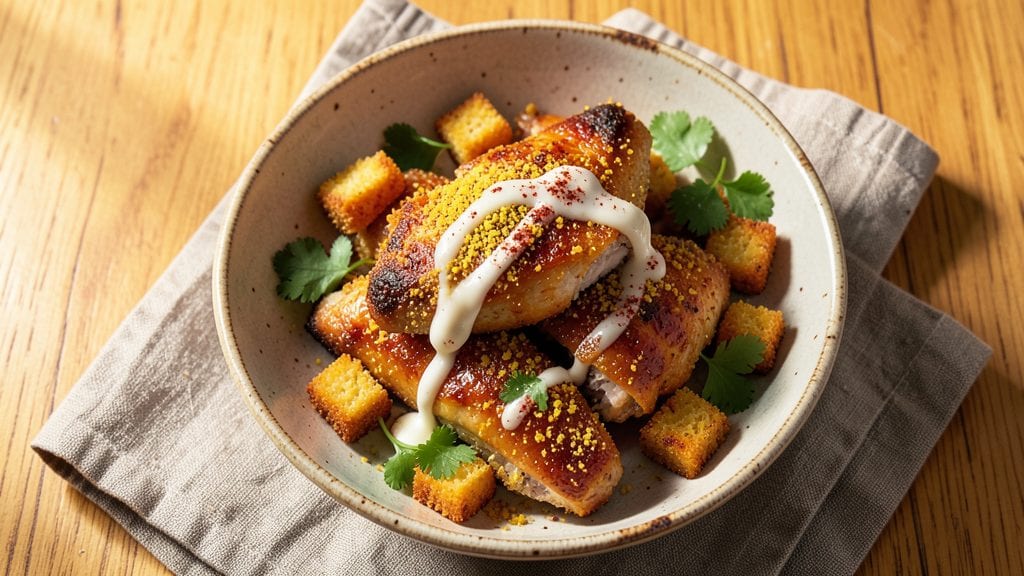
This Kentucky fried chicken recipe delivers the iconic combination of crispy cornmeal crust and juicy pink meat that's become a Southern staple. The secret lies in a precise marinade and a lightweight batter that creates that signature crunch while keeping the inside tender—just like Colonel Sanders perfected.
I’ve refined this method over years of testing, ensuring every bite delivers that perfect balance of texture and flavor.
The process begins with a 12-hour marinade that tenderizes the chicken while infusing it with bold spices, followed by a cornmeal-based batter that creates the signature crispiness.
Frying at 350°F ensures a golden crust without burning, while resting the chicken briefly locks in juices for that signature moist, flavorful bite. This isn’t just fried chicken—it’s a restaurant-quality experience you can recreate at home.
Serve with classic sides like creamy mashed potatoes, buttery biscuits, and tangy coleslaw for the full Southern spread. The crispy crust stays intact even when cutting into the juicy meat, making each piece a textural masterpiece.
Whether you’re feeding a crowd or treating yourself, this recipe delivers the authentic, comforting taste of Kentucky fried chicken.
For best results, use bone-in, skin-on chicken thighs—they stay juicier during frying. Prep ahead by marinating overnight, then fry in small batches to maintain even cooking and maximum crispiness.
The key is patience: don’t rush the resting time, and keep the oil hot. This is how you make Kentucky fried chicken at home—just like the original.
Ingredients for kentucky fried
Sixteen ingredients. One legendary Southern dish. Crispy, juicy perfection starts here.
| Ingredient | Amount | Notes |
|---|---|---|
| Bone-In, Skin-On Chicken Thighs 🍗 | 3 lb | Trimmed of excess fat |
| Yellow Cornmeal 🌽 | 1 ½ cups | Fine grind preferred |
| All-Purpose Flour 🌾 | 1 cup | For lightweight batter |
| Buttermilk 🥛 | 1 cup | Full-fat for richness |
| Large Eggs 🥚 | 2 whole | Room temperature |
| Vegetable Oil 🫒 | 4 cups | For frying, 350°F |
| Kosher Salt 🧂 | 1 ½ tbsp | Diamond Crystal preferred |
| Black Pepper 🌶️ | 1 tbsp | Freshly ground |
| Garlic Powder 🧄 | 1 tbsp | Not garlic salt |
| Onion Powder 🧅 | 1 tbsp | Fresh ground preferred |
| Paprika 🌶️ | 1 tbsp | Smoked for depth |
| Dried Thyme 🍃 | 1 tsp | Or 1 tbsp fresh |
| Cayenne Pepper 🔥 | ½ tsp | Adjust for heat |
| White Vinegar 🍶 | ½ cup | For marinade acidity |
| Brown Sugar 🍚 | ¼ cup | Light or dark |
The chicken thighs are non-negotiable—bone-in, skin-on keeps them juicy while that crispy crust forms. Local butchers often have the best quality, but any grocery store's bone-in thighs work. Look for plump, pink meat with minimal bruising. I usually grab free-range when possible—worth the extra dollar for that flavor. Pat them dry before marinating; moisture is the enemy of crispiness. For a crowd, Costco's family packs save time and money, but trim any excess fat to avoid greasy oil. The cornmeal? Bob's Red Mill fine grind is my go-to—it creates that signature texture without being gritty.
No buttermilk? Substitute milk plus 1 tbsp vinegar (let it sit 5 minutes). Short on cornmeal? Half cornmeal, half flour still works—just expect slightly less crunch. The spices are flexible: skip the cayenne if you're sensitive to heat, or add 1 tsp MSG for that authentic umami kick. For the marinade, I use white vinegar because it’s strong enough to tenderize but won’t overpower the flavor. Pre-marinate overnight for maximum tenderness, but even 4 hours makes a difference. And don’t skip the resting time after frying—juices redistribute, keeping the meat moist.
Fry in batches—overcrowding drops oil temp, killing crispiness. Keep the oil at 350°F with a thermometer; fluctuations ruin texture. The fried chicken stays crispy for 2-3 days if stored in an airtight container, but the crust softens after that. For leftovers, re-crisp in the oven at 400°F for 10 minutes. Freeze uncooked, marinated thighs for up to 3 months—just extend marinating time by 24 hours after thawing. Serve with hot honey or ranch to keep that crunch intact.
Why You'll Love This Recipe
- I swear by this method: just pat the thighs dry, dip them in buttermilk, then toss in the flour-cornmeal mix. No fancy tools, no measuring cups—just instinct. The skin-on thighs stay juicy while the crust gets that perfect crunch, and honestly? That’s all it takes.
- No Fuss Setup: I swear by this method: just pat the thighs dry, dip them in buttermilk, then toss in the flour-cornmeal mix. No fancy tools, no measuring cups—just instinct. The skin-on thighs stay juicy while the crust gets that perfect crunch, and honestly? That’s all it takes.
- Double-Crust Magic: Here’s what sold me—the buttermilk tenderizes the meat while the cornmeal adds that signature crunch. The first bite? That crispy edge with the creamy center? Chef’s kiss. And between us, it’s way better than takeout.
- Weeknight & Potluck Star: I make this for lazy Tuesdays or when friends drop by. The thighs feed a crowd, and leftovers reheat like a dream (yes, even on a Tuesday night). Plus, it’s my go-to for game day—no one ever leaves hungry.
Step-by-step instructions for crispy cornmeal-crusted chicken
Here's how to nail that iconic crispy crust while keeping the meat juicy and pink inside.
Prepare the Chicken and Marinade
Pat the 3 lb bone-in, skin-on chicken thighs completely dry with paper towels—this is non-negotiable for crispiness. Trim any excess fat but leave the skin intact. In a large bowl, whisk together the 1 cup buttermilk, 0.5 cup white vinegar, 0.25 cup brown sugar, 1.5 tbsp kosher salt, 1 tbsp black pepper, 1 tbsp garlic powder, 1 tbsp onion powder, 1 tbsp paprika, 1 tsp dried thyme, and 0.5 tsp cayenne pepper. Pour this marinade over the chicken thighs and let them soak for at least 4 hours (overnight works best).
The acid in the vinegar tenderizes the meat while the sugar and spices create flavor layers. Don't skip the marinating—it's what makes the crust stick perfectly and keeps the meat moist. I like to flip the thighs halfway through marinating to ensure even seasoning.
Make the Cornmeal Batter
In a shallow dish, combine the 1.5 cups yellow cornmeal and 1 cup all-purpose flour. In another bowl, beat the 2 whole large eggs until frothy. The batter should be thick but pourable—like heavy cream consistency. If it's too thick, add a splash of buttermilk from the marinade to loosen it.
This two-stage setup prevents a gummy crust. The cornmeal gives that signature crunch, while the flour helps bind everything together. I always use room-temperature eggs—they emulsify better, giving you a smoother batter that clings perfectly to the chicken.
Heat the Oil and Fry the Chicken
Fill a deep skillet or Dutch oven with 4 cups vegetable oil and heat to 350°F. Use a deep-fry thermometer to monitor the temperature—it's crucial for even cooking. While the oil heats, remove the chicken from the marinade (let any excess drip off) and dredge each piece in the cornmeal batter, pressing gently to adhere. Fry the chicken in batches for 10-12 minutes, turning once, until the crust is deep golden brown and the internal temperature reaches 165°F.
Don't overcrowd the pan—this drops the oil temperature and makes the crust soggy. I fry in two batches if needed. The oil should be shimmering but not smoking when you add the chicken. If it smells like burning, your oil's too hot—pull it off the heat for 2-3 minutes to cool down.
Rest and Serve
Transfer the fried chicken to a wire rack set over a baking sheet. Let it rest for 10 minutes before serving. This resting period is where the magic happens—the juices redistribute, keeping the meat moist while the crust stays crisp. Serve immediately with your favorite sides, but don't skip the resting step. I know it's tempting to dig in right away, but those first bites will be dry if you do.
The result should be a crispy, golden-brown crust that shatters slightly when you bite into it, revealing juicy, pink meat underneath. The cornmeal batter gives that signature crunch, while the marinade ensures deep, savory flavor in every bite. For extra crispiness, broil for 1-2 minutes at the end if you're really craving that restaurant-style texture.
Pro Tips For Making Kentucky Fried
- PAT THE THIGHS DRY: Skip the soggy crust by drying the chicken thoroughly with paper towels before dredging—wet skin traps moisture, and that’s how you end up with a sad, limp coating. I learned this the hard way after a batch turned out more "fried" than "crispy."
- DOUBLE-DREDGE LIKE A PRO: Dip the thighs in buttermilk, then flour, then buttermilk again—this extra step guarantees a thicker, cracklier crust. Sounds tedious, but it’s the difference between "homemade" and "restaurant-quality."
- FRIED IN BATCHES: Overcrowding the pan drops the oil temp, leading to greasy, uneven cooking. Fry in small batches—3-4 thighs max—and resist the urge to peek. Patience here keeps the crust golden, not greasy.
- REST THE BUTTERMILK: Let the buttermilk sit with the chicken for at least 30 minutes (or overnight if you’re planning ahead). The acid tenderizes the meat and lets the coating adhere better—no more flaking batter mid-fry. (Yes, even if you’re impatient like me.)
Serving suggestions for this kentucky fried
Classic Southern Sides
Serve your crispy fried chicken with creamy mashed potatoes—I make mine with Velasquez brand butter and whole milk for that velvety texture. A homemade biscuit (like my buttermilk drop biscuits) adds buttery flakiness that soaks up every drop of sauce.
For a tangy contrast, homemade coleslaw with a vinegar-based dressing (apple cider vinegar + Dijon mustard) cuts through the richness beautifully. 🥗
Sauce Pairings
For dipping, original white gravy is a must—simmer 1 cup chicken fat with 1 cup flour, then whisk in 2 cups milk until smooth. Hot honey (infused with cayenne) adds a sweet-spicy kick, while ranch dressing (homemade with buttermilk and fresh herbs) keeps the crunch intact.
I also love a smoky BBQ sauce for a fusion twist. 🍯
Presentation Tips
Arrange the fried chicken on a wooden board or cast-iron skillet to keep it warm and add rustic charm. Garnish with fresh parsley or crushed red pepper flakes for color.
For a restaurant-style finish, drizzle extra hot honey or white gravy over the top right before serving. Keep sides in separate bowls or baskets to maintain crispiness. ✨
Family-Style Serving
For gatherings, set up a buffet-style spread with the chicken in the center, surrounded by sides. Use small bowls for sauces to prevent soggy crusts. I like to serve with cornbread muffins (made with Jiffy mix) and green beans almondine for a complete Southern feast.
Label each dish clearly so guests can build their plates perfectly. 🍽️
Make-Ahead Sides
Prep sides in advance to streamline serving. Mashed potatoes and coleslaw can be made 1 day ahead and reheated gently. Biscuits are best baked fresh, but you can keep dough chilled until ready to bake. Gravy reheats well on the stovetop—just whisk in a splash of milk to smooth it out.
This keeps your focus on frying the chicken when the time comes. 💡
Kid-Friendly Touches
For picky eaters, serve deboned chicken with dipping sauces on the side. Offer fruit cups (like pineapple or peaches) to balance the meal. I also like to cut biscuits into fun shapes with a cookie cutter—kids love that extra touch!
Keep a small bowl of ranch nearby for easy dipping. 👨👩👧👦
Nutrition facts
Frequently asked questions
Can I use chicken breasts instead of thighs for this recipe?
While possible, thighs are ideal because they stay juicier during frying. Chicken breasts dry out easily and won't give that signature crispy-yet-moist texture. If you must use breasts, brine them for 1 hour first and fry at 325°F for 8-10 minutes to prevent overcooking. The crust may also be less crispy.
Why does my fried chicken turn out greasy instead of crispy?
Greasy crust happens when oil temperature drops or excess fat isn't trimmed. Always fry in batches (never overcrowd) and maintain 350°F oil. Pat chicken dry before marinating and trim excess fat—this prevents oil absorption. Also, use a thermometer to monitor heat, as fluctuations ruin texture.
How do I make this recipe gluten-free?
Replace the all-purpose flour with 1 cup gluten-free 1:1 baking flour and use a gluten-free cornmeal blend (like Bob's Red Mill). For the batter, add 1 tbsp xanthan gum to help bind the coating. The texture won't be identical, but it'll still be crispy and flavorful. Always test small batches first.
Can I bake this fried chicken instead of deep-frying?
Yes, but the texture will differ. Preheat oven to 425°F and bake for 30-35 minutes on a wire rack (not a pan) to allow air circulation. Brush with melted butter halfway through for crispiness. The crust won't be as crispy as fried, but it'll be healthier and still delicious. For extra crunch, broil for 2 minutes at the end.
What's the best way to reheat leftover fried chicken?
For crispiness, reheat in a 400°F oven for 10-12 minutes on a wire rack. Avoid microwaving—it makes the crust soggy. If using an air fryer, cook at 375°F for 3-4 minutes to restore crunch. Never reheat in oil, as it can become unsafe. Store leftovers in an airtight container for up to 3 days.