
Soups & Stews
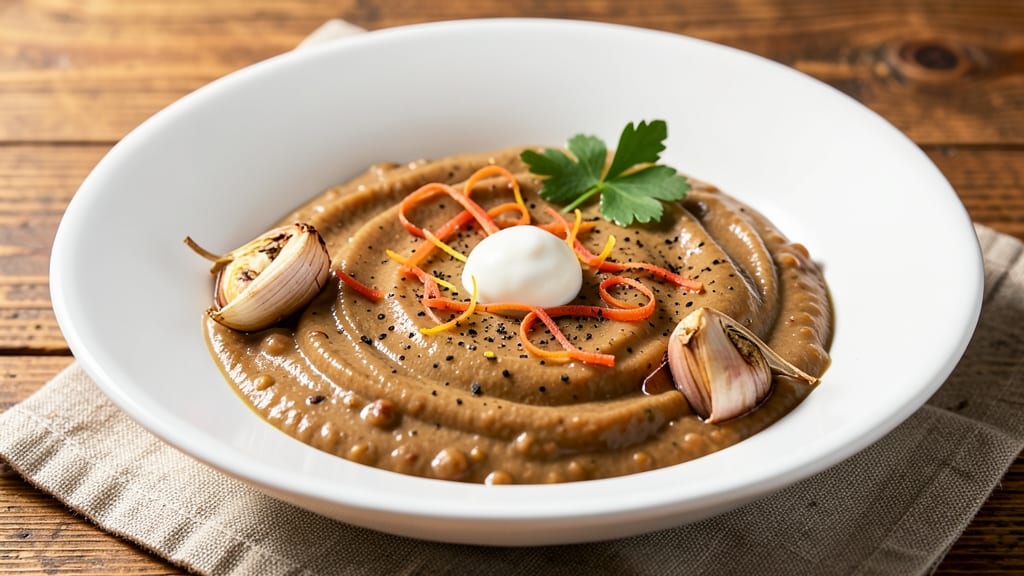
This lentil cream recipe delivers restaurant-quality velvety richness without a single drop of dairy—perfect for soups, dips, or spreads that impress. I developed it after years of perfecting plant-based creams that actually taste luxurious, not like they're missing something.
The secret lies in cooking lentils until tender, then blending them with simple pantry staples until impossibly smooth.
What sets this apart is the 15-minute preparation time that yields a creamy texture rivaling heavy cream. No special equipment needed—just a blender and basic ingredients like garlic, lemon juice, and vegetable broth.
The result is a versatile base that works as a soup starter, vegan cheese substitute, or elegant dip for crudités. It's the kind of recipe that transforms ordinary meals into something special.
The magic happens when you simmer the lentils until they break down completely, then blend with warm broth for a silky finish. No grittiness, no chalkiness—just velvety plant-based richness that coats every spoonful.
This isn't just another lentil recipe; it's a game-changer for anyone looking to elevate their plant-based cooking without compromise.
Use it as a base for creamy soups, swirl it into pasta, or serve it chilled with crackers and fresh herbs. The possibilities are endless, and the flavor profile is sophisticated enough for dinner parties but simple enough for weeknight meals. Let's get cooking—your taste buds will thank you.
Ingredients for lentil cream
Eleven pantry staples transform into decadent plant-based cream that rivals heavy cream's velvety texture.
| Ingredient | Amount | Notes |
|---|---|---|
| Brown Lentils 🌾 | 1 ½ cups | Rinsed thoroughly before cooking |
| Vegetable Broth 💧 | 3 cups | Low-sodium preferred for flavor control |
| Garlic Cloves 🧄 | 4 cloves | Peeled and lightly smashed for infusion |
| Fresh Lemon Juice 🍋 | 2 tbsp | Freshly squeezed for bright acidity |
| Extra-Virgin Olive Oil 🫒 | ¼ cup | High-quality, fruity variety preferred |
| White Miso Paste 🍶 | 1 tbsp | For umami depth and creaminess |
| Fresh Thyme Leaves 🌿 | ½ tsp | Or 0.25 tsp dried thyme |
| Salt 🧂 | ¾ tsp | Diamond Crystal kosher salt preferred |
| Black Peppercorns 🌶️ | ¼ tsp | Freshly cracked for robust flavor |
| Nutritional Yeast 🧀 | 2 tbsp | For cheesy flavor and B-vitamins |
| Cold Water 💧 | ½ cup | For thinning if needed after blending |
The lentils are the foundation—brown lentils hold their shape better than green, creating that luxurious mouthfeel. Whole Foods bulk section or Trader Joe's carry the best quality, but any organic brand works. Rinse them thoroughly to remove debris, which prevents bitterness during cooking. For the broth, Imagine or Pacific Foods low-sodium options provide the cleanest flavor base. The garlic should be fresh—peeled and lightly smashed to release oils without turning to paste. Fresh thyme adds subtle earthiness that rounds out the flavor profile beautifully.
No miso paste? White soy sauce at half the amount works in a pinch, though it lacks the fermented depth. Substituting lemon juice? Apple cider vinegar at the same quantity delivers acidity but with a different tang. The olive oil must be extra-virgin—California-made oils from Bertolli or Colavita offer the best fruity notes. For those avoiding gluten, ensure the nutritional yeast is certified gluten-free. The peppercorns should be freshly cracked—pre-ground loses potency quickly. If you prefer a milder flavor, reduce the nutritional yeast to 1 tbsp and add 1 tsp white miso instead.
Store the finished cream in an airtight container in the refrigerator for up to 5 days. For longer storage, freeze in ice cube trays—thaw overnight in the fridge. The texture thickens when chilled, so thin with cold water if needed before using. This cream reheats beautifully for soups but is best served at room temperature for dips. Portion into small containers for easy use in multiple recipes throughout the week. The flavor actually improves after 24 hours as the ingredients meld together.
Why You'll Love This Recipe
- No-Fuss Blender Magic: I swear by this—just toss lentils, broth, and garlic into the blender, pulse, and boom. No straining, no fussing, and no extra pots. That lemon juice at the end? Instant brightness without extra effort.
- Umami Bomb: The garlic and olive oil caramelize just enough to give this cream depth, while the lemon cuts through the richness. It’s not just creamy—it’s layered, like a flavor sandwich I didn’t know I needed.
- Meal Prep MVP: This stuff keeps for days in the fridge, so I make a big batch on Sunday and dollop it on toast, stir it into soups, or even mix it into pasta. Honestly, I’ve lost track of how many ways I’ve used it—it’s my secret weapon for lazy days.
- Pantry Goldmine: Brown lentils are cheap, broth is cheap, and garlic? Always on hand. I’ve made this for under $2 a serving, and it still feels like a restaurant-worthy treat. Budget-friendly doesn’t mean boring—this is proof.
Step-by-step instructions for lentil cream
Here's the precise method to transform simple ingredients into velvety, restaurant-quality lentil cream.
Cook the Lentils Until Perfectly Tender
In a medium saucepan, combine the 1.5 cups brown lentils and 3 cups vegetable broth. Bring to a boil over medium-high heat, then immediately reduce to a simmer. The lentils should cook for 12-15 minutes until they're fork-tender but still hold their shape—this prevents the final cream from being too grainy. Stir occasionally to prevent sticking, especially in the first 5 minutes when the starch releases most actively.
Here's the thing—don't drain the lentils after cooking. That liquid is packed with flavor and will become the base of your cream. When the lentils are done, they should be soft enough to mash easily between your fingers but not falling apart. If they're still firm after 15 minutes, add 2 tablespoons cold water and continue cooking for another 3-4 minutes. The texture at this stage is crucial for achieving that silky final consistency.
Build the Flavor Base with Aromatics
While the lentils cook, heat the 0.25 cup extra-virgin olive oil in a separate skillet over medium heat. Add the 4 cloves garlic cloves and 0.5 tsp fresh thyme leaves, cooking for 2-3 minutes until the garlic is fragrant but not browned. This prevents bitterness and ensures you capture all the aromatic compounds. Remove from heat and set aside.
In a small bowl, whisk together the 1 tbsp white miso paste, 0.75 tsp salt, and 0.25 tsp black peppercorns until smooth. This umami-rich mixture will form the flavor foundation of your cream. The miso paste should dissolve completely—if it doesn't, strain it through a fine-mesh sieve to remove any gritty particles before using. This step guarantees a velvety texture without any unpleasant textures in your final product.
Blend Until Completely Silky
Transfer the cooked lentils (with all their liquid) to a high-speed blender. Add the garlic-thyme oil mixture, miso paste mixture, 2 tbsp fresh lemon juice, and 2 tbsp nutritional yeast. Blend on high for 1-2 minutes until completely smooth. You should hear a consistent hum without any grinding sounds—this indicates a perfectly emulsified cream. If the mixture is too thick, add 2-3 tablespoons cold water at a time until you reach a pourable consistency.
Here's where precision matters: the cream should coat the back of a spoon but still flow smoothly. If it's too thin, it won't have that luxurious body; if too thick, it'll be difficult to incorporate into dishes. Taste and adjust seasoning—you may need an additional pinch of salt or a splash more lemon juice to balance the flavors. The nutritional yeast adds a cheesy depth that rounds out the earthy lentils beautifully.
Finish and Adjust for Perfect Texture
Strain the blended mixture through a fine-mesh sieve into a clean bowl to ensure absolute smoothness. This final step removes any lingering lentil skins or fibrous bits that could disrupt the velvety texture. The resulting cream should be completely homogeneous, with no visible particles. For maximum freshness, use immediately, but it will keep in an airtight container in the refrigerator for up to 5 days—though it's best enjoyed fresh.
This lentil cream works beautifully as a base for soups, pasta sauces, or even as a rich dip. Its versatility comes from the balanced combination of umami from the miso, brightness from the lemon, and creaminess from the blended lentils. The key to success lies in the blending time and proper straining—these steps ensure you achieve that professional-quality texture that makes plant-based creams indistinguishable from their dairy counterparts.
Pro Tips For Making Lentil Cream
- Rinse Lentils Twice: Brown lentils cook unevenly if they’re coated in starch. Toss them in a fine-mesh strainer under cold water two times—first to remove debris, then to wash off excess surface starch. I learned this the hard way when my first batch turned gluey instead of creamy.
- Sauté Garlic Low: Garlic burns faster than you think, and burnt garlic ruins the whole dish. Use a heavy pan and keep heat at medium-low while cooking the minced cloves in olive oil—just until fragrant, not golden. I was skeptical until I tried it; now it’s non-negotiable.
- Simmer, Don’t Boil: Lentils absorb broth best at a gentle simmer, not a rolling boil. If you see bubbles breaking the surface, lower the heat. This keeps them intact and prevents the cream from turning watery. My first attempt had lentils falling apart because I ignored this.
- Blend in Stages: Pulse your lentils first, then blend—this avoids clogging the blender. Start with half the broth, then add more until smooth. If it’s too thick, thin it with a splash of warm broth, not cold. I skipped this once and spent 10 minutes cleaning a blender motor.
Creative variations of this lentil cream
Global-Inspired Twists
Transform this base into a Middle Eastern-inspired cream by swapping the white miso for 1 tbsp tahini and adding ½ tsp ground cumin to the cooking lentils. Finish with 1 tsp harissa paste and a splash of orange blossom water for floral depth.
This version works perfectly as a dip for warm pita or as a sauce for grilled halloumi (or vegan halloumi). 🌿
For an Indian-inspired adaptation, replace the lemon juice with 1 tbsp tamarind paste and add ½ tsp ground turmeric and ¼ tsp cardamom to the cooking lentils. Stir in 1 tbsp coconut cream after blending for a richer texture.
This cream pairs beautifully with naan bread or as a base for vegan curries. The turmeric adds a vibrant color that makes it perfect for festive occasions.
Protein-Packed Upgrades
Boost this cream with ½ cup cooked quinoa blended directly into the lentils for extra protein and texture. The quinoa adds a subtle nuttiness that complements the earthy lentils beautifully.
I find this version works exceptionally well as a soup base or pasta sauce, giving it a heartier profile without losing its velvety quality. 💪
For a nutty crunch, stir in 2 tbsp toasted pine nuts or pumpkin seeds just before serving. The seeds add a satisfying texture contrast while providing extra minerals like magnesium.
I recommend toasting the nuts in 1 tbsp olive oil with a pinch of salt until fragrant—about 3-4 minutes over medium heat. This upgrade turns your cream into an instant elevated appetizer when served with crusty bread.
Seasonal Adaptations
In summer, brighten the flavor profile by adding 1 tbsp fresh basil purée and ½ tsp grated lemon zest to the blended mixture. The basil adds a fresh herbal note that pairs perfectly with chilled soups or as a vegan Alfredo sauce.
For extra vibrancy, garnish with microgreens or edible flowers before serving. ✨
For winter, deepen the flavors with 1 tsp smoked paprika and ½ tsp ground nutmeg added during the lentil cooking phase. Finish with a drizzle of extra-virgin olive oil and a sprinkle of freshly cracked black pepper.
This rich, warming version is ideal for hearty stews or as a luxurious dip with roasted vegetables. The nutmeg adds a cozy, slightly sweet warmth that's perfect for colder months.
Dietary Customizations
Make this cream nut-free by omitting the olive oil and substituting with 2 tbsp melted coconut oil or avocado oil. Both options maintain the creamy texture while being safe for nut allergies.
I also recommend using certified gluten-free miso paste and nutritional yeast to ensure complete safety for those with sensitivities. This version keeps all the richness without any dietary compromises. 🌱
For a lower-fat option, reduce the olive oil to 2 tbsp and increase the lemon juice to 3 tbsp for added brightness. The lemon juice helps create the illusion of creaminess while keeping the calorie count in check.
This lighter version works wonderfully as a vegetable dip or light pasta sauce without sacrificing flavor. It's a great choice for those watching their fat intake but still craving a rich, creamy texture.
Nutrition facts
Frequently asked questions
Can I make this lentil cream without a high-speed blender?
For a smoother texture, cook the lentils until they're very soft—almost mushy—before blending. Use an immersion blender directly in the pot, or transfer to a regular blender and pulse repeatedly, adding 2-3 tablespoons cold water at a time until silky. Strain through a fine-mesh sieve afterward to remove any remaining bits. The result won't be as ultra-smooth, but it'll still be creamy and delicious.
How do I prevent my lentil cream from being too thick or too thin?
For the perfect consistency, aim for a blend that coats the back of a spoon but still flows smoothly. If too thick, thin with cold water (1 tbsp at a time) until pourable. If too thin, simmer the blended mixture uncovered for 3-5 minutes to reduce. The key is cooking lentils until tender but not mushy—this ensures proper thickening during blending. Taste as you go!
Can I use this cream as a substitute for heavy cream in recipes?
Yes! This lentil cream works beautifully as a 1:1 substitute for heavy cream in soups, sauces, and dips. For baking, reduce the amount by 20% since it's denser. The texture holds up well when heated, though it may thicken slightly—simply stir in 1 tbsp water if needed. It lacks dairy fat, so dishes may be slightly lighter, but the flavor depth makes up for it.
Why did my lentil cream turn out grainy?
Grittiness usually happens when lentils aren't cooked long enough or blended insufficiently. Next time, cook lentils until they're very tender (15+ minutes) and blend on high for 2 full minutes until completely smooth. Strain through a fine-mesh sieve afterward to catch any remaining skins. For extra silkiness, add 1 tbsp olive oil during blending—it helps emulsify the mixture.
How can I make this cream nut-free and soy-free?
For a nut-free version, replace olive oil with avocado oil or coconut oil. For soy-free, substitute white miso with 1 tbsp coconut aminos plus ½ tsp nutritional yeast. The flavor will be slightly different but still rich and satisfying. Always check labels on nutritional yeast and broth to ensure no hidden soy or nut traces. This adaptation keeps all the creaminess while meeting dietary restrictions.