
Main Courses
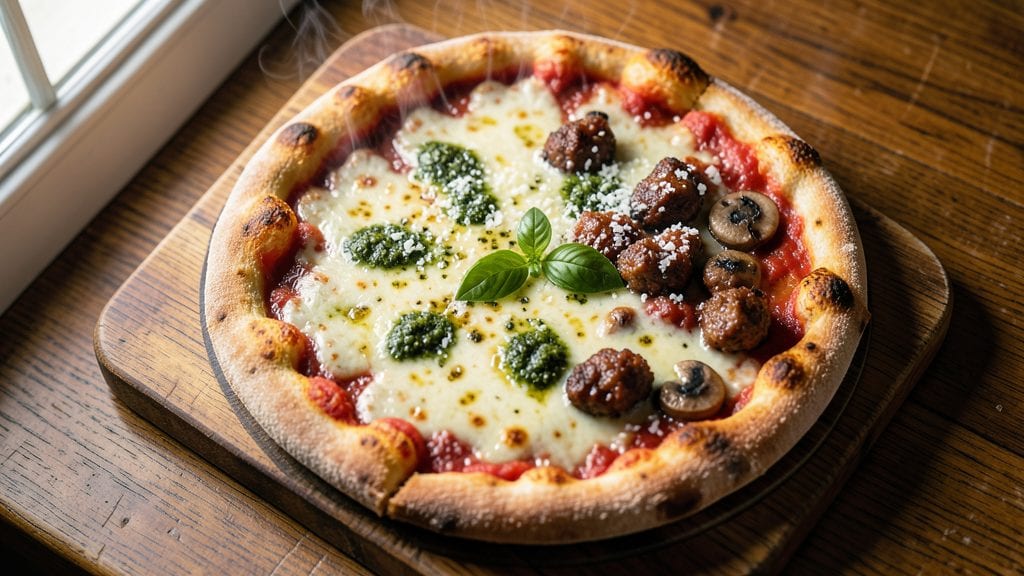
Recreating Lou Malnati's deep-dish pizza at home delivers that iconic buttery crust and layers of melted cheese that make it legendary. This recipe captures the restaurant's signature style—hand-tossed dough, rich tomato sauce, and a cheese blend that stretches perfectly when baked.
The secret lies in high-heat baking and proper cheese layering, which ensures every slice has that gooey, cheesy pull.
The dough is the foundation, requiring a mix of flour, yeast, and butter for that signature crispy-yet-tender texture. The sauce balances sweetness and acidity, while the cheese blend (mozzarella with a touch of cheddar) melts into a golden, stretchy perfection.
Toppings like sausage, mushrooms, and onions add depth, but the real magic happens during baking—when the cheese pulls and the crust achieves that coveted crispness.
By following these precise steps, you'll achieve restaurant-quality results with a deep-dish pizza that's rich, cheesy, and impossible to resist. The folded slices and sauce drizzle on top are just the finishing touches that elevate this dish to something truly special.
Whether you're hosting a game day or craving a classic, this recipe delivers every time.
For those who prefer a thinner crust, adjustments can be made, but the deep-dish method is where this recipe truly shines. The key is patience—letting the dough rise properly and baking at the right temperature ensures a perfect crust every time.
Let's get started on creating your own Lou Malnati-style masterpiece.
Ingredients for lou malnati's pizza
Buttery dough, rich sauce, and a perfect cheese blend create Lou Malnati's iconic deep-dish pizza at home.
| Ingredient | Amount | Notes |
|---|---|---|
| All-Purpose Flour 🌾 | 4 ½ cups | Bread flour preferred for chewier crust |
| Active Dry Yeast 🍞 | 2 ¼ tsp | Fresh yeast if available, proofed first |
| Granulated Sugar 🍚 | ½ tsp | Activates yeast for proper rise |
| Unsalted Butter 🧈 | ½ cup | Cold, cubed for optimal texture |
| Warm Water 💧 | 1 ¼ cups | 110°F for ideal yeast activation |
| Diamond Crystal Kosher Salt 🧂 | 1 ½ tsp | For balanced seasoning |
| San Marzano Crushed Tomatoes 🍅 | 1 ½ cups | High-quality, no added salt |
| Extra-Virgin Olive Oil 🫒 | ¼ cup | For sauce richness |
| Fresh Garlic Cloves 🧄 | 4 cloves | Minced for sauce depth |
| Dried Oregano 🍃 | 1 tsp | Italian variety preferred |
| Dried Basil 🌿 | 1 tsp | Or 0.25 cup fresh |
| Low-Moisture Mozzarella Cheese 🧀 | 2 ½ lbs | Shredded, block preferred |
| Sharp White Cheddar Cheese 🧀 | ½ lb | Shredded for extra stretch |
| Italian Sausage Crumbles 🌭 | 1 ½ cups | Sweet or spicy variety |
| Fresh Mushrooms 🍄 | 1 cup | Sliced, cremini preferred |
| Yellow Onion 🧅 | 1 whole | Diced, for sweetness |
| Fresh Parsley 🌿 | ¼ cup | Chopped, for garnish |
The dough's success hinges on quality ingredients and technique. King Arthur bread flour yields the ideal texture, though all-purpose works in a pinch. Yeast must be proofed in warm water (110°F)—cold water kills it, hot water activates too quickly. For butter, Land O'Lakes unsalted is reliable, but cold cubes ensure proper incorporation without melting. The San Marzano tomatoes from Whole Foods or specialty stores elevate the sauce—canned varieties lack the same depth. Always check expiration dates on yeast and flour, as stale ingredients compromise texture.
Substitutions require careful balance. Bread flour shortages? Add 1 tbsp vital wheat gluten per cup all-purpose. No San Marzano? Muir Glen or Rao's are solid alternatives, but avoid brands with added salt. The cheese blend is non-negotiable—low-moisture mozzarella prevents soggy crust, while cheddar adds stretch. For toppings, frozen mushrooms work if thawed and drained, but fresh deliver superior texture. The sausage can be swapped for Italian chicken sausage or ground beef, but cooking it thoroughly prevents undercooked centers. Fresh herbs like basil and parsley can be replaced with dried at one-third the amount, though flavor intensity suffers.
Proper storage ensures freshness. The dough can be refrigerated for up to 24 hours before shaping, though it loses some rise. Sauce freezes beautifully for 3 months—portion into ice cube trays for easy use. Shredded cheese should be stored in airtight containers in the freezer to prevent drying. For leftovers, slice and reheat at 350°F for 10-12 minutes to restore crispness. The crust's buttery richness makes it best enjoyed fresh, but reheated slices still deliver that signature cheesy pull when done correctly. Portion toppings before baking to avoid soggy sections.
Why You'll Love This Recipe
- No-Knead Magic: This dough comes together in five minutes—just flour, yeast, sugar, butter, and warm water. No standing at the counter, no overworking the dough. Honestly, I’ve made it while scrolling through my phone. The butter keeps it tender without effort.
- Deep Dish Dreams: That first bite of crispy, caramelized cheese crust? It’s the sugar and butter in the dough talking. The yeast gives it a light, airy center that holds up to everything—meat, veggies, or just marinara. Between us, it’s the closest I’ve gotten to Lou Malnati’s iconic deep dish without the drive-thru line.
- Weeknight Workhorse: Double the dough, freeze half, and you’ve got pizza for three dinners. Slap toppings on later—no one judges reheated Malnati’s-style pizza. I’ve served it at game nights, sick-day lunches, and even as a “fancy” brunch with a fried egg on top. (Yes, even on a Tuesday night.)
- Budget Stretch: Five ingredients, zero specialty items. That butter adds richness without breaking the bank, and the dough stretches miles—enough for two 12-inch pies or one giant shareable feast. My grocery bill thanks me every time, and so does my wallet when I skip takeout. Not the prettiest, but the taste makes up for it.
Step-by-step instructions for Lou Malnati's deep-dish pizza
Mastering this iconic Chicago-style pizza requires precision in layering and technique.
Prepare the Yeast Dough and Let It Rise
In a large mixing bowl, combine the 4.5 cups all-purpose flour, 1.5 teaspoons diamond crystal kosher salt, and 0.5 teaspoon granulated sugar. Create a well in the center and add the 2.25 teaspoons active dry yeast. Gradually pour in the 1.25 cups warm water (approximately 110°F) and mix until a shaggy dough forms.
Transfer the dough to a lightly floured surface and knead for 8-10 minutes until smooth and elastic. The dough should spring back slowly when pressed. Place the dough in a greased bowl, cover with a damp towel, and let it rise in a warm place for 1-2 hours, or until doubled in size. This initial rise develops the gluten structure essential for the deep-dish crust's signature chewiness.
Here's the thing—don't rush this step. A proper rise ensures a light, airy crust that can hold the weight of the toppings without collapsing. If your kitchen isn't warm enough, place the bowl near a slightly warm oven with the light on to maintain consistent temperature.
Create the Buttery Crust and Assemble the Base Layer
Once the dough has risen, punch it down to release air and divide it into two equal portions. Roll one portion into a 12-inch circle on a lightly floured surface. Transfer this dough to a 9-inch deep-dish pizza pan, pressing it gently into the bottom and up the sides to create a 1-inch thick crust. This thickness is crucial—it's what makes deep-dish pizza distinct.
Melt the 0.5 cup unsalted butter in a small saucepan over low heat until just melted but not browned. Brush this butter generously over the crust, including the sides. This buttery layer creates the signature rich flavor and helps prevent the crust from drying out during baking. Next, spread the 1.5 cups san marzano crushed tomatoes evenly over the crust, leaving a ½-inch border for the cheese.
Don't skip the butter brushing—this is what gives Lou Malnati's pizza its iconic buttery richness. If the butter separates, simply re-melt it briefly before applying. The crust should look golden and glistening after brushing.
Layer Cheese and Toppings with Precision
Sprinkle 1.5 teaspoons dried oregano and 1 teaspoon dried basil over the tomato layer. Then, add 1 cup sliced fresh mushrooms and 1 cup diced yellow onion, spreading them evenly. The mushrooms should be evenly distributed, and the onions should be scattered in a single layer—overcrowding will make the pizza soggy.
Now for the cheese layer: Add 2.5 lbs shredded low-moisture mozzarella cheese and 0.5 lb shredded sharp white cheddar cheese evenly over the toppings. The mozzarella provides that classic melt, while the cheddar adds depth of flavor. Press down gently on the cheese layer to ensure good contact with the tomato sauce—this prevents gaps that could lead to uneven baking.
Here's where it gets critical: Don't skip the cheese pressing. The weight of the toppings will cause the crust to sink if the cheese isn't compacted. Use a spatula or your hands to create a smooth, even surface. This step ensures your pizza bakes uniformly with a perfect cheese pull.
Add Sausage and Final Touches Before Baking
Sprinkle the 1.5 cups Italian sausage crumbles evenly over the cheese layer. The sausage should be distributed in a single layer—no clumping. Then, drizzle the 0.25 cup extra-virgin olive oil evenly over the entire surface. This oil creates a protective barrier during baking, enhancing browning and flavor development.
Minced 4 cloves fresh garlic over the pizza for aromatic depth. The garlic should be finely minced to distribute evenly without overpowering. Finally, cover the pizza with aluminum foil, tucking the edges under to seal completely. This foil trap steams the pizza initially, creating a moist environment that prevents the crust from drying out during the long bake.
Real talk: The foil isn't just for steaming—it's also for safety. Deep-dish pizza needs time to cook through without burning the top. The foil ensures the crust bakes through while the toppings cook evenly.
Bake to Golden Perfection with Two-Stage Heat
Preheat your oven to 425°F. Place the covered pizza on the middle rack and bake for 30 minutes. After 30 minutes, remove the foil and increase the oven temperature to 450°F. Continue baking for an additional 15-20 minutes until the crust is deep golden brown and the cheese is bubbling with a slight char in spots.
The two-stage baking is non-negotiable. The initial lower temperature allows the crust to set without burning, while the final higher temperature creates that signature crispy, caramelized crust. You'll know it's done when the crust pulls away from the pan slightly and the cheese has developed a golden-brown crust on top.
Let the pizza rest for 10 minutes before slicing. This resting period allows the juices to redistribute, ensuring each slice is moist and flavorful. Use a sharp pizza cutter to slice into 8 equal wedges, cutting through the crust cleanly. Serve immediately with a side of garlic butter for dipping—because in Chicago, deep-dish pizza is an experience, not just a meal.
Pro Tips For Making Lou Malnati'S Pizza
- WEIGH YOUR FLOUR: Lou Malnati’s dough relies on precision—measuring flour by weight (500g for the dough ball) guarantees consistency every time. I used to scoop and level, and my crusts were all over the place in texture. A kitchen scale costs $15 and saves you from guesstimating.
- MIX BUTTER INTO DOUGH: Don’t just add cold butter cubes to the dough—work them in during the final kneading. The heat from your hands will soften it, creating tiny pockets that make the crust rich without greasiness. I learned this after my first attempt left butter lumps that didn’t melt properly.
- LET THE DOUGH RISE TWICE: The first rise (1-2 hours) builds flavor, but the second (overnight in the fridge) develops gluten and prevents a dense crust. Skip the fridge, and your pizza will feel tight and chewy instead of airy. Yes, it’s an extra step—but worth it.
- USE A PIZZA STEEL: Preheat your steel alongside the oven for 45 minutes—it’ll blast the crust with radiant heat and give you that signature crisp. I tried a baking stone first, but the steel locks in heat better. (If you don’t have one, flip a baking sheet upside down on the lower rack.)
Make-ahead tips for this dish
Dough Prep Ahead
Make the dough 24 hours in advance for maximum flavor development. After the initial rise, refrigerate the shaped dough in an airtight container with plastic wrap pressed directly against the surface.
This cold fermentation enhances gluten structure and deepens flavor. When ready to use, let it sit at room temperature for 1 hour before shaping into your deep-dish pan. 💡
Sauce Prep & Storage
Prepare the tomato sauce up to 3 days ahead and store it in the refrigerator. For best results, transfer to a freezer-safe container and freeze in 1-cup portions. Thaw overnight in the fridge before using.
The flavors meld beautifully when made ahead, and the sauce thickens slightly, perfect for deep-dish pizza. I always double the recipe—it disappears fast!
Cheese Prep Shortcut
Shred your cheese blend the night before and store it in a ziplock bag in the freezer. This prevents clumping and keeps the cheese fresh. When ready to assemble, simply remove it from the freezer and let it sit at room temperature for 15 minutes before layering.
The frozen cheese melts more evenly, creating that signature stretchy texture. 🧀
Topping Prep Strategy
Pre-chop all your toppings (mushrooms, onions, sausage) and store them in separate airtight containers in the fridge for up to 3 days. For sausage, cook it ahead and store in the fridge—just reheat in a pan before assembling.
This saves time on game day when you're juggling multiple dishes. I keep a dedicated cutting board for pizza toppings to maintain cleanliness.
Assembled Pizza Make-Ahead
Here's my pro tip: Assemble your pizza completely (including cheese and toppings) up to 12 hours ahead and refrigerate uncovered. The cold helps set the cheese layer, preventing it from sliding during baking.
When ready to bake, remove it from the fridge and let it sit at room temperature for 30 minutes before following the two-stage baking instructions. The crust will be perfectly crispy, not soggy.
Reheating Leftovers
Slice any leftovers and reheat in a 375°F oven for 10-12 minutes on a baking sheet. For extra crispiness, broil for 1-2 minutes at the end. Avoid microwaving—it turns the crust rubbery.
Store slices in paper bags at room temperature for up to 2 days to maintain freshness. The cheese pull isn't as dramatic, but it's still delicious! 🔥
Nutrition facts
Frequently asked questions
What makes Lou Malnati's deep-dish pizza different from other Chicago-style pizzas?
The signature buttery crust and layered construction set it apart. Unlike thin-crust styles, this recipe uses a 1-inch thick dough pressed into a deep pan, with sauce, cheese, and toppings stacked vertically. The two-stage baking process at 425°F then 450°F creates that iconic crispy-yet-tender crust and gooey cheese pull that defines the brand.
Can I make this pizza without a deep-dish pan?
Yes, but texture will differ. Use a 9-inch cast-iron skillet or oven-safe ceramic dish. The crust will be slightly thinner, but the layered technique remains the same. For extra crispiness, preheat the pan in the oven before adding dough. The key is still the butter brushing and two-stage baking method.
Why does the dough need two rises?
The first rise develops gluten for structure, while the second (after shaping) creates that signature airy texture. Skipping either results in a dense crust. For best results, let the shaped dough rest 30 minutes at room temp before baking—this relaxes the gluten for even expansion. Cold dough shrinks during baking, so proper proofing is critical.
How do I prevent a soggy crust?
Three key steps:
- Brush crust with melted butter before adding sauce,
- Press cheese firmly against sauce to create a barrier, and
- Bake covered with foil for the first 30 minutes. The foil traps steam while the crust sets. For extra insurance, pre-bake the crust for 5 minutes before adding toppings.
Can I use frozen sausage instead of fresh?
Thaw and drain the sausage completely, then brown it in a pan before using. For best texture, remove excess fat to prevent greasy slices. Pre-cooking also helps distribute flavor evenly. If using sweet Italian sausage, add ½ teaspoon fennel seeds to the dough for authentic flavor.