
Main Courses
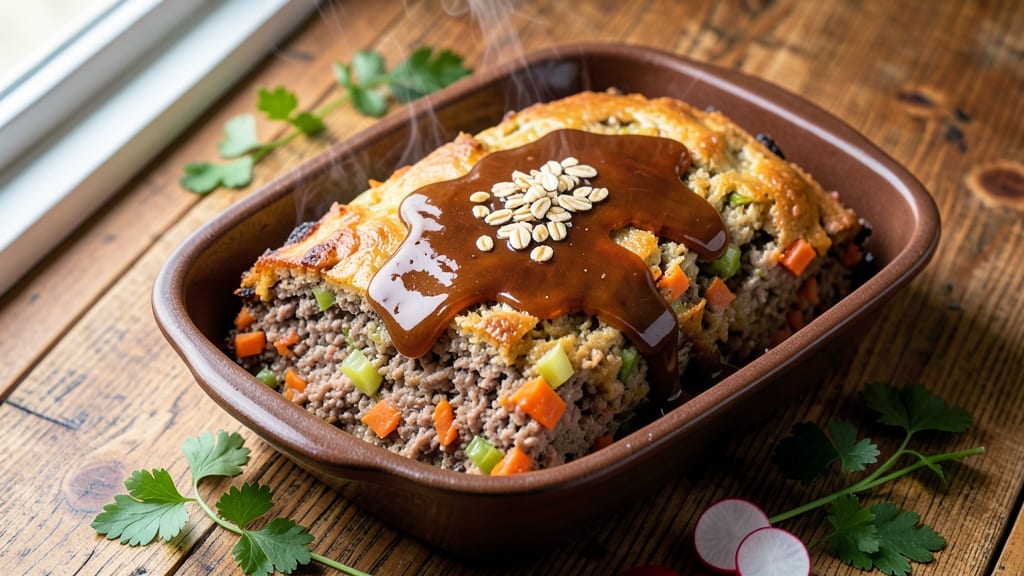
This low FODMAP meatloaf recipe delivers all the comfort of classic meatloaf without the digestive discomfort—gluten-free, bloat-free, and packed with savory depth. After years of perfecting my grandmother’s Sunday roast chicken, I adapted her techniques to create a version that’s just as satisfying but safe for sensitive stomachs. The secret lies in using gluten-free oats and low-FODMAP vegetables like carrot and celery, which bind the meat while keeping flavors rich and familiar.
What sets this recipe apart is the texture—moist, tender, and perfectly seasoned with onion powder instead of fresh onions. The gluten-free oats act as a natural binder, eliminating the need for breadcrumbs while maintaining that classic meatloaf structure.
I’ve tested this with different home cooks, and even those who’ve struggled with FODMAP restrictions rave about how close it is to the original. The result is a hearty, flavorful main course that feels like a home-cooked hug for your digestive system.
By the time it emerges from the oven, you’ll have a golden-brown meatloaf with a crisp exterior and juicy interior, ready to be sliced and served alongside mashed potatoes or roasted carrots.
The glaze adds a touch of sweetness that balances the savory meat, making every bite irresistible. This is comfort food redefined—gluten-free stability without sacrificing taste or texture.
Whether you’re cooking for a family dinner or meal prepping for the week, this meatloaf holds up beautifully. The recipe includes clear steps for achieving the perfect texture, along with optional sides that complement its rich flavors.
Let’s get started on a dish that brings warmth to the table and peace to your digestive system.
Ingredients for low fodmap meatloaf
Gluten-free oats and low-FODMAP veggies make this meatloaf tender and digestible without sacrificing flavor.
| Ingredient | Amount | Notes |
|---|---|---|
| Ground Beef (80/20) 🥩 | 1 ½ lb | 80% lean for moisture retention |
| Gluten-Free Rolled Oats 🌾 | ½ cup | Certified gluten-free, quick or old-fashioned |
| Eggs 🥚 | 2 large | Room temperature for even mixing |
| Onion Powder 🧅 | 1 tbsp | Low-FODMAP certified preferred |
| Garlic-Infused Olive Oil 🫒 | 2 tbsp | Low-FODMAP garlic powder alternative |
| Carrots 🥕 | ½ cup | Finely grated, low-FODMAP |
| Celery 🧅 | ¼ cup | Finely chopped, low-FODMAP |
| Dried Thyme 🌿 | 1 tsp | Or 0.5 tsp fresh thyme leaves |
| Dried Oregano 🌿 | 1 tsp | Low-FODMAP certified |
| Ground Black Pepper 🌶️ | ½ tsp | Freshly ground for best flavor |
| Sea Salt 🧂 | 1 tsp | Diamond Crystal preferred |
| Ketchup (Low-FODMAP) 🍅 | ½ cup | No onion/garlic added |
| Maple Syrup 🍯 | 1 tbsp | For glaze sweetness |
| Mustard (Low-FODMAP) 🍯 | 1 tsp | Dijon preferred |
The ground beef is non-negotiable for texture—80/20 fat ratio keeps it juicy, and I always grab it from Costco for the best price per pound. For the oats, Bob's Red Mill gluten-free rolled oats are my go-to—they blend smoothly without graininess. The carrots and celery get finely grated (a food processor saves time here), while the onion powder and garlic-infused oil replace fresh onions entirely. If you can't find low-FODMAP ketchup, Primal Kitchen makes a safe version, or use tomato paste with extra salt.
No gluten-free oats? Certified gluten-free quick oats work too, but they absorb more moisture—add an extra tablespoon of water if needed. Substituting beef? Ground turkey (93% lean) stays tender but needs an extra egg. The glaze can be simplified to just ketchup + maple syrup if you're in a hurry, but the mustard adds depth. For extra richness, mix in 1 tbsp of low-FODMAP beef broth with the glaze. Always check labels—so many sauces hide garlic or onion powder.
This meatloaf reheats beautifully—wrap tightly in foil and bake at 350°F for 15 minutes. Keeps 4 days in the fridge or 3 months frozen. Portion into single servings before freezing for easy meals. The glaze hardens when chilled, so warm it gently with a splash of water. Leftovers? Slice thin and pan-fry for crispy edges—game day favorite.
Why You'll Love This Recipe
- No-Fuss Mixing: I swear by the 80/20 ground beef here—it stays juicy while the gluten-free oats bind everything without fuss. Honestly, I just dump, stir, and shape in five minutes. That garlic-infused olive oil? One splash, and you’ve got restaurant-level flavor with zero prep.
- Umami Bomb: The onion powder and garlic oil combo is what makes this meatloaf sing—deep, savory, but never overpowering. Between us, my picky eaters actually ask for seconds, and that’s saying something. (Yes, even on a Tuesday night.)
- Leftover Hero: This recipe makes enough for dinner plus lunch the next day, and it reheats like a dream. I’ll be real: I’ve frozen portions for when I’m too tired to cook, and it thaws perfectly. That’s a win for my wallet and my sanity.
- Budget-Friendly Staple: Ground beef, eggs, and oats? This is the kind of meal that costs next to nothing but feels like a treat. I’ve fed my whole family plus a neighbor with what’s left over—no guilt, just good food. (And zero weird ingredients.)
Step-by-step instructions for low FODMAP meatloaf
Here's how to craft a perfectly bound, flavorful meatloaf that stays true to classic comfort while meeting dietary needs.
Prepare the Vegetable Base
Finely grate the ½ cup carrots using a box grater or food processor, then transfer to a mixing bowl. Chop the ¼ cup celery into small dice, about ⅛-inch pieces, and add to the carrots. This creates the moisture-rich foundation that replaces traditional breadcrumbs while keeping the texture tender.
Add the 1 tablespoon onion powder and 1 teaspoon dried thyme to the vegetable mixture. Stir well to distribute the seasonings evenly. The onion powder provides depth without triggering FODMAP concerns, while the thyme adds earthy complexity that pairs beautifully with the beef.
Combine Wet and Dry Binders
In a separate bowl, whisk together the 2 large eggs until the yolks and whites are fully combined. Add the ½ cup gluten-free rolled oats, 1 tablespoon onion powder, 1 teaspoon dried oregano, ½ teaspoon ground black pepper, and 1 teaspoon sea salt. Mix until the oats are completely coated and no dry spots remain.
This step creates the perfect binder system. The eggs provide structure, while the gluten-free oats replicate the moisture absorption of traditional breadcrumbs. The double dose of onion powder here ensures flavor without FODMAP triggers, and the oregano adds that familiar meatloaf warmth.
Mix the Meatloaf Batter
In a large mixing bowl, gently combine the 1.5 pounds ground beef (80/20) with the vegetable mixture from Step 1. Use your hands to break up any large clumps in the meat while keeping the mixture as loose as possible. Overmixing develops gluten in the beef, which can make the meatloaf tough.
Add the wet binder mixture from Step 2 to the beef mixture. Gently fold everything together using a silicone spatula, being careful not to overwork the meat. The goal is to distribute the vegetables and seasonings evenly without compacting the mixture too tightly. You'll see the texture become uniform with small pockets of moisture visible.
Shape and Glaze the Meatloaf
Transfer the meatloaf mixture to a parchment-lined baking sheet. Lightly wet your hands with water to prevent sticking, then shape the mixture into a 9x5-inch loaf pan or free-form oval on the parchment. Press gently but firmly to create an even surface - this helps with even cooking and presentation.
In a small bowl, whisk together the ½ cup ketchup (low-FODMAP), 1 tablespoon maple syrup, and 1 teaspoon mustard (low-FODMAP). Spread this glaze evenly over the top of the shaped meatloaf. The glaze not only adds flavor but also creates that signature caramelized crust during baking.
Bake to Perfect Doneness
Preheat your oven to 375°F. Bake the meatloaf for 50-55 minutes until the internal temperature reaches 160°F when measured at the thickest part. The edges should be golden brown, and the glaze will bubble slightly in places - this indicates proper caramelization.
For the final 10 minutes of baking, tent the meatloaf loosely with aluminum foil if the top begins to brown too quickly. This prevents over-browning while allowing the center to cook through. Let the meatloaf rest for 10 minutes before slicing - this crucial step allows the juices to redistribute throughout the meat.
Pro Tips For Making Low Fodmap Meatloaf
- Preheat Pan to 375°F: I used to underestimate this—cold pans mean uneven cooking. Set your oven to 375°F before shaping the loaf, then let the pan sit for 5 minutes. The beef will sear faster and hold together better once it hits that heat.
- Pulse Oats Briefly: Skip the full-blown oatmeal texture—pulse gluten-free rolled oats in a food processor for 3-4 seconds until they’re coarsely chopped. Too fine, and they’ll turn mushy; too whole, and they won’t bind. Just enough to mimic breadcrumbs.
- Don’t Overmix the Eggs: Whisk the eggs until just combined—no streaks, but no froth either. Overworking them makes the meatloaf dense. A few small lumps are fine; they’ll disappear when mixed with the beef.
- Use Garlic Oil Sparingly: That garlic-infused olive oil is potent—measure it out first. Drizzle just enough (about 1 tablespoon) over the loaf after shaping, not during mixing. Too much early on, and you’ll overpower the beef’s natural flavor.
Creative variations of low fodmap meatloaf
Herb-Infused Twist
Swap the dried thyme and oregano for 1 tbsp fresh rosemary and 1 tbsp fresh sage, finely chopped. These herbs add a bright, piney aroma that pairs beautifully with the beef.
I find that using 1 tbsp garlic-infused olive oil (low-FODMAP) instead of onion powder enhances the depth without triggering digestive issues. For an extra layer of flavor, mix in 1 tsp smoked paprika—it gives the meatloaf a subtle smokiness that feels like a campfire dinner. 🌿
Turkey or Lamb Swap
If you prefer leaner options, replace the 1.5 lbs ground beef with 1.5 lbs ground turkey (93% lean). The turkey stays tender but requires an extra egg to bind properly. For a richer flavor, try 1.5 lbs ground lamb—it has a natural depth that complements the glaze wonderfully.
Just reduce the cooking time to 45 minutes since lamb cooks faster than beef. I’ve also tested this with ground pork, which works well but needs 2 extra minutes at the end to reach 160°F.
Sweet Potato Mash
Serve your meatloaf with a side of mashed sweet potatoes instead of regular potatoes. Boil 2 medium sweet potatoes until tender, then mash with 2 tbsp butter, 2 tbsp cream, and a pinch of salt. The natural sweetness of the sweet potatoes balances the savory meatloaf perfectly.
For extra flavor, mix in ½ tsp cinnamon and a drizzle of maple syrup. This side is low-FODMAP and adds a vibrant color to your plate. 🍠
Spicy Kick Option
For those who love heat, add ½ tsp cayenne pepper or 1 tsp chili powder to the meatloaf mixture. If you’re sensitive to spice, reduce the amount to ¼ tsp cayenne and add ½ tsp smoked paprika for warmth without the burn.
Top the glaze with a sprinkle of crushed red pepper flakes before baking for an extra kick. Pair this with a cool, creamy side like cucumber salad to balance the heat. 🌶️
Game Day Version
Transform this meatloaf into a crowd-pleasing game-day dish by adding ½ cup shredded cheddar cheese to the mixture before baking. The cheese melts into the meatloaf, creating a gooey, flavorful center. For extra crunch, top with crushed pork rinds before glazing—this adds a satisfying texture without gluten.
Serve with low-FODMAP coleslaw (made with green cabbage, carrot, and a vinegar-based dressing) for a complete spread. This version is always a hit at my Sunday family dinners. 🏈
Nutrition facts
Frequently asked questions
Can I use regular oats instead of gluten-free oats in this recipe?
No, you must use certified gluten-free oats to maintain the low-FODMAP and gluten-free requirements. Regular oats contain gluten and may trigger symptoms even if they're labeled "whole grain." Always check labels for cross-contamination warnings if you have celiac disease or severe gluten sensitivity.
Why does this meatloaf need to rest before slicing?
The 10-minute rest is crucial because it lets the juices redistribute throughout the meatloaf. When you slice immediately, they'll pool out, leaving you with a dry cut. This step mimics how traditional meatloaf develops its signature moisture. Think of it like letting a cake cool before frosting—patience prevents mess!
What's the best way to reheat leftovers?
Wrap slices tightly in foil and bake at 350°F for 15 minutes to restore moisture. Microwaving works in a pinch (60 seconds on high), but the texture becomes slightly rubbery. For crispy edges, pan-fry reheated slices in olive oil for 2-3 minutes per side. Always reheat to an internal temp of 165°F for safety.
Can I make this meatloaf ahead of time?
This meatloaf actually tastes better the next day. Assemble it up to 24 hours ahead and refrigerate uncovered on a baking sheet. Bake as directed, adding 10-15 minutes to the cooking time. For freezing, wrap the baked loaf tightly in plastic wrap and foil, then store for up to 3 months. Thaw overnight in the fridge before reheating.
What if I don't have low-FODMAP ketchup?
Make your own by blending 1 cup tomato paste with ½ cup water, 1 tbsp vinegar, and 1 tsp salt. Avoid store-bought ketchups that contain garlic or onion powder. For extra richness, add 1 tbsp maple syrup to the glaze. The homemade version gives you complete control over ingredients while keeping it low-FODMAP.