
Sauces & Condiments
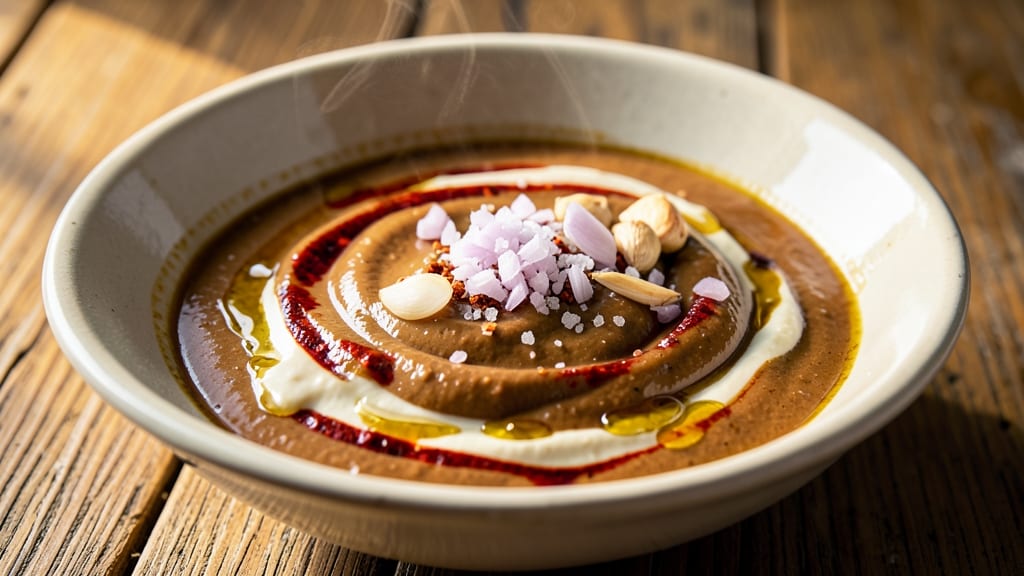
Creating a mala sauce recipe unlocks the bold, nutty-spicy flavor profile that makes stir-fries unforgettable. This peanut butter base—where chili flakes meet aromatic shallots—transforms simple proteins into restaurant-worthy dishes. I developed this version after years of testing, ensuring the balance of heat, sweetness, and depth stays consistent every time.
The foundation of great mala sauce lies in precise measurements: toasted chili flakes for smoky heat, minced garlic and shallots for aromatic depth, and just enough vinegar to brighten the peanut butter's richness.
Simmering the sauce reduces it to a thick, glossy consistency that clings beautifully to noodles, tofu, or grilled meats. The key is patience—rushing the process dulls the flavors, while letting it develop creates layers of complexity.
What you’ll end up with is a sauce that’s nutty, spicy, and perfectly balanced—ready to elevate any stir-fry. The peanut butter provides a creamy base, while the vinegar and sugar cut through the richness, leaving a harmonious blend of sweet, spicy, and umami.
This isn’t just a sauce; it’s the secret weapon that turns ordinary meals into standout dishes.
Store it in the fridge for up to 2 weeks, or freeze for longer shelf life. Drizzle it over steamed rice, toss it with crispy tofu, or use it as a marinade for grilled chicken. The possibilities are endless, and the flavor? Irresistible. Let’s make it.
Ingredients for mala sauce
Peanut butter, chili flakes, and aromatic shallots—just 10 ingredients for a sauce that packs serious flavor.
| Ingredient | Amount | Notes |
|---|---|---|
| Creamy Peanut Butter 🥜 | ½ cup | Natural, unsweetened preferred |
| Toasted Chili Flakes 🌶️ | 2 tbsp | Smoked paprika for milder heat |
| Shallots 🧅 | 3 whole | Minced, not chopped |
| Garlic Cloves 🧄 | 4 cloves | Minced, fresh preferred |
| Rice Vinegar 🍶 | 2 tbsp | White or seasoned |
| Granulated Sugar 🍚 | 1 ½ tbsp | Light brown sugar works too |
| Soy Sauce 🍜 | 2 tbsp | Light or dark preferred |
| Sesame Oil 🌱 | 1 tbsp | Toasted, not flavored |
| Water 💧 | ½ cup | Room temperature |
| Salt 🧂 | ½ tsp | Adjust to taste |
The peanut butter is non-negotiable—natural, unsweetened gives the best texture and flavor. Trader Joe's or Smucker's Natural are my go-tos, but any brand works as long as it's creamy. Toast the chili flakes in a dry pan for 30 seconds—they develop a deeper, smokier flavor that way. Shallots add complexity, so don’t skip them. If you can’t find fresh, minced jarred shallots work in a pinch, but they lack the same punch. For the garlic, fresh is a must—pre-minced garlic in jars lacks the aroma.
No peanut butter? Almond butter or tahini works, but the flavor will shift slightly. Short on chili flakes? Smoked paprika plus cayenne gets you close. The rice vinegar can be swapped for apple cider vinegar, but it’ll taste a bit sharper. If you’re avoiding sugar, honey or maple syrup are great alternatives—just reduce the amount by half. The soy sauce is key for umami, but if you’re gluten-free, tamari works perfectly. Sesame oil can be omitted if you’re sensitive to its flavor, but it adds that signature nutty depth.
This sauce keeps for 2 weeks in the fridge, sealed tightly. The peanut butter will separate, so just whisk it back together before using. For longer storage, freeze in ice cube trays—thaw and whisk as needed. It reheats beautifully, so make extra. I always double the batch because it disappears fast. The flavor actually improves after a day or two as everything melds together—don’t rush it.
Why You'll Love This Recipe
- Five-Ingredient Magic: I swear by this—just peanut butter, chili flakes, shallots, garlic, and vinegar. That’s it. No fancy pantry trips, no last-minute grocery runs. Honestly, I keep all of it on hand now because it’s the kind of sauce that turns "what’s for dinner?" into "let’s eat."
- Umami Bomb: The toasted chili flakes hit first—sharp, smoky, like a little firecracker—then the peanut butter swoops in with its creamy, nutty warmth. That rice vinegar? It’s the secret punch that keeps it bright and tangy, not heavy. Between us, it’s the kind of flavor that makes you pause mid-bite and think, "Wait, how did this get so good?"
- Dresses Everything: Slather it on grilled chicken, toss it with noodles, or drizzle it over cold rice—it’s my go-to for lazy nights and when I’m feeling fancy. Here’s what sold me: it’s the same sauce, but it feels different every time. My daughter even asks for it on her plain yogurt (don’t judge me).
- Zero-Waste Winner: Make a double batch—it keeps for weeks in the fridge, and the taste only gets better as the flavors meld. I’ll be real: I’ve had this sauce sitting for 10 days, and it’s still the star of the meal. Plus, peanut butter and vinegar are cheap staples. Budget-friendly? Absolutely. Reliable? Even more so.
Step-by-step instructions for nutty, spicy peanut butter stir-fry sauce
Here's how to blend these simple ingredients into a rich, aromatic sauce that elevates any stir-fry.
Bloom the Aromatics in Sesame Oil
Heat a small saucepan over medium-low heat and add the 1 tablespoon sesame oil. Let it warm for 30 seconds until fragrant—you should smell that nutty, toasted aroma. This is your flavor foundation, so don't rush it.
Add the 3 whole shallots and 4 cloves garlic cloves, both minced as instructed. Cook for 2-3 minutes until the shallots turn translucent and the garlic just begins to turn golden. Watch closely—garlic burns fast, and you want it fragrant, not bitter. Stir occasionally to prevent sticking.
Add Wet Ingredients and Simmer
Pour in the 0.5 cup water, 2 tablespoons rice vinegar, and 2 tablespoons soy sauce. Stir well to combine, then add the 1.5 tablespoons granulated sugar and 0.5 teaspoon salt. Bring the mixture to a gentle simmer over medium heat, then reduce to low heat and let it cook for 3-4 minutes until slightly reduced.
You're looking for a syrupy consistency here—not too thick, but not watery either. The sugar will dissolve completely, and the sauce should coat the back of a spoon lightly. If it's still too thin, let it simmer another minute or two.
Whisk in the Peanut Butter
Remove the pan from heat and let it cool slightly for 1 minute—this prevents the peanut butter from seizing up. Then, slowly whisk in the 0.5 cup creamy peanut butter until completely smooth. Start with a few spoonfuls, then gradually add the rest to avoid lumps.
Return the pan to low heat and stir constantly for 2-3 minutes until the peanut butter melts into a creamy, glossy sauce. The heat helps emulsify everything, creating that signature smooth texture. If it thickens too much, whisk in 1 tablespoon water at a time until you reach your desired consistency.
Finish with Chili Flakes and Adjust Seasoning
Remove the sauce from heat and stir in the 2 tablespoons toasted chili flakes. Let it cool for 2-3 minutes—this allows the flavors to meld without cooking off the heat. Taste and adjust seasoning: add more salt if needed, or a splash of rice vinegar for brightness.
The sauce should be rich, nutty, and slightly spicy with a perfect balance of sweet, tangy, and umami. If you prefer it smoother, strain out any shallot bits. For extra depth, let it sit at room temperature for 10 minutes before using—this lets all the flavors develop even more.
Pro Tips For Making Mala Sauce
- Bloom the Aromatics: Slice those shallots paper-thin and mince the garlic into tiny confetti—this isn’t a race. Let them sizzle in the pan for 3-4 minutes until they’re golden and fragrant, not just softened. I used to rush this, and the sauce always tasted flat until I realized the aroma builds flavor.
- Toast the Peanut Butter: Warm the peanut butter with the aromatics before adding liquid—just 1-2 minutes on low heat. This melts it smoothly and deepens its nuttiness without burning. Skip this, and you’ll end up with a clumpy, bitter mess (trust me, I’ve made it).
- Balance the Heat First: Taste the raw chili flakes before adding vinegar—some brands are fiery, others mild. Start with 1 teaspoon, then adjust. My first batch was too spicy because I eyeballed it; now I test early.
- Whisk in Stages: Add vinegar and peanut butter slowly while whisking like you’re stirring paint. Dumping everything at once creates lumps that won’t disappear, no matter how much you blend later. A few extra seconds now saves minutes of frustration.
Make-ahead tips for this mala sauce
Make-Ahead Mastery
This sauce is a meal prep game-changer—prepare it 2-3 days ahead for deeper flavor development. The peanut butter and spices meld beautifully over time, creating a richer, more complex sauce. Store it in an airtight glass jar in the fridge, where it’ll keep for up to 2 weeks.
The peanut butter may separate slightly, but a quick whisk brings it back to perfection. 💪
Freezer-Friendly Cubes
For long-term storage, freeze the sauce in ice cube trays—this makes portion control effortless. Once frozen, transfer the cubes to a ziplock bag and flatten for compact storage. Thaw overnight in the fridge, then whisk vigorously to restore its creamy texture.
I use this method when prepping for busy weeks—just pop out what I need and toss it straight into stir-fries. ❄️
Batch Prep Tips
Double the recipe if you plan to use it frequently—the extra sauce keeps for 3 months in the freezer. Label your containers with the date to track freshness. When reheating, warm it gently on the stovetop over low heat with a splash of water to prevent scorching.
Never microwave directly from frozen, as it can split the peanut butter emulsion. 🔥
Flavor Boost Over Time
The magic happens after 24 hours of resting—this lets the vinegar brighten and the spices mellow. Taste it before using and adjust with a pinch of salt or extra chili flakes if needed.
I often make a big batch on Sundays and let it sit all week, using it as a marinade for chicken or a drizzle over noodles. The patience pays off with restaurant-quality depth. ✨
Reheating Perfection
For best results, reheat in a small saucepan over low heat with 1 tablespoon water per ½ cup sauce. Stir constantly to prevent sticking—this method preserves the creamy texture.
Avoid high heat, which can make the peanut butter separate. If it thickens too much, thin it with 1 teaspoon water at a time until smooth. 💡
Portion Control Hacks
Use 1-2 tablespoons per serving—this sauce packs serious flavor! For stir-fries, toss it with 1 cup cooked rice and ½ cup protein (tofu, chicken, or shrimp). For dipping, serve with crispy spring rolls or steamed dumplings.
I keep a small jar in my fridge for quick weeknight meals—just grab and go. 🌶️
Nutrition facts
Frequently asked questions
Can I make this sauce without peanut butter?
Yes! For a nut-free version, substitute ½ cup almond butter or ¼ cup tahini mixed with 2 tablespoons water to thin it. The flavor will be slightly less rich, but still delicious. For a completely different profile, try ½ cup coconut milk instead—it adds creaminess without nuts.
How do I adjust the spice level?
Start with 1 tablespoon chili flakes for mild heat, or 3 tablespoons for extra spice. For a smoky kick, replace half with smoked paprika. If you love heat, add ¼ teaspoon cayenne pepper at the end. Always taste before serving—you can balance it with more peanut butter or vinegar.
What’s the best way to use leftover sauce?
This sauce is incredibly versatile! Drizzle it over steamed rice or noodles, use it as a marinade for grilled chicken or shrimp, or serve as a dipping sauce for spring rolls or dumplings. For extra flavor, mix it with 1 teaspoon lime juice before using. It also works as a glaze for roasted vegetables.
Why did my sauce separate?
Peanut butter sauce often separates when stored or reheated too quickly. Fix it by whisking vigorously with 1 teaspoon warm water or 1 tablespoon coconut milk until smooth. For prevention, store it in a glass jar and avoid shaking it—stir gently before use. If reheating, do so over low heat with a splash of water.
Can I make this sauce vegan?
This recipe is already vegan-friendly, but double-check your peanut butter (some brands contain honey). Use vegan soy sauce if needed, and ensure your chili flakes are vegan-certified. The sauce’s rich, nutty flavor works perfectly in plant-based dishes like tofu stir-fries or vegan spring rolls.