
Main Courses
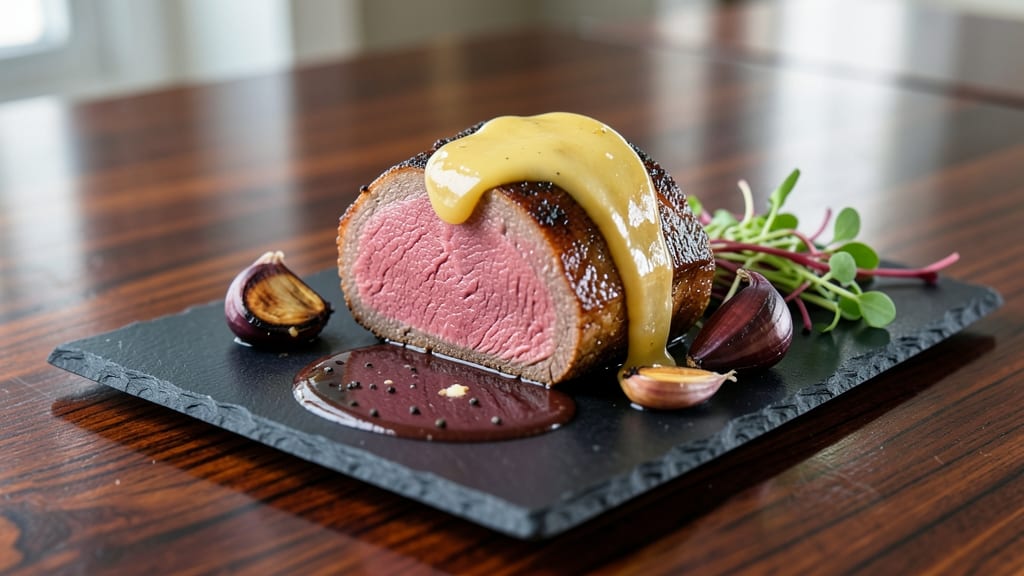
Mastering a million dollar roast beef tenderloin isn't just about the cut—it's about transforming a simple piece of meat into a showstopper that commands attention at any table.
Standing on a step stool in my grandmother's kitchen in Sicily, I learned how a perfectly seared crust and tender center could turn an ordinary meal into something extraordinary.
That lesson has stayed with me through years of cooking, and now I'm sharing the exact method I use to achieve restaurant-quality results at home.
The secret lies in precision: precise seasoning, precise temperature control, and precise timing. You'll start with a dry-brined tenderloin, ensuring maximum flavor penetration, then sear it in a hot pan to lock in juices before roasting to your desired doneness.
The crust develops through careful basting and high-heat finishing, creating that coveted caramelized exterior that's impossible to resist. This isn't just a recipe—it's a technique that will elevate your cooking game permanently.
What you'll end up with is a juicy, medium-rare center that yields to every bite, surrounded by a deep mahogany crust that's rich and slightly crisp. The aroma alone will have everyone gathering around your table, and the first slice will be met with genuine admiration.
This is the kind of roast that makes people ask where you learned to cook like this—because it's that good. The method is straightforward but requires attention to detail, which is why it delivers such professional results.
Serve it with classic accompaniments like roasted garlic mashed potatoes and a bold red wine reduction, or keep it simple with a fresh green salad. Either way, you'll have created a centerpiece that's worthy of any special occasion.
Let's get started on perfecting this technique that's been a staple in my kitchen for years.
Ingredients for million dollar roast beef tenderloin
Six ingredients transform ordinary beef into a showstopper worthy of any special table.
| Ingredient | Amount | Notes |
|---|---|---|
| Beef Tenderloin 🥩 | 4 lb | Center-cut, trimmed of fat |
| Kosher Salt 🧂 | 2 tbsp | Coarse grain for brining |
| Freshly Ground Black Pepper 🌶️ | 1 tbsp | Cracked over meat |
| Unsalted Butter 🧈 | ½ cup | Cold, cubed for basting |
| Extra-Virgin Olive Oil 🫒 | ¼ cup | High smoke point preferred |
| Garlic Cloves 🧄 | 6 whole | Smashed for basting |
| Fresh Rosemary 🌿 | ½ cup | Chopped, fresh only |
| Fresh Thyme 🌿 | ¼ cup | Leaves only, chopped |
| Red Wine 🍷 | ½ cup | Bold, dry variety |
| Beef Bone Broth 🍲 | 1 cup | Homemade or high-quality |
| Dijon Mustard 🍯 | 1 tbsp | For crust development |
| Honey 🍯 | 1 tbsp | Light variety for glaze |
| Baguette Slices 🍞 | 12 pieces | For serving, optional |
The tenderloin is everything here. Look for a center-cut roast with good marbling—Costco or Whole Foods carry excellent options, but your butcher can trim it perfectly. A 4-pound roast serves 6 generously, but go larger if you're feeding a crowd. The key is the trimmed fat cap—it renders beautifully for basting. Fresh herbs matter too: Trader Joe's often has great bundles, but your local market's should be bright green and fragrant. The rosemary and thyme can be loosely chopped—no need for precision here, just enough to smell amazing when you open the oven.
No red wine? Beef broth with a splash of balsamic works just as well. The Dijon mustard is non-negotiable for that signature crust—Grey Poupon is my go-to, but any good-quality Dijon will do. Short on honey? Maple syrup at half the amount gives similar sweetness. The butter should be cold when you cube it for basting—pull it from the fridge 15 minutes before you need it. For the bone broth, homemade is best, but store-bought like Kettle & Fire works in a pinch. The garlic? Smash those cloves with the flat side of your knife—it releases more flavor when it hits the hot pan.
This roast reheats beautifully—wrap tightly in foil and warm in a 275°F oven for 20 minutes. Leftovers keep 3-4 days in the fridge, but honestly, you'll eat it all before then. For presentation, toast the baguette slices with garlic butter while the roast rests. The crust gets better with time, so let it sit 10 minutes before slicing. If you're making ahead, brine the meat overnight—it's worth the extra time for that restaurant-quality flavor.
Why You'll Love This Recipe
- No Fancy Tools Needed: Honestly, this is the kind of recipe where you don’t need a fancy kitchen. Just a tenderloin, some butter, and a cast-iron skillet—no fancy gadgets required. The beef cooks itself to perfection while you baste it with melted butter and olive oil, and honestly, that’s about it.
- Rich, Buttery Perfection: That final basting with butter and a crack of pepper? Chef’s kiss. The tenderloin stays juicy inside with a crispy, golden crust—no dry edges here. It’s the kind of flavor that makes you think, “Why did I ever settle for deli meat?”
- Leftovers That Shine: I always make extra because the next day’s sandwiches or salads taste just as good. Slice it thin, layer it with arugula and prosciutto, and drizzle with balsamic—suddenly, you’ve got a meal that feels fancy but takes five minutes.
- Budget-Friendly Luxury: A tenderloin might sound pricey, but it’s way cheaper than takeout. For the same cost of a mediocre steakhouse meal, you get a dish that feels like a splurge—just with none of the markup. Plus, it’s the kind of meal that makes people think you’re a pro.
Step-by-step instructions for million dollar roast beef tenderloin
Here's how to transform a simple beef tenderloin into showstopping centerpiece perfection.
Prep and Season the Beef Tenderloin
Remove the beef tenderloin from the refrigerator and let it sit at room temperature for 30 minutes before cooking. This ensures even cooking throughout. Pat the surface completely dry with paper towels—this step is crucial for that beautiful caramelized crust we're after. You want the surface completely moisture-free.
In a small bowl, combine the 2 tablespoons kosher salt and 1 tablespoon freshly ground black pepper. Using your hands, rub this mixture all over the beef tenderloin, pressing firmly to create a flavorful crust. This seasoning will penetrate the meat slightly during the cooking process, enhancing the flavor from the inside out. Don't skip this step—it makes all the difference in flavor development.
Create the Herb Butter Basting Mixture
In a small saucepan, melt together the ½ cup unsalted butter over low heat. Once melted, remove from heat and stir in the 6 smashed garlic cloves, ½ cup chopped fresh rosemary, and ¼ cup chopped fresh thyme. Let this mixture cool slightly while you prepare your roasting pan.
Here's the thing—this herb butter will baste your tenderloin throughout the roasting process, keeping it moist and adding incredible flavor. The garlic and herbs infuse into the butter while it cools, creating a fragrant compound that will elevate every bite. Keep this mixture at room temperature until you're ready to baste the meat during roasting.
Roast to Perfect Medium-Rare
Preheat your oven to 425°F. Place the seasoned beef tenderloin on a rack set inside a roasting pan. The rack allows heat to circulate evenly around the meat, preventing steam buildup that could make the crust soggy. Roast for 20 minutes to begin searing the exterior.
After the initial 20 minutes, reduce the oven temperature to 325°F. This is where the magic happens—we want to cook the tenderloin slowly to ensure a juicy center while maintaining that beautiful crust. Continue roasting for approximately 30-40 minutes, or until the internal temperature reaches 125°F for medium-rare. Use a meat thermometer to check the temperature—this is the only reliable way to ensure perfect doneness every time.
Baste and Glaze for Caramelized Crust
About 15 minutes before the tenderloin reaches your desired temperature, remove it from the oven and brush it generously with the herb butter mixture. Return it to the oven for 5 minutes to allow the butter to melt and begin caramelizing. This basting step is what creates that signature million-dollar crust.
In a small saucepan, combine the ½ cup red wine, 1 cup beef bone broth, 1 tablespoon Dijon mustard, and 1 tablespoon honey. Bring to a simmer over medium heat until slightly reduced by about ¼ cup. Brush this glaze all over the tenderloin, then return it to the oven for the final 5-10 minutes of cooking. The glaze will create a beautiful caramelized crust while keeping the interior moist and flavorful.
Rest and Serve with Confidence
Once the tenderloin reaches 125°F internally, remove it from the oven and transfer it to a cutting board. Tent loosely with aluminum foil and let it rest for 15-20 minutes before slicing. This resting period is absolutely critical—it allows the juices to redistribute throughout the meat, ensuring each slice is as tender and juicy as possible.
Slice the beef tenderloin into 1-inch thick medallions against the grain for maximum tenderness. Serve immediately with the 12 pieces baguette slices on the side for soaking up those delicious pan juices. The result should be a perfectly pink center with a beautifully caramelized crust that will impress even the most discerning guests.
Pro Tips For Making Million Dollar Roast Beef Tenderloin
- SEAR HOT AND FAST: Get that pan screaming hot—like, blue-flame-on-the-gas-stove hot—before adding the tenderloin. I used to linger, and the butter would just melt into a sad, greasy pool instead of that golden crust. Two minutes max per side, then move it to the oven before the butter turns into soup.
- SALT THE NIGHT BEFORE: Tenderloin is lean, and salt draws out moisture. Season it generously with kosher salt at least 12 hours ahead, then pat it very dry before cooking. Yes, it’ll look weird and glistening—good. That’s how you lock in flavor, not turn your roast into a soggy brick.
- DON’T PEEK AT TEMPS: The internal thermometer is your only friend here. Resist the urge to open the oven door mid-cook—every peek drops the temp and turns your crust into a sad, limp thing. Once it hits 125°F for medium-rare, pull it out and let it rest. Trust the math, not your eyes.
- BUTTER SLATHER, NOT DOTS: After searing, slather that unsalted butter thickly over the roast—like you’re frosting a cake—before it goes in the oven. Thin dots won’t give you that rich, caramelized crust. And for the love of all things holy, don’t skip the olive oil in the pan first. Butter alone will burn.
Regional styles of these flavors
Classic French Au Jus
My grandmother would always say a perfect roast deserves its own gravy. The French approach to this tenderloin is legendary—simply reduce 1 cup beef bone broth with 2 tbsp red wine vinegar and 1 tbsp Dijon mustard until thickened.
I like to add a splash of brandy for depth, but skip it if you're serving to kids. Strain the pan juices through a fine-mesh sieve, then simmer the reduced broth with the strained juices until glossy.
Serve it in a small gravy boat alongside each medallion—trust me, that first spoonful is pure magic. 🍷
Southern Smoked BBQ Style
If you're in the South, why not give it a smoky twist? After searing the tenderloin, transfer it to a cold smoker set to 225°F and add hickory wood chips for that classic BBQ aroma.
Cook until it hits 125°F internally, basting occasionally with apple cider vinegar mixed with 1 tbsp brown sugar. Finish with a glaze of ½ cup BBQ sauce and 1 tbsp honey brushed on during the last 10 minutes.
Serve with pickles and coleslaw for that authentic Southern spread. 🔥
Italian Herb-Crusted Tradition
Inspired by my Sicilian roots, I love wrapping the tenderloin in a blanket of herbs before roasting. After seasoning, press ½ cup chopped rosemary, ¼ cup chopped thyme, 3 minced garlic cloves, and 1 tbsp olive oil directly onto the surface.
Wrap it loosely in aluminum foil and roast as usual. The herbs infuse beautifully into the meat, creating a fragrant crust without needing extra glaze. Finish with a drizzle of reduced balsamic glaze for a touch of sweetness. 🌿
American Rustic Potato Pan
For a true American twist, roast the tenderloin alongside 2 lbs baby potatoes halved and tossed in 2 tbsp olive oil, 1 tsp garlic powder, and ½ tsp smoked paprika. Place the tenderloin on top of the potatoes in the roasting pan, then cover loosely with foil.
This method lets the potatoes absorb the beef's juices while cooking, creating a hearty, one-pan meal. Serve with a side of green beans almondine for balance. 🥔
Asian-Inspired Sesame Crust
Who says tenderloin can't travel? For an Asian-inspired version, after seasoning the beef, create a crust of 2 tbsp toasted sesame seeds, 1 tbsp grated ginger, and 1 tbsp soy sauce. Press this mixture onto the surface and roast as usual.
During the last 10 minutes, brush with a mix of 2 tbsp hoisin sauce and 1 tbsp honey. Serve with steamed bok choy and jasmine rice for a fusion feast that's anything but ordinary. 🌶️
Nutrition facts
Frequently asked questions
Why does the recipe emphasize letting the beef sit at room temperature before cooking?
Letting the beef rest at room temperature for 30 minutes ensures even cooking throughout. Cold meat cooks unevenly—starting from the outside while the center remains frozen. This step guarantees a perfectly medium-rare center without dry edges. Trust me, it's the difference between good and showstopping!
What if I don't have a meat thermometer? How can I tell when the roast is done?
While a thermometer is ideal, you can use the finger test: Press the thickest part of the meat gently with your index finger. If it feels slightly soft but still offers resistance (like pressing a firm mattress), it's likely medium-rare. For medium, it should feel more yielding. Just be cautious—overcooking is easy without precise temperature control!
Can I make this roast ahead of time for a party?
Cook the tenderloin as directed, then refrigerate it unwrapped for up to 24 hours. When ready to serve, reheat it in a 275°F oven for 20-30 minutes, basting with pan juices halfway through. The crust will crisp up beautifully, and the meat stays juicy. Just slice right before serving!
What’s the best way to use the pan juices after cooking?
Strain the juices through a fine-mesh sieve to remove any bits, then reduce them on the stove for 5-7 minutes to thicken. This makes an incredible au jus for serving alongside the beef. If you prefer, mix in a splash of red wine or beef broth for extra depth. Every drop is pure flavor—don’t waste it!
Is it okay to skip the herb butter basting step?
While the roast will still cook, the herb butter adds layers of flavor that elevate it from good to extraordinary. The garlic, rosemary, and thyme infuse into the meat during basting, creating a fragrant crust and moist interior. Skip it if you're short on time, but trust me—your guests will notice the difference!