
Main Courses
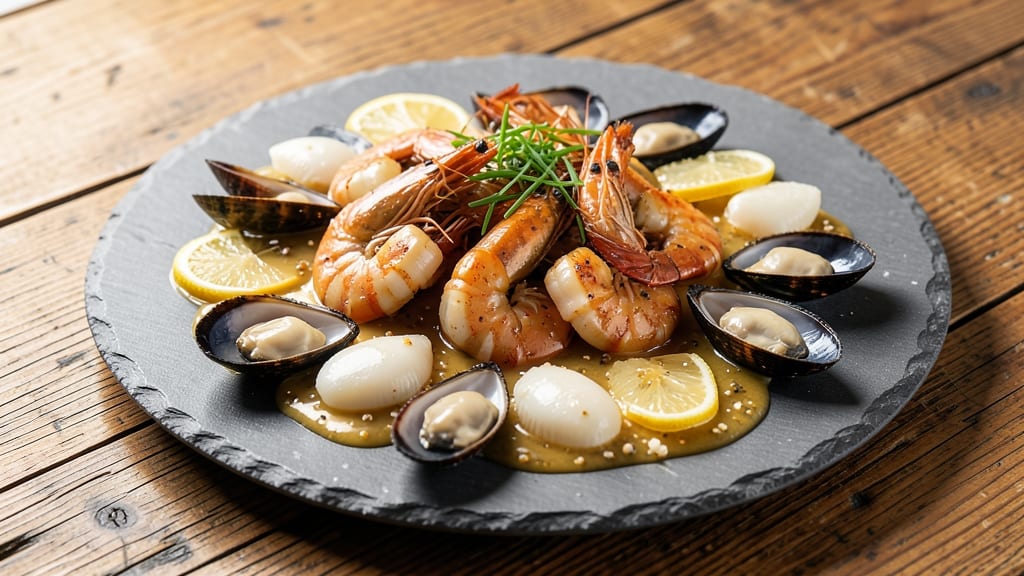
This mixed seafood recipe turns shrimp, scallops, and mussels into a restaurant-worthy one-pan lemon-garlic butter sizzle—no fuss, just flavor. After years of testing seafood recipes in my tiny Boston kitchen, I finally cracked the code for balancing textures and flavors in under 30 minutes.
The secret lies in a garlic butter base that caramelizes while the seafood cooks—creating a sauce that clings to every bite.
What makes this recipe stand out is its versatility. You can grill it for smoky depth, sauté it for a quick weeknight meal, or simmer it in a light broth for a stew-like experience.
The lemon brightens the rich butter and garlic, cutting through any fishiness while keeping the seafood tender. I’ve perfected this method to handle different seafood combinations—whether you’re using shrimp, scallops, mussels, or a mix of all three.
By the time you’re done, your pan will smell like a coastal bistro, and your plate will feature perfectly cooked seafood with crispy edges and a sauce so flavorful it’ll disappear faster than you can say "second helping."
The best part? Minimal cleanup—just one pan to wash, and you’re free to enjoy your meal. This is the kind of dish that turns a simple dinner into something special without requiring a culinary degree.
Pair it with crusty bread to soak up the sauce, a crisp white wine, or even a bright lemony salad for balance. The possibilities are endless, but the execution is foolproof. Let’s get cooking—your taste buds will thank you.
Ingredients for mixed seafood
Fourteen ingredients, one pan, and a sauce that'll make your kitchen smell like a seaside bistro.
| Ingredient | Amount | Notes |
|---|---|---|
| Large Shrimp (Peeled and Deveined) 🦐 | 1 lb | About 16-20 count, tail-on preferred |
| Fresh Scallops 🦪 | 12 whole | Dry-packed, about 1 oz each |
| Fresh Mussels 🦪 | 1 lb | Debearded, about 20-25 mussels |
| Unsalted Butter 🧈 | ½ cup | Cold, cut into 8 pieces |
| Garlic Cloves 🧄 | 8 cloves | Minced, fresh preferred |
| Lemon Juice 🍋 | ¼ cup | Freshly squeezed, about 2 lemons |
| Zest of 1 Lemon 🍋 | 1 tbsp | Fine, bright yellow |
| Dry White Wine 🍷 | ½ cup | Sauvignon Blanc or Pinot Grigio |
| Fresh Parsley 🌿 | ¼ cup | Chopped, flat-leaf preferred |
| Sea Salt 🧂 | 1 ½ tsp | Kosher or fine grain |
| Ground Black Pepper 🌶️ | ½ tsp | Freshly ground |
| Olive Oil 🫒 | 1 tbsp | Light, for preheating pan |
| Fresh Thyme Leaves 🌿 | ½ tsp | Or 1/4 tsp dried thyme |
| Red Pepper Flakes 🌶️ | ¼ tsp | Optional, for heat |
The seafood is where the magic happens, so quality matters. Grab shrimp with tails on—they stay put better while cooking, and the tail adds a fun presentation touch. For scallops, ask your fishmonger for dry-packed (not wet-packed), and use them within a day or two. Mussels should be closed and fresh-smelling—discard any that are open or cracked. I usually hit Whole Foods or my local seafood market for these, but the frozen section at Trader Joe's works in a pinch. The butter? Use European-style unsalted—it's richer and doesn't need extra salt. Store your seafood in the coldest part of the fridge and use within 2 days for best texture.
No white wine? Substitute seafood stock with a splash of lemon juice—it won't be identical, but you'll still get that bright, briny flavor. Fresh parsley? Dried works at one-third the amount, but fresh is worth it if you're using it for garnish. Short on thyme? Dried oregano at half the amount gives a similar earthy note. The red pepper flakes are optional, but I always keep them on hand—just a pinch adds depth without overpowering. For the lemon, zest more than juice—it brightens everything up. And if you're using frozen seafood, thaw it in the fridge overnight (not under running water—it turns mushy).
This dish reheats beautifully—just warm it gently in the pan with a splash of water or broth. The sauce thickens as it cools, so add a splash of water or wine if it seems too dry when reheating. Store leftovers in an airtight container for up to 2 days—though honestly, it disappears that fast. For a crowd, double the recipe and use a larger pan. The butter sauce freezes well too, but the seafood itself isn't ideal for freezing—best enjoyed fresh. Keep the thyme and parsley in the fridge wrapped in damp paper towels for up to 5 days.
Why You'll Love This Recipe
- One-Pan Magic: I swear by this—just toss everything on a single sheet pan, melt that butter with garlic, and let the heat work its magic. No chopping, no fussing, no extra dishes. That’s my kind of cooking.
- Butter-Garlic Bliss: The moment those scallops hit the pan with the shrimp and mussels? Pure flavor payoff. The butter bastes everything in that rich, garlicky goodness—crispy edges on the shrimp, tender mussels, and scallops that caramelize just enough to make you close your eyes.
- Weeknight or Date Night: Honestly, this recipe doesn’t care what you’re calling it. Weeknight dinner? Check. Fancy enough for company? Double-check. The mussels steam open, the shrimp sizzles—it’s effortless but feels special, no matter the occasion.
- Leftovers? More Like Leftovers Never: Between us, I’ve never had leftovers last more than a day—but that’s okay. The flavors only get better the next time around. Reheat in a skillet with a splash of white wine, and suddenly, it’s lunch again. Minimal waste, maximum satisfaction.
Step-by-step instructions for one-pan lemon-garlic butter sizzle
This seafood masterpiece comes together in one pan with bold flavors and minimal fuss.
Prep and Season the Seafood
Start by patting the 1 lb large shrimp (peeled and deveined) and 12 whole fresh scallops completely dry with paper towels. This step is crucial—any moisture will prevent proper browning. Arrange them on a plate and season generously with 1.5 tsp sea salt and 0.5 tsp ground black pepper, tossing gently to coat evenly. Set aside.
For the mussels, give the 1 lb fresh mussels a quick rinse under cold water to remove any debris, then scrub each shell with a stiff brush. Pull off the beard (that little thread) from each mussel and discard. You'll want to discard any mussels that are open or have broken shells—they won't cook properly. Keep the good ones in the shell.
Build the Flavor Base in the Pan
Heat a large, deep skillet over medium-high heat until hot. Add the 1 tbsp olive oil and swirl to coat the bottom evenly. Once the oil shimmers, add the 0.5 cup unsalted butter cut into pieces. Let it melt completely, about 1 minute, until the butter foams and smells rich and nutty.
Add the 8 cloves minced garlic cloves, 0.5 tsp fresh thyme leaves, and 0.25 tsp red pepper flakes. Stir constantly for 30 seconds—this prevents the garlic from burning while infusing the butter with aromatic flavors. The mixture should smell intensely garlicky and slightly spicy. Immediately add the 1 tbsp zest of 1 lemon and stir for another 10 seconds to brighten the flavors.
Cook the Shrimp and Scallops
Working in batches to avoid crowding, add half of the seasoned shrimp and scallops to the skillet. Cook undisturbed for 1-2 minutes until the shrimp curls slightly and the scallops develop a golden crust on the bottom. You'll see the edges start to crisp—that's your signal to flip. Cook another 30-60 seconds until the shrimp turns opaque and the scallops are firm to the touch.
Remove the cooked seafood to a plate and repeat with the remaining shrimp and scallops. Keep them warm while you finish the mussels. The key here is not to overcook—the shrimp should be just opaque in the center, and the scallops should still have a slightly translucent center when done.
Steam and Finish the Mussels
Pour in the 0.5 cup dry white wine and scrape up any browned bits from the bottom of the pan with a wooden spoon. Add the 0.25 cup lemon juice and bring the mixture to a gentle simmer. Carefully add the mussels, arranging them in a single layer, and cover the skillet tightly with a lid.
Steam the mussels for 5-7 minutes until they open completely. Discard any mussels that remain closed—they didn't cook properly. The cooking time is critical here: you want the mussels to open fully, but not overcook and become rubbery. Once all the mussels have opened, remove them from the pan and set aside.
Combine and Serve
Return all the seafood to the skillet and spoon the flavorful wine-lemon butter sauce over the top. Toss gently to coat everything evenly. The sauce should be glossy and infused with the bright lemon and garlic flavors. If it's too thick, add a splash of water or pasta water to loosen it slightly.
Divide the seafood among four plates, spooning the sauce generously over each serving. Garnish with the 0.25 cup chopped fresh parsley just before serving. Each bite should deliver tender shrimp, sweet scallops, and briny mussels all bathed in a rich, buttery lemon-garlic sauce. Serve immediately with crusty bread to soak up every last drop of that delicious sauce.
Pro Tips For Making Mixed Seafood
- Cook Scallops First: Scallops take 90 seconds flat—start them in a screaming-hot pan with just butter and garlic while you prep the rest. By the time shrimp and mussels are ready, they’ll be golden and tender, not rubbery. (Yes, even if you’re impatient like me.)
- Test Mussels Before Cooking: Tap them on the counter—any that don’t close when tapped are dead. Discard those immediately. Fresh mussels should snap shut when you tap them; if they stay open, they’ll ruin your dish with grit and bad flavor. (Trust me, you’ll taste the difference.)
- Don’t Overcrowd the Pan: Shrimp and scallops need space to sear, not steam. Cook them in batches if needed—even if it means two pans. Crowding turns them soggy and dulls the crust. (This isn’t the prettiest method, but it’s the tastiest.)
- Deglaze with Wine or Stock: After searing the seafood, splash in ¼ cup white wine or seafood stock to scrape up the garlic butter bits. Let it reduce by half—this adds depth without extra effort. (Your future self will thank you.)
Common mistakes when making great mixed seafood
Overcrowding the Pan
This is my biggest rookie mistake when cooking seafood—packing too much in the pan at once. When you overcrowd, the shrimp and scallops steam instead of sear, resulting in soggy textures and uneven cooking.
I learned this the hard way when my first attempt left me with rubbery scallops and pale shrimp. The rule is simple: cook in batches—never more than half the pan at a time. This ensures proper browning and even cooking. 🔥
Skipping the Dry
Moisture is the enemy of crispy seafood. If you skip patting your shrimp and scallops completely dry, they'll release water into the pan, diluting your garlic butter sauce and preventing that golden crust from forming.
I keep paper towels right next to my cutting board and work quickly to dry everything before seasoning. Trust me, the difference is night and day—crispy edges versus sad, limp seafood.
Ignoring Mussel Freshness
Fresh mussels are non-negotiable for this recipe. If you use old or bad mussels, they won't open properly and can even make you sick. I've made this mistake twice—once with mussels that smelled slightly off, and another time with ones that were past their prime.
Always give them a sniff test (they should smell briny, not fishy) and tap them on the counter—they should close when tapped. Discard any that are open or cracked before cooking. Safety first!
Burning the Garlic
Garlic is the star of this dish, but it can turn bitter if you're not careful. I've seen people let it sit too long in the pan, turning it from aromatic to burnt.
The trick is to add it just before the butter melts completely and stir constantly for only 30 seconds. If you smell that sharp, acrid garlic scent, you've gone too far. Remove from heat immediately and add the lemon zest to cut through any bitterness.
The sauce should smell sweet and fragrant, not harsh. 🧄
Undercooking or Overcooking
Seafood has a narrow window between perfect and ruined. Shrimp should be just opaque in the center (about 1-2 minutes per side), scallops should have a firm, slightly translucent center (30-60 seconds per side), and mussels need to open fully (5-7 minutes steaming).
I use a timer and check frequently—overcooked seafood turns tough and dry. For scallops, I cut into one to test: if the center is opaque, it's done. If it's still translucent, keep cooking.
Neglecting the Sauce
The sauce is what ties everything together, and I've seen people rush this step. After cooking the mussels, don't just toss everything together—let the wine and lemon reduce slightly to concentrate the flavors. If the sauce is too thin, reduce it for 1-2 minutes uncovered.
And always finish by tossing the seafood gently in the pan to coat it evenly. The sauce should cling to every bite, not pool at the bottom of the plate. This is where the magic happens! 💫
Nutrition facts
Frequently asked questions
Can I substitute frozen seafood in this recipe?
Fresh is ideal, but frozen works in a pinch! Thaw shrimp, scallops, and mussels overnight in the fridge (never at room temperature). Pat them completely dry before cooking—any ice crystals will dilute your sauce. Mussels should be fully thawed and still closed before using. For best texture, use high-quality frozen seafood labeled "sustainably caught."
What if I don't have white wine?
No problem! Use ½ cup seafood stock plus 1 tbsp lemon juice for depth, or dry white wine vinegar (reduce by half). For a non-alcoholic option, mix ½ cup chicken broth with 1 tbsp lemon juice. The key is acidity—it brightens the butter and balances flavors. The sauce will still be delicious!
How do I know when scallops are perfectly cooked?
Scallops should be firm to the touch with just a slightly translucent center—like a cloudy window. Cut one open: if it's opaque all the way through, it's overdone. For whole scallops, they'll develop a golden crust on the bottom and curl slightly at the edges. Cook in batches for 30-60 seconds per side—they finish cooking off the heat!
Can I make this ahead of time?
Cook the seafood fresh, but you can prep components ahead! Make the garlic-butter base (without seafood) and store it in the fridge for 1 day. Reheat gently, then add fresh seafood. For mussels, shuck them and store in the shell with a damp towel in the fridge for 4 hours max. The sauce reheats beautifully—just add a splash of water or wine to loosen it.
What's the best seafood combo for this recipe?
This recipe works with any mix of shrimp, scallops, mussels, clams, or even calamari. For texture contrast, pair shrimp (firm) with scallops (tender) and mussels (briny). Avoid mixing delicate fish like sole—it overcooks easily. My go-to is shrimp + scallops + mussels for the perfect balance of textures and flavors.