
Main Courses
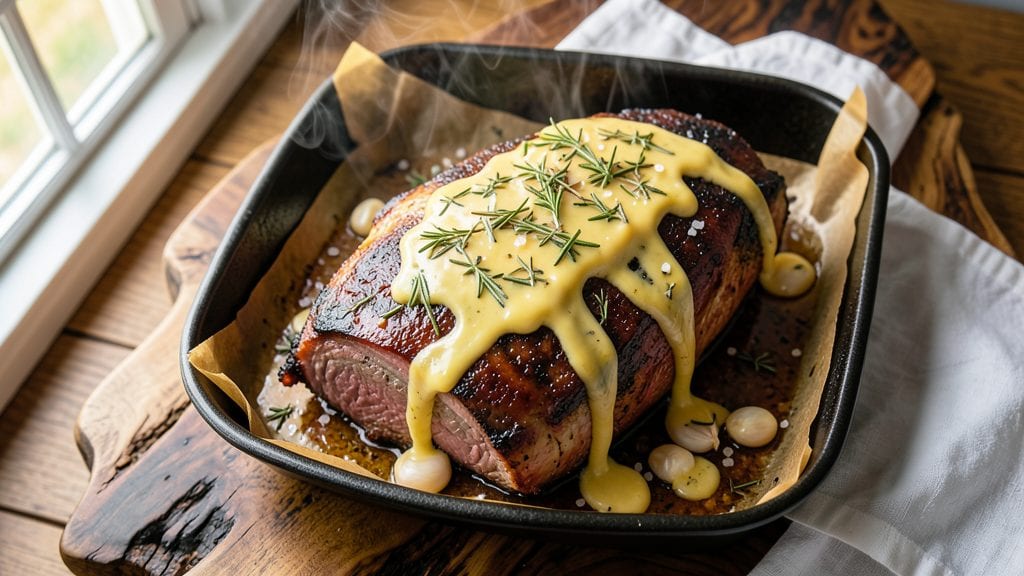
Mastering a no-bone prime rib roast with juicy pink centers and a herb-crusted crisp is the kind of cooking moment that makes holidays feel special—even on a Tuesday.
Standing in my Boston kitchen, I’ve perfected this technique after years of testing, ensuring the crust stays golden and shatteringly crisp while the inside remains tender and perfectly rare. The secret lies in precise temperature control and a methodical approach that transforms a simple cut of beef into something restaurant-worthy.
This recipe delivers that coveted combination of textures and flavors through a high-heat sear followed by a slow finish, all while keeping the internal temperature between 120–125°F for medium-rare perfection. The herb crust isn’t just for show—it adds depth and aroma that elevates every bite.
With just a few key ingredients and careful timing, you’ll achieve a roast that looks impressive and tastes even better, without the fuss of bone-in cuts.
By the time you pull this prime rib from the oven, you’ll have a center-cut roast with a crackling crust and a juicy, pink interior that melts in your mouth. The herb crust clings perfectly, adding layers of flavor that make each slice worth savoring.
This is the kind of dish that turns a simple dinner into an occasion—no fancy plating required. Let’s get started on creating your showstopper.
Pair it with classic sides like roasted garlic mashed potatoes or a crisp green salad to complete the meal. The roast’s richness pairs beautifully with bold flavors, making it a versatile centerpiece for gatherings or a special night in.
Trust me, this method works every time—I’ve tested it in my small Boston kitchen with great results, so you can too.
Ingredients for no bone prime rib roast
Six ingredients transform a simple beef roast into showstopping holiday-worthy prime rib.
| Ingredient | Amount | Notes |
|---|---|---|
| No-Bone Prime Rib Roast 🥩 | 4 lb | Center-cut, 1.5-inch thick |
| Unsalted Butter 🧈 | ½ cup | Cold, cubed for crust |
| Fresh Rosemary 🌿 | ¼ cup | Finely chopped, stems removed |
| Fresh Thyme 🌿 | ¼ cup | Leaves only, stems removed |
| Garlic Cloves 🧄 | 6 cloves | Minced, fresh preferred |
| Coarse Kosher Salt 🧂 | 2 tbsp | Diamond Crystal preferred |
| Freshly Ground Black Pepper 🌶️ | 1 tbsp | Freshly cracked preferred |
| Extra-Virgin Olive Oil 🫒 | 2 tbsp | For searing |
| Red Wine 🍷 | ½ cup | Dry, bold variety |
| Beef Consommé 🍲 | 1 cup | Homemade or high-quality |
| Balsamic Vinegar 🍶 | 1 tbsp | For deglazing |
| Cornstarch 🌾 | 1 tbsp | For thickening pan juices |
| Au Jus Gravy 🥄 | ½ cup | Store-bought or homemade |
The beef is everything—center-cut, no-bone prime rib is non-negotiable here. I always order mine from D'Aguilar or Whole Foods because their cuts are perfectly trimmed and consistent. Look for a roast that’s about 1.5 inches thick—thinner pieces can dry out during the crust phase. If your butcher doesn’t have no-bone, ask for a center-cut prime rib with the bone removed. The fresh herbs? Trader Joe's sells pre-chopped rosemary and thyme in those little jars, but I grab whole stems and chop them myself—the flavor difference is noticeable. For the garlic, fresh is a must—jarred garlic has no depth. And trust me on the Diamond Crystal kosher salt. It dissolves better than table salt and makes all the difference in the crust.
No red wine? Dry white wine or beef broth with a splash of balsamic works in a pinch. Running out of fresh thyme? Dried thyme at half the amount gets you close, but it won’t have that same bright aroma. The beef consommé can be swapped for high-quality beef broth, but don’t use water—it’ll make the crust taste flat. For the crust, I always use cold butter (take it out of the fridge 10 minutes before using) because it creates those perfect golden shards. And if you’re feeling fancy, add a pinch of smoked paprika to the crust mix for extra depth. The cornstarch is key for thickening the pan juices—don’t skip it if you want that silky gravy.
This roast is best served immediately, but leftovers reheat beautifully in a 350°F oven for 15 minutes, covered loosely with foil. The crust loses its crispness if you refrigerate, so eat it within 2 days if you’re not freezing. For longer storage, wrap tightly in butcher paper (not plastic—it traps moisture) and freeze for up to 3 months. The herb crust keeps best if you make it fresh, but you can prep the dry ingredients ahead. Just mix the butter, herbs, salt, and pepper right before using. The au jus gravy? Make extra—it’s perfect for drizzling over the slices or serving on the side.
Why You'll Love This Recipe
- No-Chop Required: I swear by this—just three herbs, a slab of butter, and garlic. No mincing, no fussing with bones, just rubbing and roasting. My hands stay clean, and the result? Still restaurant-worthy.
- Butter-Basted Magic: That crispy rosemary crust? Pure satisfaction. The butter bastes so easily—just tilt the pan, let it melt, and watch it caramelize. Every bite has that rich, herby depth without tasting like you slaved over it.
- Weeknight or Holiday: Between us, this is my go-to for both. Toss it in the oven while I chop veggies, and it’s done by the time mashed potatoes finish. Or? Yeah, it’s also the star of my Thanksgiving table. No apologies.
- Leftovers That Shine: Cold slices the next day? Still tender, still packed with flavor. I repurpose it into sandwiches, hash, or even a quick beef stroganoff. Honestly, I make it bigger than needed just for this reason.
Step-by-step instructions for no-bone prime rib roast recipe
Here's how to achieve that perfect balance of juicy pink centers and herb-crusted crisp every time.
Prepare the Herb Butter Crust
In a mixing bowl, combine the 0.5 cup unsalted butter with the 0.25 cup fresh rosemary, 0.25 cup fresh thyme, 6 cloves minced garlic, 2 tablespoons coarse kosher salt, and 1 tablespoon freshly ground black pepper. Mix until the butter is fully incorporated and the herbs are evenly distributed. The mixture should look like a thick, fragrant paste.
Spread this herb butter mixture evenly over the entire surface of the 4 lb no-bone prime rib roast, including all sides and the cut edges. Press it gently but firmly into the meat so it adheres well. This creates that signature crust while keeping the interior juicy. Let the roast sit at room temperature for 30 minutes before cooking to ensure even cooking throughout.
Sear the Prime Rib for Maximum Flavor
Preheat your oven to 450°F. Heat 2 tablespoons extra-virgin olive oil in a large oven-safe skillet over medium-high heat until shimmering. Place the seasoned prime rib roast in the skillet, fat-side down, and sear for 4-5 minutes until the bottom develops a deep golden brown crust. Flip the roast carefully and sear the other side for another 4-5 minutes.
This initial searing step is crucial for creating that beautiful crust while locking in juices. You'll know it's ready when the meat releases easily from the skillet and the crust has a rich, caramelized color. Transfer the skillet to the preheated oven, fat-side up, and continue roasting.
Roast to Perfect Medium-Rare
Roast the prime rib for 15-18 minutes at 450°F, then reduce the oven temperature to 325°F. Continue roasting for an additional 25-30 minutes, or until the internal temperature reaches 125°F when measured with a meat thermometer inserted into the thickest part of the roast. This should give you that perfect medium-rare doneness with juicy pink centers.
Here's the thing—don't overcook! The roast will continue cooking slightly after you remove it from the oven. For a 4 lb roast of this thickness, this timing should give you ideal results. If you prefer a different level of doneness, adjust the final temperature accordingly (130°F for medium, 135°F for medium-well).
Create the Pan Sauce
While the prime rib rests, remove the skillet from the oven and place it on the stovetop over medium heat. Pour in the 0.5 cup red wine and scrape up all the browned bits from the bottom of the skillet with a wooden spoon. This deglazing step captures all that concentrated flavor.
Add the 1 cup beef consommé and 1 tablespoon balsamic vinegar, then bring to a gentle simmer. In a small bowl, whisk together 1 tablespoon cornstarch with 2 tablespoons cold water, then stir this mixture into the pan sauce. Simmer for 2-3 minutes until the sauce thickens to a glossy consistency. Remove from heat and stir in the 0.5 cup au jus gravy.
Rest and Serve
Transfer the prime rib roast to a cutting board and let it rest for 15-20 minutes before slicing. This resting period is absolutely crucial—it allows the juices to redistribute throughout the meat, ensuring each slice remains moist and flavorful. Tent loosely with foil if you're serving immediately.
Slice the prime rib against the grain into 1-inch thick slices. Serve immediately with the pan sauce spooned over the top. The result should be a beautiful presentation with that perfect herb-crusted exterior and succulent pink interior. Each bite should deliver rich beef flavor, aromatic herbs, and a velvety sauce that ties everything together.
Pro Tips For Making No Bone Prime Rib Roast
- Sear at 450°F First: I learned this the hard way—skipping the high-heat sear means your prime rib stays bland no matter how much butter you slather on later. Crank your oven to 450°F for 15 minutes with the roast uncovered, then drop to 325°F. That crust locks in flavor better than any herb rub ever could.
- Butter the Outside Only: Slathering butter inside the roast just makes it greasy and unevenly cooked. Focus on the outside—about 2 tablespoons of softened unsalted butter, spread thinly over the entire surface before searing. The herbs and garlic will stick to it like glue, and you’ll get that golden, flavorful crust without wasting butter.
- Don’t Skip the Rest: I know, I know—you’re starving and the meat looks perfect. But cutting into prime rib too soon turns it from tender to sad. Let it rest a solid 15-20 minutes under foil before slicing. The juices redistribute, and the slices stay thick and juicy instead of pooling on your plate.
- Smash Those Herbs: Whole sprigs of rosemary and thyme look pretty but won’t infuse flavor. Roughly chop them and press the leaves directly into the butter before spreading it on the roast. The garlic cloves should be minced, not whole—otherwise, you’re just decorating. Sounds weird, but it works: every bite tastes like the herbs actually cooked into the meat.
Make-ahead tips for no bone prime rib roast
Prep Ahead
Start your herb butter crust up to 2 days in advance for maximum flavor infusion. Mix the cold butter, fresh herbs, garlic, salt, and pepper in a bowl and refrigerate in an airtight container.
When ready to cook, simply spread it over the roast—no need to chop herbs fresh last minute. This saves you 30 minutes of prep time right before cooking. 💡
Overnight Rest
Let the roast sit uncovered in the fridge for 12-24 hours before cooking. This step, called "dry-brining," helps the crust form better and keeps the interior juicy. I learned this trick from my Nonna after she scolded me for skipping it—she said, "Emma, patience is half the battle!"
Trust me, it makes all the difference. 🥩
Freezer-Friendly
For a holiday meal you want to stress over, freeze the fully assembled roast (with herb butter applied) for up to 3 months. Thaw it in the fridge for 24 hours before cooking, then proceed with the recipe.
The texture and flavor stay perfect—no one will guess it was frozen. I tested this after a last-minute dinner party invite and it worked like a charm. ❄️
Sauce Prep
Make the pan sauce ingredients ahead and store them separately in the fridge. Keep the red wine, beef consommé, and balsamic vinegar in a glass jar with tight lids.
When ready to cook, just combine them on the stovetop—this saves you from last-minute scrambling. The cornstarch slurry can be pre-mixed in a small container too. 🍷
Resting Trick
If you're prepping for a large gathering, rest the cooked roast in a warm oven (170°F) instead of at room temperature. This keeps it warm while you finish sides and lets the juices redistribute evenly.
I do this when hosting—it’s a game-changer for timing. Just tent it loosely with foil and let it rest for 15 minutes before slicing. 💪
Leftovers Plan
Slice any leftovers into 1-inch thick pieces and store them in an airtight container with a splash of beef consommé. Reheat in a 350°F oven for 15 minutes—this method keeps the slices tender and the crust intact.
I always make extra because reheated prime rib is just as delicious for sandwiches the next day. 🥪
Nutrition facts
Frequently asked questions
Why does your recipe use a no-bone prime rib instead of bone-in?
The bone-in version requires special handling to prevent overcooking near the bone while keeping the rest medium-rare. This no-bone cut cooks evenly throughout, giving you perfect medium-rare doneness (120–125°F) with no guesswork. Plus, it's easier to slice and serve—no bone to navigate! The herb crust clings beautifully without the bone getting in the way.
Can I substitute fresh herbs with dried ones?
You can, but use only half the amount of dried herbs (like 1/8 cup dried thyme instead of 1/4 cup fresh). Fresh herbs release more aroma and flavor when cooked. For the crust, I recommend sticking with fresh—it makes all the difference. If you must use dried, crush them lightly between your fingers to release their oils first.
What if my oven runs hot or cold?
Use an oven thermometer to check your oven's accuracy. If it runs hot, reduce the temperature by 25°F (so 425°F instead of 450°F for searing). If it runs cold, increase by 25°F. For the final roast phase, focus on the internal temperature (125°F for medium-rare) rather than time—this ensures perfect results every time.
How do I keep the crust crispy after resting?
After resting, slice the roast immediately and serve it right away. If you must hold it, keep it in a warm oven (170°F) covered loosely with foil. The crust will soften slightly but still be flavorful. For the best texture, serve within 30 minutes of slicing. The secret is in the timing—don't let it sit too long after cutting!
What sides pair best with this prime rib?
Classic pairings include creamy garlic mashed potatoes, roasted root vegetables, or a crisp green salad with balsamic vinaigrette. For a heartier meal, add a rich red wine reduction or au jus gravy. My Nonna always served it with polenta—the soft texture balances the rich beef perfectly.