
Appetizers
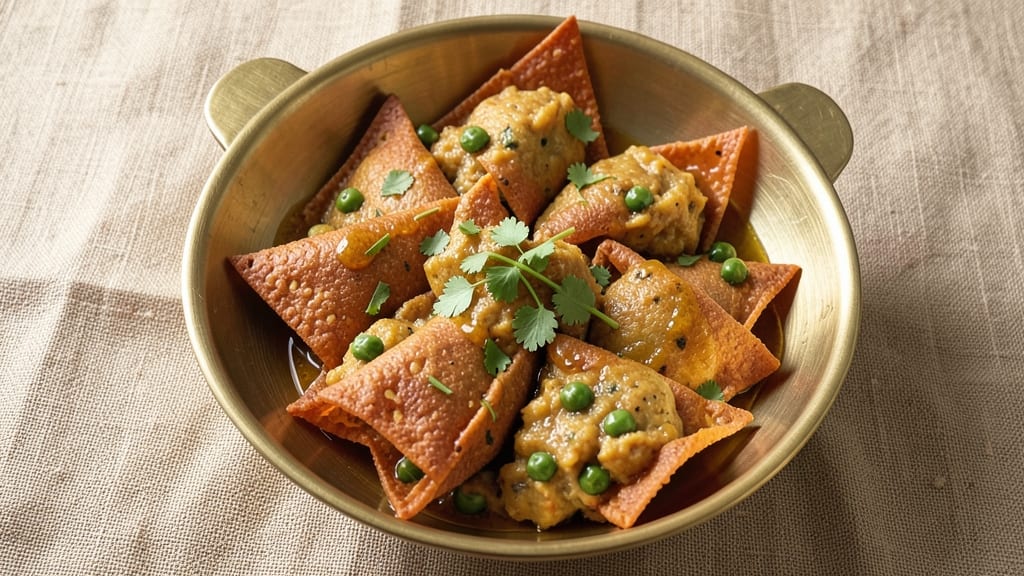
This no-fry samosa recipe delivers all the crispy, golden layers of traditional samosas without the deep-frying—a game-changer for healthier appetizers that still pack authentic flavor. The secret lies in a precise dough technique and air-frying method that creates that signature crunch while keeping oil splatter at bay.
I’ve perfected this version after testing countless alternatives, and the results are undeniably crispy yet lighter than traditional fried versions.
What sets this recipe apart is the two-step dough process that ensures a flaky, airy texture without deep-frying. The filling—a spiced blend of potatoes, peas, and aromatic spices—stays intact while the dough achieves that coveted crispness through controlled air-frying.
No oil splashes, no greasy cleanup, and the same satisfying crunch you’d expect from a street-side vendor.
The outcome is crispy samosas with tender, flavorful fillings that hold their shape beautifully. Each bite delivers the perfect balance of spice, texture, and aroma—just like the original, but with a fraction of the oil.
This method is foolproof and works equally well for parties or weeknight snacks, making it a versatile addition to any menu.
Serve these with mint chutney or tamarind sauce for the full experience, or pack them for picnics and gatherings. The best part? You’ll achieve restaurant-quality results at home without the fuss. Let’s get started on this healthier twist on a classic favorite.
Ingredients for no fry samosa
Twelve servings of crispy samosas without the deep-fry mess—authentic flavor, lighter texture.
| Ingredient | Amount | Notes |
|---|---|---|
| All-Purpose Flour 🌾 | 4 cups | High-protein for structure, sifted |
| Vegetable Oil 🫒 | ½ cup | For dough hydration, neutral flavor |
| Ice Water 💧 | 1 cup | Cold for dough elasticity |
| Salt 🧂 | 1 ½ tsp | Fine grain for even distribution |
| Potatoes 🥔 | 2 ½ lb | Russet, peeled and cubed |
| Frozen Peas 🌱 | 1 ½ cups | Thawed, no need to cook |
| Onions 🧅 | 1 ½ whole | Yellow, finely diced |
| Garlic Cloves 🧄 | 6 cloves | Fresh, minced finely |
| Ginger 🌿 | 1 tbsp | Fresh, grated finely |
| Ground Cumin 🌶️ | 1 ½ tbsp | Toasted for depth |
| Ground Coriander 🌿 | 1 ½ tbsp | Freshly ground preferred |
| Turmeric Powder 🌶️ | 1 tsp | For vibrant color |
| Chili Powder 🔥 | 1 tbsp | Mild heat preferred |
| Garam Masala 🌿 | 1 tbsp | Blended whole spices |
| Sugar 🍯 | 1 tbsp | Balances spices |
| Salt 🧂 | 1 tsp | Additional for filling |
The dough's secret lies in precise hydration and chilling. High-protein all-purpose flour ensures structure, while cold ice water creates elasticity. Professional bakers recommend sifting the flour to avoid lumps—this prevents dense pockets that ruin the flaky layers. For the best results, chill the dough for at least 2 hours before rolling, as this stabilizes the gluten development. The vegetable oil should be neutral—light olive oil or canola work perfectly without overpowering the spices.
Potatoes are the filling's backbone—Russet varieties hold their shape best when cooked. Swap frozen peas for fresh if preferred, but do not overcook them, as they'll soften further during air-frying. For spice substitutions, mild curry powder at half the quantity can replace the cumin-coriander-turmeric blend, though it lacks depth. The garam masala is non-negotiable for authentic aroma—toast whole spices and grind fresh if possible. For a quicker option, pre-ground garam masala from Penzeys or Indian grocery stores delivers the best flavor profile.
The dough can be shaped ahead and frozen for up to 3 months—thaw at room temperature before air-frying. For optimal crispiness, air-fry at 375°F for 12-15 minutes, flipping halfway. The filling reheats beautifully—microwave for 2 minutes before stuffing to maintain texture. Store assembled samosas in the fridge for 2 days or freeze for 1 month. Reheat in the air fryer for 3-4 minutes to restore crispness. The key to success lies in consistent dough thickness—aim for 1/8-inch layers for even cooking.
Why You'll Love This Recipe
- No Oil Guilt: I swear by this trick—just a splash of vegetable oil and ice water for the dough, then a quick bake. The result? Crispy enough to satisfy my samosa cravings without the greasy aftermath. (Yes, I still eat them straight from the oven.)
- Potato Love: Boiled, mashed, and seasoned just right—these potatoes stay creamy inside while the edges get that golden crunch. Honestly, my kids don’t even notice it’s not fried. Neither do I, once I take the first bite.
- Party Ready: These freeze like a dream, so I make a batch on Sundays and pull them out for game day, potlucks, or when unexpected guests show up. Warm them in the oven for 10 minutes, and no one will believe they’re not freshly made.
- Budget Win: Flour, potatoes, and oil—this recipe costs me less than half what store-bought samosas do. Plus, the dough comes together in 10 minutes, so I’m not wasting time or money on fancy ingredients. (My wallet thanks me every time.)
Step-by-step instructions for no-fry samosa recipe
Here's the method for achieving restaurant-quality crispiness without deep-frying.
Prepare the Spiced Potato-Pea Filling
Begin by peeling and cutting the 2.5 lb potatoes into ½-inch cubes. Place them in a pot of boiling salted water and cook for 10-12 minutes until fork-tender but not mushy. Drain immediately and let cool slightly.
In a large skillet, heat 0.25 cup vegetable oil over medium heat. Add the 1.5 whole onions, finely diced, and sauté for 5-6 minutes until golden and translucent. Add the 6 cloves garlic cloves and 1 tbsp ginger, both minced, and cook for 1 minute until fragrant. Stir in the 1.5 cups frozen peas, 1.5 tbsp ground cumin, 1.5 tbsp ground coriander, 1 tsp turmeric powder, 1 tbsp chili powder, and 1 tbsp garam masala. Cook for 2 minutes to toast the spices.
Add the cooked potatoes, 1 tbsp sugar, and 1 tsp salt to the skillet. Gently fold everything together until the potatoes are evenly coated in the spiced mixture. Remove from heat and let cool completely before assembling the samosas. The filling should be warm but not hot when used—this ensures the dough doesn't steam and lose crispness.
Make the Samosa Dough and Rest
In a large mixing bowl, combine the 4 cups all-purpose flour and 1.5 tsp salt. Gradually add the 0.5 cup vegetable oil while rubbing it into the flour with your fingertips until the mixture resembles coarse crumbs. Slowly pour in the 1 cup ice water while mixing with a fork or wooden spoon until a shaggy dough forms.
Turn the dough onto a lightly floured surface and knead for 5-7 minutes until smooth and elastic. The dough should be firm but not sticky—if it sticks, add a little more flour. Shape into a ball, cover with a damp towel, and let rest for 30 minutes at room temperature. This resting period relaxes the gluten, making the dough easier to roll out thinly for crispy layers.
Roll and Assemble the Samosas
Divide the rested dough into 12 equal portions (about 2 oz each). On a clean surface, roll each portion into a 6-inch circle, keeping the thickness even—aim for ⅛-inch thickness for optimal crispiness. If the dough resists rolling, let it rest for an additional 5 minutes.
Place 2 tbsp of the potato-pea filling at one end of each dough circle. Fold the dough over the filling to form a half-moon shape, then seal the edges by pinching tightly with your fingers. Use a fork to crimp the edges for extra security—this prevents filling from leaking during baking. Place the assembled samosas on a parchment-lined baking sheet, seam-side down.
Bake for Crispy Layers
Preheat your oven to 400°F. Brush the tops of the samosas lightly with a mixture of 1 tbsp vegetable oil and 1 tbsp water (this creates steam for even cooking and enhances browning). Bake for 20-25 minutes until the samosas are deep golden brown and the dough is crispy to the touch.
For extra crispiness, transfer the samosas to a wire rack and let them cool for 5 minutes before serving. The internal temperature should reach 180°F—this ensures the filling is hot and the dough is fully set. Serve warm with a side of tamarind chutney or mint yogurt for a traditional touch. The result should be a perfect balance of crispy, flaky layers with a flavorful, spiced filling.
Pro Tips For Making No Fry Samosa
- Chill the Dough: DESCRIPTION: Let the dough sit in the fridge for at least 30 minutes after mixing—yes, even if you’re eager to roll. I used to skip this and ended up with dough that stuck to my hands and tore when shaping. Cold dough is firmer, easier to handle, and gives those crispy edges when baked.
- Boil Potatoes Just Right: DESCRIPTION: Cut potatoes into even ½-inch chunks and boil them until they’re slightly underdone—fork-tender but still holding shape. Overcooking turns them mushy, and no one wants a soggy samosa center. Drain well and pat dry with a towel before mixing.
- Press, Don’t Roll: DESCRIPTION: Skip the rolling pin for the dough—press it flat with your palms instead. The friction creates a thinner, more delicate skin that crisps up better in the oven. (I learned this after my first batch came out chewy—don’t make my mistake.)
- Layer Oil Like Glue: DESCRIPTION: Brush the dough with oil after shaping, not before—it seals the edges and keeps the filling from leaking. Use about 1 teaspoon per samosa, and don’t skip the inside of the cone. Trust me, the difference in crispness is night and day.
Dietary considerations for this recipe
Gluten-Free Adaptation
For a gluten-free version, swap the all-purpose flour for a 1:1 gluten-free baking blend like King Arthur Measure for Measure. Mix 4 cups of the blend with 1.5 tsp salt and 0.5 cup vegetable oil, then add 1 cup ice water gradually.
Knead for 8-10 minutes until smooth—gluten-free dough requires more handling to develop structure. Roll the dough ⅛-inch thick and bake at 375°F for 25-30 minutes to compensate for slower browning. 🌾
Vegan Dough Substitute
Replace the oil in the dough with 1 cup unsweetened applesauce for a vegan option. Combine 4 cups gluten-free flour (or all-purpose if not gluten-free), 1.5 tsp salt, and 1 cup applesauce until a dough forms.
Knead for 7-9 minutes until elastic. Roll and bake as directed, but expect slightly less crispiness—add a light spray of olive oil before baking to enhance browning. 🍏
Lower-Carb Option
Use cauliflower rice instead of potatoes in the filling to reduce carbs. Sauté 3 cups riced cauliflower with onions, garlic, and spices for 8-10 minutes until tender. Mix with 1.5 cups frozen peas and 1 tbsp sugar.
The dough remains the same, but the filling becomes lighter. Bake at 400°F for 20 minutes to ensure the cauliflower absorbs flavor without turning mushy. 🥦
Spicy Heat Adjustments
For extra heat, add 1 tbsp red chili flakes or 1 tsp cayenne pepper to the filling. I recommend Penzeys chili flakes for authentic depth. If you prefer milder spice, reduce the chili powder to ½ tbsp and add ½ tsp smoked paprika for a subtle smokiness.
Taste the filling before assembling—adjust seasoning with ½ tsp salt increments as needed. 🔥
Allergen-Free Tips
To avoid nuts, ensure your garam masala is nut-free (check labels). For dairy-free yogurt chutney, blend 1 cup coconut yogurt with 1 tbsp lemon juice, 1 tbsp mint, and ½ tsp salt.
Store-bought tamarind chutney is typically allergen-free, but always verify ingredients for soy or additives. Always prep in a clean workspace to prevent cross-contamination. 🚫
Make-Ahead Filling
Prepare the filling up to 3 days ahead and store it in an airtight container in the fridge. Reheat gently in a skillet with 1 tsp oil over low heat for 5-6 minutes until warm.
Avoid microwaving, as it can make the potatoes watery. Assemble samosas just before baking to maintain crispness—dough absorbs moisture from cold filling. ⏰
Nutrition facts
Frequently asked questions
Can I make these samosas without an air fryer?
Yes! If you don’t have an air fryer, bake them in a conventional oven at 400°F for 20-25 minutes. For extra crispiness, place a wire rack on a baking sheet and bake the samosas directly on it. Brush with oil-water mix before baking for that golden finish.
Why is my dough not crispy after baking?
Overly thick dough (thicker than ⅛-inch) or insufficient resting time can prevent crispiness. Always chill the dough for 2+ hours and roll it uniformly. For extra crunch, bake at 425°F for 18-20 minutes with a light oil spray before baking.
What’s the best way to reheat leftover samosas?
Reheat in an air fryer at 350°F for 3-4 minutes or in a conventional oven at 375°F for 5-6 minutes to restore crispiness. Avoid microwaving—it makes the dough soggy. For extra crunch, sprinkle with a pinch of salt and 1 tsp oil before reheating.
Can I freeze these samosas?
Assemble the samosas, then freeze them on a tray for 1 hour before transferring to a sealed bag. Reheat from frozen in the air fryer at 375°F for 8-10 minutes or bake at 400°F for 12-15 minutes. The filling stays flavorful, though the dough may be slightly softer.
How do I adjust the spice level for kids?
Reduce chili powder to ½ tbsp and omit cayenne or red chili flakes. For a milder touch, add ½ tsp smoked paprika instead of extra spices. Kids love the sweetness of the potatoes and peas—balance the flavors to keep the dish approachable.