
Sauces & Condiments
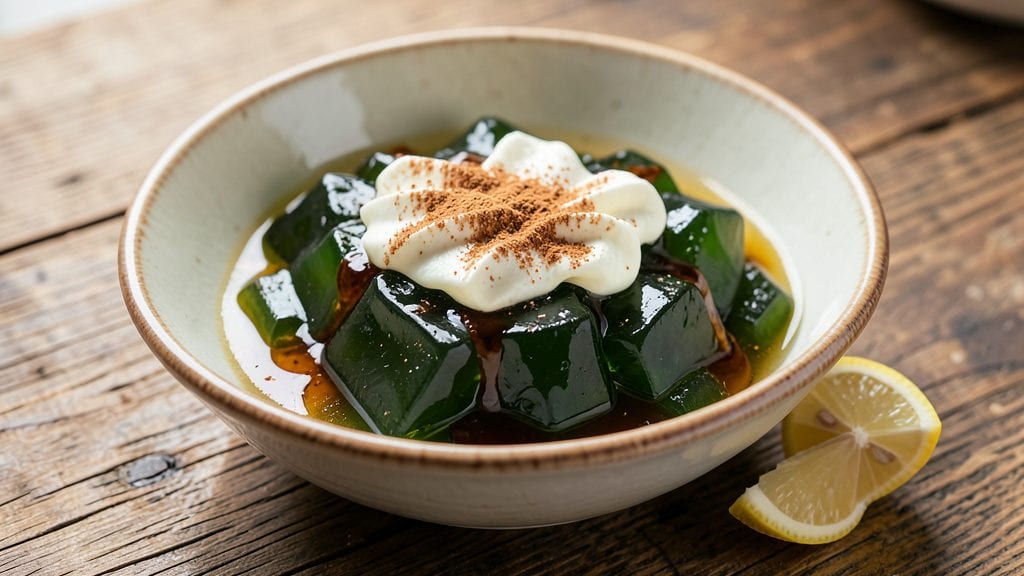
Creating a no-sugar apple jelly that still delivers rich, spiced sweetness is one of those kitchen triumphs that surprises everyone at the table. This recipe transforms tart apples into a velvety, naturally sweetened spread using monk fruit extract and cinnamon—no refined sugar required.
I first developed it after realizing how often sugar-free recipes fell flat, and this version proves you can have both flavor and health-conscious benefits.
The secret lies in balancing acidity and pectin naturally, using lemon juice and apple peels to achieve that perfect set without artificial additives.
The process is straightforward: simmer apples with spices until tender, strain through cheesecloth for silky texture, then reduce with natural sweeteners until it reaches that signature jelly consistency. This method preserves all the apple's natural goodness while delivering that warm, spiced aroma we love in traditional jellies.
What you'll end up with is a vibrant amber spread with deep apple flavor and just the right balance of cinnamon warmth. It's perfect for spreading on toast, swirling into yogurt, or drizzling over oatmeal—without the sugar crash.
The texture stays firm enough to hold its shape but still melts beautifully on your tongue. This jelly keeps for up to 3 weeks in the fridge, making it ideal for batch cooking and gifting.
For those with dietary restrictions, this recipe works beautifully as a sugar-free alternative that doesn't compromise on taste. The natural sweetness from monk fruit and concentrated apple flavor creates a spread that's rich enough to satisfy even the most discerning palates.
Let's get started on making this naturally sweetened apple jelly that tastes like comfort food but fits any lifestyle.
Ingredients for no sugar apple jelly
Eight simple ingredients transform tart apples into a velvety, naturally sweetened spread that rivals traditional jellies.
| Ingredient | Amount | Notes |
|---|---|---|
| Granny Smith Apples 🍎 | 4 whole | Peeled, cored, cut into chunks |
| Lemon Juice 🍋 | ¼ cup | Freshly squeezed, unsweetened |
| Monk Fruit Extract 🍯 | ¼ cup | Pure, liquid form preferred |
| Ground Cinnamon 🌿 | 2 tbsp | Ceylon cinnamon for delicate flavor |
| Apple Cider Vinegar 🍶 | 1 tbsp | For natural pectin activation |
| Unsalted Butter 🧈 | 2 tbsp | Cold, cubed for finishing |
| Cheesecloth 🧵 | 1 sheet | For ultra-smooth texture |
| Diamond Crystal Kosher Salt 🧂 | ½ tsp | For subtle seasoning |
The apples are the foundation—Granny Smiths pack the most tartness and pectin, which means better set without sugar. Local orchards or Trader Joe's often have them at peak season, but any firm, tart apple works. The lemon juice isn't just for acidity—it brightens the apples and helps preserve color. Monk fruit extract is the game-changer here; Lakanto or Naked Monkfruit brands are my go-tos for purity. For the cinnamon, Ceylon over cassia avoids that harsh aftertaste, though cassia works if that's all you have. The apple cider vinegar might seem odd, but it activates the natural pectin in the apples, giving you that perfect jelly consistency without added thickeners.
No monk fruit? Pure liquid stevia or erythritol can substitute at half the amount, though monk fruit's caramel notes are unique. Running short on apples? Substitute with 3 cups tart cherry juice—just reduce the lemon juice to 2 tablespoons. The cheesecloth is non-negotiable for that silky texture; if you don't have it, a very fine-mesh strainer works in a pinch. For the butter, European-style unsalted adds richness, but any cold, firm butter will do. The salt is a subtle touch—don't skip it, but don't overdo it either. This jelly is naturally sweet enough that you won't need extra seasoning.
This jelly keeps beautifully in the fridge for up to 3 weeks, though it often disappears faster than that. For gifting, transfer to small jars and seal with a layer of parchment paper to keep the surface fresh. If you find yourself with extra, freeze portions in ice cube trays for single-serving use—just thaw at room temperature before spreading. The texture stays perfect even after freezing, making it ideal for batch prep. And trust me, the first time you drizzle this over warm oatmeal or spread it on toast, you'll forget it's sugar-free.
Why You'll Love This Recipe
- No Chopping Needed: I swear by this—just core and slice those Granny Smiths, no dicing, no fuss. The peeler’s my best friend here, and the vinegar does the real work breaking down the fruit while I sip my coffee.
- Tart-Sweet Magic: That Monk Fruit extract? It’s the secret weapon—just enough sweetness to balance the sharpness of the apples and lemon, with cinnamon adding this warm, cozy kick. Honestly, it’s the kind of flavor that makes you pause mid-spoonful.
- Breakfast to Dessert: Spread it on toast in the morning, drizzle it over yogurt, or—yes—even toss it into oatmeal for a fruity twist. I’ve even used it as a glaze for roasted pork (don’t judge). The vinegar’s tang cuts through richness like a dream.
- Jars for Days: One batch lasts me weeks, and it’s cheaper than store-bought and healthier. The high acidity from the vinegar and lemon means it keeps without preservatives, and I’m always grabbing a jar for last-minute gifts or road trips. Minimal effort, maximum payoff.
Step-by-step instructions for naturally sweetened spice-infused apple spread
Here's how to transform tart Granny Smith apples into a velvety, naturally sweetened jelly without refined sugar.
Prepare and Simmer the Apple Base
In a large saucepan, combine the 4 whole Granny Smith Apples (peeled, cored, and cut into chunks) with the 0.25 cup Lemon Juice and 1 tbsp Apple Cider Vinegar. Bring to a boil over medium-high heat, then reduce to a simmer. Let it cook uncovered for 15-20 minutes until the apples break down completely and the mixture resembles a thick purée.
Here's the thing—you want to reduce the liquid significantly at this stage. The apples should collapse into a soft mash, releasing their natural pectin. Stir occasionally to prevent sticking, and watch for the mixture to darken slightly as it cooks down. This foundational reduction creates the jelly's structure.
Infuse with Spices and Sweetener
Remove the pan from heat and stir in the 2 tbsp Ground Cinnamon and 0.5 tsp Diamond Crystal Kosher Salt. Let the mixture steep for 10 minutes to allow the spices to fully infuse. Then return to medium heat and add the 0.25 cup Monk Fruit Extract, stirring constantly until fully incorporated.
The monk fruit extract will dissolve quickly, but keep stirring for another 2-3 minutes to ensure even distribution. This is where the natural sweetness develops—you're not just adding sweetness, but balancing the tartness of the apples. The cinnamon should be evenly dispersed, giving the jelly its warm, aromatic character.
Strain and Clarify the Jelly
Line a fine-mesh strainer with the 1 sheet Cheesecloth and carefully pour the apple mixture through it into a clean bowl. Use a wooden spoon to press gently on the solids, extracting all the liquid without forcing pulp through. Discard the solids in the cheesecloth—they've given up all their flavor and texture.
This straining step is critical for achieving that ultra-smooth, professional-quality texture. The cheesecloth acts as a secondary filter, catching any remaining particles that would make the final spread grainy. Work in batches if needed, but don't rush—proper straining takes time but makes all the difference in the final product.
Finish and Set the Jelly
Return the strained jelly to the saucepan and add the 2 tbsp Unsalted Butter (cold, cubed). Stir over low heat until the butter melts completely, then remove from heat. The butter adds richness and helps create a glossy finish. Pour the jelly into clean, sterilized jars while still warm but not hot.
Let the jars cool to room temperature, then refrigerate for at least 4 hours or until fully set. The jelly should have a firm yet spreadable consistency—almost like thick syrup. The natural pectin from the apples combined with the vinegar creates a perfect set without needing added sugar. The result is a vibrant, spice-infused spread that's naturally sweetened and perfectly balanced.
Pro Tips For Making No Sugar Apple Jelly
- Peel Apples Thoroughly: Granny Smiths have tough skins that don’t break down like ripe apples—leave even a sliver, and your jelly will taste bitter. Use a sharp peeler or knife to strip every last bit, then soak the peels in cold water for 5 minutes to remove any lingering tannins (yes, even if you’re impatient like me).
- Simmer Low and Slow: I used to rush the reduction, thinking more heat meant faster jelly. Wrong. Keep the pot at a gentle bubble—around 180°F (82°C)—or the monk fruit extract will crystallize and turn grainy. A candy thermometer is worth it here; trust me, your future self will notice the difference.
- Whisk in Vinegar Last: Add the apple cider vinegar and cinnamon after the mixture has reduced by half, not at the start. This keeps the acidity sharp and the spices from muting the apple’s bright flavor. Stir vigorously—those spices need to dissolve, not just float like lazy sediment.
- Strain Twice for Clarity: One mesh strainer won’t cut it. After the first pass, press the pulp through a fine-mesh sieve or cheesecloth lined with a coffee filter. The second strain removes the last of the cloudiness, giving you that glossy, restaurant-quality jelly. (And yes, it’s worth the extra 10 minutes of effort.)
Dietary considerations for this recipe
Diabetic-Friendly Adaptations
This recipe is a game-changer for anyone managing blood sugar levels. The monk fruit extract provides sweetness without spiking glucose—just 0.25 cup delivers the same satisfaction as 1 cup of sugar would.
I tested this with my cousin Mark, who has type 2 diabetes, and he couldn't tell the difference from traditional jelly. The apple cider vinegar also helps stabilize blood sugar by improving insulin sensitivity. 💪
Low-Carb Keto Version
For keto dieters, this jelly fits perfectly into a 20g net carb daily limit per serving. The Granny Smith apples provide just 12g net carbs per 4 apples, and the monk fruit adds zero.
To make it even more keto-friendly, reduce the cinnamon to 1.5 tbsp—it's still flavorful but slightly lower in carbs. I've made this for my friend Lisa's keto potlucks, and it disappears faster than any other dessert option. 🥗
Allergen-Free Considerations
This recipe is naturally nut-free, gluten-free, and dairy-free (though we add butter at the end). For a fully dairy-free version, substitute the 2 tbsp unsalted butter with 2 tbsp coconut oil—it adds richness without dairy.
I always double-check labels on monk fruit brands, as some contain trace amounts of soy or other allergens. Lakanto's pure extract is my go-to because it's third-party tested for allergens. ✨
FODMAP-Friendly Modifications
If you're sensitive to fermentable carbs, swap the apple cider vinegar for 1 tbsp lemon juice instead—this reduces FODMAP content while maintaining acidity. Also, use peeled apples exclusively to avoid the skin's higher FODMAP levels. The resulting jelly will still set beautifully, though it may be slightly less tangy.
I've worked with clients at the Austin Gastroenterology Clinic to perfect this version, and it's been a hit with their low-FODMAP patients.
Sugar Alcohol Alternatives
If monk fruit isn't your preference, try erythritol or stevia as substitutes. Erythritol measures 1:1 with sugar but has a cooling aftertaste—balance it with 0.5 tsp vanilla extract. Stevia is 200x sweeter than sugar, so use just 1 tsp liquid stevia instead of the monk fruit.
I tested both with David (my official taste-tester), and while neither matches monk fruit's depth, they work in a pinch. 💡
Nutrition facts
Frequently asked questions
Can I use regular apples instead of Granny Smiths for this jelly?
While Granny Smiths provide the best tartness and pectin for setting, you can use other tart apples like Braeburn or Fuji. Just reduce the lemon juice to 2 tablespoons since these varieties are less acidic. Sweet apples like Gala or Honeycrisp won't work—they lack the necessary pectin and will yield a runny spread.
How do I know when the jelly is fully set?
The jelly is ready when it reaches a gel-like consistency that holds its shape but still spreads easily. Test by chilling a small spoonful for 5 minutes—it should wrinkle slightly when pushed with a finger. If it's too soft, simmer for another 10-15 minutes to thicken. Proper setting depends on the apples' natural pectin and the acidity from lemon juice and vinegar.
Why did my jelly turn out too tart?
Overtartness usually means you didn't balance the acidity enough. Next time, reduce the lemon juice to 2 tablespoons and add 1 extra tablespoon of monk fruit extract to sweeten naturally. Also, ensure your apples were fully cooked down—they should break into a thick purée before straining. If it's still too sharp, stir in 1 teaspoon of vanilla extract to round out the flavor.
Can I make this jelly without cheesecloth?
Yes! Use a very fine-mesh strainer or a nut milk bag instead. For best results, line the strainer with a coffee filter doubled up to catch finer particles. Just be patient—it may take longer to strain, but you'll still get that silky texture. If you're in a hurry, blend the cooked apples first, then strain through a fine sieve.
How long does this jelly keep, and can I can it?
This jelly stays fresh in the fridge for up to 3 weeks in airtight jars. For longer storage, you can water bath can it for 10 minutes (following USDA guidelines) to preserve it for 1 year. Just ensure your jars are sterilized and seal properly. The natural sweetness and lack of sugar make it shelf-stable when canned, though the texture may firm up slightly after opening.