
Main Courses
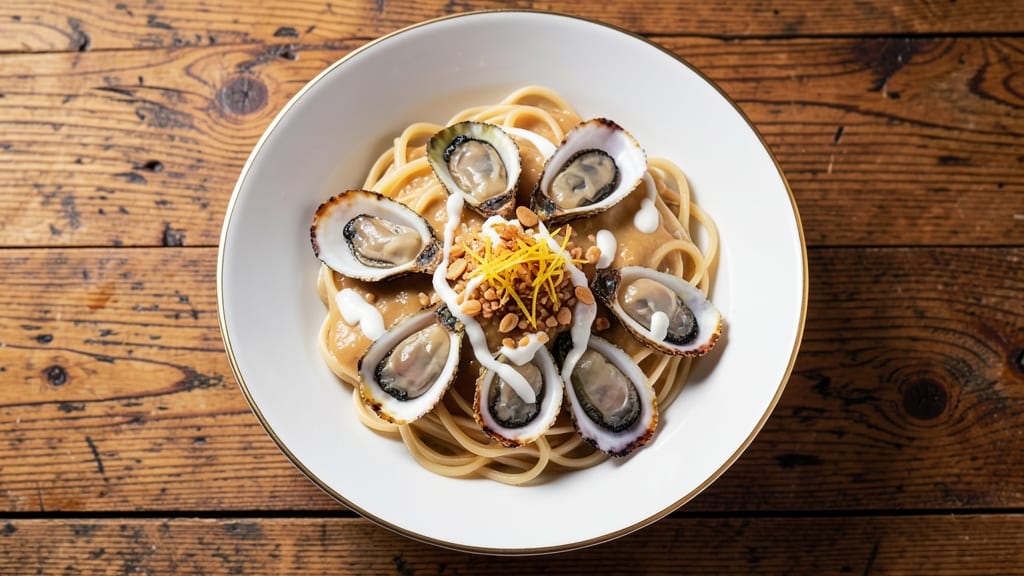
This oyster pasta recipe delivers a symphony of briny seafood and al dente noodles in just 20 minutes—perfect for a weeknight dinner that feels like a coastal escape.
The secret lies in balancing tender oysters with a rich, buttery garlic-wine sauce that clings to every strand of pasta, creating a dish that’s both elegant and effortless.
I’ve perfected this method to ensure the oysters stay perfectly plump while the pasta achieves that ideal al dente bite, all without requiring advanced techniques.
The foundation of this recipe is simplicity: fresh oysters (shucked and cleaned), high-quality pasta, and a sauce built on garlic, white wine, and butter, finished with fresh herbs.
The key is timing—cooking the pasta just shy of al dente so it finishes in the hot sauce, absorbing all those briny, garlicky flavors. This dish is a game-changer for pescatarians and seafood lovers alike, offering a restaurant-worthy meal that’s ready in under half an hour.
By the time you twirl that first forkful, you’ll taste the perfect marriage of creamy pasta, tender oysters, and a sauce that’s rich yet bright, with just a hint of acidity from the wine.
The result is a dish that’s hearty enough for a main course but light enough to feel fresh and summery. Garnish with fresh parsley and a squeeze of lemon to elevate it further—this is the kind of pasta that transforms a simple dinner into something memorable.
Pair it with a crisp white wine like Sauvignon Blanc or a chilled glass of sparkling water with lemon, and you’ve got a meal that’s as versatile as it is impressive.
Whether you’re cooking for two or a small gathering, this recipe delivers professional results with minimal effort. Let’s get started on creating this coastal-inspired masterpiece.
Ingredients for oyster pasta
Fresh oysters, al dente pasta, and a rich garlic-wine sauce—this coastal-inspired dish delivers restaurant-quality flavor in minutes.
| Ingredient | Amount | Notes |
|---|---|---|
| Fresh Oysters 🦪 | 1 ½ lb | Shucked, cleaned, and drained |
| Linguine Pasta 🍝 | 12 oz | High-quality, al dente preferred |
| Unsalted Butter 🧈 | ½ cup | Cold, cut into small cubes |
| Garlic Cloves 🧄 | 6 cloves | Minced, fresh preferred |
| Dry White Wine 🍷 | ½ cup | Sauvignon Blanc or Pinot Grigio |
| Heavy Cream 🥛 | ¼ cup | Full-fat for richness |
| Fresh Lemon Juice 🍋 | 2 tbsp | Freshly squeezed |
| Fresh Parsley 🌿 | ¼ cup | Chopped, flat-leaf preferred |
| Sea Salt 🧂 | 1 ½ tsp | Fine grain, kosher preferred |
| Ground Black Pepper 🌶️ | ½ tsp | Freshly ground |
| Extra-Virgin Olive Oil 🫒 | 1 tbsp | For tossing pasta |
| Red Pepper Flakes 🌶️ | ¼ tsp | Optional, for heat |
| Shallots 🧅 | 2 whole | Minced, for sauce depth |
The oysters are the star, so buy them fresh from a reputable seafood market—look for plump, tightly closed shells with no cracks. Whole Foods or your local fishmonger are great spots. If you're shucking them yourself, wear gloves and use an oyster knife to avoid injury. The pasta should be high-quality—De Cecco or Barilla are reliable brands for that perfect al dente bite. For the wine, a crisp Sauvignon Blanc adds brightness, but any dry white will work. Don’t skip the butter—it’s what makes this sauce velvety and rich.
No fresh oysters? Frozen shucked oysters thawed in cold water work in a pinch, but they won’t have the same briny freshness. Short on white wine? Substitute with seafood stock plus a splash of lemon juice—it’ll still taste bright. The shallots can be swapped for regular onions if needed, but they add a delicate sweetness that’s worth hunting down. If you’re avoiding dairy, use coconut cream instead of heavy cream, though the sauce will be lighter. And for extra richness, a pinch of smoked paprika adds depth without overpowering.
This dish is best served immediately, but you can prep the sauce ahead—just reheat gently before tossing with the pasta. The oysters should be added to the sauce off the heat to keep them tender. Store any leftovers in an airtight container for up to 2 days, though the sauce thickens when refrigerated, so a quick stir with warm water helps restore its silky texture. For a make-ahead option, cook the pasta al dente, rinse in cold water, and toss with a drizzle of olive oil to prevent sticking—reheat in the sauce for 2-3 minutes.
Why You'll Love This Recipe
- Weeknight-Friendly Magic: I swear by this recipe—just boil pasta, sear oysters in butter and garlic, and toss with wine. No fancy techniques, no stress, just restaurant-quality flavor in 25 minutes.
- Briny Butter Bliss: That first bite of plump oysters in a silky garlic-butter sauce? It’s like the ocean met your taste buds. The white wine cuts through the richness, leaving you wanting seconds (or thirds).
- Date Night or Lazy Night: Dress it up with crusty bread and a crisp chardonnay for a fancy dinner, or throw it together in your favorite mug for a solo meal. It works for both—no judgment here.
- Leftovers? Actually Better: The sauce thickens overnight, and the oysters stay tender. Reheat with a splash of water, and it’s like you’re eating fresh again. My secret weapon for busy mornings.
Step-by-step instructions for oyster pasta
Here's the method for a quick, restaurant-quality seafood dish with perfectly balanced flavors.
Prepare the Oysters and Pasta
Rinse the 1.5 lb fresh oysters under cold water to remove any grit, then pat them completely dry with paper towels. Place them in a bowl and cover with the 2 tbsp fresh lemon juice—this helps tenderize them slightly and brightens their flavor. Let them sit for 5 minutes while you prepare the pasta.
Bring a large pot of water to a rolling boil and add 1.5 tsp sea salt. Add the 12 oz linguine pasta and cook until 1 minute before the package directions for al dente. Reserve 1 cup of pasta water before draining, then toss the pasta with 1 tbsp extra-virgin olive oil to prevent sticking. Keep the pasta warm while you prepare the sauce.
Build the Garlic-Shallot Butter Base
In a large skillet, melt the 0.5 cup unsalted butter over medium heat. Add the 2 whole minced shallots and 6 cloves minced garlic, cooking for 2-3 minutes until the shallots are translucent and the garlic is fragrant but not browned. Here's the thing—don't walk away. Garlic burns faster than you think.
Stir in the 0.25 tsp red pepper flakes (if using) and cook for 30 seconds to toast the spices slightly. This step develops the aromatic foundation of your sauce. Remove the skillet from heat and set aside—you'll return to it in the next step.
Cook the Oysters and Deglaze
Return the skillet to medium heat and add the oysters, arranging them in a single layer. Cook undisturbed for 1-2 minutes on each side until they open completely. The oysters should curl slightly at the edges and release a briny aroma—this is your signal they're perfectly cooked.
Immediately pour in the 0.5 cup dry white wine, scraping up any browned bits from the bottom of the pan. Let the wine simmer for 2-3 minutes until reduced by half. This deglazing step captures all the flavor you worked so hard to develop in the butter base.
Finish with Cream and Lemon
Reduce the heat to low and stir in the 0.25 cup heavy cream. Let it warm through for 1 minute, then add the drained pasta and toss to coat completely. The sauce should be creamy but not overly thick—if it's too thick, add 2-3 tablespoons of reserved pasta water to loosen it.
Remove from heat and stir in the 0.25 cup chopped parsley and 0.5 tsp ground black pepper. The parsley adds freshness that cuts through the richness of the butter and cream. Taste and adjust seasoning with additional sea salt if needed—oysters can vary in saltiness, so this step ensures perfect balance.
Serve Immediately
Transfer the oyster pasta to serving plates and garnish with an additional sprinkle of chopped parsley. The dish should be served immediately while the oysters are still warm and the pasta maintains its al dente texture. Each bite should deliver a perfect harmony of briny oyster, creamy sauce, and al dente noodles.
For best results, serve with a crisp white wine that complements the seafood. The acidity in the lemon juice and wine will help cut through the richness, creating a truly balanced dish. Enjoy while everything is hot!
Pro Tips For Making Oyster Pasta
- Shuck Oysters First: Don’t wait until you’re halfway through the recipe—shuck all your oysters before you even start cooking the pasta. They’ll bleed water and need to drain for 10-15 minutes in a colander, and doing this upfront saves you from a soggy sauce later. (Yes, it’s messy, but trust me, your sauce will thank you.)
- Sear Garlic Low and Slow: After sautéing the garlic in butter, reduce the heat to low and let it cook until it’s golden, not browned. I learned this the hard way—burnt garlic turns bitter and overpowers the delicate oyster flavor. If you’re impatient, pull it out when it smells nutty, not burnt.
- Deglaze with Cold Wine: Pour the white wine into a cold pan or measuring cup before adding it to the hot butter and garlic. The sudden chill stops the cooking process, so you get a bright, acidic deglaze instead of a dull, reduced one. (This is the thing that actually changes the outcome.)
- Reserve the Pasta Water: Drain your cooked linguine, but save at least ½ cup of starchy pasta water before tossing in the oysters. The sauce will look thin at first, but the water emulsifies everything into a silky finish—no need for heavy cream or extra butter. (Your future self will thank you.)
Troubleshooting this recipe
Oysters Not Opening
If your oysters refuse to open after 2-3 minutes of cooking, they’re likely bad—discard them immediately. Fresh oysters should open naturally with a slight curl at the edges when cooked properly.
I always test one oyster first by tipping it slightly—if it doesn’t open, toss the whole batch. Never eat oysters that remain closed or feel rubbery. 🦪
Sauce Too Thick
If your sauce thickens too much after adding the pasta, don’t panic. Simply stir in 2-3 tablespoons of reserved pasta water until it reaches a silky consistency.
The sauce should coat the pasta lightly without being gluey. I’ve found that adding the cream off the heat prevents curdling while keeping the sauce smooth. 🥣
Pasta Overcooked
Cooking pasta to al dente is critical—it should have a slight bite in the center. If yours turns mushy, it’s because you overcooked it. Next time, pull it from the water 1 minute before the package suggests, then finish cooking in the sauce.
I use a timer and test a piece by biting into it—if it’s too soft, it’s overdone. 🍜
Oysters Too Salty
Oysters can vary in saltiness, so taste the sauce before serving. If it’s too briny, balance it with 1-2 extra tablespoons of lemon juice or a pinch of sugar to cut the saltiness.
I also recommend using kosher salt instead of table salt—it dissolves better and gives you better control over seasoning. 🧂
Butter Burning
Butter burns faster than you think, especially when combined with garlic. Keep the heat at medium-low and stir constantly until the garlic is fragrant but not browned. If it starts to smoke, remove the pan from heat immediately and let it cool slightly before continuing.
A 10-inch cast iron skillet distributes heat evenly and prevents burning. 🔥
Oysters Curling Excessively
If your oysters curl up too much, they’ve been overcooked. The ideal texture is tender but still slightly plump. To prevent this, cook them for only 1-2 minutes per side and remove them as soon as they open.
I like to use a fish spatula to gently lift them—this keeps them intact while ensuring even cooking. 🦪
Nutrition facts
Frequently asked questions
Can I use frozen oysters instead of fresh?
Frozen shucked oysters work in a pinch, but fresh is ideal for this recipe. Thaw them completely in cold water before using, and pat them very dry to prevent a watery sauce. For best results, buy high-quality frozen oysters labeled as "shucked in the shell" to maintain texture.
What type of pasta works best with oysters?
Linguine or spaghetti are classic choices because their long strands help hold the sauce and oysters together. For extra texture, try fettuccine or tagliatelle. Avoid thick noodles like rigatoni—they can overwhelm the delicate seafood flavors.
How do I know when oysters are fully cooked?
Oysters are done when they open completely and curl slightly at the edges—this usually takes 1-2 minutes per side over medium heat. If any remain closed after cooking, discard them immediately as they may be bad. A quick test: tap the shell gently—it should feel firm, not rubbery.
Can I make this dish ahead of time?
This pasta is best served immediately, but you can prep components ahead. Cook the pasta al dente, rinse in cold water, and toss with olive oil to prevent sticking. Store separately from the sauce (which can be made up to 1 day ahead) and reheat gently before combining. The oysters should always be added fresh to the hot sauce.
What wine pairs best with oyster pasta?
A crisp Sauvignon Blanc or Pinot Grigio complements the briny oysters perfectly. For red wine lovers, a light Pinot Noir works surprisingly well. Avoid heavy reds—they can overpower the delicate seafood flavors.