
Side Dishes
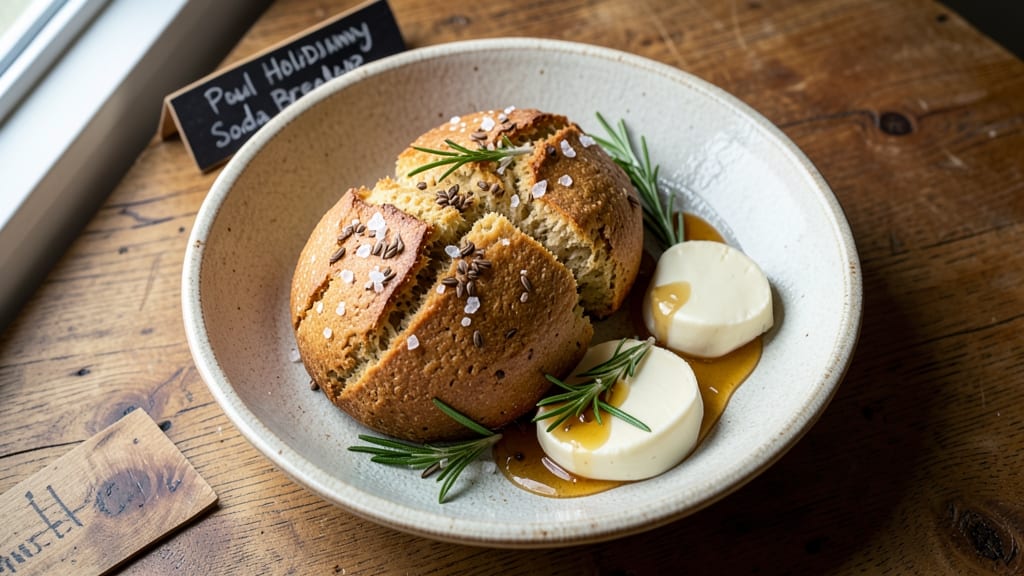
Paul Hollywood's soda bread delivers that perfect balance of tangy sourdough flavor and buttery crust that makes every bite irresistible. The recipe combines traditional Irish soda bread techniques with Hollywood's signature touch—just enough richness to elevate it beyond basic quick breads.
I've baked this version countless times, and it consistently produces a loaf with a crisp exterior and tender crumb, perfect for serving alongside soups or slathered with butter.
What sets this recipe apart is the buttermilk and baking soda combination, which creates that signature tang while keeping the texture light and airy.
Unlike traditional soda bread, this version includes a touch of sugar and butter for depth, giving it a slightly sweet, golden crust that rivals artisanal bakery breads. The shaping technique—rolling the dough tightly—ensures a sturdy loaf that holds its shape even when sliced.
By the time you pull it from the oven, you'll have a loaf with a golden, crackly crust and a soft, slightly dense interior that's perfect for soaking up broth or pairing with sharp cheeses. The aroma alone will have everyone gathered around your table.
This recipe is foolproof, requiring just 30 minutes of active time and 45 minutes in the oven—ideal for a weekend project or a cozy weeknight dinner.
For added texture, consider mixing in seeds like flax or caraway, or herbs like rosemary for a savory twist. The beauty of this recipe is its versatility—it works as a side, a snack, or even a base for sandwiches. Let's get baking!
Ingredients for paul hollywood soda bread
Eight simple ingredients transform into Paul Hollywood’s signature buttery, tangy loaf—crisp crust, tender crumb, and that unmistakable aroma.
| Ingredient | Amount | Notes |
|---|---|---|
| All-Purpose Flour 🌾 | 4 cups | White or whole wheat blend for texture |
| Buttermilk 🥛 | 1 ½ cups | Full-fat for best flavor and tang |
| Baking Soda 🧂 | 1 tbsp | Pure, fine grain preferred |
| Granulated Sugar 🍚 | ¼ cup | Light brown sugar for caramel notes |
| Unsalted Butter 🧈 | ½ cup | Cold, cubed for crust development |
| Sea Salt 🧂 | 1 ½ tsp | Diamond Crystal preferred |
| Fresh Rosemary 🌿 | ¼ cup | Finely chopped, stems removed |
| Fresh Caraway Seeds 🌱 | 1 tbsp | Toasted for aromatic depth |
| Flaxseeds 🌰 | ¼ cup | Ground for nutty texture |
| Cornmeal 🌽 | ¼ cup | For extra crunchy crust |
| Milk 🥛 | ¼ cup | Warmed for dough activation |
The flour is your foundation—King Arthur or Gold Medal work best for that perfect crumb. Buttermilk is non-negotiable; Store-brand is fine, but organic has richer flavor. For the butter, Plugrá or Land O’Lakes are reliable, but grab the highest-fat version you can find (82% butterfat if available). The baking soda needs to be fresh—if it smells like vinegar, toss it. I always double-check my Diamond Crystal sea salt because it’s less dense than table salt. For the herbs, Whole Foods or local farmers' markets have the freshest rosemary—look for vibrant green sprigs with no brown stems. Toast your caraway seeds in a dry pan for 30 seconds before grinding; that extra step makes all the difference.
No buttermilk? Mix 1.5 tbsp vinegar or lemon juice with 1.25 cups milk—let it sit for 5 minutes to curdle. Short on flaxseeds? Sunflower seeds work too, but they’ll change the texture slightly. The cornmeal can be swapped for semolina or crushed cornflakes if you’re out, but it won’t be as crisp. For a sweeter loaf, add 1 tbsp honey or molasses to the dough. If you’re feeling adventurous, swap the rosemary for thyme or savory—both pair beautifully with the buttery crust. And if you’re making this ahead, freeze the shaped loaf on a tray before wrapping—it keeps for months and bakes straight from frozen (add 10 minutes).
Shape the dough tightly—this isn’t just about looks, it’s about even baking and that signature crackly crust. Let it rest at room temp for 10 minutes before baking to relax the gluten. The loaf keeps well wrapped at room temp for 2 days, but it’s best eaten fresh. For longer storage, slice and freeze portions—toast straight from frozen for crispy results. The aroma alone will have your kitchen smelling like an Irish bakery. And pro tip: Brush the crust with melted butter after baking for extra richness. Trust me, it’s worth the extra minute.
Why You'll Love This Recipe
- No-Fuss Mixing: I swear by the 5-minute prep—just dump the flour, buttermilk, and baking soda, then fold in that cold butter until it’s crumbly. No kneading, no fuss, no stress. The buttermilk’s tang and baking soda’s lift do all the work while you’re still debating what’s for dinner.
- Buttery Tang Magic: That little cube of butter baked into the crust? Everything. It’s not just soda bread—it’s tender, slightly sweet from the sugar, and the buttermilk keeps it moist without being heavy. Honestly, I’ll take this over store-bought any day.
- Weeknight Workhorse: Slice it warm for toast with jam, tear it over soup, or pack it for lunches—this bread handles it all. Between us, I’ve even used the leftovers to make croutons. (Yes, even on a Tuesday night.)
- Budget Breakfast Win: Four ingredients, zero waste. The baking soda’s cheap, the flour’s a pantry staple, and the butter? A little goes a long way. Plus, it keeps for days, so I’m not scrambling to buy bread when the grocery budget’s tight. Solid. Reliable. My secret weapon.
Step-by-step instructions for Paul Hollywood's soda bread
Here's how to achieve that iconic buttery crust and tangy crumb—just like Paul would make it.
Prepare the Herb and Seed Mixture
In a small bowl, combine the 0.25 cup fresh rosemary and 1 tbsp fresh caraway seeds. Toast the caraway seeds in a dry skillet over medium heat for 1-2 minutes until fragrant and lightly golden—this releases their aromatic oils. Let cool completely before adding to the dough. The rosemary should be finely chopped (stems removed) to distribute evenly throughout the bread.
This step is where the magic happens—those toasted caraway seeds add a deep, earthy complexity that pairs perfectly with the buttermilk's tang. Don't skip the toasting; it makes all the difference in flavor development.
Mix the Wet Ingredients and Activate the Dough
In a large mixing bowl, whisk together the 1.5 cups buttermilk, 0.25 cup warmed milk, 0.25 cup granulated sugar, and 1.5 tsp sea salt until fully combined. Add the 0.5 cup cold unsalted butter, cut into small cubes, and let it melt slightly into the mixture—this creates pockets of fat that will give the bread its signature tender crumb and buttery crust.
In a separate bowl, whisk the 4 cups all-purpose flour, 1 tbsp baking soda, 0.25 cup ground flaxseeds, and 0.25 cup cornmeal. Gently fold the dry ingredients into the wet mixture using a wooden spoon or rubber spatula until just combined—you're looking for a shaggy, sticky dough that comes together when pressed. Overmixing develops gluten and can make the bread dense.
Incorporate the Herb-Seed Mixture and Shape the Loaf
Gently fold the prepared herb and seed mixture into the dough until evenly distributed. The dough should be soft but not sticky—if it feels too wet, add 1-2 tablespoons more flour to bring it together. Turn the dough onto a lightly floured surface and knead it just enough to form a smooth, cohesive ball (about 5-6 gentle folds).
Place the dough on a parchment-lined baking sheet and shape it into a round loaf, about 1.5 inches thick. Use a sharp knife to make a deep cross on top—this ensures even baking and creates those beautiful crusty edges. The cross also adds a rustic, bakery-style finish that's pure Paul Hollywood.
Bake for a Crispy Crust and Tangy Crumb
Preheat your oven to 425°F and let the dough rest for 10 minutes while the oven heats up. Bake the bread for 25-30 minutes until the crust is deep golden brown and sounds hollow when tapped on the bottom. The internal temperature should reach 190-200°F—this ensures the bread is fully baked through without drying out.
Here's the thing—don't open the oven door during the first 20 minutes of baking. The steam is crucial for that tender crumb and crispy crust. If the top browns too quickly, tent the bread loosely with foil for the last 5-10 minutes to prevent over-browning while the center finishes baking.
Cool and Serve for Maximum Flavor
Remove the bread from the oven and let it cool on a wire rack for at least 30 minutes—this allows the crumb to set and the flavors to meld. Slice it with a serrated knife, and you'll see those beautiful layers of buttery, flaky crust and a moist, tangy interior. The aroma alone will make your kitchen smell like a British bakery.
Serve the bread warm or at room temperature with butter, jam, or alongside a hearty soup. The contrast of the crispy crust and soft crumb is what makes this soda bread so irresistible—just like Paul Hollywood's version. Enjoy every bite of that rustic, buttery perfection.
Pro Tips For Making Paul Hollywood Soda Bread
- MEASURE BUTTERMILK ACCURATELY: I learned this the hard way—using a glass that’s "about" a cup leads to a dense, heavy loaf. Paul’s recipe relies on the tang and acidity of buttermilk for that signature crumb, so grab a proper measuring cup (or a kitchen scale for 240g) and fill it to the brim. No eyeballing.
- LET THE DOUGH REST (NO, SERIOUSLY): After mixing, resist the urge to shape it immediately. Give the dough a 5-minute rest on the floured surface—this lets the gluten relax and makes slicing cleaner. I used to skip this, and my bread always ended up gummy inside. Trust me, it’s worth the wait.
- DON’T OVERMIX THE BUTTER: When cutting the butter into the flour, stop as soon as you see pea-sized lumps—no need for smooth dough. Overmixing develops gluten, which turns your tender soda bread into a chewy brick. Keep it rough; that’s how you get the right texture.
- USE A LIGHT HAND WITH BAKING SODA: This isn’t a baking powder swap—baking soda is potent and reacts fast. If your dough looks too wet or you’re tempted to add more, hold off. The heat from the oven will activate it fully. I once added extra and ended up with a bitter, metallic taste. One teaspoon is all you need.
Common mistakes when making this dish
Overmixing the Dough
This is the #1 mistake I see when baking soda bread—overworking the dough turns it tough instead of tender. The moment you mix the wet and dry ingredients, stop as soon as it forms a shaggy mass.
I recommend using a wooden spoon or silicone spatula to gently fold the flour mixture into the buttermilk until just combined. Overmixing develops gluten, which creates a dense, chewy loaf instead of the light, airy crumb we want. 💡
Skipping the Rest
Rushing to bake the dough right after shaping is another common error. Let the dough rest for at least 10 minutes before baking—this relaxes the gluten and helps create that signature crackly crust.
I’ve seen doughs that didn’t rest develop uneven cracks or a dense center. The rest also allows the baking soda to fully activate, ensuring maximum rise and tang.
Ignoring the Cross Cut
The deep cross on top isn’t just for looks—it’s essential for even baking. Without it, the edges can overbrown while the center stays underdone. Use a sharp knife to cut all the way through the dough to the baking sheet.
This also creates those beautiful, crispy edges that make the bread look (and taste) like it came from a bakery. Skipping this step often results in a loaf that’s unevenly baked or collapses slightly in the middle.
Opening the Oven Too Soon
Resist the urge to peek during the first 20 minutes of baking! The steam inside the oven is what creates that tender crumb and crispy crust. Every time you open the door, you release that steam, which can lead to a dense interior.
If you’re worried about browning, tent the bread with foil instead. I’ve had loaves turn out gummy because I couldn’t wait to check on them—patience is key here. 🔥
Using Old Baking Soda
Old or expired baking soda loses its potency, which means your bread won’t rise properly. Always check the expiration date—if it smells like vinegar or fizzes weakly when mixed with water, toss it. Fresh baking soda is crucial for that tangy lift.
I keep a small container of Arm & Hammer baking soda in my pantry and replace it every 6 months to ensure it’s always effective.
Not Preheating the Oven
Skipping the preheat step might seem minor, but it can make a big difference. A properly preheated oven at 425°F ensures even baking and that perfect golden crust. If your oven isn’t hot enough when you put the bread in, the crust will steam instead of crisp up.
I always let my oven preheat for at least 15 minutes before baking—it’s worth the extra time for that bakery-style finish.
Nutrition facts
Frequently asked questions
Why does Paul Hollywood's version have butter when traditional soda bread doesn't?
Paul's signature touch is that ½ cup cold butter which creates pockets of fat that give the bread a richer, buttery crust while keeping the crumb tender. Traditional soda bread relies on just flour, buttermilk, and baking soda for its simplicity, but Hollywood's version adds depth that rivals artisanal bakery breads. The butter melts slightly during mixing, creating those signature flaky layers.
Can I make this recipe without rosemary?
Swap the rosemary for 1 tbsp fresh thyme or 1 tsp dried savory for a similar earthy flavor. You could also omit it completely if you prefer a neutral herb profile—just reduce the total herb amount by ¼ cup to maintain the bread's texture. The caraway seeds remain essential for that distinctive flavor, though.
How do I store leftovers to keep them fresh?
Wrap the cooled loaf tightly in plastic wrap or place it in an airtight container at room temperature for up to 2 days. For longer storage, slice the bread and freeze portions on a tray before transferring to a bag—this prevents freezer burn. Toast frozen slices directly in your toaster for crispy results. The bread actually tastes better the second day when the flavors meld.
What's the secret to getting that perfect crackly crust?
The crust comes from three key elements:
- High oven temperature (425°F),
- The 10-minute rest before baking, and
- The deep cross cut. The rest allows the baking soda to fully activate while the cross ensures even heat distribution. Brush the warm crust with melted butter immediately after baking for extra crispiness. Don't skip the cornmeal—it adds that signature crunch.
Can I make this gluten-free?
This recipe isn't designed for gluten-free baking, but you could attempt a substitution with a 1:1 gluten-free flour blend (like Bob's Red Mill) plus ½ tsp xanthan gum. Expect a denser texture since gluten provides structure. The buttermilk and baking soda reaction will still work, but the crust may lack the same crackly quality. For best results, stick to the original recipe—it's worth the wait!