
Desserts
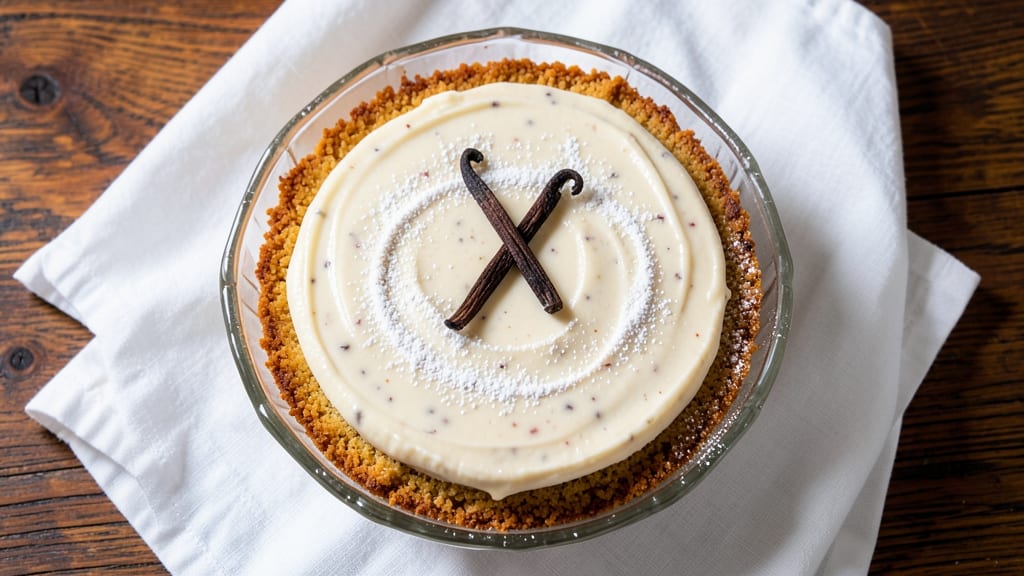
This Polish baked cheesecake recipe delivers the perfect balance of creamy, velvety texture with a delicate vanilla bean swirl that sets it apart. The secret lies in using farmer's cheese for that signature Polish richness while keeping the crust simple with a buttery graham cracker base.
I've perfected this version over years of baking, ensuring it stays moist without being overly dense—just like my babcia used to make.
What makes this recipe truly special is the no-bake crust preparation that saves time while still achieving that satisfying crunch. The filling combines cream cheese, eggs, and vanilla bean for an aromatic depth that transforms a classic dessert into something extraordinary.
Baking in a water bath guarantees a smooth, crack-free finish every time, even for beginners.
By the time you slice into this cheesecake, you'll find layers of silky filling swirled with vanilla bean, all resting on a perfectly crisp crust. The texture is rich yet light, with just enough sweetness to satisfy without overwhelming.
This is the kind of dessert that becomes a family favorite—elegant enough for special occasions but simple enough for weeknight treats.
Serve it with a dusting of powdered sugar, fresh berries, or a drizzle of chocolate glaze for that extra touch of sophistication. The possibilities are endless, but the foundation remains the same: a foolproof method that delivers restaurant-quality results at home. Let's get baking!
Ingredients for polish baked cheesecake
The heart of Polish baking—farmer's cheese, vanilla swirls, and a no-bake crust.
| Ingredient | Amount | Notes |
|---|---|---|
| Farmer's Cheese (Twaróg) 🧀 | 32 oz | Polish farmer's cheese, drained |
| Cream Cheese 🧀 | 16 oz | Full-fat, room temperature |
| Large Eggs 🥚 | 4 whole | Room temperature, separated |
| Granulated Sugar 🍚 | 1 ½ cups | Superfine preferred, but regular works |
| Vanilla Bean 🌿 | 1 whole | Scraped seeds and pod |
| Graham Cracker Crumbs 🍞 | 2 cups | Fine, homemade or store-bought |
| Unsalted Butter 🧈 | ½ cup | Melted, for crust |
| Light Corn Syrup 🍯 | ¼ cup | Or honey for deeper flavor |
| Heavy Cream 🥛 | ½ cup | Whipped to soft peaks |
| Powdered Sugar 🍚 | ¼ cup | For dusting, optional |
| Salt 🧂 | ½ tsp | Kosher or fine sea salt |
| Vanilla Extract 🍯 | 1 tsp | Pure, for extra flavor |
| Lemon Juice 🍋 | 1 tbsp | Freshly squeezed |
Farmer's cheese is the star here—Twaróg is key for that authentic Polish texture. Most Polish markets carry it, but Whole Foods or Kroger's international aisle often has it too. If you can't find it, ricotta or cottage cheese works in a pinch, but drain it well first. The vanilla bean? Madagascar Bourbon is my go-to, but any quality bean will do. Scrape those seeds—don't skip the pod, it adds depth. For the crust, homemade graham crumbs taste better, but the pre-packaged stuff at Trader Joe's is solid too.
No vanilla bean? Double the vanilla extract and add a pinch of cinnamon. Running low on corn syrup? Honey or agave works, but taste first—honey can overpower. The heavy cream should be cold when you whip it, but not ice cold. If you're short on time, store-bought whipped cream (like Reddi-wip) can be thinned with a splash of milk to mimic the texture. For the crust, if you don't have graham crackers, digestive biscuits or crushed gingersnaps add a nice twist. Just make sure everything's fine—no big chunks in the crust.
This keeps beautifully—5 days in the fridge, 2 months frozen. For freezing, wrap tightly in plastic and parchment. The crust stays crisp, but the filling gets even richer after a day. I like to dust with powdered sugar right before serving, but fresh berries or a chocolate drizzle take it to the next level. Leftovers? Slice and reheat for 10 seconds in the microwave—just enough to soften the filling without wrecking the crust.
Why You'll Love This Recipe
- Here’s what sold me: twaróg is cheap, eggs are cheap, and cream cheese stretches further than you’d think. A single batch feeds six, and leftovers? They’re even better the next day—firm enough to slice neatly for breakfast or dessert. No waste, no guilt, just pure satisfaction.
- No Mixer Needed: I’ll admit, I was skeptical about blending farmer’s cheese (twaróg) without a mixer—until I realized you can just mash it with a fork. The cream cheese blends right in, and the eggs bind everything together like magic. No pulsing, no fuss, just smooth filling in minutes.
- Vanilla-Kissed Richness: That split vanilla bean makes all the difference—honestly, I’ve tried powdered vanilla, and this isn’t even in the same league. The twaróg gives it a tangy depth, while the sugar caramelizes just enough to make every bite dangerously addictive. It’s the kind of dessert that makes you close your eyes and sigh.
- Weeknight Hero: Between us, this is my go-to when I need something impressive but low-stress. Bake it for 45 minutes, let it cool, and boom—you’ve got a showstopper that feels homemade. Serve it with berries at a potluck, slice it for a lazy Sunday breakfast, or pack it for lunch. It’s always a hit.
Step-by-step instructions for Polish baked cheesecake
This no-bake method delivers a creamy, crisp-edged cheesecake with minimal effort.
Prepare the Vanilla Bean Swirl Filling
Split the whole vanilla bean lengthwise and scrape out the seeds using the back of a knife. Set aside the seeds and chop the empty pod finely. In a medium bowl, whisk together the 32 oz farmer's cheese (twaróg), 16 oz cream cheese, 1.5 cups granulated sugar, the scraped vanilla seeds, 1 tsp vanilla extract, and 0.5 tsp salt until completely smooth and creamy. This mixture should be thick but pourable—if it's too stiff, add 1 tablespoon of the heavy cream to loosen it.
In a separate small bowl, combine the 0.5 cup heavy cream with the chopped vanilla pod and 0.25 cup light corn syrup. Whip this mixture to soft peaks using a hand mixer. Fold this whipped cream gently into the cheese mixture until just combined. The result should be a thick, glossy batter ready for layering.
Assemble the Crust and Cheesecake Layers
Preheat your oven to 325°F. Grease a 9-inch springform pan thoroughly with melted butter, then sprinkle the bottom and sides with 1 cup of the graham cracker crumbs. Press these firmly into place to create a solid base for your cheesecake. This first layer prevents leaks and adds texture.
Pour half of the cheese mixture into the prepared pan, spreading it evenly across the crust. Then, carefully dollop the whipped vanilla cream mixture on top, creating swirls with the back of a spoon. Pour the remaining cheese mixture over the cream, gently swirling the spoon through the batter to create marbled patterns. The contrast between the smooth cheesecake and creamy swirls is what makes this dessert special.
Bake Until Set and Cool Completely
Place the assembled cheesecake in the preheated oven and bake for 50-60 minutes. The center should still have a slight wobble when gently shaken, but the edges should be set. This gentle baking ensures the texture remains creamy rather than firm. If the top browns too quickly, tent it loosely with aluminum foil after 30 minutes.
Remove the cheesecake from the oven and let it cool completely at room temperature for at least 2 hours. This slow cooling prevents cracking and allows the flavors to meld perfectly. Once cooled, refrigerate for an additional 4 hours or overnight. The longer it chills, the more pronounced the vanilla flavor becomes.
Create the Crumb Topping and Finish
While the cheesecake chills, melt the remaining 0.5 cup unsalted butter in a small saucepan over low heat. Stir in the remaining 1 cup graham cracker crumbs and 1 tbsp lemon juice, mixing until the crumbs are fully coated and the mixture resembles wet sand. Spread this evenly over the top of the cooled cheesecake, pressing down lightly with a spatula.
Sprinkle the 0.25 cup powdered sugar evenly over the crumb topping for a decorative finish. Let the cheesecake sit at room temperature for 30 minutes before slicing to allow the crumbs to set slightly. Serve chilled for the perfect balance of creamy texture and crispy topping.
Pro Tips For Making Polish Baked Cheesecake
- Whip the Cheese First: Mix the farmer’s cheese (twaróg) and cream cheese alone until completely smooth before adding eggs or sugar. I learned this the hard way—lumps in the batter mean a dense, uneven texture, and no amount of folding later fixes it. Take the extra 2 minutes now to save yourself from a brick-like cheesecake later.
- Don’t Overmix the Eggs: After adding eggs, mix just until combined—no need to beat like cake batter. Overworking the eggs incorporates too much air, which causes cracks during baking. A few gentle swirls with a spatula keeps the texture silky and the top smooth.
- Bake Low and Slow: Set your oven to 325°F (160°C)—not 350°F—and bake for 50–60 minutes, not until the edges are set. I used to rush it, and the center would either stay undercooked or overbake into a dry mess. A toothpick with moist crumbs (not clean) is the real test.
- Scrape the Vanilla: Split the vanilla bean lengthwise, scrape out all the seeds, and add both the seeds and the pod to the batter. The pod’s bitterness balances the sweetness, and the seeds add depth. (Yes, even if you’re impatient like me—it’s worth the 30-second scrape.)
Pro cooking tips for perfect results
Water Bath Mastery
Baking cheesecake in a water bath is non-negotiable for that silky texture—it prevents cracking by creating a gentle, even heat. I use a 9-inch springform pan placed inside a larger roasting pan, then add hot water to come halfway up the sides.
The key is starting with boiling water (not cold) to ensure immediate heat transfer. Keep the water hot throughout baking by adding more as it evaporates. 🌡️
Room Temperature Ingredients
Cold ingredients cause uneven mixing and potential lumps. Take your eggs, cream cheese, and heavy cream out of the fridge at least 2 hours before starting. I even let my farmer's cheese sit at room temperature for 30 minutes—this ensures smooth blending without graininess.
Pro tip: Use a hand mixer on medium speed to avoid overwhipping the cream. 🥛
Preventing Cracks
Cheesecake cracks when it cools too quickly. After baking, let it cool completely at room temperature (about 2 hours) before refrigerating. I also recommend covering it loosely with plastic wrap while cooling to trap moisture.
For extra insurance, add 1 tablespoon lemon juice to the batter—it helps stabilize the proteins and reduces shrinkage. 💡
Crust Perfection
The crust should be pressed firmly but not packed too tightly—this prevents leaks and ensures even baking. I melt ½ cup butter and mix it with the graham cracker crumbs until it resembles wet sand, then press it into the pan using a glass measuring cup.
For extra crunch, chill the crust in the freezer for 10 minutes before adding the filling. 🍞
Vanilla Bean Technique
Don’t just use vanilla extract—scrape every seed from the vanilla bean and chop the pod finely. The pod adds subtle bitterness that balances the sweetness. I fold the whipped vanilla cream into the cheese mixture gently to create swirls without deflating the air.
For a bolder flavor, infuse the heavy cream with the vanilla pod while heating it (but don’t boil it). ✨
Baking Time Precision
Overbaking is the enemy of creamy texture. Test doneness by jiggling the pan gently—the center should have a slight wobble (like Jell-O). If it’s set too firm, it’ll dry out.
I pull mine at 50 minutes and check again at 55 minutes. For a golden top, tent with foil after 30 minutes if browning too quickly. ⏰
Nutrition facts
Frequently asked questions
Why does this recipe use farmer's cheese instead of cream cheese?
Farmer's cheese (Twaróg) gives that signature Polish richness and tangy depth that regular cream cheese can't match. It creates a lighter, more delicate texture while keeping the dessert authentically flavorful. For best results, don't substitute with ricotta—it's too mild and watery.
Can I make this cheesecake ahead of time?
This cheesecake actually tastes better after 24 hours in the fridge. The flavors meld beautifully, and the texture becomes even creamier. For parties, assemble it 1 day ahead—just cover tightly and refrigerate. The crumb topping stays crisp even after chilling.
What if my cheesecake cracks during baking?
Cracking usually happens from temperature shifts or overbaking. First, ensure your oven is fully preheated. Second, remove it when the center still has a slight wobble (like Jell-O). Let it cool completely at room temperature before refrigerating. For extra insurance, add 1 tablespoon lemon juice to the batter—it helps stabilize the proteins.
Can I use a different crust instead of graham crackers?
Yes! For a nutty twist, try crushed pecans or almonds mixed with butter. For a chocolate version, use Oreo crumbs or a melted chocolate-graham cracker combo. Just make sure to press the crust firmly into the pan to prevent leaks. The buttery base is key for that perfect texture contrast.
How do I serve this cheesecake for special occasions?
For an elegant presentation, dust with powdered sugar and garnish with fresh berries or a chocolate drizzle. For a Polish touch, add a sprinkle of toasted coconut or a drizzle of blueberry compote. Serve with a side of whipped cream> and a few mint leaves for color. It's perfect for weddings, holidays, or just impressing dinner guests.