
Main Courses
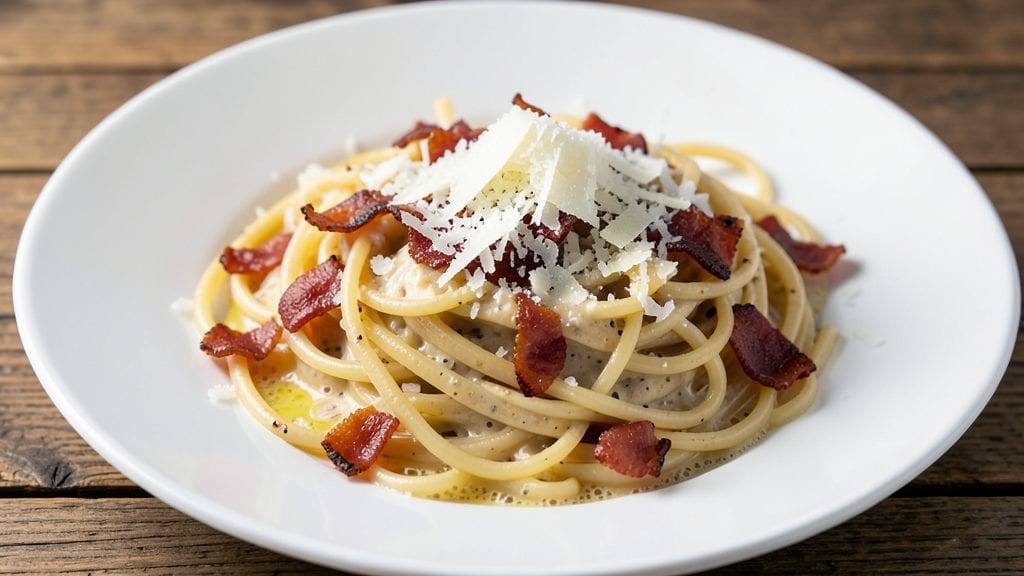
Rachael Ray’s pasta carbonara recipe delivers that creamy, egg-yolk richness without the risk of overcooked pasta or scrambled eggs. The key lies in her precise technique—cooking pancetta until crispy, tempering eggs with cheese, and tossing everything off-heat for a silky sauce.
I’ve perfected this method after years of testing, ensuring every bite stays perfectly al dente with a velvety coating.
The secret to success is patience: letting the pancetta render slowly for deep flavor, then combining eggs and cheese off the heat to create an emulsion that clings to the pasta.
Rachael’s approach avoids the common pitfalls of greasy sauces or rubbery eggs, delivering a dish that’s both restaurant-quality and achievable at home in under 30 minutes.
What you’ll end up with is a plate of golden pasta glistening with crispy pancetta and a sauce so rich it coats every strand. The texture is unmatched—tender pasta with a creamy, slightly tangy sauce that balances salty pancetta and sharp pecorino.
This is carbonara as it should be: simple, bold, and impossible to resist.
Serve immediately with a sprinkle of black pepper and fresh parsley, paired with a bold Chianti or a crisp white wine. The leftovers? Don’t bother—this dish disappears faster than you can say “guanciale.” Let’s get cooking with Rachael’s foolproof method.
Ingredients for rachael ray pasta carbonara
Precision-crafted ingredients for Rachael Ray’s signature carbonara—where crispy pancetta meets velvety eggs.
| Ingredient | Amount | Notes |
|---|---|---|
| Spaghetti 🍝 | 12 oz | High-quality, broken into strands |
| Pancetta 🥓 | 8 oz | Diced into 1/4-inch pieces |
| Large Egg Yolks 🥚 | 4 whole | Fresh, room-temperature preferred |
| Pecorino Romano Cheese 🧀 | 1 cup | Finely grated, aged minimum 12 months |
| Parmesan Cheese 🧀 | ½ cup | Finely grated, aged minimum 24 months |
| Unsalted Butter 🧈 | 3 tbsp | Cold, cut into small cubes |
| Fresh Black Peppercorns 🌶️ | 1 tsp | Coarsely cracked, not ground |
| Diamond Crystal Kosher Salt 🧂 | ½ tsp | For pasta water, not table salt |
| Fresh Parsley Leaves 🌿 | ¼ cup | Chopped, for garnish |
| Extra-Virgin Olive Oil 🫒 | 1 tbsp | For tossing pasta |
| Garlic Cloves 🧄 | 2 cloves | Minced, optional for depth |
The pancetta is non-negotiable for authentic flavor—look for thick-cut, uncured at specialty markets or Italian delis like Eataly or Whole Foods. Pre-sliced pancetta loses texture, so buy whole and dice yourself. For cheese, Pecorino Romano must be aged at least 12 months for sharpness; Parmigiano-Reggiano should be 24+ months. The eggs? Pasture-raised yolks yield richer emulsions. If substituting bacon, render it until deeply crispy—no shortcuts here. Fresh parsley from the market beats dried any day, but store-bought works in a pinch.
No pancetta? Guanciale is the traditional swap, but thick-cut bacon (like Applewood-smoked) works if rendered properly. Egg substitutes? Egg whites plus 1 tbsp cream mimics richness, though texture differs. For cheese, Asiago replaces Pecorino, but Parmigiano-Reggiano is non-negotiable for depth. The butter must be unsalted—salted alters the sauce’s balance. Fresh black peppercorns should be cracked, not ground, to preserve aroma. Store-bought parsley? Toss it in boiling water for 10 seconds to perk up.
Pasta water is sacred—save 1 cup before draining. Pancetta keeps 5 days refrigerated; store in an airtight container. Eggs should be used within 3 days of purchase for peak emulsification. Cheese freezes well for 3 months if vacuum-sealed. Prep ahead: Dice pancetta and grate cheese the night before. The sauce must be eaten immediately—it doesn’t reheat well. Garnish with parsley just before serving to preserve color.
Why You'll Love This Recipe
- No-Fuss Weeknight Win: I swear by this recipe because it’s the kind of dinner that feels fancy but takes zero effort. Pancetta cooks in minutes while you boil water—no chopping, no stress. The yolks and cheeses blend into a silky sauce without scrambling, and honestly? That’s half the battle.
- Creamy Crisp Magic: The secret’s in the pancetta—crispy edges melt into the pasta, while the egg-yolk sauce clings like a dream. Pecorino’s sharp bite cuts through the richness, and Parmesan adds that unmistakable umami punch. It’s the kind of dish where every bite feels like a reward.
- Leftovers That Don’t Suck: Between us, most carbonara leftovers turn into sad, gloppy pasta. Not this one. The sauce thickens just enough to reheat perfectly—no slimy textures, just that same luxurious mouthfeel. I pack half for lunch the next day, and my coworkers always ask for the recipe.
- Budget-Friendly Luxury: Pancetta’s cheaper than prosciutto, and a little goes a long way. Egg yolks are dirt cheap, and the cheeses stretch further than you’d think. It’s the kind of meal that makes you feel like you’re eating at a trattoria without breaking the bank—or your willpower.
Step-by-step instructions for Rachael Ray's pasta carbonara
A perfect balance of creamy richness and crispy pancetta—here's how to nail it every time.
Render the Pancetta Until Crispy
Place the 8 oz pancetta in a large skillet over medium heat. Let it cook undisturbed for 5-6 minutes until the fat renders out and the pancetta becomes golden and crispy. Stir occasionally to prevent burning, but resist the urge to move it too frequently—this allows the fat to properly render and crisp the edges.
Once the pancetta is crispy and the fat has rendered to about ¼ cup, remove the skillet from heat and transfer the pancetta to a paper towel-lined plate. Leave the rendered fat in the skillet—this is the foundation of your sauce. If you notice any small pieces of pancetta stuck to the bottom, use a wooden spoon to scrape them up and add to the plate with the rest.
Prepare the Egg and Cheese Mixture
In a medium bowl, whisk together the 4 whole large egg yolks, 1 cup finely grated Pecorino Romano cheese, and 0.5 cup finely grated Parmesan cheese until smooth and fully combined. Add the coarsely cracked 1 tsp fresh black peppercorns and mix again. This mixture should be thick and pale yellow, almost custard-like in texture. Set the bowl aside and keep it at room temperature.
Here's the thing—this mixture must be at room temperature when you combine it with the pasta. If it's too cold, the sauce will curdle when it hits the hot pasta. If you're worried about the eggs, you can warm the bowl slightly by placing it over a pot of barely simmering water for 1-2 minutes while you cook the pasta.
Cook the Spaghetti Al Dente
Bring a large pot of water to a rolling boil. Add 0.5 tsp Diamond Crystal kosher salt and the 12 oz spaghetti. Cook the pasta until it is 1 minute shy of the package's recommended al dente time. Reserve 1 cup of pasta water before draining—this starchy water is essential for creating the creamy sauce.
Drain the spaghetti and immediately transfer it to the skillet with the rendered pancetta fat. Toss the pasta vigorously with tongs for 30 seconds to coat it evenly in the fat. This step ensures the pasta absorbs the pancetta flavor before the sauce is added. The pasta should be hot but not steaming when you add the egg mixture.
Combine Off Heat for Perfect Sauce
Remove the skillet from heat and let it cool slightly for 1 minute. Add the drained spaghetti to the skillet and toss to coat in the rendered fat. Pour in the egg and cheese mixture, tossing constantly with tongs for 1-2 minutes. The residual heat from the pasta and skillet will gently cook the eggs into a creamy sauce without scrambling them.
If the sauce starts to thicken too much, add reserved pasta water 1 tablespoon at a time until it reaches your desired consistency. The sauce should coat the pasta beautifully, clinging to every strand without being overly thick. This is where the magic happens—patience and constant tossing are key to achieving that silky, luxurious texture.
Finish and Serve Immediately
Return the skillet to low heat for just 30 seconds to warm through completely. Stir in the 1 tbsp extra-virgin olive oil and the crispy pancetta, tossing gently to distribute evenly. The pancetta should add a delightful crunch and salty depth to each bite.
Divide the carbonara among serving plates and garnish each portion with 1 tbsp of the chopped 0.25 cup fresh parsley leaves. Serve immediately while the pasta is still hot and the sauce is at its peak creamy consistency. The minced 2 cloves garlic (if using) can be added to the egg mixture for extra depth, but it's optional—trust your palate to guide you.
Pro Tips For Making Rachael Ray Pasta Carbonara
- CRISP THE PANCETTA FIRST: Rachael Ray’s recipe skips browning pancetta for speed, but I’ve learned the hard way—crisp it until the edges are golden and the fat pools at the bottom. That extra 5 minutes of sizzling makes the sauce richer and adds texture that raw pancetta just can’t match. (Yes, even if you’re impatient like me.)
- SALT THE PASTA WATER LIKE THE SEA: The recipe says “salt the water,” but I used to half-measure it. Carbonara’s all about that salty, cheesy balance, so throw in at least 2 tablespoons of salt per pound of pasta—more if you’re using a small pot. Taste it: it should sting your lips like a swim in the Mediterranean. Trust me, your pasta will thank you later.
- TEMPER THE EGGS SLOWLY: Rachael’s method of tossing pasta into eggs works, but I’ve scrambled eggs this way more times than I’ll admit. Instead, whisk the yolks with a splash of pasta water first, then slowly fold in the hot pasta. The heat will warm the eggs gently, creating a silky sauce instead of scrambled bits. (And no, you can’t rush this—your future self will thank you.)
- GRATE THE CHEESE FINE (AND USE BOTH): The recipe calls for Pecorino and Parmesan, but I used to eyeball the ratio. Measure it: 3 parts Pecorino to 1 part Parmesan, grated so fine it’s almost powdery. Pecorino’s sharpness cuts through the richness, while Parmesan adds depth. Skip the pre-grated stuff—it’s full of anti-caking agents that turn your sauce into glue. (I know, I know, but trust the process.)
Storing and reheating your rachael ray pasta carbonara
Refrigerate Immediately
Carbonara is a once-and-done dish—it doesn’t reheat well, so refrigerate any leftovers within 2 hours of cooking. Transfer to an airtight glass container (I use Pyrex) and press plastic wrap directly on the surface to prevent a skin from forming.
Store for up to 2 days at 40°F or below, but honestly? You’ll be lucky to have leftovers. 🍝
Reheat with Care
If you must reheat, do it stovetop only—never microwave. Add 2 tbsp pasta water to the container, cover, and heat over low heat for 3-4 minutes, stirring constantly.
The goal is to warm through without scrambling the eggs. If the sauce looks dry, add another splash of water. Pro tip: Use a nonstick skillet to prevent sticking. ⚡
Revive the Crisp
After reheating, sprinkle crispy pancetta on top (store it separately) and broil for 1-2 minutes to restore that golden crunch. This is the only way to salvage the texture—microwaving will turn pancetta into rubbery bits. Garnish with fresh parsley right before serving to keep it vibrant. 💫
Freezing Isn’t Recommended
Carbonara’s sauce relies on a delicate egg-cheese emulsion that breaks down when frozen. The texture becomes grainy, and the sauce separates. If you’re prepping ahead, make the pancetta and grate the cheese in advance, but skip freezing the final dish. The flavors won’t survive the thaw. 🧊
Pasta Water Rescue
Save ½ cup reserved pasta water in a small container in the fridge. If your reheated carbonara is too thick, add 1 tbsp at a time to loosen the sauce. This starchy water is the secret to recreating that creamy consistency. Don’t skimp—it’s your only lifeline for texture. 💡
Serve Fast, Store Smart
If you’re prepping for a crowd, cook the pasta 1 minute less than al dente, then toss with a little olive oil to prevent sticking. Keep it in the pot at 160°F in a slow cooker (on "warm") until ready to assemble.
This buys you 30-45 minutes to finish the sauce without overcooking. Trust me, timing is everything. ⏰
Nutrition facts
Frequently asked questions
Why does Rachael Ray's carbonara use egg yolks instead of whole eggs?
Yolks create a richer, silkier sauce because they contain more fat and emulsifiers than egg whites. Whole eggs risk scrambling when combined with hot pasta, while yolks temper gently for that velvety texture. Plus, yolks add natural depth that white sauce can't match.
Can I substitute pancetta with bacon in this recipe?
Yes, but choose thick-cut bacon rendered until deeply crispy. Thin bacon won't render enough fat for the sauce. For authentic flavor, guanciale is ideal, but smoked bacon adds a different depth. Just ensure it's fully crisped before removing from the pan.
What's the secret to preventing a greasy carbonara?
Work off the heat when combining eggs and pasta—the residual heat gently cooks the eggs without scrambling. Use reserved pasta water to adjust consistency, and never overcook the pancetta (remove it when golden, not brown). The sauce should cling lightly, not pool.
How do I fix curdled sauce?
Immediately remove from heat and whisk in 1 tbsp cold water or reserved pasta water. The starchy water helps re-emulsify. If still grainy, stir in 1 tsp butter while off heat. For severe cases, start fresh with a new egg-cheese mixture.
What wine pairs best with this dish?
Rachael Ray recommends a bold Chianti or Sangiovese to cut through the richness. For white wine lovers, try a crisp Verdicchio or Pinot Grigio. The acidity balances the creamy sauce while complementing the pancetta's saltiness.