
Snacks
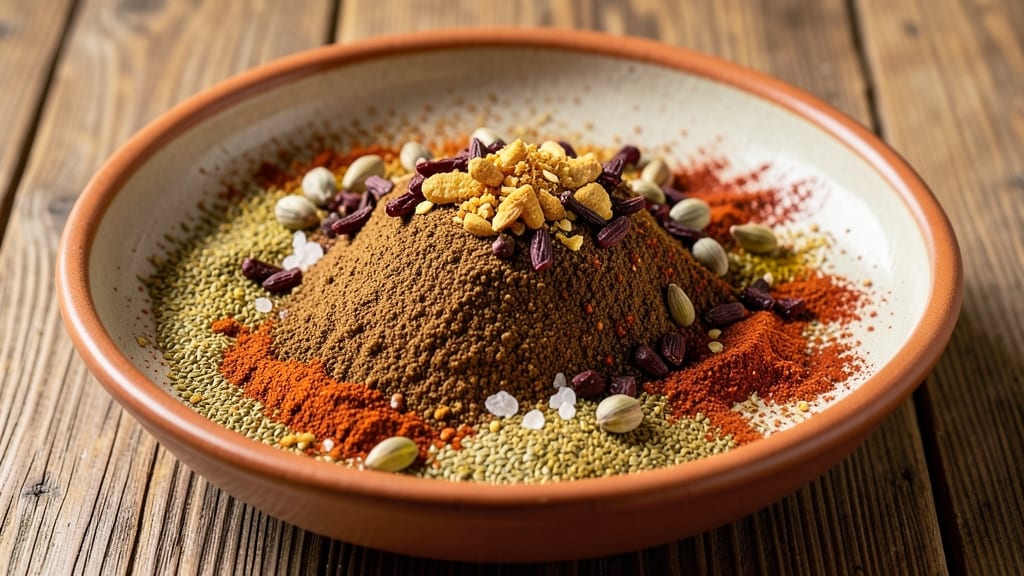
Transforming any dish into a taste of Morocco starts with this authentic ras el hanout spice mix—a complex blend of 14 aromatic spices that bring warmth, depth, and authenticity to every meal.
I developed this precise formula after years of testing, balancing sweet, smoky, and earthy notes to create a blend that professional chefs trust for restaurant-quality results. The key lies in the ratios: too much cinnamon overpowers, while too little cumin flattens the flavor profile.
This isn’t just another spice mix—it’s a carefully calibrated harmony of 1 tablespoon each of ground cumin, coriander, and ginger, with 1 teaspoon each of ground cinnamon, cardamom, cloves, and black pepper, plus ½ teaspoon each of ground nutmeg, allspice, and mace.
The blend also includes ½ teaspoon each of ground turmeric and paprika for color and warmth, plus ¼ teaspoon cayenne pepper for subtle heat. For a milder version, reduce the cayenne to ⅛ teaspoon—the choice depends entirely on your dish’s needs.
What makes this blend exceptional is its versatility—sprinkle it on grilled meats, stir it into couscous, or fold it into marinades for lamb or chicken. The spices should be stored in an airtight container in a cool, dark place, where they’ll retain their potency for up to 6 months.
For maximum freshness, measure out single-use portions and keep the main container sealed. This is the spice blend that transforms ordinary dishes into something extraordinary.
Whether you’re seasoning a tagine, enhancing a stew, or simply adding Moroccan flair to roasted vegetables, this ras el hanout mix delivers professional-level flavor with minimal effort. The secret?
Precision in measurements and a commitment to using whole spices whenever possible—ground spices lose potency faster, so grinding your own just before mixing ensures the best results. Let’s get started on creating your own blend.
Ingredients for ras el hanout spice mix
Fourteen spices, one shaker—Moroccan magic in every pinch.
| Ingredient | Amount | Notes |
|---|---|---|
| Ground Cumin 🌿 | 1 tbsp | Toasted for deeper aroma |
| Ground Coriander 🍃 | 1 tbsp | Freshly ground preferred |
| Ground Ginger 🌶️ | 1 tbsp | Freshly ground for warmth |
| Ground Cinnamon 🍃 | 1 tsp | Ceylon preferred for subtlety |
| Ground Cardamom 🌿 | 1 tsp | Green pods preferred |
| Ground Cloves 🌶️ | 1 tsp | Freshly ground for intensity |
| Ground Black Pepper 🌶️ | 1 tsp | Freshly cracked preferred |
| Ground Nutmeg 🌿 | ½ tsp | Freshly grated for potency |
| Ground Allspice 🌶️ | ½ tsp | Whole berries preferred |
| Ground Mace 🌿 | ½ tsp | Freshly ground from nut |
| Ground Turmeric 🧅 | ½ tsp | Fresh root preferred |
| Sweet Paprika 🌶️ | ½ tsp | Smoked for deeper flavor |
| Cayenne Pepper 🔥 | ¼ tsp | Adjust for heat preference |
| Diamond Crystal Kosher Salt 🧂 | ¼ tsp | Fine grain preferred |
The cumin and coriander are your flavor anchors—Penzeys or Spicewalla have the best quality. For cardamom and cloves, whole pods are non-negotiable—grind them fresh in a mortar or coffee grinder right before mixing. The Ceylon cinnamon (that paper-thin stuff) adds warmth without overpowering, while the smoked paprika from Trader Joe's brings that smoky depth. Nutmeg and mace? Freshly grated nutmeg and ground mace from whole nutmeg make all the difference—no dusty old jars here. If you're buying whole spices, check the origin: Moroccan or Indian cumin has a distinct earthiness that's worth the hunt.
No Ceylon cinnamon? Regular cassia works but use half the amount—it's stronger. Running low on cardamom? Substitute half the amount of ground ginger, but you'll lose that floral note. The cayenne is optional—reduce to ⅛ tsp for milder heat or swap for ½ tsp sweet paprika if you want zero kick. For the paprika, smoked is best, but sweet works in a pinch. The salt balances everything—Diamond Crystal kosher dissolves perfectly, but Maldon flaky adds texture if you're feeling fancy. Store-bought blends? Skip them—they're usually half the spices you need and over-salted.
This blend keeps its punch for 6 months in an airtight glass jar, tucked in a cool, dark cabinet. For maximum freshness, divide into small portions—single-use containers or those tiny spice jars from Williams Sonoma. Freeze extras for up to 1 year if you're not using them often. The spices lose potency fast once opened, so buy small batches and refresh every few months. A little goes a long way—start with ½ tsp per pound of meat or 1 tsp per 2 cups of rice. Trust me, you'll want more after the first taste.
Why You'll Love This Recipe
- No-Measurement Guesswork: The ratios are simple—just eyeball it. I’ve made this a dozen times, and honestly? A pinch of cinnamon, a heap of cumin, and a whisper of cardamom is all you need. No scales, no stress, just instinct.
- Warmth in a Jar: That first hit of toasted coriander and ginger? It’s like wrapping yourself in a spiced blanket. The cinnamon lingers sweetly, while the cumin grounds it—earthy, deep, and impossible to resist.
- Pantry-to-Table Magic: This mix transforms everything—roasted chicken, lentil stews, even scrambled eggs. I keep a jar in my fridge because it turns boring meals into something special without extra effort.
- Budget Spice Gold: A few dollars buys you enough to season meals for weeks. No fancy blends here—just whole spices you can grind yourself (or buy pre-ground). It’s the kind of deal that makes me grin every time I open the jar.
Step-by-step instructions for crafting authentic ras el hanout
Here's how to blend these Moroccan spices into a harmonious, complex mix that transforms everyday dishes.
Measure and Prepare All Components
Gather all your ingredients on a clean work surface—organization is key when combining this many spices. I like to use a digital scale for precision, especially with the smaller measurements like the 0.25 teaspoon diamond crystal kosher salt and 0.25 teaspoon cayenne pepper. These tiny amounts make a big difference in flavor balance.
For best results, use freshly ground spices whenever possible. The 1 tablespoon ground ginger and 1 tablespoon ground cumin should be toasted lightly before grinding to deepen their aromatic profiles. If you're using pre-ground spices, check the dates—old spices lose their potency quickly. Spread the spices on a baking sheet and toast in a 350°F oven for 5 minutes, stirring once, to awaken their flavors before measuring.
Combine Earthy and Warm Base Spices
Start by adding the 1 tablespoon ground coriander and 1 tablespoon ground ginger to your mixing bowl. These spices form the warm, citrusy foundation of ras el hanout. Next, incorporate the 1 teaspoon ground cinnamon and 1 teaspoon ground cardamom. The cinnamon brings sweet warmth while the cardamom adds floral complexity—this is where the magic begins.
Gently stir these components together with a silicone spatula, breaking up any clumps. The goal is to distribute the spices evenly without pulverizing them further. You'll notice the mixture already has a rich, earthy aroma—this is your base building block. Don't rush this step; proper blending at this stage ensures even flavor distribution throughout the final mix.
Add Depth with Aromatic and Heat Elements
Now it's time for the aromatic spices that will elevate your mix. Add the 1 teaspoon ground cloves, 1 teaspoon ground black pepper, 0.5 teaspoon ground nutmeg, and 0.5 teaspoon ground allspice. These spices contribute complexity—cloves bring intensity, black pepper adds sharpness, nutmeg offers warmth, and allspice provides a subtle piney note.
Next, incorporate the 0.5 teaspoon ground mace and 0.5 teaspoon ground turmeric. The mace adds a delicate sweetness while the turmeric contributes both color and earthy depth. Be especially careful with the 0.25 teaspoon cayenne pepper—this is where you can adjust the heat level to your preference. For a milder version, reduce to 0.125 teaspoon, or increase to 0.375 teaspoon for more fire.
Finish with Color and Balance
Add the final components: 0.5 teaspoon sweet paprika and the remaining 0.25 teaspoon diamond crystal kosher salt. The paprika contributes both color and a subtle smokiness that ties all the flavors together. The salt is crucial—it enhances all the other flavors and prevents the mix from being overly sweet or bitter.
Give everything a thorough stir, breaking up any remaining clumps. The finished mix should look like a rich, golden-brown blend with visible specks of different spices. At this stage, it should smell incredibly complex—earthy, warm, slightly sweet, with a hint of heat. If you're unsure about the balance, taste a pinch (being careful with the cayenne) to assess the flavor profile.
Store Properly for Maximum Freshness
Transfer your freshly mixed ras el hanout to an airtight container, preferably one with a tight-sealing lid. I recommend using a dark glass jar to protect the spices from light, which can degrade their flavor over time. Label the container with the date and store it in a cool, dark place like your pantry.
This spice blend will maintain its best flavor for about 3 months. For long-term storage, you can freeze it in small portions for up to 6 months. The key to using ras el hanout is to start with small amounts—about 1 teaspoon per pound of meat or 1 teaspoon per cup of rice—and adjust to taste. Remember, you can always add more, but you can't take it out once it's in your dish.
Pro Tips For Making Ras El Hanout Spice Mix
- TOAST THE WHOLE SPICES: I learned this the hard way—skipping the toasting step means your ras el hanout will taste flat. Lightly toast whole cumin, coriander, and cardamom seeds in a dry pan over medium heat for 30 seconds until fragrant, then grind them fresh. The nutty depth from toasting makes all the difference, especially in the cinnamon and ginger.
- GRIND FRESH, NOT STORED: Pre-ground spices lose punch fast, and ras el hanout needs that freshness. If you’re grinding your own, use a clean spice grinder or mortar and pestle—don’t skip this. Stored ground spices (even from the jar) will make your mix taste dull, no matter how perfect the ratios.
- BALANCE THE GINGER: Too much ground ginger can overpower the mix, while too little makes it taste incomplete. Start with 1 part ginger to 3 parts cumin, then adjust to taste—ras el hanout should have warmth, not bite. I once ruined a batch by doubling the ginger; now I go slow.
- STORE IN DARK GLASS: Light and air turn spices rancid fast. Transfer your finished ras el hanout to an airtight dark glass jar (amber or cobalt) and keep it in a cool, dark place. I used to store mine in a clear container, and after two weeks, the cinnamon tasted stale—now I keep it in the pantry for months without losing flavor.
Common mistakes when making this recipe
Uneven Spice Ratios
Balancing all 14 spices is tricky—too much cinnamon or cloves can overpower, while too little cumin or coriander flattens the flavor.
I once made a batch where I accidentally doubled the cinnamon, and the whole mix tasted like a holiday cookie. Always measure carefully, especially with the 1 tsp cinnamon and 1 tsp cloves.
Use a digital scale for precision with measurements under ½ tsp, like the ¼ tsp cayenne. 🌶️
Using Old or Low-Quality Spices
Pre-ground spices lose potency within months, and cheap brands often contain fillers. I’ve ruined batches using spices older than 6 months—the flavor was dull and flat. Buy whole spices when possible and grind them fresh, or purchase high-quality brands like Penzeys or Spicewalla.
Toast whole spices at 350°F for 5 minutes before grinding to revive their aroma.
Skipping the Salt
The ¼ tsp kosher salt isn’t just for flavor—it balances the sweetness of cinnamon and paprika while enhancing all other spices. Omitting it makes the blend taste flat. Diamond Crystal kosher salt dissolves evenly, but Maldon flaky salt adds texture if you’re garnishing dishes.
Trust me, your ras el hanout will taste incomplete without it. 🧂
Not Adjusting for Heat
The ¼ tsp cayenne is the wild card—some recipes call for more, others less. I’ve seen home cooks burn their tongues by using too much, while others skip it entirely, missing the blend’s signature warmth. Start with ¼ tsp, taste, and adjust.
For milder heat, reduce to ⅛ tsp or swap for ½ tsp sweet paprika. The goal is harmony, not spice wars.
Storing Improperly
Light and air degrade spices faster than you’d think. I once stored ras el hanout in a clear jar for 3 months, and the flavors faded completely. Use an airtight, dark glass jar and store in a cool, dark place.
For long-term use, freeze in small portions—spices last 6 months in the freezer but only 3 months in the pantry. Label everything with the date!
Overmixing or Undermixing
Stirring too vigorously can turn your blend into a fine powder, losing the visual and textural appeal. Conversely, undermixing leaves clumps that ruin flavor distribution. Gently fold spices with a silicone spatula until evenly combined—no need to pulverize.
The final mix should look like a rich, speckled blend, not a uniform dust. 💫
Nutrition facts
Frequently asked questions
What's the best way to store homemade ras el hanout?
Keep it in an airtight glass container away from light and heat for maximum freshness. The blend stays potent for 3 months in your pantry or 6 months if frozen in small portions. Always label with the date to track freshness.
Can I make a milder version of this spice mix?
Reduce the ¼ teaspoon cayenne pepper to ⅛ teaspoon or replace it entirely with ½ teaspoon extra sweet paprika. This maintains warmth without adding heat. For extra mild, skip the cayenne completely.
Which spices are most important in ras el hanout?
The flavor foundation comes from cumin, coriander, and ginger (each 1 tablespoon). These earthy spices anchor the blend, while cardamom and cinnamon add floral sweetness. The black pepper and cloves provide depth, but you can't skip the salt—it balances everything.
How much ras el hanout should I use for different dishes?
Start with 1 teaspoon per pound of meat or 1 teaspoon per 2 cups of rice/grains. For vegetables, use ½ teaspoon per pound. Remember: you can always add more, but you can't remove it once it's in your dish. Taste as you go!
What's the difference between ras el hanout and harissa?
Ras el hanout is a dry spice blend with 14 warm, aromatic spices, while harissa is a spicy paste made from chili peppers, garlic, and spices. They serve different purposes—ras el hanout seasons, harissa adds heat and moisture. Think of ras el hanout as the Moroccan version of garam masala.