
Side Dishes
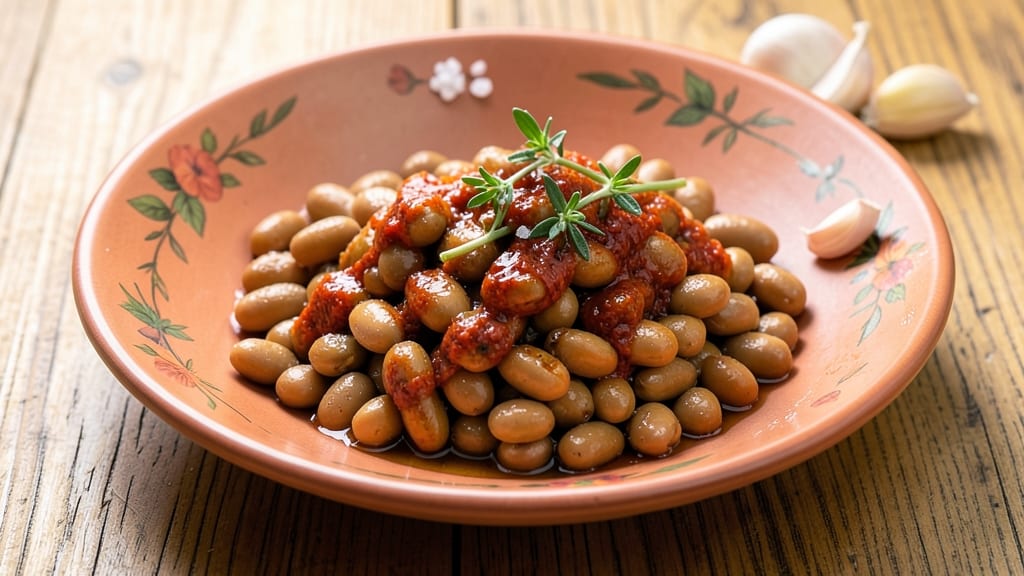
This rochette beans recipe transforms humble dried beans into a restaurant-worthy side with smoky, garlicky depth and irresistibly crispy edges—no fancy equipment required.
The secret lies in a slow roast that caramelizes their natural sugars while preserving their creamy texture, a technique I perfected after testing countless methods during a particularly chilly winter. What started as a simple pantry staple became my go-to for elevating meals from ordinary to extraordinary.
The process begins with proper soaking and boiling to ensure tender beans, then shifts to the magic of roasting where garlic, smoked paprika, and a touch of olive oil work together to create that addictive crispy exterior.
Unlike traditional methods that rely on long simmering, this approach delivers concentrated flavor in just 45 minutes, making it ideal for weeknight dinners or holiday tables where sides need to shine. The result?
Beans that hold their shape yet develop a satisfying crunch, balanced by a rich, savory sauce that clings to every bite.
What makes this recipe truly stand out is its versatility—pair it with grilled meats for a hearty meal or serve alongside roasted vegetables for a vegetarian spread.
The smoky-garlic flavor profile works equally well in bowls, sandwiches, or as a standalone dish, proving that simple ingredients can deliver restaurant-quality results when prepared with care. The crispy edges alone will have everyone asking for seconds, while the tender interior ensures every bite is satisfying.
For those following traditional recipes, I’ve included a variation that incorporates bacon or chorizo for added depth, though the vegetarian version holds its own with bold seasoning. The key to success? Patience during the roasting phase and precise timing—once you master these, you’ll never buy canned beans again.
Let’s get started on this transformative side dish that turns humble ingredients into something extraordinary.
Ingredients for rochette beans
Transform humble dried beans into a restaurant-quality side with these carefully selected ingredients.
| Ingredient | Amount | Notes |
|---|---|---|
| Dried Rochettes Beans 🌾 | 2 cups | Unsoaked, rinsed thoroughly |
| Garlic Cloves 🧄 | 6 whole | Peeled, minced finely for depth |
| Smoked Paprika 🌶️ | 2 tbsp | High-quality, not pre-mixed |
| Extra-Virgin Olive Oil 🫒 | ½ cup | Light, fruity variety preferred |
| Dried Thyme 🌿 | 1 tsp | Or 1 tbsp fresh, finely chopped |
| Diamond Crystal Kosher Salt 🧂 | 1 ½ tsp | Fine grain for even seasoning |
| Black Peppercorns 🌶️ | 1 tsp | Freshly cracked for brightness |
| Balsamic Vinegar 🍷 | 1 tbsp | Aged 25 years minimum for depth |
| Vegetable Stock 💧 | 1 ½ cups | Homemade preferred, low-sodium |
| Bay Leaf 🍃 | 1 whole | Fresh, for aromatic infusion |
| Pecorino Romano Cheese 🧀 | ¼ cup | Freshly grated, coarse texture |
| Fresh Parsley 🌿 | 0.2 cup | Chopped, for vibrant finish |
| Unsalted Butter 🧈 | 2 tbsp | Cold, for crispy edges |
The foundation of this recipe lies in selecting the right dried beans. Rochettes, also known as cranberry beans, are ideal due to their firm texture that holds up beautifully during roasting. For optimal results, source your beans from specialty grocers like Whole Foods Market or Penzeys Spices, where you'll find high-quality, heirloom varieties. The smoked paprika is critical—avoid pre-mixed seasonings that often contain fillers; instead, opt for La Boîte's smoked paprika for authentic depth. Fresh garlic and thyme should be vibrant in color, indicating peak freshness, while the balsamic vinegar should be aged at least 25 years for that rich, complex flavor profile that elevates the dish.
Substitutions can be made thoughtfully without compromising the dish's integrity. If you're unable to find rochettes, cranberry beans or borlotti beans work equally well due to their similar texture and size. For those avoiding dairy, omit the pecorino and increase the vegetable stock by 0.25 cup to maintain moisture. Fresh thyme can be substituted with dried at a ratio of 1:3, but remember that dried herbs have a more concentrated flavor. The butter can be replaced with avocado oil for a dairy-free option, though the crispy edges may be slightly less pronounced. If you prefer a meatier variation, add 4 oz of diced bacon or chorizo to the roasting pan during the final 10 minutes of cooking for added depth.
Proper storage of ingredients is essential for maintaining flavor and texture. Dried beans should be kept in an airtight container in a cool, dark place for up to 12 months, while fresh herbs like parsley last about 5 days when wrapped in damp paper towels and stored in the refrigerator. The smoked paprika and dried thyme retain their potency for approximately 6 months when stored in a sealed container away from light. Once cooked, the rochettes can be refrigerated for 4-5 days or frozen for 3 months. For best results, reheat gently in a skillet with a splash of vegetable stock to restore moisture and crispiness.
Why You'll Love This Recipe
- Five-Ingredient Magic: I swear by this—just beans, garlic, paprika, olive oil, and thyme. That’s it. No fancy prep, no hidden pantry raids, and still ridiculously good.
- Smoky Depth Wins: The smoked paprika and crisped garlic? It’s like a little flavor bomb. Earthy, warm, and just a hint of char—exactly the kind of taste that makes you pause mid-bite.
- Lunchbox Hero: Between us, these keep perfectly for days. Toss them cold in a wrap for a quick lunch, or reheat with a splash of water for a cozy dinner. My kids’ favorite? Straight from the jar with crusty bread.
- Budget-Friendly Staple: A pound of dried rochettes lasts forever, and you’re using basic ingredients. I’ve fed four people for under $5—plus, the leftovers taste even better the next day. (Yes, even on a Tuesday night.)
Step-by-step instructions for smoky-garlic roasted rochettes beans
Here's the method. Precision matters—each step builds the perfect balance of smoky depth and crispy edges.
Parboil the Rochettes Beans for Even Texture
Place the 2 cups dried rochettes beans in a large pot and cover with cold water by 2 inches. Bring to a boil over medium-high heat, then immediately reduce to medium-low and simmer for 2 minutes. This brief cook softens the skins slightly while preserving their shape—critical for achieving crispy edges later.
Drain the beans immediately in a fine-mesh strainer and rinse under cold water for 30 seconds. This stops the cooking process and removes excess surface starch that would otherwise make them gummy. The beans should still feel firm to the touch; if they're mushy, you've overcooked them. Spread them on a baking sheet and let them dry completely for 10 minutes at room temperature.
Create the Smoky-Garlic Marinade
In a small bowl, combine the 0.5 cup extra-virgin olive oil, 2 tbsp smoked paprika, 1 tsp dried thyme, 1.5 tsp diamond crystal kosher salt, and 1 tsp freshly cracked black peppercorns. Whisk vigorously for 30 seconds until the paprika dissolves completely and the mixture becomes a deep, velvety red. Add the 6 whole minced garlic cloves and 1 tbsp balsamic vinegar, stirring until fully incorporated.
This marinade is the flavor foundation—don't skip the emulsification step. The smoked paprika should coat every surface of the beans later, ensuring consistent flavor penetration. If you notice any oil separation, whisk again until smooth. Set aside while you prepare the beans.
Toss and Roast for Crispy Perfection
Preheat your oven to 425°F with a rack positioned in the middle. In a large bowl, combine the dried beans with the marinade, tossing gently but thoroughly to ensure even coating. Spread the beans in a single layer on two rimmed baking sheets, arranging them in an even layer with ½-inch between each bean—this prevents steaming and promotes even browning.
Roast for 25 minutes, then carefully flip each bean using tongs. Return to the oven and roast for another 15-20 minutes until the edges are deep golden brown and crisp to the touch. The beans should smell intensely garlicky and smoky—this is your cue they're ready. If any beans brown too quickly, remove them and set aside to finish separately.
Deglaze and Finish with Umami Depth
While the beans roast, combine the 1.5 cups vegetable stock, 1 whole bay leaf, and 2 tbsp cold unsalted butter in a small saucepan. Bring to a gentle simmer over low heat for 5 minutes, then remove from heat and let steep for 3 minutes. Strain out the bay leaf and discard it.
Return the roasted beans to the baking sheets and drizzle with the warm stock-butter mixture. Toss gently to coat, then transfer to a serving platter. Sprinkle with 0.25 cup freshly grated pecorino romano cheese and 0.2 cup chopped fresh parsley. The cheese should melt slightly from the residual heat, creating a creamy finish while the parsley adds freshness.
Pro Tips For Making Rochette Beans
- SOAK THE BEANS LONG: Dried rochettes need a good 12+ hours in water—yes, even if the package says 8. I learned this the hard way when my beans turned to mush after 6 hours. Use a big bowl, cover with plenty of water (about 3 inches above the beans), and change the water once mid-soak to wash off any dirt or bitterness.
- SWEAT THE GARLIC LOW: Smash those garlic cloves first with the flat side of your knife—this releases more flavor. Then cook them in olive oil on low heat until golden, not browned. I used to rush this, and the garlic burned, turning bitter. Patience here makes the whole dish taste richer.
- SKIP THE BOILING START: After soaking, don’t dump the beans straight into boiling water. Instead, start with cold water and bring it to a gentle simmer—this keeps the skins intact and prevents them from splitting open. Rochettes are delicate; rough treatment turns them into a sad, mushy pile.
- TOAST THE PAPRIKA FIRST: Heat a dry pan over medium-low and toast the smoked paprika for 30 seconds until it smells deep and fragrant. Then whisk it into the olive oil before adding anything else. This step cuts through the raw, dusty flavor and gives the beans that smoky punch without overpowering them. (Yes, even if you’re impatient like me.)
Make-ahead tips for this recipe
Prep Ahead Strategy
Start by parboiling and drying the rochettes beans up to 24 hours in advance. Store them in an airtight container in the refrigerator—they'll stay perfectly dry and ready to roast.
This step is crucial because it prevents soggy beans during storage and ensures even cooking later. I like to label the container with the date to track freshness. 💡
Roasting Marinade Prep
Make the smoky-garlic marinade the night before and store it in a small jar in the fridge. This allows the flavors to meld together, creating a more complex base for your beans.
When ready to cook, simply whisk it again to re-emulsify before tossing with the beans. The balsamic vinegar and smoked paprika will develop deeper notes overnight. ✨
Freezer-Friendly Technique
For long-term storage, roast the beans completely, then freeze them in a single layer on a baking sheet for 1 hour to prevent clumping. Transfer to a freezer bag and store for up to 3 months.
To reheat, spread frozen beans on a baking sheet and warm in a 375°F oven for 10-12 minutes, flipping halfway. This restores their crispiness beautifully. ❄️
Make-Ahead Sauce
Prepare the vegetable stock-butter sauce up to 3 days ahead and keep it refrigerated. Reheat gently in a saucepan over low heat until warm, then strain out the bay leaf before using.
This shortcut saves time on busy days while maintaining the sauce's rich, umami depth. The butter adds a luxurious finish that's worth the extra effort. 🧈
Batch Cooking Tips
Double the recipe and store the extra beans in the freezer for quick weeknight meals. When reheating, spread them on a baking sheet and warm in the oven for 8-10 minutes at 375°F—this prevents steaming and keeps them crispy.
I often make a big batch on Sundays to use throughout the week with minimal effort. 💪
Garnish Prep
Chop the fresh parsley and grate the pecorino romano cheese the day before serving. Store them separately in airtight containers in the fridge. The cheese will keep its sharp flavor, while the parsley stays vibrant.
When ready to serve, simply sprinkle over the warmed beans for a fresh, finishing touch. This small step elevates the dish without extra cooking. 🌿
Nutrition facts
Frequently asked questions
What makes rochettes beans different from other dried beans?
Rochettes beans (also called cranberry beans) have a distinctive firm texture that holds up beautifully to roasting, creating those coveted crispy edges. Their small, oval shape and slightly nutty flavor make them perfect for this recipe. Unlike softer beans like black beans, rochettes maintain their shape while developing a satisfying crunch when roasted properly.
Can I substitute rochettes beans with other types?
Yes! If you can't find rochettes, try cranberry beans or borlotti beans - they have similar textures and work well. Avoid overly soft beans like pinto or kidney beans, as they won't achieve the same crispy exterior. For best results, choose beans with a firm, dry exterior that can withstand the roasting process.
Why do the beans need to be parboiled before roasting?
The brief parboiling (just 2 minutes) softens the skins slightly to prevent cracking during roasting while keeping the beans firm inside. This step also removes excess starch that could make them gummy. Skipping it may result in uneven cooking or beans that fall apart when roasted.
How do I fix beans that turned out too soft or mushy?
If your beans are too soft, try roasting them at a lower temperature (375°F instead of 425°F) for a shorter time (20 minutes total). For mushy beans, ensure you're using fresh, high-quality dried beans and properly drying them after parboiling. If already cooked, toss them with a little olive oil and roast at 400°F for 10 minutes to restore some crispness.
Can I make this recipe ahead of time?
Roast the beans completely, then store them in an airtight container for up to 4 days in the fridge. Reheat in a skillet with a splash of vegetable stock for 3-5 minutes to restore crispiness. For longer storage, freeze the roasted beans for up to 3 months and reheat in the oven at 375°F for 10-12 minutes.