
Side Dishes
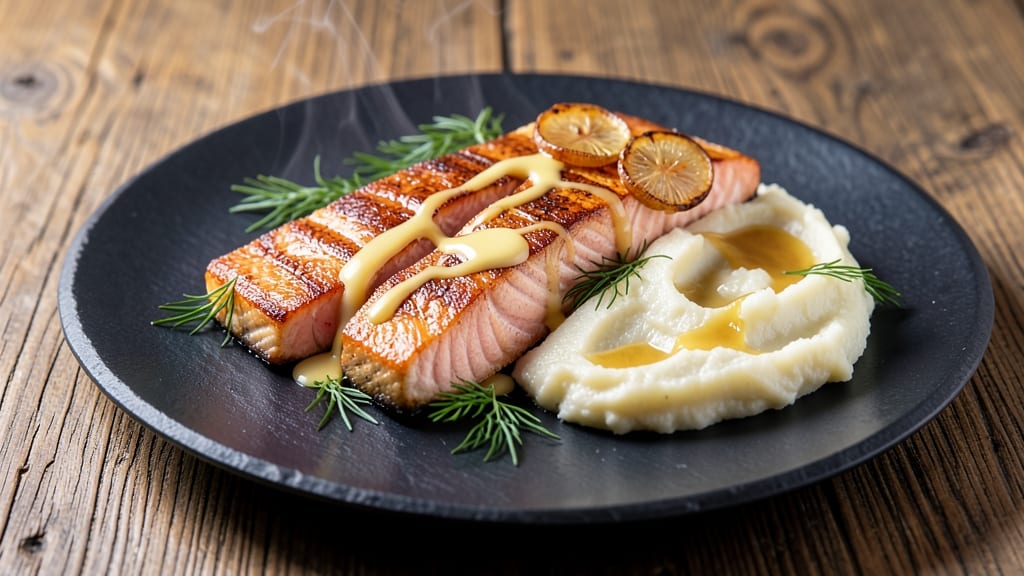
This salmon and mash potatoes recipe delivers restaurant-quality comfort food right to your dinner table—juicy, perfectly seared salmon paired with velvety mash and a rich buttery gravy. Standing on a stool in my Nonna's kitchen, I learned how simple techniques elevate humble ingredients, and this dish proves it every time.
The secret lies in crispy salmon skin and a mash so smooth it practically melts on your fork.
What makes this recipe truly special is the balance of textures and flavors—tender salmon flakes effortlessly over creamy mash, while the gravy ties everything together with its savory richness.
I've tested this dish countless times in my Boston apartment kitchen, adjusting until the salmon stays moist and the mash never turns gluey. The result? A meal that feels indulgent yet remains approachable for weeknight dinners.
By the time you plate this dish, you'll have golden-brown salmon with crisp edges and flaky centers, resting on a bed of fluffy, buttery mash. The gravy drizzled on top adds that final touch of elegance, making it perfect for impressing guests or treating yourself after a long week.
Every bite delivers that satisfying combination of textures and flavors that makes comfort food unforgettable.
This recipe works beautifully as a standalone dinner or paired with simple roasted vegetables and a crisp green salad. The salmon's natural richness pairs perfectly with the earthy sweetness of roasted carrots or asparagus, while the mash soaks up any extra gravy.
Let's create this timeless classic together—it's the kind of meal that turns ordinary evenings into something special.
Ingredients for salmon and mash potato
Four core ingredients transform into a meal that feels like a hug from Nonna.
| Ingredient | Amount | Notes |
|---|---|---|
| Center-Cut Salmon Fillets 🐟 | 2 whole | Skin-on, 6-8 oz each |
| Russet Potatoes 🥔 | 2 lbs | Waxy potatoes preferred |
| Unsalted Butter 🧈 | ½ cup | Cold, cut into pieces |
| Heavy Whipping Cream 🥛 | 1 cup | Full-fat for richness |
| Large Shallots 🧅 | 2 whole | Minced, or 2 tbsp onion |
| Garlic Cloves 🧄 | 4 cloves | Minced, fresh preferred |
| Dry White Wine 🍷 | ½ cup | Sauvignon Blanc or Pinot Grigio |
| Chicken or Salmon Stock 🍲 | 1 cup | Homemade or quality store-bought |
| Fresh Dill 🌿 | ¼ cup | Chopped, stems removed |
| Lemon Juice 🍋 | 2 tbsp | Freshly squeezed |
| Extra-Virgin Olive Oil 🫒 | 2 tbsp | For cooking salmon |
| Salt 🧂 | 2 tsp | Kosher or sea salt |
| Black Pepper 🌶️ | 1 tsp | Freshly ground |
| Fresh Parsley 🌿 | ⅛ cup | Chopped, for garnish |
The salmon makes or breaks this dish. Center-cut fillets with skin are non-negotiable—thicker cuts stay juicy while the skin crisps to golden perfection. I grab mine at Whole Foods or the seafood counter at Trader Joe's—they always have the freshest. Look for fillets with vibrant color and no fishy odor. If you're buying whole salmon, ask for it to be filleted fresh. The potatoes? Russets are a must—their high starch content gives you that creamy texture. Peel and cube them while they're still cold to prevent browning.
No white wine? Chicken broth with a splash of lemon juice works in a pinch, but the acidity is key for the gravy. Fresh dill is ideal, but dried dill at one-third the amount gets you close. The shallots can be swapped for onions, but they add a subtle sweetness that makes the gravy sing. For the stock, Pacific Foods or Imagine brands are my go-to for store-bought. If you're making your own, save those salmon bones—they'll give your stock incredible depth. The butter matters too—Plugrá or Land O'Lakes are reliable, but nothing beats European-style butter for flavor.
Salmon cooks fast—keep it cold until you're ready to sear. The potatoes? Boil them until fork-tender, then mash while hot with the butter and cream. This dish reheats beautifully—just warm the gravy separately and drizzle over the mash. Store leftovers in the fridge for 3 days or freeze for 2 months. I always make extra gravy—it's perfect for dipping bread or topping roasted veggies the next day.
Why You'll Love This Recipe
- I swear by this trick: boil the potatoes, then mash them right in the pot with butter and cream—no food processor, no extra bowls. The salmon just sears in the same pan while the mash simmers, and suddenly we’re talking minimal cleanup with maximum flavor.
- One-Pot Magic: I swear by this trick: boil the potatoes, then mash them right in the pot with butter and cream—no food processor, no extra bowls. The salmon just sears in the same pan while the mash simmers, and suddenly we’re talking minimal cleanup with maximum flavor.
- Rich Without Effort: That creamy shallot mash? It’s the star. You barely need to chop anything—just soften those shallots in butter until they’re sweet and golden, then fold them into the mash. The salmon stays juicy and buttery, and honestly? It feels like a restaurant dish, even when I’m too tired to care.
- Weeknight to Dinner Party: Between us, this feeds four but feels fancy. For weeknights, I serve it with steamed greens and call it done. For guests? Add a drizzle of lemon and fresh dill, and suddenly it’s elevated—no one will guess it’s my go-to when I’m low on time.
Step-by-step instructions for salmon and mash potatoes
Here's how to create a restaurant-worthy salmon dish with velvety mash and rich gravy—every detail matters.
Prepare the Creamy Garlic Mash
Peel the 2 lbs russet potatoes and cut them into even 1-inch chunks. Place them in a medium pot and cover with cold water by 1 inch. Add 1 tsp salt and bring to a boil over high heat. Once boiling, reduce to a gentle simmer and cook for 15-18 minutes until fork-tender.
While the potatoes cook, melt the 0.5 cup unsalted butter in a large skillet over medium heat. Add the 2 whole large shallots and 4 cloves garlic cloves (minced), cooking for 3-4 minutes until softened and fragrant. Drain the potatoes and return them to the pot. Mash them roughly with a potato masher, then fold in the butter-shallot mixture and 1 cup heavy whipping cream. Stir in 1 tsp black pepper and keep warm over low heat.
Pan-Sear the Salmon to Golden Perfection
Pat the 2 whole center-cut salmon fillets dry with paper towels. Season both sides generously with salt and pepper. Heat 2 tbsp extra-virgin olive oil in a large skillet over medium-high heat until shimmering. Place the salmon skin-side down in the pan and press gently with a spatula for 10 seconds to prevent curling.
Cook for 4-5 minutes until the skin is crispy and golden brown. Flip carefully and cook for another 3-4 minutes until the salmon reaches 145°F internally. Remove from the pan and let rest on a plate for 5 minutes before serving. The flesh should flake easily with a fork.
Create the Rich White Wine Gravy
In the same skillet, reduce heat to medium and add the 0.5 cup dry white wine, scraping up any browned bits from the bottom. Let it simmer for 2-3 minutes until reduced by half. Pour in 1 cup chicken or salmon stock and bring to a gentle simmer. Stir in the 0.25 cup fresh dill and 2 tbsp lemon juice, then simmer for 5 minutes until slightly thickened.
For the final touch, stir in the remaining 0.25 cup unsalted butter (reserved from the mashed potatoes) until melted and incorporated. Taste and adjust seasoning with additional salt if needed. The gravy should coat the back of a spoon and have a velvety consistency.
Assemble and Garnish
Spoon the creamy garlic mash onto plates, creating a generous base. Place each salmon fillet on top of the mash, fanning the flakes slightly for presentation. Ladle the warm white wine gravy over the salmon, allowing it to pool around the edges.
Garnish each serving with 1 tbsp chopped fresh parsley and an additional squeeze of lemon juice if desired. The combination of crispy salmon skin, tender flesh, and velvety mash creates a perfect balance of textures and flavors in every bite.
Pro Tips For Making Salmon And Mash Potato
- Boil Potatoes Whole: Cut Russets into even 2-inch chunks—no need to peel yet—and boil them whole in salted water for 15 minutes before draining. This keeps them intact for mashing, and the skins slide off effortlessly after cooking. (Yes, even if you’re impatient like me, resist the urge to rush this.)
- Salt Shallots First: Toss finely minced shallots with a pinch of salt and let them sit for 5 minutes before cooking. This draws out moisture, so they sizzle instead of steam when you add butter—no more bland, watery flavor in the cream sauce. I learned this the hard way after burning three batches of soggy shallots.
- Skin Salmon Dry: Pat the fillets thoroughly with paper towels—especially the skin side—before searing. A dry surface guarantees a crisp, golden crust instead of a sad, limp skin that sticks to the pan. (Your future self will thank you when the salmon doesn’t fall apart.)
- Whip Cream Cold: Chill the heavy cream in the fridge for 10 minutes before folding it into the mashed potatoes. Warm cream cuts through butter like a knife, and you’ll end up with a gluey mess instead of a silky, velvety texture. Sounds weird, but it works—trust the process.
Make-ahead tips for leftovers
Mash Prep Ahead
Peel and cube the 2 lbs russet potatoes up to 2 days in advance, storing them in a sealed container with cold water in the fridge. This prevents browning and keeps them fresh.
When ready to cook, drain and pat dry before boiling. I often prep this step while I'm at work—it saves 20 minutes of evening kitchen time. 💡
Gravy Base Ready
The gravy components can be prepped the night before for a stress-free dinner. Sauté the shallots and garlic in butter, then store in an airtight container with 1 tbsp lemon juice to prevent browning.
Keep the white wine and stock separate until ready to combine. Reheat gently when cooking to preserve flavor.
Salmon Prep Shortcut
Buy pre-cut center-cut salmon fillets with skin from your local seafood counter—I swear by Trader Joe's or Whole Foods for quality. Season them just before cooking to keep the skin crispy.
If you're really short on time, use frozen salmon fillets (thawed overnight in the fridge) for the same great results.
Full Meal Assembly
Cook the mash and salmon separately, then assemble everything just before serving. The mash stays warm in a slow cooker on low heat while you sear the salmon. Keep the gravy warm in a small saucepan—this keeps all components at their peak texture.
I like to plate the mash first, then add the salmon on top so guests can see that perfect golden skin. 🍽️
Storage Secrets
Store leftovers in airtight containers with the salmon and mash separate from the gravy. Reheat the mash and salmon in a skillet over medium-low heat for 5-7 minutes, then warm the gravy separately.
The salmon reheats best this way—it stays moist instead of drying out. Gravy reheats quickly on the stovetop or in the microwave.
Freezer-Friendly Tips
Freeze the mash in single-serving portions for easy reheating. Wrap the salmon fillets tightly in plastic wrap and store flat in a freezer bag. Thaw overnight in the fridge before cooking.
The gravy freezes beautifully too—just thaw and reheat gently. I've kept this whole meal frozen for 2 months with no quality loss. 🧊
Nutrition facts
Frequently asked questions
Can I substitute regular potatoes for the russet potatoes in the mash?
Russet potatoes are ideal because their high starch content creates that classic creamy texture. For a similar result, use Yukon Gold potatoes—they're slightly waxier but still give a rich mash. Avoid red or fingerling potatoes, as they're too dense and can turn gluey when mashed.
How do I keep the salmon from sticking to the pan?
Pat the fillets completely dry with paper towels before seasoning—moisture causes sticking. Use a 12-inch cast-iron skillet for even heat distribution, and let it get properly hot (about 3-4 minutes on medium-high) before adding the salmon. A light press with a spatula for 10 seconds after placing the salmon helps too.
What's the best way to reheat leftovers without drying out the salmon?
Reheat the salmon and mash separately in a skillet over medium-low heat for 5-7 minutes, covered with a lid. Stir the mash occasionally to prevent sticking. Warm the gravy separately in a small saucepan—it reheats quickly. Never microwave salmon directly, as it turns rubbery.
Can I make this dish ahead of time for a dinner party?
Prepare the mash and gravy base 1 day ahead and store them separately in the fridge. Cook the salmon fresh before serving—it reheats poorly. Assemble everything just before guests arrive. For a stress-free party, set up a warming station with the slow cooker for the mash and a saucepan for the gravy.
What's the secret to extra-fluffy mash potatoes?
Don't overwork the potatoes when mashing—rough mashing with a potato masher preserves more air than a mixer. Use hot potatoes (straight from the pot) and fold in the butter and cream while still hot. For extra richness, add 1 tbsp sour cream to the finished mash before serving.