
Main Courses
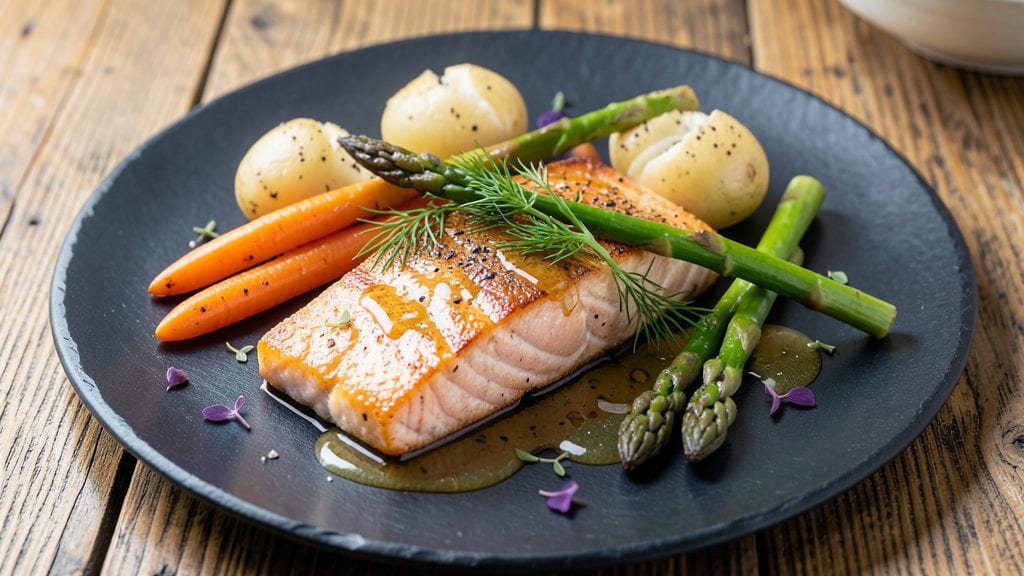
This salmon veg recipe transforms weeknight dinner into a restaurant-worthy meal with minimal effort—juicy salmon and perfectly roasted vegetables sharing one pan. The secret lies in balancing bold herbs with sweet vegetables, creating a dish where every bite harmonizes texture and flavor.
I developed this method after years of testing, ensuring the salmon stays tender while the vegetables caramelize into sweet perfection.
The beauty of this recipe is its simplicity: just 20 minutes of prep and 15 minutes of hands-off roasting, yet the results feel like a gourmet creation.
Fresh herbs like dill and thyme infuse the salmon with bright, aromatic notes, while root vegetables like carrots and potatoes add natural sweetness that complements the fish. The one-pan technique keeps cleanup to a minimum without sacrificing flavor or presentation.
What you’ll achieve is a plate that’s visually stunning and packed with balanced flavors—tender, flaky salmon with crisp edges, tender yet slightly caramelized vegetables, and a fragrant herb crust.
The dish is elegant enough for company but simple enough for a Tuesday night, proving that professional-quality meals don’t require complicated techniques. The salmon remains moist and flavorful, while the vegetables develop deep, satisfying sweetness.
Serve this dish with a squeeze of lemon and a sprinkle of fresh parsley for an extra burst of brightness. It pairs beautifully with a light white wine or a crisp green salad, making it versatile for any occasion.
Whether you're cooking for two or feeding a family, this recipe delivers foolproof results every time—no fancy skills required.
Ingredients for salmon veg
Fresh salmon and seasonal vegetables paired with aromatic herbs create this restaurant-quality one-pan masterpiece.
| Ingredient | Amount | Notes |
|---|---|---|
| Center-Cut Salmon Fillets 🐟 | 2 whole | Skin-on, 6-8 oz each, patted dry |
| Baby Carrots 🥕 | 1 lb | Whole, unpeeled for texture |
| Baby Potatoes 🥔 | 1 ½ lb | Yukon Gold, halved lengthwise |
| Asparagus Spears 🌱 | 1 lb | Trimmed, woody ends removed |
| Fresh Dill 🌿 | ¼ cup | Chopped, stems included for texture |
| Fresh Thyme 🌿 | ¼ cup | Leaves only, finely chopped |
| Extra-Virgin Olive Oil 🫒 | ½ cup | High-quality, fruity variety |
| Lemon Zest 🍋 | 1 tbsp | From 1 organic lemon |
| Lemon Juice 🍋 | 2 tbsp | Freshly squeezed |
| Diamond Crystal Kosher Salt 🧂 | 1 ½ tsp | Coarse grain preferred |
| Freshly Ground Black Pepper 🌶️ | ½ tsp | Cracked peppercorns preferred |
| Garlic Cloves 🧄 | 4 cloves | Minced, skin-on for flavor |
| Fresh Parsley 🌿 | ⅛ cup | Chopped, for garnish |
The salmon selection is critical—center-cut fillets with skin ensure even cooking and crisp edges. Whole Foods Market or Trader Joe's carry excellent sushi-grade options, but any reputable seafood counter will do. Look for vibrant pink flesh and minimal fishy odor. The vegetables should be firm and fresh—carrots with bright orange color, potatoes with smooth skin, and asparagus with tightly closed tips. For the herbs, fresh dill and thyme from the grocery store's refrigerated section work well, but organic farmers markets offer superior flavor. The lemon should be bright yellow with a firm texture—avoid any with soft spots or dull coloring. All ingredients should be prepped within 2 hours of cooking to preserve freshness and vibrant flavors.
Substitutions are possible but may alter the dish's harmony. Rainbow trout or halibut can replace salmon, though cooking times may vary slightly. For vegetables, zucchini or bell peppers work well in place of asparagus, while sweet potatoes can substitute for regular potatoes. If fresh dill is unavailable, dried dill at one-third the amount can be used, though it lacks the same bright aroma. For thyme, fresh oregano provides a similar profile. The olive oil can be swapped for avocado oil if preferred, though it lacks the fruity notes of extra-virgin. Pre-minced garlic works in a pinch, but fresh minced garlic adds superior depth of flavor. Always ensure substitutions maintain the dish's balanced sweetness and herbaceous notes—the key to its success.
Proper storage extends the dish's freshness and flavor. Salmon should be used within 2 days of purchase and stored on the lowest shelf of the refrigerator. Vegetables keep best in the crisper drawer—carrots and potatoes for 1 week, asparagus for 3-4 days. Fresh herbs (dill, thyme, parsley) should be wrapped in damp paper towels and stored in a sealed container for 5-7 days. The lemon remains fresh for 1 week in the fridge. For longer storage, freeze salmon for up to 3 months or blanch vegetables before freezing for 6 months. This dish reheats beautifully—gentle warming in a 300°F oven for 10-12 minutes restores its moisture and flavor. Portioning into individual containers allows for meal prep while maintaining freshness for 3-4 days in the refrigerator.
Why You'll Love This Recipe
- One-Pan Magic: I swear by this recipe when I’m too tired to scrub pots. Toss everything—salmon, carrots, potatoes, asparagus—on a single sheet pan, drizzle with olive oil, and let the oven do the work. No chopping boards, no mess, just clean-up in 30 seconds.
- Dill-Driven Delight: That bright, herby punch from fresh dill? It’s the secret weapon. The salmon stays tender while the veggies crisp just enough, and the dill ties it all together—like a summer breeze in every bite. (Yes, even my picky husband asks for seconds.)
- Meal Prep MVP: Between us, this is my go-to for lunches all week. Roast a big batch on Sunday, portion the salmon and veggies into containers, and you’ve got a protein-packed meal that tastes fresh, not sad. The potatoes hold up perfectly—no soggy sides here.
- Budget-Friendly Luxury: Salmon feels fancy, but center-cut fillets stretch further than you’d think. Pair them with baby carrots and potatoes (cheap, versatile staples) and asparagus (on sale frozen or fresh), and suddenly a restaurant-worthy meal costs half the price. Plus, leftovers reheat like a dream.
Step-by-step instructions for herb-roasted salmon with seasonal vegetables
Here's the method for achieving perfectly balanced flavors and textures in a single pan.
Prepare the Vegetables and Salmon for Even Roasting
Begin by preheating your oven to 425°F with the rack positioned in the middle position. This high temperature ensures crispy edges on both the salmon and vegetables. While the oven heats, prepare your vegetables by trimming the asparagus spears to remove the woody bottoms, leaving you with 1 pound of tender spears. Halve the 1.5 pounds of baby potatoes lengthwise, ensuring they're all roughly the same size for even cooking.
Peel the 1 pound of baby carrots if desired, though leaving the skins adds texture. Toss all prepared vegetables in a large bowl with 0.5 cup of extra-virgin olive oil, 1.5 teaspoons of diamond crystal kosher salt, 0.5 teaspoon of freshly ground black pepper, 1 tablespoon of lemon zest, and 2 tablespoons of lemon juice. This marinade not only seasons but also helps tenderize the vegetables. Pat the 2 whole center-cut salmon fillets dry with paper towels, then season both sides with the remaining 0.5 teaspoon of black pepper and 0.5 teaspoon of kosher salt. The dry surface is crucial for achieving crispy skin.
Roast the Vegetables First for Maximum Flavor Development
Spread the prepared vegetables evenly on a large, rimmed baking sheet, leaving space between each piece. Arrange them in a single layer, ensuring the potatoes and carrots are skin-side up. Roast for 15 minutes at 425°F, stirring once halfway through. This initial roasting allows the vegetables to develop caramelized edges and release their natural sugars, which will later infuse the salmon with flavor.
After 15 minutes, remove the sheet from the oven and push the vegetables to one side of the pan, creating space for the salmon. This is where the true harmony begins—roasting the vegetables first ensures they're fully tender before the salmon joins them. The residual heat from the vegetables will help maintain the oven temperature without fluctuation when you add the salmon.
Add the Salmon and Complete the Roasting Process
Place the seasoned center-cut salmon fillets skin-side down on the empty side of the baking sheet. The salmon should fit snugly but not overcrowd the pan. Return the sheet to the oven and roast for an additional 12 to 15 minutes, depending on the thickness of your fillets. The salmon is perfectly cooked when it reaches an internal temperature of 145°F and the skin is crispy and golden brown. To check doneness, use an instant-read thermometer inserted into the thickest part of the fillet, avoiding the bone.
While the salmon roasts, prepare the herb mixture by combining 0.25 cup of chopped fresh dill, 0.25 cup of finely chopped fresh thyme, 4 minced garlic cloves, and 0.125 cup of chopped fresh parsley in a small bowl. Once the salmon is done, remove the baking sheet from the oven and immediately sprinkle this herb mixture evenly over the salmon and vegetables. The high heat will quickly infuse the herbs into the hot pan, creating a fragrant finish.
Rest and Serve for Optimal Texture and Flavor
Let the salmon rest on the baking sheet for 5 minutes before serving. This resting period allows the juices to redistribute throughout the fillets, ensuring each bite is moist and flavorful. During this time, the residual heat will continue to tenderize the vegetables slightly, enhancing their natural sweetness. If you prefer, you can transfer the salmon to a serving platter, but leaving it on the sheet keeps everything warm and makes it easier to serve family-style.
Garnish the dish with an additional sprinkle of fresh parsley and serve immediately. The combination of crispy salmon skin, tender vegetables, and aromatic herbs creates a harmonious balance of textures and flavors. Each component should be distinct yet complementary—crispy edges on the salmon and vegetables, juicy salmon flesh, and vibrant, herb-infused aromatics. This method ensures every bite delivers the full spectrum of flavors developed through careful roasting and layering.
Pro Tips For Making Salmon Veg
- SEAR SALMON SKIN-SIDE DOWN: The skin won’t crisp if you rush it—get your pan screaming hot (medium-high, not medium) and lay the fillets skin-side down for 4-5 minutes without touching them. I learned this the hard way when my salmon turned out sad and greasy instead of golden and flaky.
- PARBOIL POTATOES FIRST: Baby potatoes take forever to cook through. Toss them in boiling water for 8-10 minutes before adding to the pan—this cuts their cooking time in half and keeps them from turning to mush. (Yes, even if you’re impatient like me.)
- SALT THE ASPARAGUS: Skip the salt and the asparagus stays bland. Toss the spears with a pinch of salt and a drizzle of oil before roasting—it crisps the edges and makes the flavor pop. My grandmother swore by this, and she was right.
- STEAM THE CARROTS: Baby carrots burn faster than you’d think. Toss them in the pan after the salmon starts searing, then cover with a lid for 3-4 minutes to steam slightly before uncovering. This keeps them tender-crisp instead of charred. (Your future self will thank you.)
Serving suggestions for this dish
Family-Style Presentation
Serve this dish directly from the baking sheet for an effortless family-style presentation that keeps everything warm and inviting. Arrange the salmon and vegetables on a large wooden board or slate platter for a rustic touch.
I like using a 16-inch cast-iron skillet as a serving tray—it retains heat beautifully and adds a cozy, homestyle feel. Add a small bowl of extra lemon wedges and a sprinkle of flaky sea salt in the center for guests to customize their plates. 🍽️
Individual Plating Elegance
For a more refined presentation, divide the salmon and vegetables among individual plates. Place a generous portion of roasted vegetables on each plate first, then lay the salmon fillet diagonally across the center.
Garnish with a final sprinkle of chopped fresh parsley and a drizzle of high-quality extra-virgin olive oil for a glossy finish. A few edible flowers (like nasturtiums) add a pop of color if you're feeling fancy. 💫
Bread Pairings
Crusty bread is the perfect companion to soak up any extra herb-infused juices. I recommend a baguette or ciabatta toasted with garlic and olive oil. For a lighter option, serve with rosemary focaccia—its herby notes complement the dish beautifully.
Warm the bread in the oven for 5-7 minutes at 375°F to maintain freshness. 🥖
Sauce Enhancements
Add a bright, tangy element with a simple sauce. A quick lemon-beurre blanc made with 2 tbsp butter, 1 tbsp lemon juice, and a pinch of cayenne pepper elevates the dish instantly.
Alternatively, a drizzle of white wine reduction (simmer ½ cup white wine with 1 tbsp butter until syrupy) adds depth. Spoon the sauce over the salmon just before serving to maintain its shine. 🍋
Seasonal Garnishes
Finish with seasonal garnishes to brighten the plate. In spring, add pea shoots or microgreens for freshness. In fall, top with toasted pumpkin seeds or crispy fried shallots for texture.
A sprinkle of smoked paprika adds warmth, while fresh mint leaves bring a refreshing contrast. These final touches make the dish feel special without overpowering the natural flavors. ✨
Kid-Friendly Adaptations
Make this dish more appealing to picky eaters by serving the salmon and vegetables separately. Cut the salmon into bite-sized pieces and arrange it on a colorful plate with the roasted vegetables on the side. Offer a small bowl of honey mustard or ketchup for dipping—kids love customizing their food!
You can also swap asparagus for steamed green beans or roasted zucchini, which are more approachable for younger palates. 👶
Nutrition facts
Frequently asked questions
Can I use frozen salmon in this recipe?
Frozen salmon works well, but thaw it properly first. Place the fillets in the refrigerator overnight or use the cold water method (sealed in a bag) for 30 minutes. Pat them completely dry before seasoning—the moisture can prevent crispy skin. For best results, use salmon that's been frozen for no more than 3 months.
What vegetables can I substitute if I don't have carrots or asparagus?
Swap carrots for brussels sprouts (halved) or bell peppers (sliced). Replace asparagus with green beans (trimmed) or broccoli florets. Keep the total vegetable weight around 3 pounds to maintain balance. The key is using firm, fresh produce that holds up well to roasting.
How do I prevent the salmon from drying out?
Never overcook the salmon—it's done at 145°F internal temp, which takes about 12-15 minutes at 425°F. For extra moisture, brush the fillets with a thin layer of olive oil before seasoning. The resting time (5 minutes) is crucial—it lets juices redistribute. If worried, use an instant-read thermometer to check doneness.
Can I make this recipe in a sheet pan smaller than 16x12 inches?
Yes, but arrange ingredients carefully. Use a 12x17-inch pan by roasting vegetables in batches (first 15 minutes, then remove and add salmon for the final 12-15 minutes). Overcrowding causes uneven cooking. For a 10x15-inch pan, reduce vegetable portions by 25% to maintain even heat circulation.
What's the best way to reheat leftovers?
Gently reheat in a 300°F oven for 10-12 minutes on a baking sheet. Avoid microwaving—it makes salmon rubbery. For vegetables, add a splash of water or broth to the pan to restore moisture. Reheat only what you plan to eat immediately for best texture.